What steel floor tiles do in a production oven
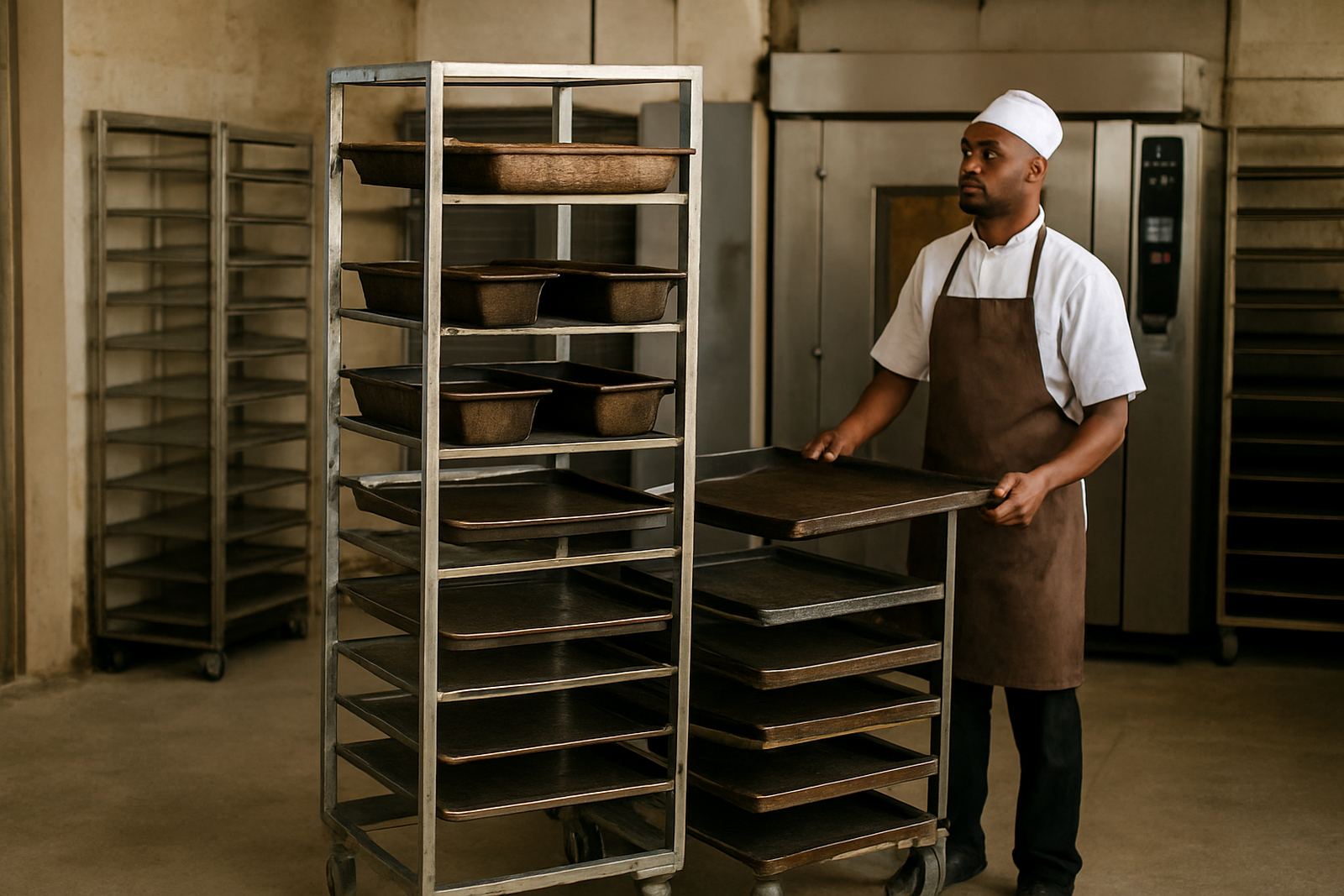
Steel floor tiles form the baking surface inside a production oven and help create the steady base heat needed for bread, rolls and other hearth style products. They are used where bakers want direct bottom heat with less hot spotting than a patchwork of loose plates or damaged floor sections. In busy bakeries, that matters every shift because a tired oven floor can give you pale bases, burnt edges or uneven spring.
Our tiles are made in Westmead, Pinetown for industrial use, with sizes and thicknesses chosen around the oven type and the load it carries. They are suited to gas or electric production ovens, rack-fed bakery ovens and custom plant ovens that run for long hours. When fitted and level, they help keep trays and loaves on a steady surface, even when the plant is working through early starts, load-shedding recovery and the usual rush after 04:00.
Sizes, thicknesses and layout options
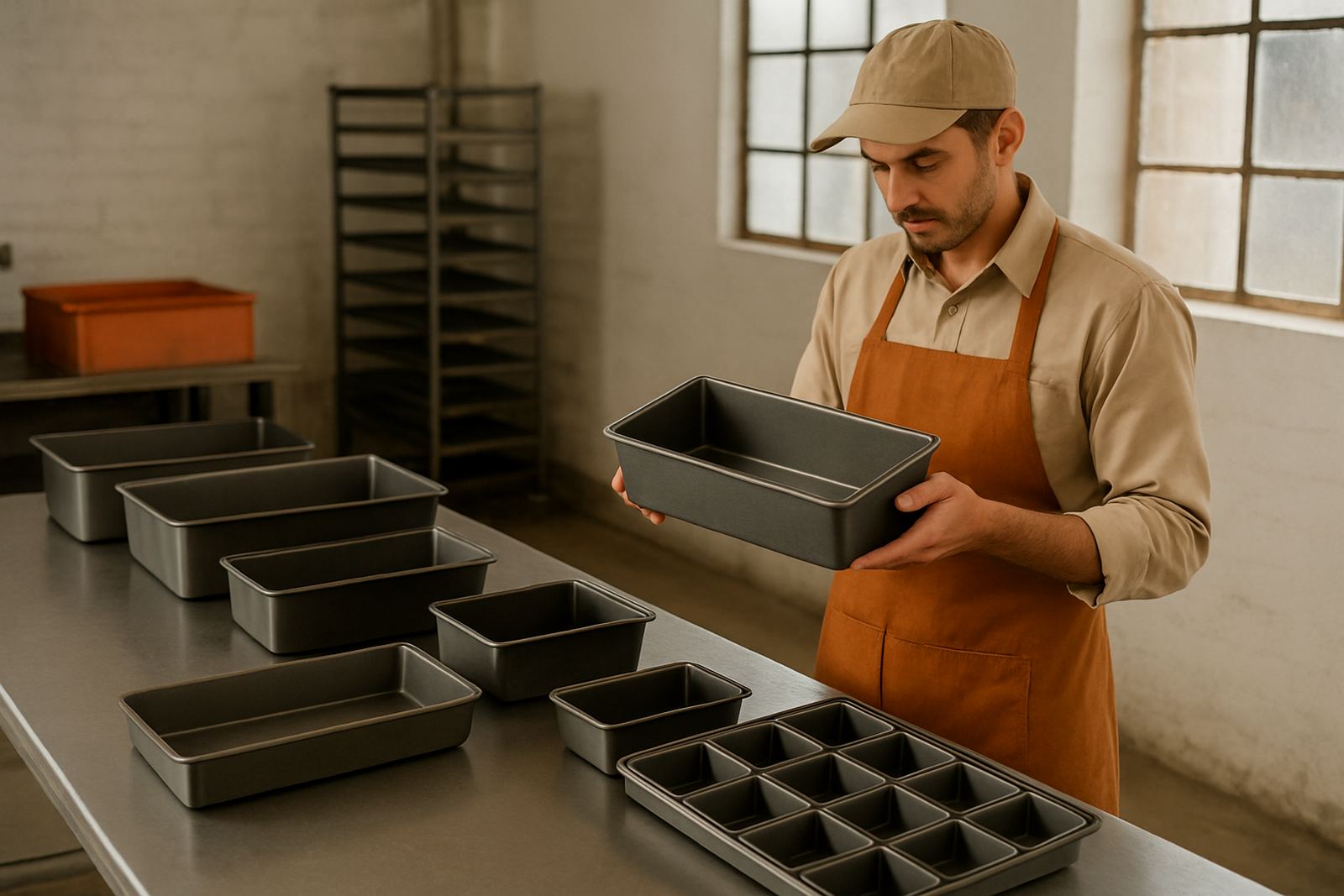
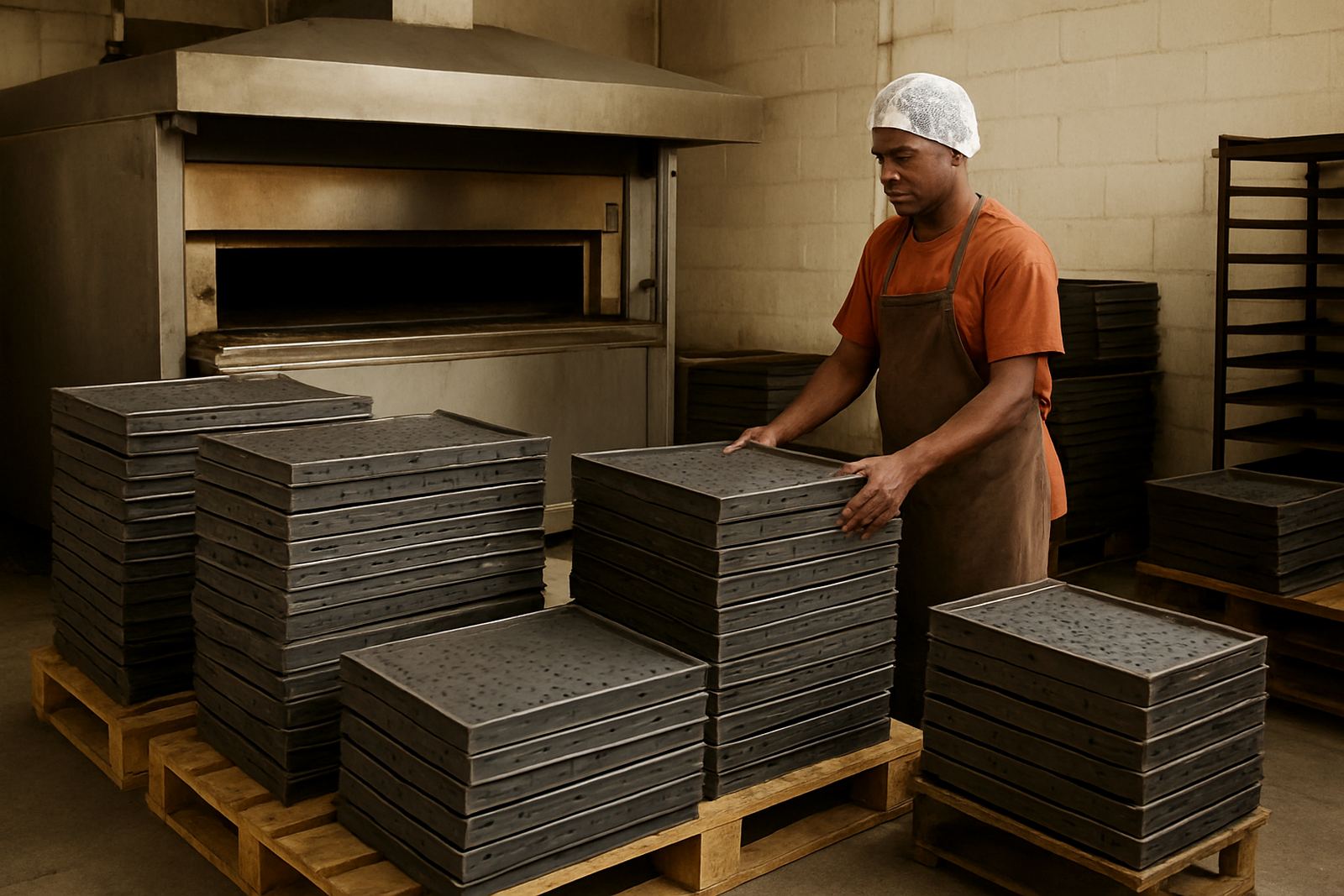
Steel floor tiles are supplied to suit the oven chamber and the way the floor is divided up. Some ovens need a simple rectangular tile, while others need a set made up of narrower sections so a damaged piece can be lifted out without stripping the full floor. We can make standard and custom sizes for new ovens or for replacing worn tiles in existing units.
- Common thicknesses are selected for commercial baking duty, with heavier gauge used where trays, peel movement and repeated thermal cycling are expected.
- Tile edges can be formed to suit a snug fit between adjoining sections and to help reduce movement under heat.
- Tiles can be made as single pieces, paired sections, or a full set for a complete oven floor.
- Custom cut-outs and fixing points can be added where the oven design needs them.
For plant bakeries in Durban, Pinetown, Pietermaritzburg and inland sites, the best size is usually set by the oven opening, the door clearance and the maintenance access you need. A tile that is too large becomes awkward to remove and a tile that is too small can leave too many joins, so measurements must be checked carefully before fabrication.
Where these tiles suit best
Steel floor tiles are commonly used where the oven must give a steady hearth finish and the floor gets hard daily use. They suit bakeries baking pan loaves, country breads, buns, rolls and similar products where bottom heat supports good oven spring and a firm base. They are also useful where hot and humid coastal conditions can put extra strain on equipment, because a good floor tile system is easier to inspect and replace than a cracked cast section.
- Plant bakeries running large batch ovens
- Retail bakeries with production ovens behind the shop floor
- Hotel kitchens baking bread in volume for service and buffet use
- Food plants that need replacement hearth sections made to size
- Sites with limited downtime, where sectional replacement saves hours
We work from Westmead, Pinetown and supply bakeries nationally, including KwaZulu-Natal, Gauteng, the Western Cape and the Eastern Cape. If you are replacing old floor tiles, it helps to check whether the oven frame, rails and door seals are still square because a new tile will only perform well if the rest of the floor is holding level too.
Installation checks and power or gas points
Steel floor tiles are fitted into a live production oven only when the oven is shut down, cooled and isolated properly. The floor must be clean, level and free of loose scale, broken welds or warped supports before the new sections go in. In many cases the installation is straightforward, but the checking stage is important because a tile that rocks or binds can wear out early and affect baking consistency.
These tiles do not need a separate power supply, but they must suit the oven system they are going into. Gas-fired ovens need clear burner access and enough floor clearance for heat to move evenly. Electric ovens need the floor sections to sit clear of elements, insulation and wiring runs. If the oven is in a bakery that runs on generators during outages, the tile set should be measured for the exact chamber size, since temporary heat cycling can show up weak spots very quickly.
Before ordering, confirm the oven make-up, chamber dimensions, access doors, floor support points and whether any gas pipes, element housings or thermostat probes run below the floor. That saves time on site and avoids the common problem of a tile being made correctly but not clearing an internal bracket or lip.
Care, cleaning and servicing over the long run
Steel floor tiles last longer when they are cleaned properly and checked often for bowing, surface pitting and loose edges. In a bakery, flour dust, sugar, oil and burnt debris can all collect on the floor and affect heat transfer, so routine cleaning is not just about appearance. It helps the oven hold heat more evenly and keeps the tiles from corroding around the joins.
We also service related bakeware and oven items from our Westmead base, including deep cleaning, straightening and repairs where practical. For floor tiles, the main checks are simple and should be done regularly by the maintenance team:
- Look for lifted corners or gaps at the joins
- Check for warped sections after repeated overheating
- Remove baked-on residue before it builds up
- Inspect supports and rails for fatigue or movement
- Replace damaged tiles before they start affecting the full floor
In coastal towns, stored humidity can lead to surface rust if the oven is left open and damp after cleaning. A quick dry-down and proper shutdown routine helps a lot. If a tile is badly worn but the frame is still sound, we can advise on repair versus replacement so you do not spend more than needed.
What to check when ordering replacement tiles
When you order steel floor tiles, the best result comes from giving us clear measurements and a few photos of the existing oven floor. If the old tile is still in place, we can often work from the worn piece and check the fixing details. If it has already been removed, measure the chamber carefully in more than one point because older ovens are not always perfectly square. A gap of a few millimetres may not sound like much, but it can matter once heat is cycling all day.
Please check these points before placing the order:
- Internal chamber length, width and depth
- Tile thickness or the thickness of the removed section
- Number of tiles needed and how they are arranged
- Any cut-outs, lips, tabs or fixing holes
- Whether the oven is gas or electric
- Whether you need one replacement tile or a full matched set
If you are unsure, our team can talk through the oven layout and help you confirm what is needed. That includes advice on spare sections for busy sites where a single back-up tile can prevent a day of lost production when the main floor needs repair.
Key facts
| Product | Heavy-duty steel oven floor tiles |
|---|---|
| Use | Hearth-style baking in production ovens |
| Material | Industrial steel |
| Supply area | National, from Westmead, Pinetown |
| Custom options | Sized to oven chamber and support layout |
| Typical users | Plant bakeries, retailers, hotels, food plants |