

Start With the Product, Not the Price
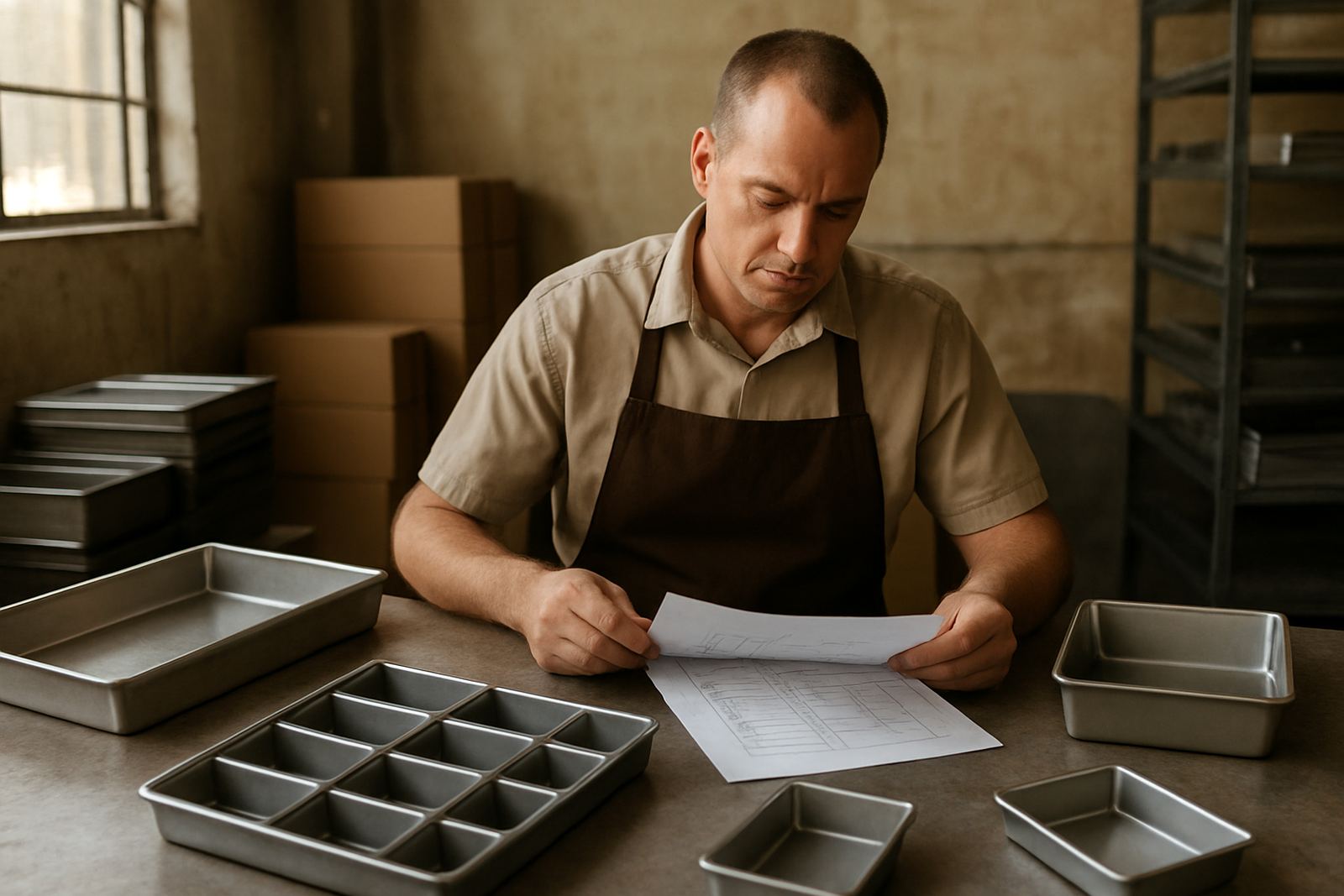
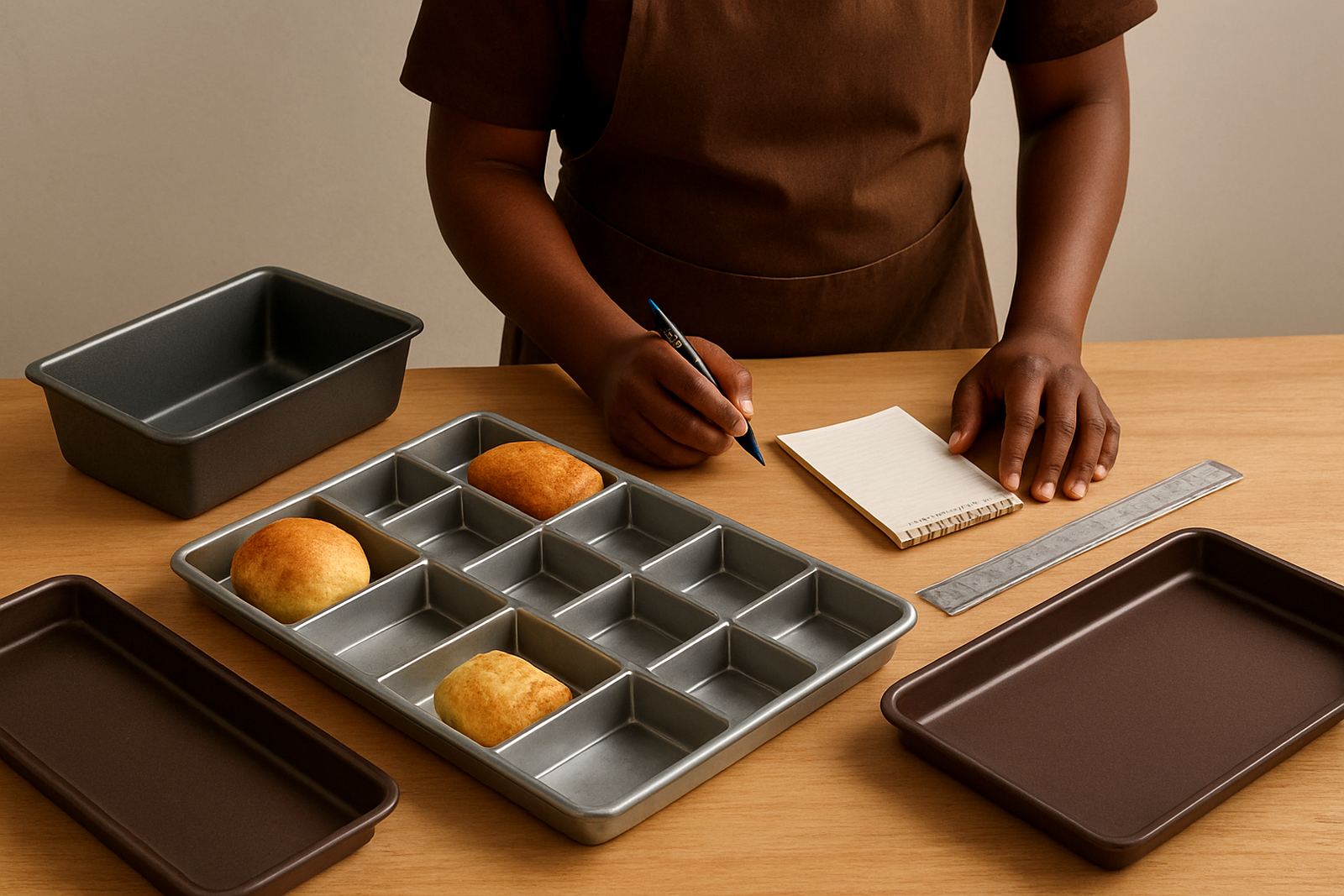
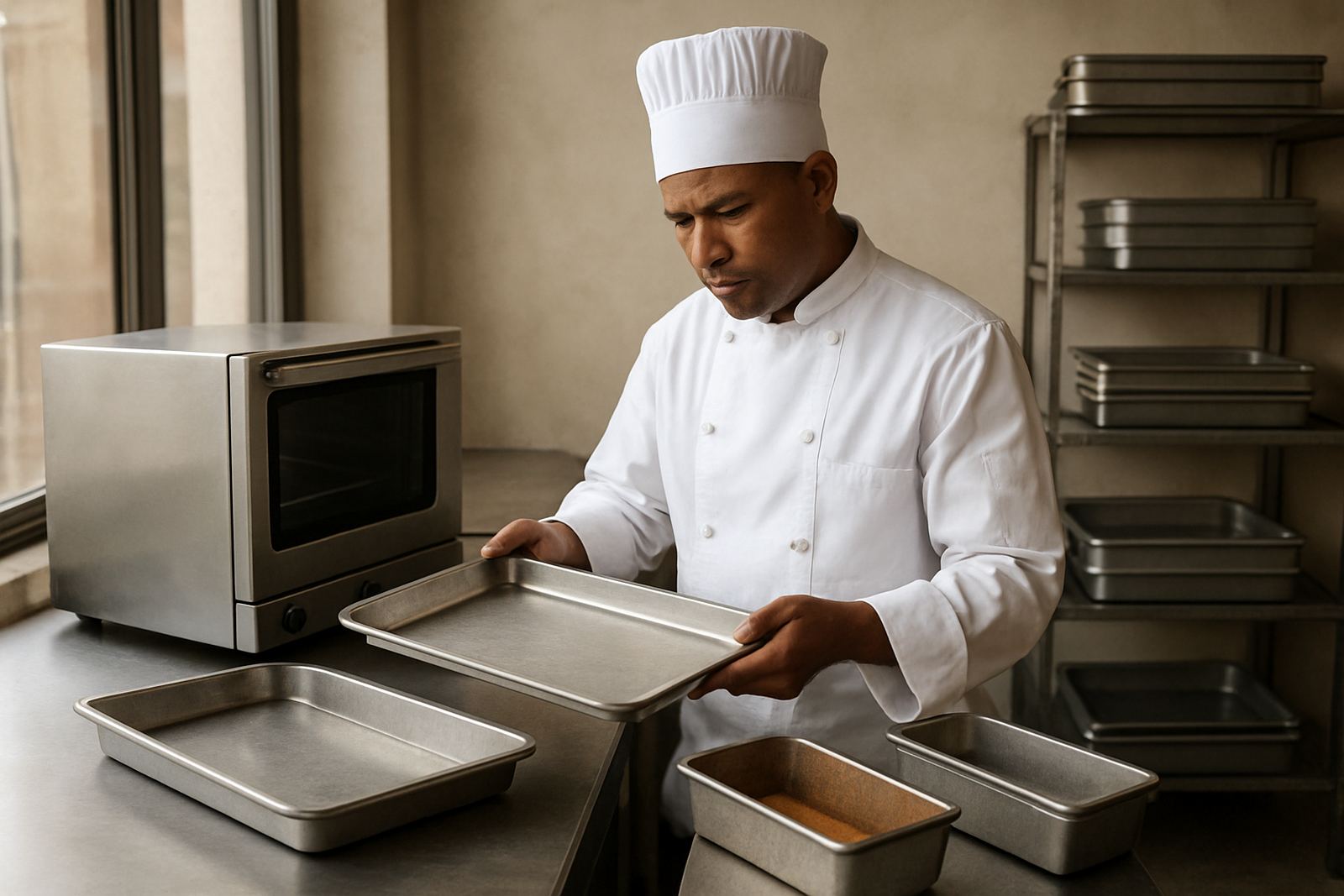
When you are choosing bakeware, begin with what the item must do every day. A steel oven floor tile for a plant bakery has different demands to a bread pan for retail loaves or a custom tray for hotel batches. Heat distribution, cleaning time, handling and storage all affect the final choice and the life of the equipment.
In our Westmead, Pinetown base, we often see buyers comparing products by price alone, then replacing them too soon. It is better to match the gauge, size and finish to the oven cycle, dough weight and turnover rate. That matters even more where load-shedding, long shifts and fast changeovers put extra strain on pans and trays.
What to Check Before You Order
Use the points below to narrow the spec before you send an enquiry. A clear order saves time and cuts the risk of costly adjustments later.
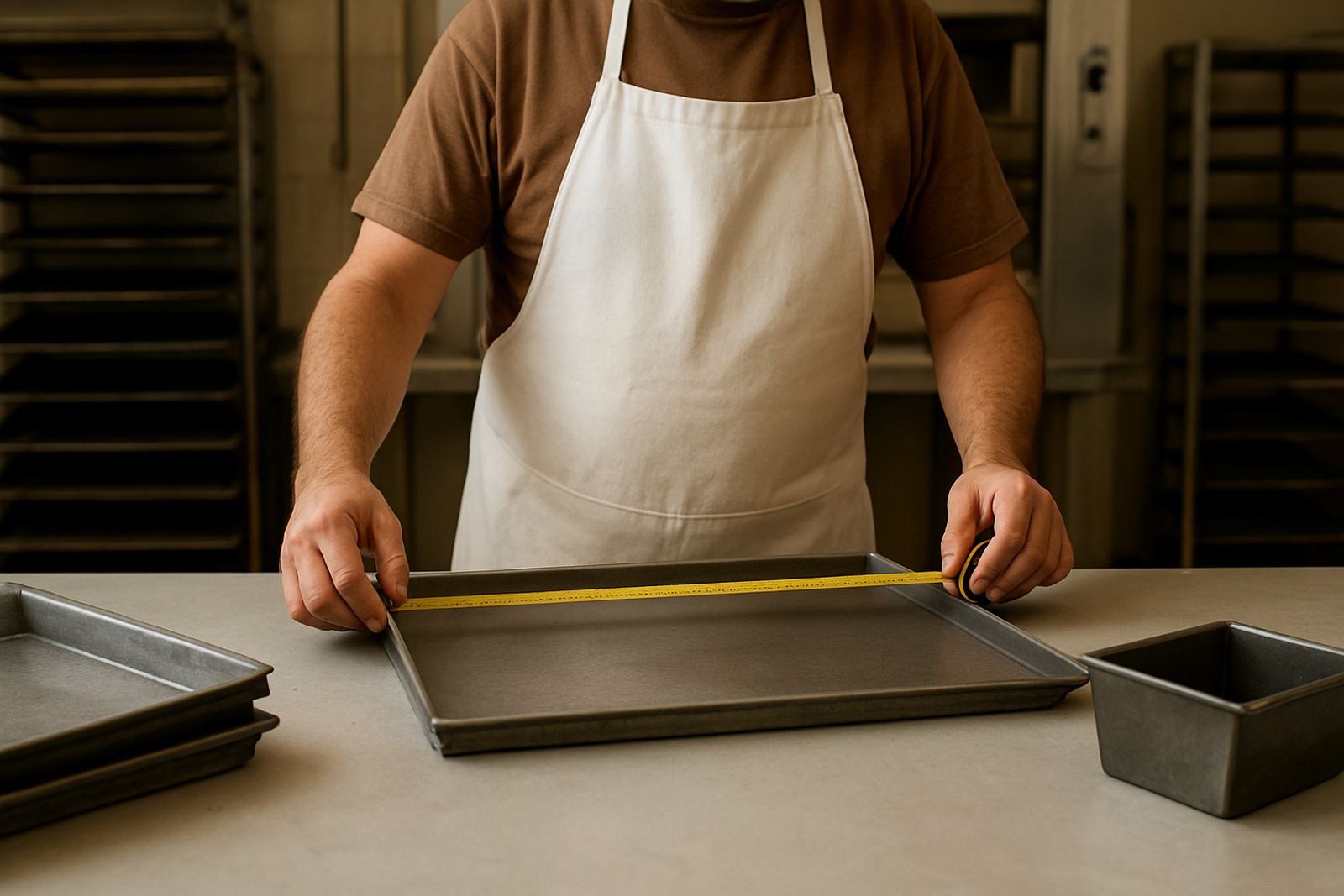
- Internal dimensions, external footprint and stacking clearance
- Steel thickness and whether the item must hold shape under repeated heat
- Handle style, rim style and whether the team wears gloves during handling
- Coating or finish needs, especially for coastal humidity and wash-down routines
- Expected batch size, oven type and how often the item will be moved
If your bakery works near Durban or along the KZN coast, surface care is especially important because damp air can shorten service life if items are not cleaned and stored properly.
Steel Floor Tiles for Plant Ovens
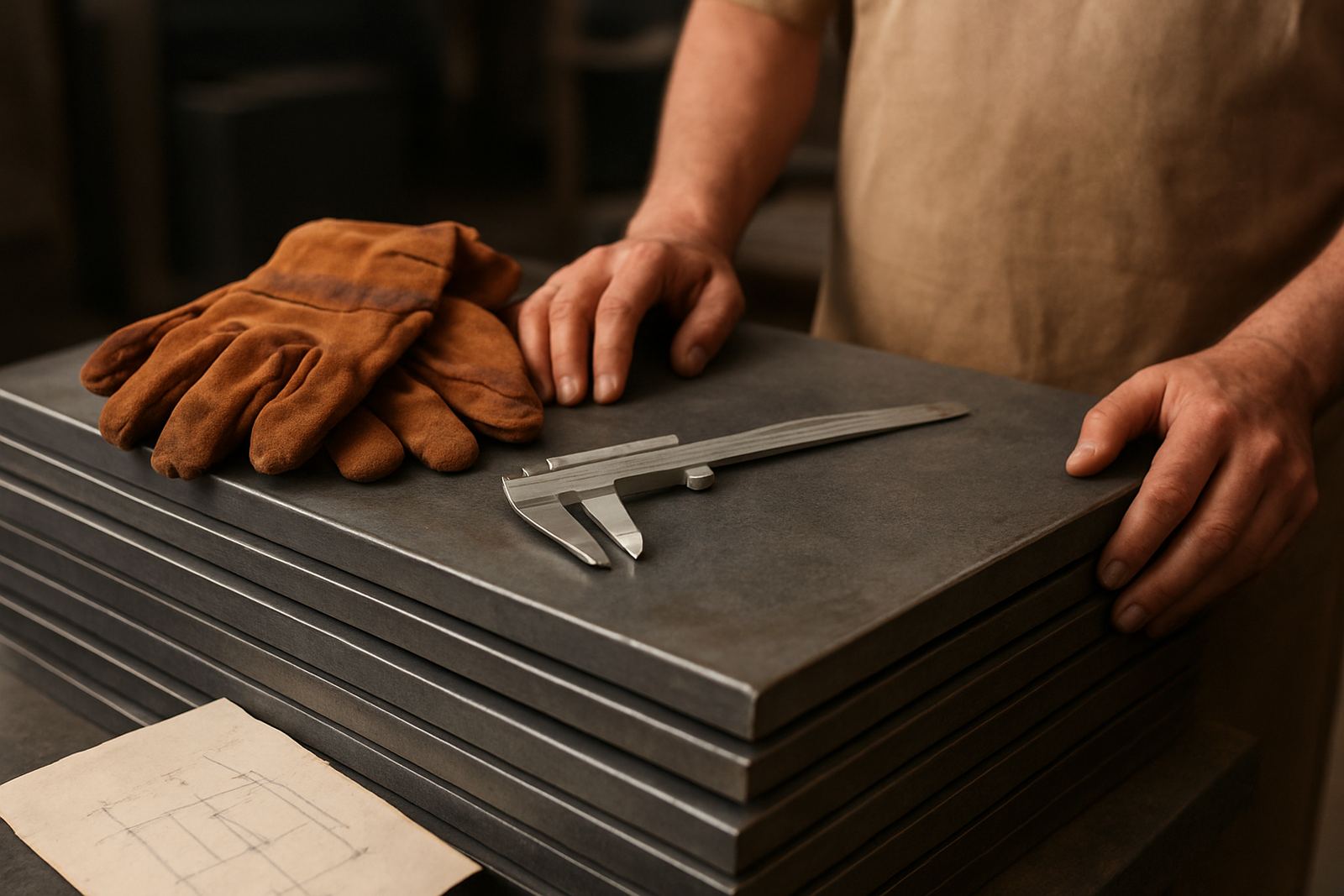
The original Bakerite steel floor tile was developed for plant bakery use, where consistency and repeat use matter. Floor tiles must sit properly, carry heat evenly and cope with the pace of production without warping or lifting. If the oven floor is not level, or if tiles are mismatched, you will feel it in the bake.
Our team looks at the oven layout, the condition of the existing floor and the loading method before recommending a replacement or repair plan. This is practical work, not guesswork. For some sites, a fleet assessment will show that a partial replacement is enough. For others, the best result comes from a full refresh with cleaning, straightening and repair on selected items.
Bread Pans and Trays for Daily Output
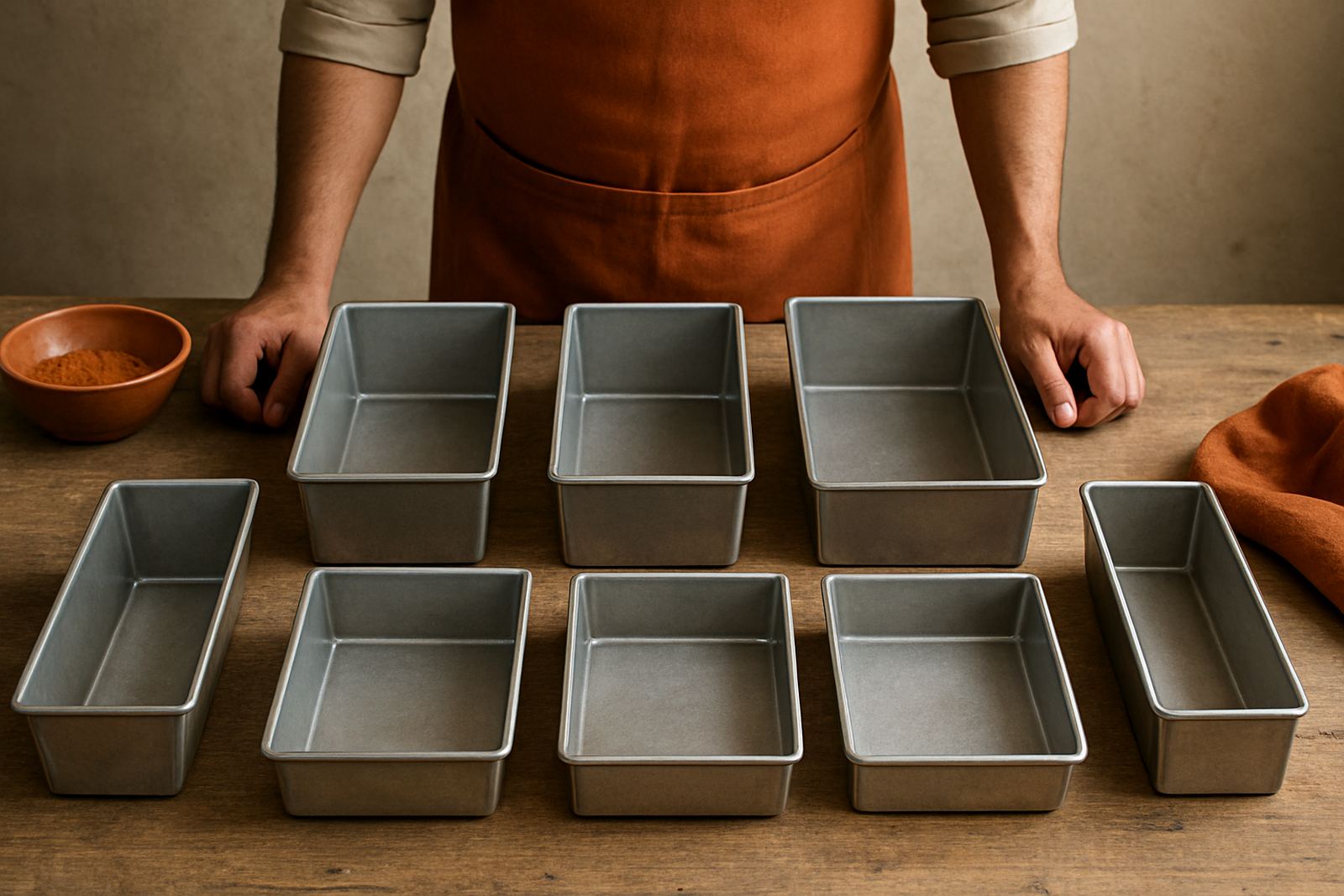
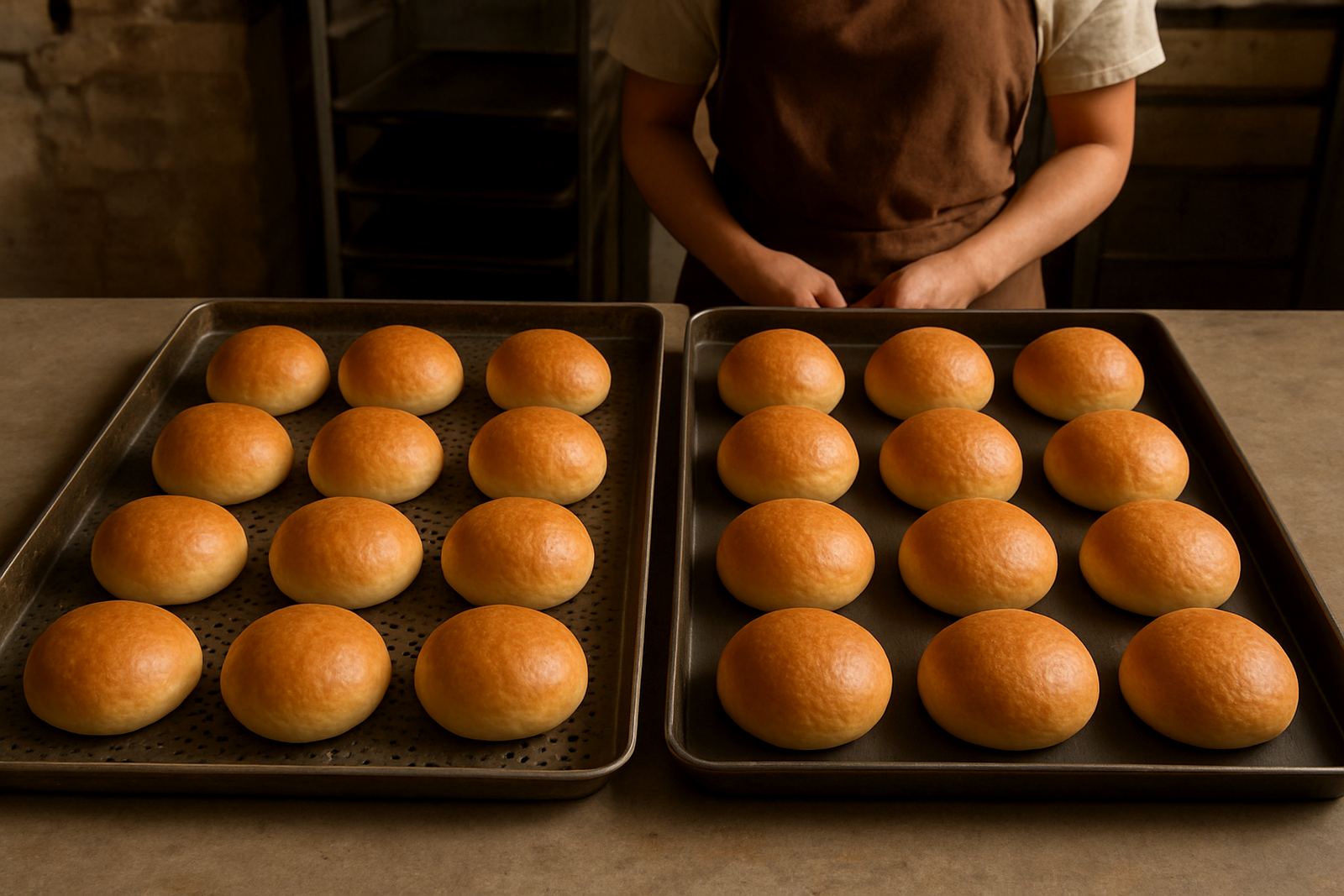
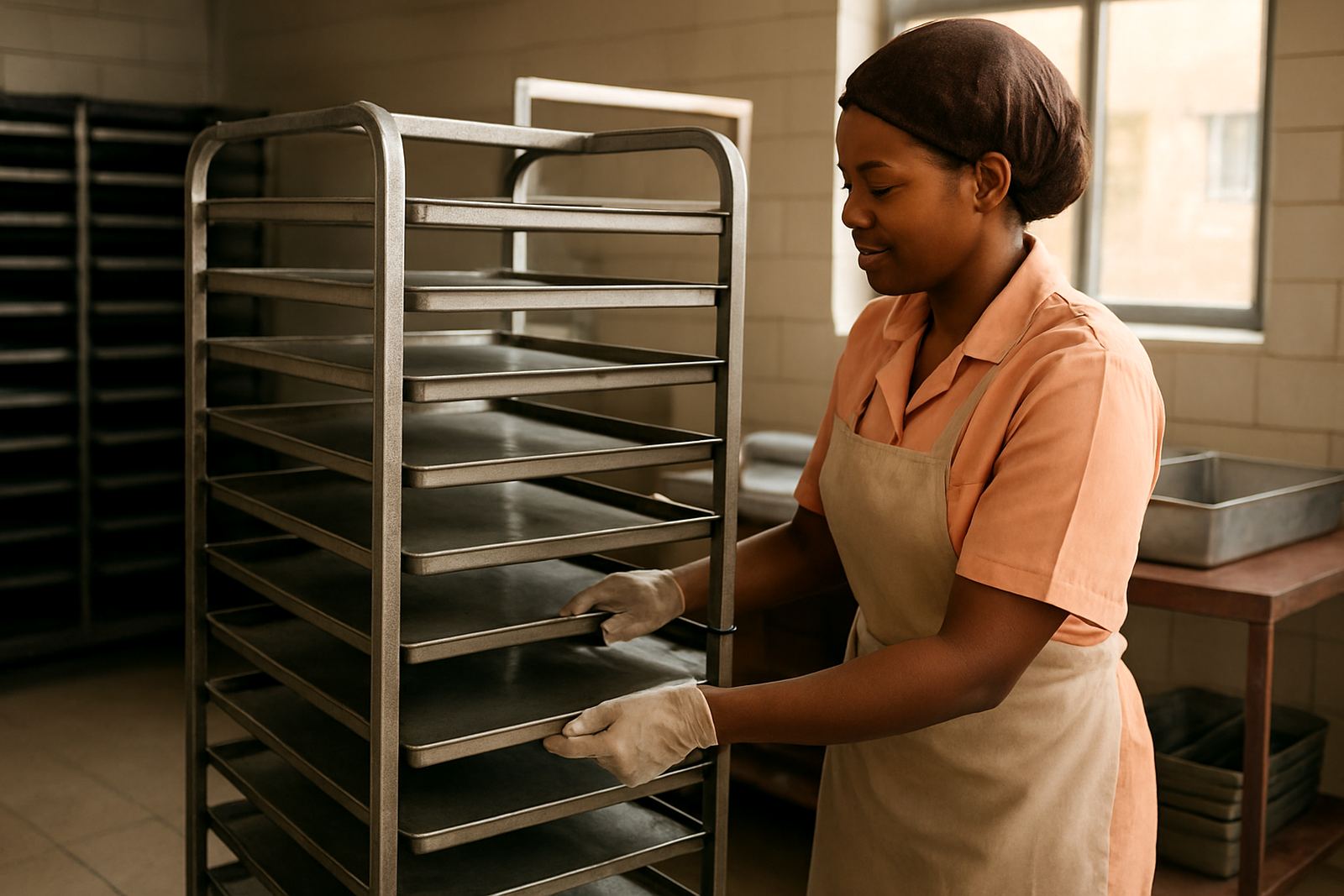
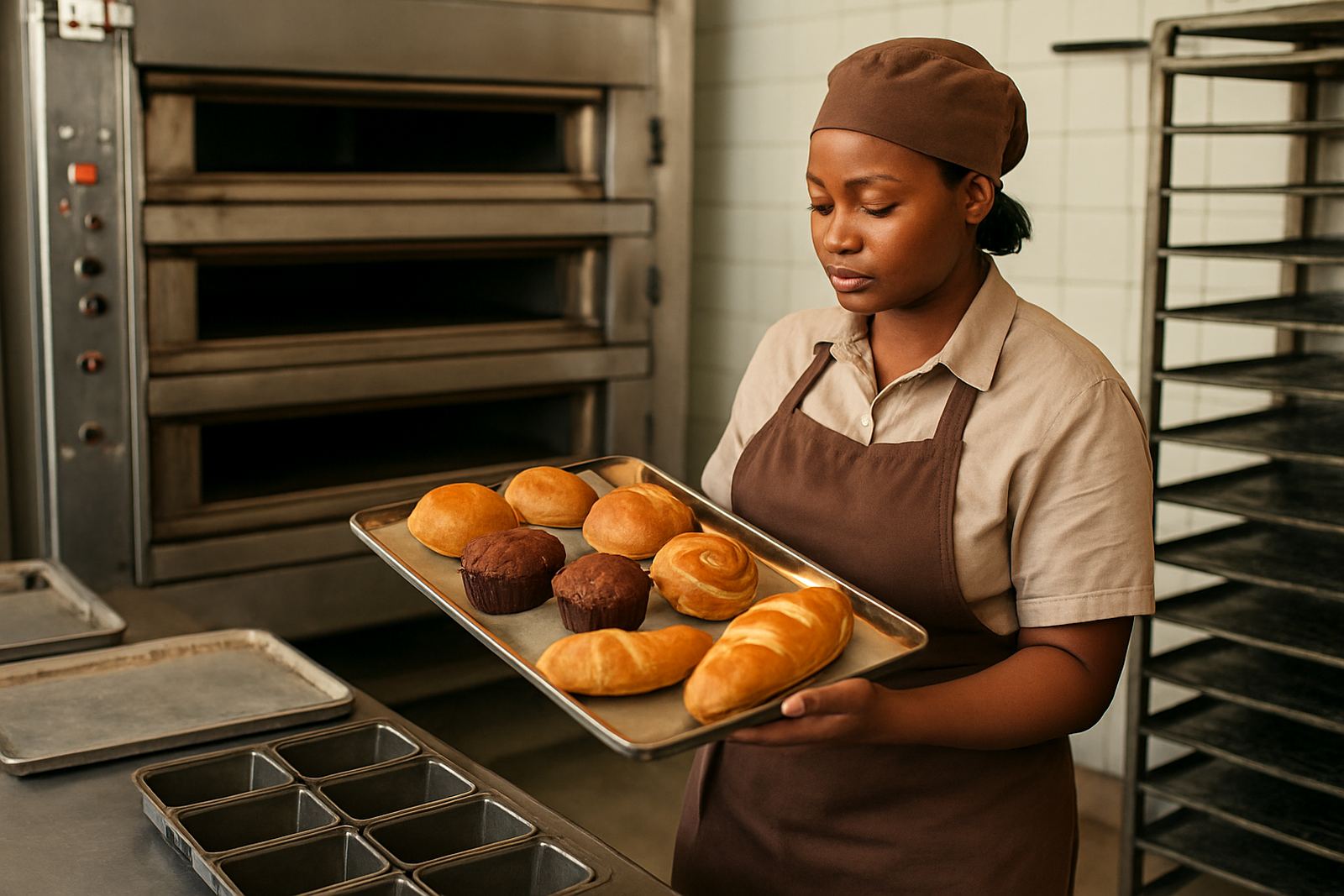
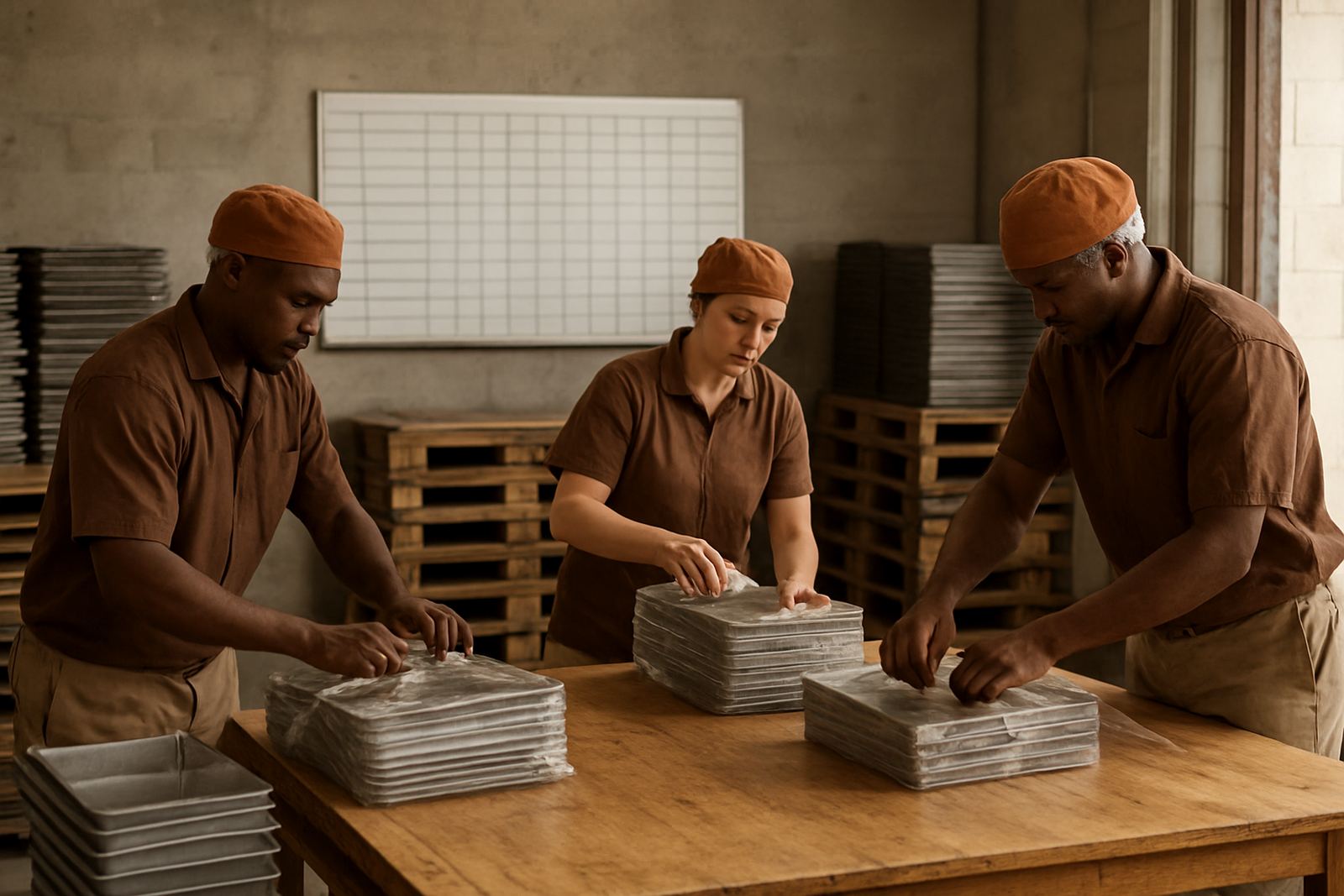
Bread pans and trays carry the most handling, so they need to be easy to move and simple to maintain. A pan that looks fine at first can start causing trouble when corners open, rims distort or welds fatigue. That is where service options such as corner repairs, rim repairs and weld repairs become useful.
For busy bakeries and hotels, it helps to standardise as much as possible. Fewer sizes mean easier stock control and less confusion on shift. If your team handles mixed batches, spare lids and a clear rotation plan can reduce damage and keep output steadier.
- Check for straightness after cleaning and before refilling
- Keep wet items apart from dry stock to reduce staining
- Remove damaged units early instead of pushing them through another week
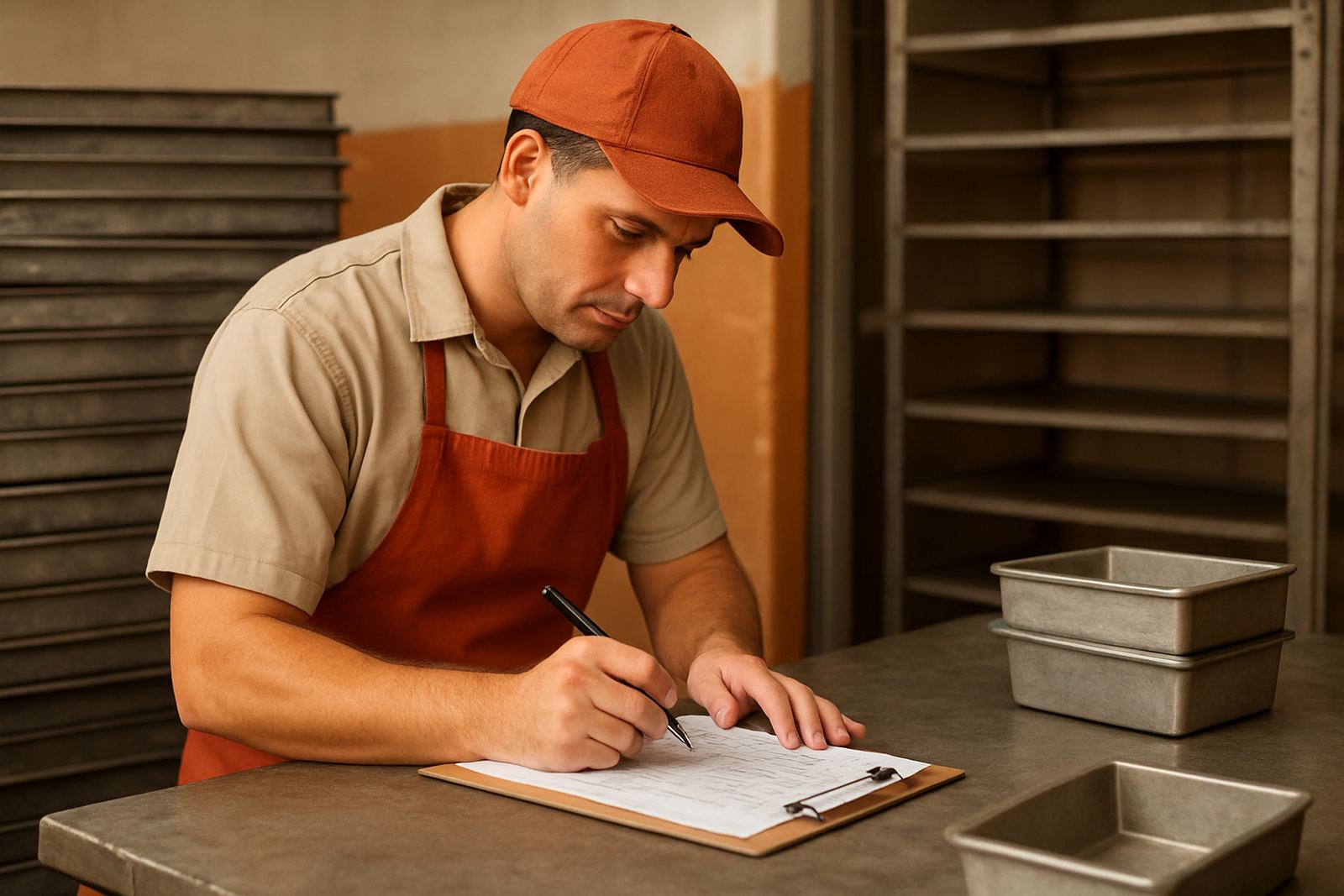
- Record which pans and trays need recoating, so maintenance does not get delayed
Recoating, Repairs and Service Life
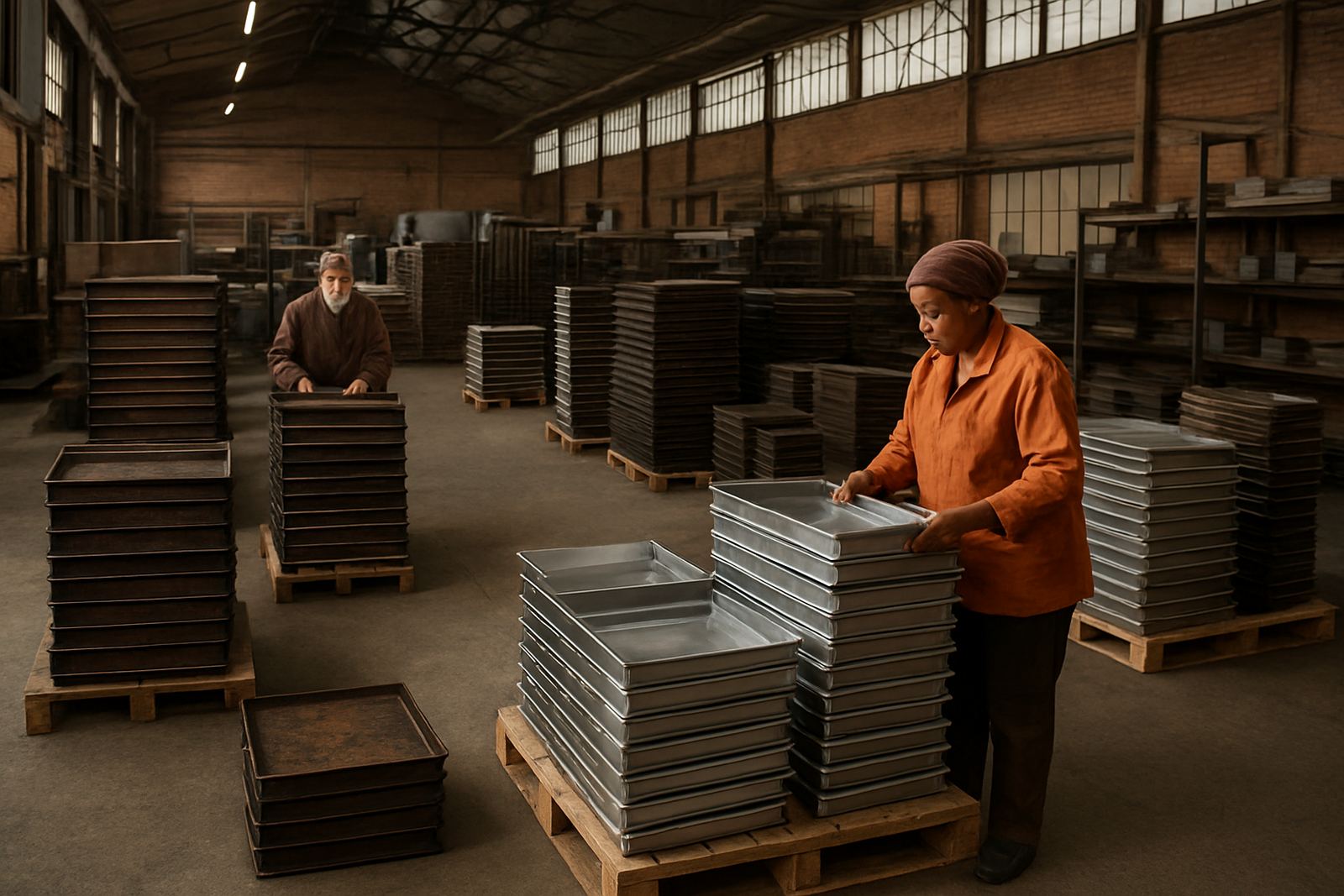
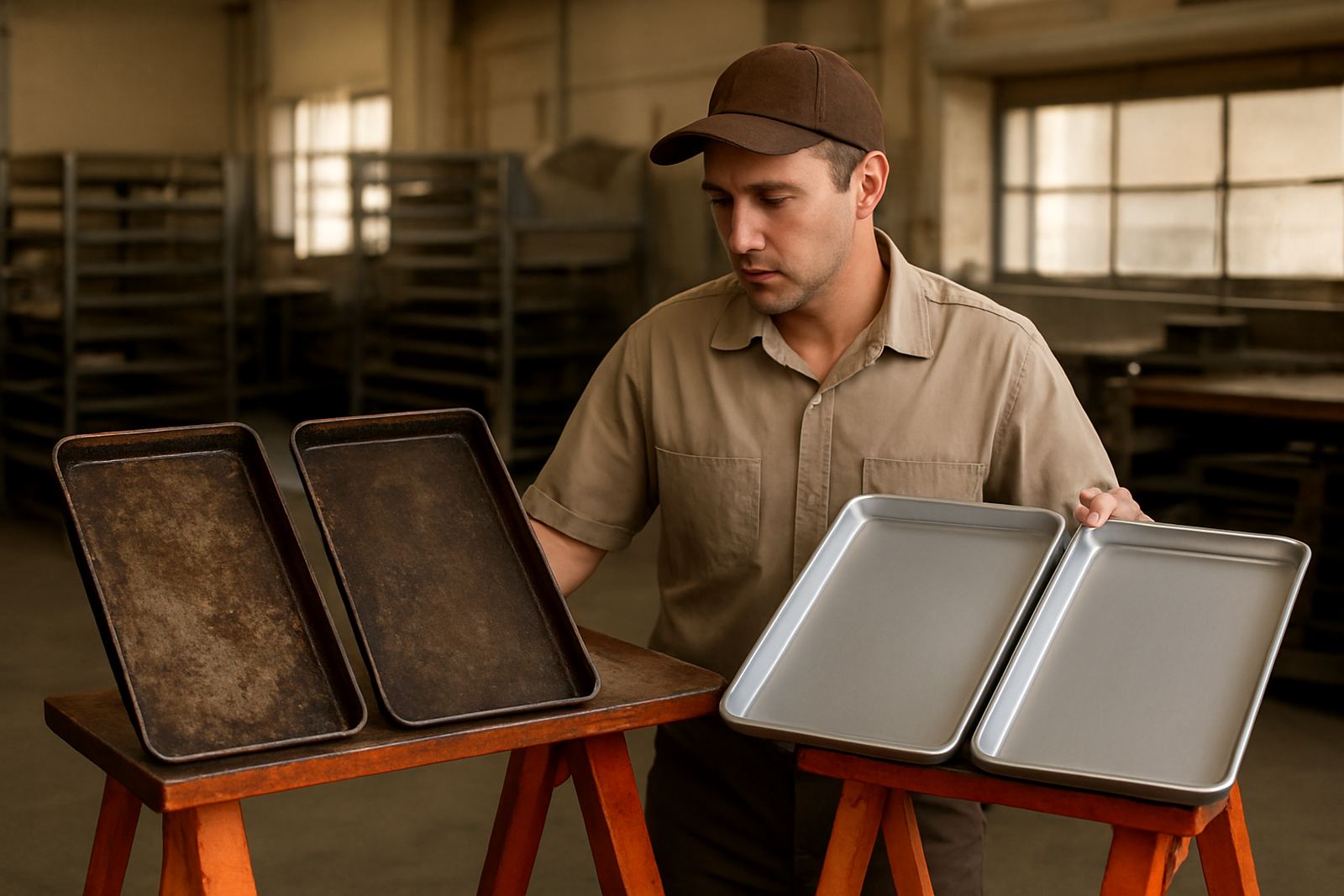
Good bakeware should not be treated as disposable. With the right service work, many pans and trays can return to useful duty instead of being scrapped. Pan recoating and tray recoating help restore performance, while deep cleaning removes build-up that affects release and hygiene. Straightening and repair work is useful after rough handling, transport knocks or repeated thermal stress.
We also support lid repairs and spare lids where the existing set is still worthwhile. That is often the better call for bakeries watching costs, especially where stock must stay in circulation through long production runs and public holidays.
How South African Conditions Affect Bakeware Choice
Local operating conditions matter. In Gauteng, bakeware may face dry air, dust and heavy shift loading. In coastal areas, humidity and salt in the air can affect storage and surface condition. Across the country, municipal water quality and cleaning routines can change how quickly residue builds up. A practical spec takes all of that into account.
We supply plant bakeries nationally from Westmead, Pinetown, with support for Durban, New Germany, Upper Highway and wider KwaZulu-Natal. The aim is to keep bakeware working for as long as it should, not just until the next breakdown. That means choosing the right item at the start, then maintaining it properly with the right service intervals.
Using the Guides on This Hub
This hub gives buyers and production teams a clear route into the product range. The individual guides cover selection, handling and service in more detail, while the listing cards are added separately for quick browsing. Use the guides to compare options, then request the exact item or repair service once the spec is clear.
If you are planning a new line, replacing worn stock or checking whether existing bakeware can be repaired, start with the guide that matches your equipment type. A short review now can save a full production stoppage later.