Built for steady portion control on busy lines
Our muffin pans are steel multi-cup trays made for plant bakeries, hotel kitchens and retail bake rooms that need clean portion control and repeat results. The cups are formed to hold batter evenly, so you get the same fill level from pan to pan and less waste at the mixer and depositor end.
They are used for standard muffins, mini muffins, savoury cheese bakes, individual sponge cakes and similar products. In a commercial setting that means faster counting, neater packing and fewer rejects from misshapen bakes or uneven browning.
- Multi-cup formats for high output work
- Steel body for regular daily use
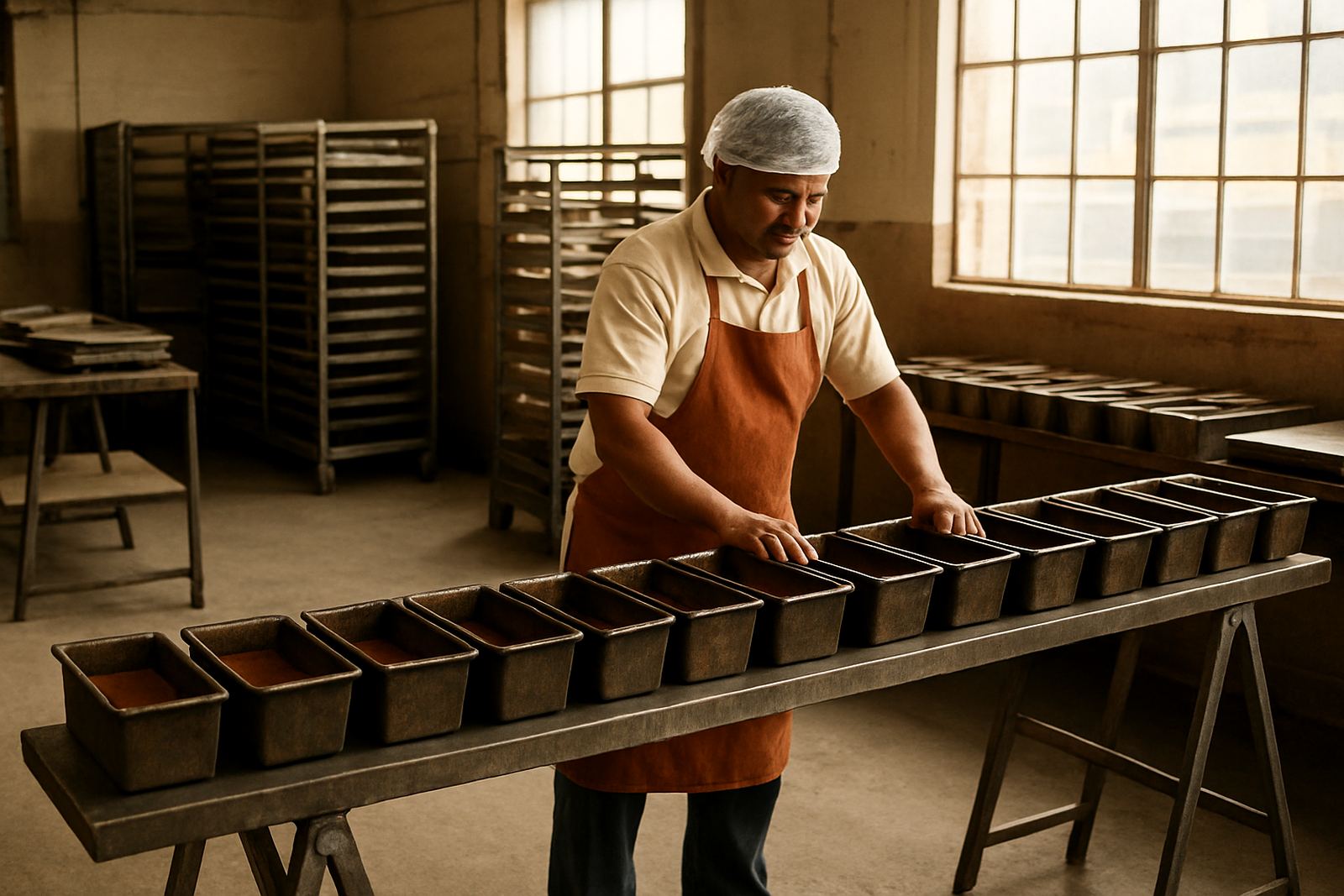
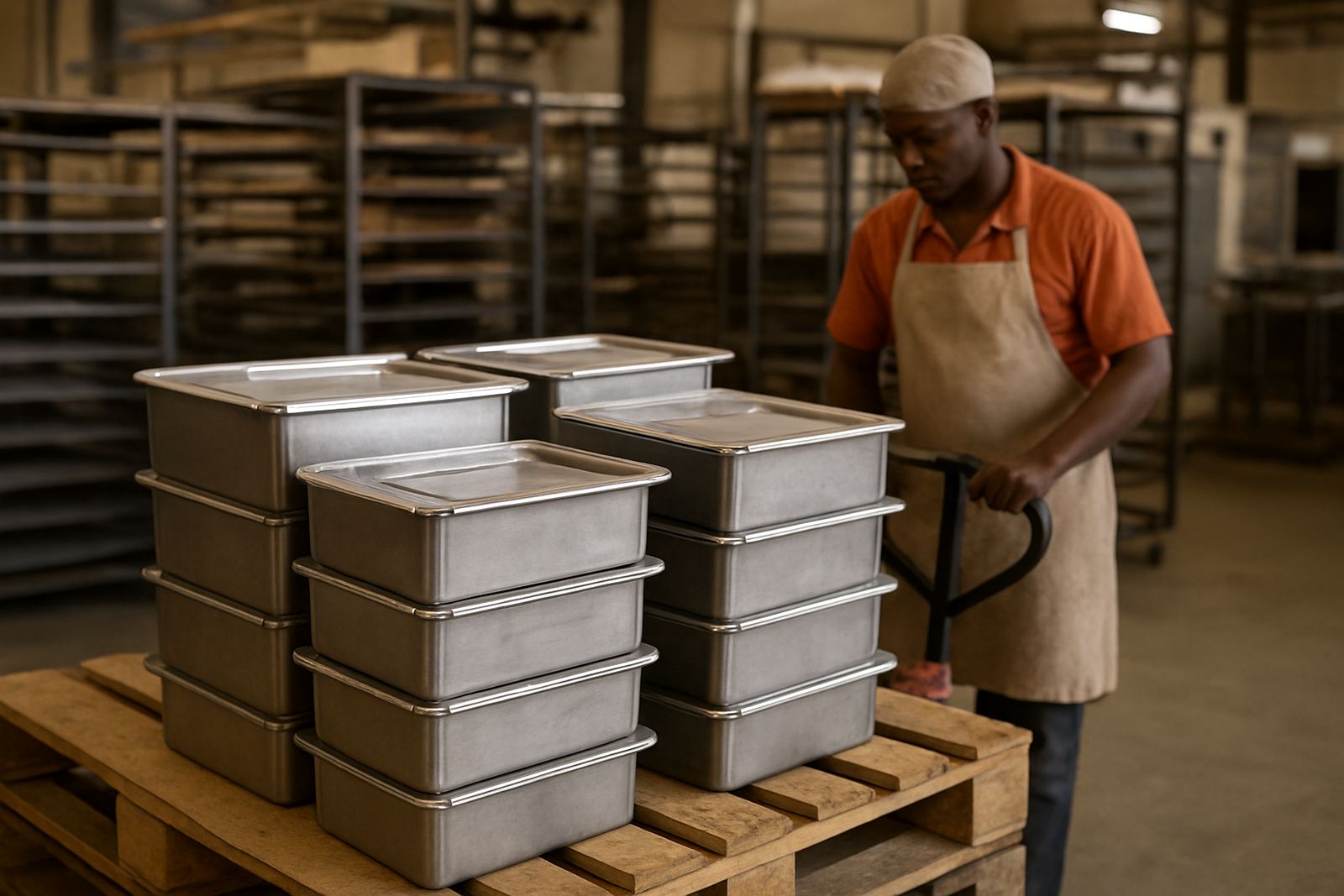
- Made for tray handling, stacking and oven loading
- Suitable for batch baking and line production
Sizes, cup counts and tray formats available
Bakeries do not all run the same portion, so we make muffin pans in common cup counts and can quote on custom patterns too. Cup size, spacing and overall tray size can be set up to match your oven racks, depositor head, and packing method. If you are moving pans through a plant bakery in Durban or inland to Gauteng, correct sizing helps keep the workflow neat and reduces handling damage.
Typical options include standard muffin cups, mini cups and special layouts for longer or wider lines. We can also assist where a customer wants a deeper cup for taller muffins, or a lighter tray for quicker heat response. For custom work, send the cup count, finished product weight and the inside dimensions you need.
- Standard cup counts for everyday muffin production
- Mini cup layouts for smaller portion lines
- Custom tray sizes for specific oven racks
- Custom cup spacing for depositor and divider settings
Where muffin pans work best
These pans suit operations that need regular output and consistent presentation. Plant bakeries use them for daily muffin runs, hotels use them for breakfast service and banqueting, while retailers use them for packed bakery shelves where every item needs to look the same. They also suit school feeding kitchens and contract caterers that run early-morning bake cycles.
Because the pans are steel, they hold up well in high-turnover bakeries where pans are stacked, moved and washed many times a week. In coastal areas like Pinetown, Durban and other KZN towns, care is still needed against moisture and long soaking, but the pans remain practical for commercial use when handled properly.
- Plant bakeries with fixed muffin or cake lines
- Hotels and banqueting kitchens
- Retail bakeries and in-store production
- Contract caterers and institutional kitchens
Oven fit, heat source and setup checks
Muffin pans do not need special power or gas connections of their own. They are loaded into your existing oven system, whether that is gas-fired, electric or another commercial baking setup. What matters is that the tray size matches the rack spacing, the oven deck or trolley clearance and the type of heat circulation in the oven. If the pan is too wide or too deep, operators end up forcing it in and that leads to bent corners or hot spots.
Before ordering, check the tray dimensions, the overall height of the cups and whether you need lip handles, straight edges or reinforced corners. If your bakery works during load shedding, the right pan size also helps when switching between backup power and normal production because you can keep the same batch pattern without reworking the recipe.
- No separate power or gas requirement
- Must suit oven rack, trolley and deck spacing
- Check cup depth against batter rise
- Confirm loading method for manual or trolley systems
Care, recoating and repairs that extend service life
With good handling, muffin pans give long service. The main issues we see are worn non-stick surfaces, bent tray edges, corner damage and cup distortion from rough stacking. Regular cleaning is important, but so is avoiding hard scraping with metal tools. Let the pans cool before washing and do not leave them to soak overnight, especially in humid coastal conditions.
We also offer pan recoating, tray recoating, pan straightening, corner repairs, rim repairs, lid repairs and weld repairs where needed. If a tray is still sound but the surface is tired, recoating can help restore release and reduce product sticking. If the tray has taken a knock, we can look at straightening or repairs before replacement is considered. A quick deep clean now and then can also help spot cracks early.
- Wash and dry fully after use
- Avoid metal scrapers and sharp knives
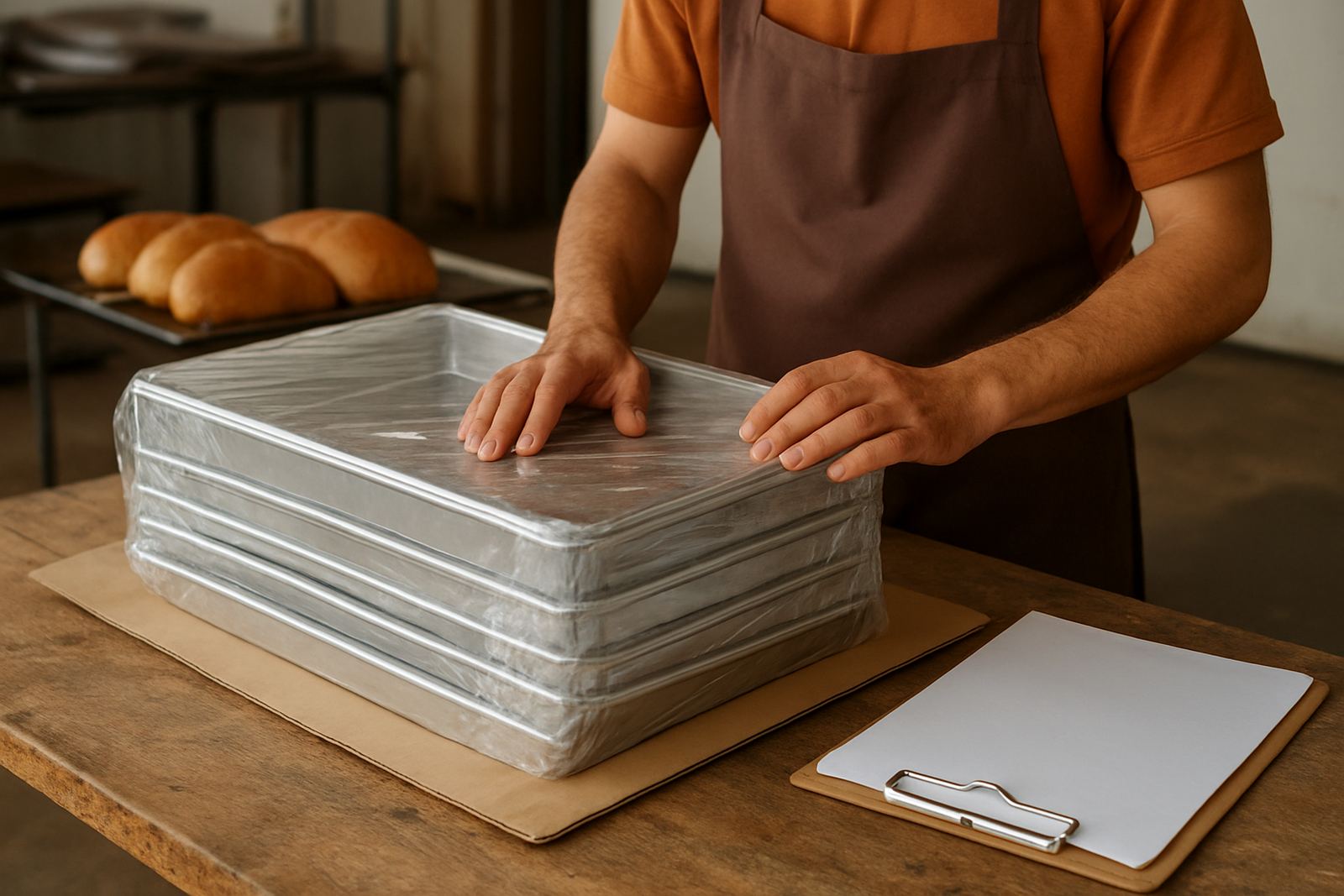
- Store flat where possible to prevent twisting
- Use recoating when the release surface starts to fail
What to check before placing an order
When ordering muffin pans, give us the finished product size, cup count, batter weight and the oven type you use. It helps to know whether the tray must fit a rack, trolley or deck oven, and whether you need standard muffins or a smaller mini format. If your line is serving multiple sites, tell us which branch is using the pans so we can keep the spec consistent across orders.
We also ask customers to check how the pans are cleaned, stacked and transported. A pan used in a hotel kitchen has different wear to one running all day in a plant bakery. If you already have old trays, send the measurements and we can compare the worn parts against the working spec before making or repairing new ones. It saves time and avoids getting the wrong fit.
- Finished product weight and cup fill size
- Overall tray dimensions and cup count
- Oven type and rack or trolley size
- Current issues such as sticking, warping or cracked welds
Key facts
| Product type | Steel muffin pans for commercial bake production |
|---|---|
| Cup formats | Standard muffin, mini muffin and custom layouts |
| Material | Commercial steel construction |
| Common uses | Muffins, mini cakes, savoury portions and similar bakes |
| Service options | Pan recoating, straightening, corner repairs and weld repairs |
| Base and supply area | Westmead, Pinetown, supplying plant bakeries nationally |