Hotel pastry work asks for a different rhythm
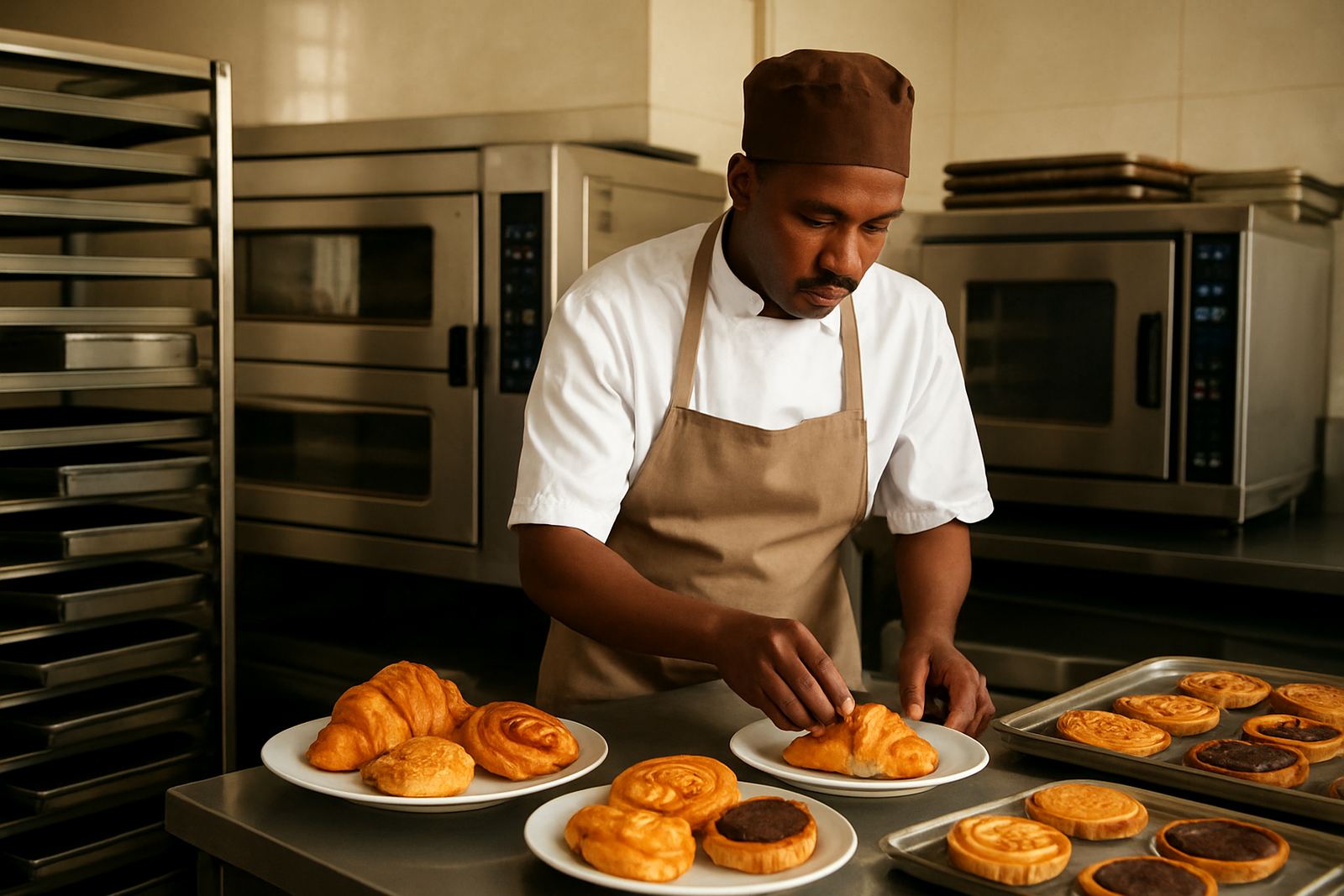
A hotel kitchen is judged on breakfast rush, conference tea breaks, banqueting turns and late-night room service, all from the same prep area. That means the pastry team often bakes in smaller runs, with more variety and less floor space than a plant bakery. You may only need a few trays of Danish, scones, buns or dessert bases at a time, but they must land in the oven ready and come out looking the same every round.
In a full bread plant, the focus is volume and repetition. In a hotel, the issue is flexibility. One morning the team is baking croissants for 120 guests, the next they are turning out savoury tart shells for a conference lunch and mini rolls for a wedding. The bakeware has to handle those switches without slowing the kitchen down.
The tray and pan sizes that keep service moving
Hotel pastry kitchens usually do better with a practical mix of standardised trays, bread pans and custom inserts rather than a wide pile of odd sizes. If the team can fit cleanly onto the oven deck or into trolley ovens, there is less handling and fewer hot pans being shifted around during service. That matters when staff are working around loaders, dishwashers and waiters in narrow back corridors.
- Small trays for pastry portions, savoury items and dessert bases
- Bread pans for rolls, mini loaves and buffet items
- Shallow trays for flat bakes that need even colour
- Custom trays for hotel signature items and plated dessert work
For coastal hotels in Durban, Umhlanga or Ballito, humidity can soften stored dough and slow drying between turns. In those kitchens, pans and trays need to be kept clean and dry, and the finish on the metal should not trap moisture or residue.
Why oven floor tiles matter in hotel kitchens too
Many people link steel oven floor tiles with plant bakeries, but hotel kitchens benefit from them as well. Where the oven floor is uneven, worn or slow to recover heat, bakes can colour badly on one side and stay pale on the other. A pastry section cannot afford that when guests are paying for a plated dessert or a breakfast buffet that must look tidy at 07h00.
BAKERITE in Westmead, Pinetown has spent years making the original Bakerite steel floor tile, and the same practical thinking applies in hotel work. A well-fitted tile gives a flatter baking surface, steadier heat and easier cleaning after sugar spillages, egg wash drips and crumb build-up. In a kitchen where load-shedding has forced changes to service timing, quick heat recovery can make the difference between serving on time or missing a breakfast slot.
Service wear shows up faster in hotels
Hotel bakeware sees a different kind of punishment. It gets carried between prep, proofing, oven and pass all day, then cleaned and stacked for the next service. That constant handling can bend rims, nick corners and loosen lids faster than many teams expect. When that happens, pans start to sit unevenly and finished product suffers. It is small faults that cause the trouble, not one big break.
Instead of replacing everything, many kitchens get better value from maintenance work that keeps the set in use. Straightening, corner repairs, rim repairs and weld repairs can extend the life of trays and pans that are still sound. If a lid is missing or damaged, a spare lid can keep a run going until the full set is sorted.
- Check pans after every service turn for warping
- Separate dented trays before they are sent back into circulation
- Record which items need deep cleaning or recoating
- Keep spare lids and a small reserve of service trays on hand
Recoating and cleaning help with hygiene and colour
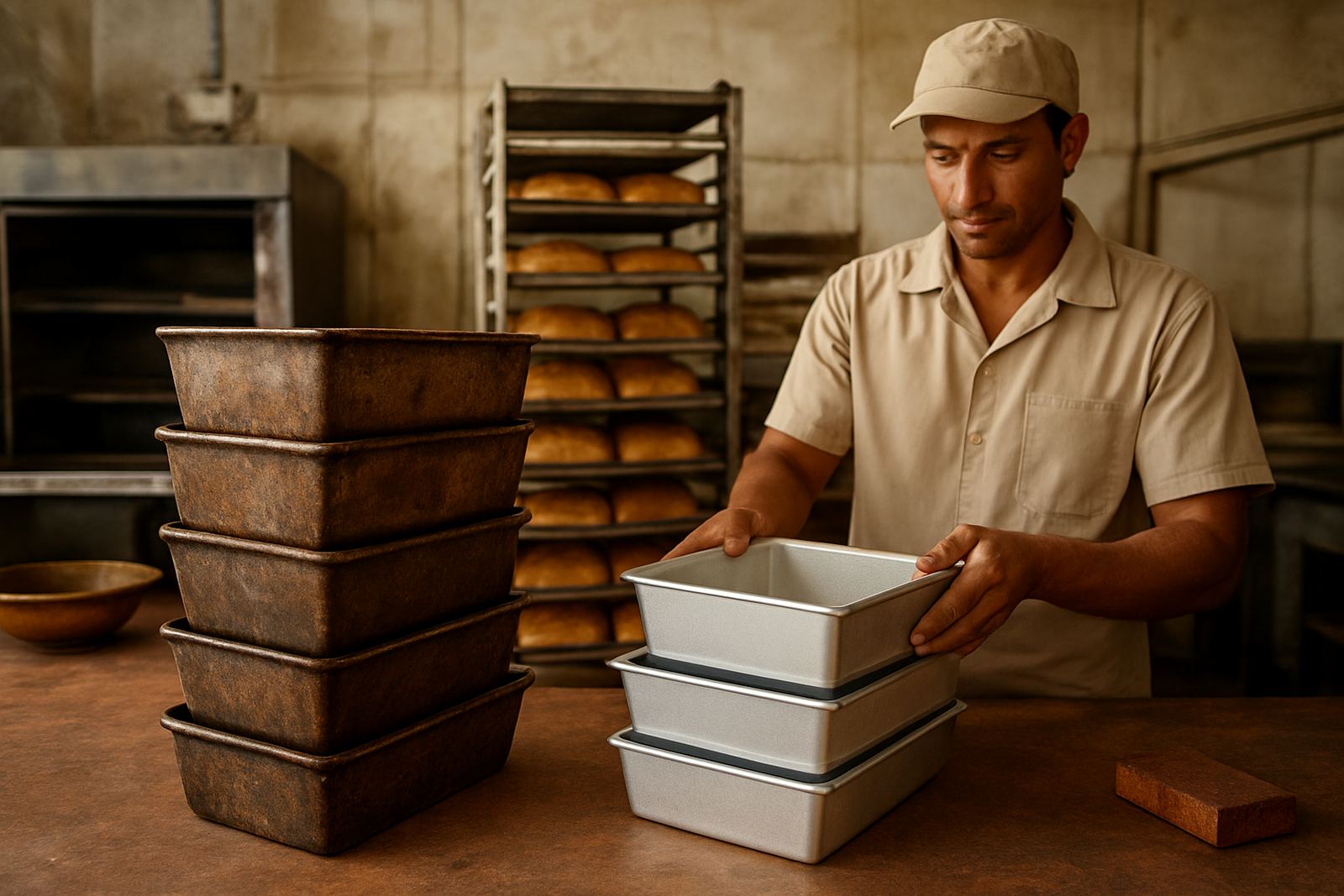
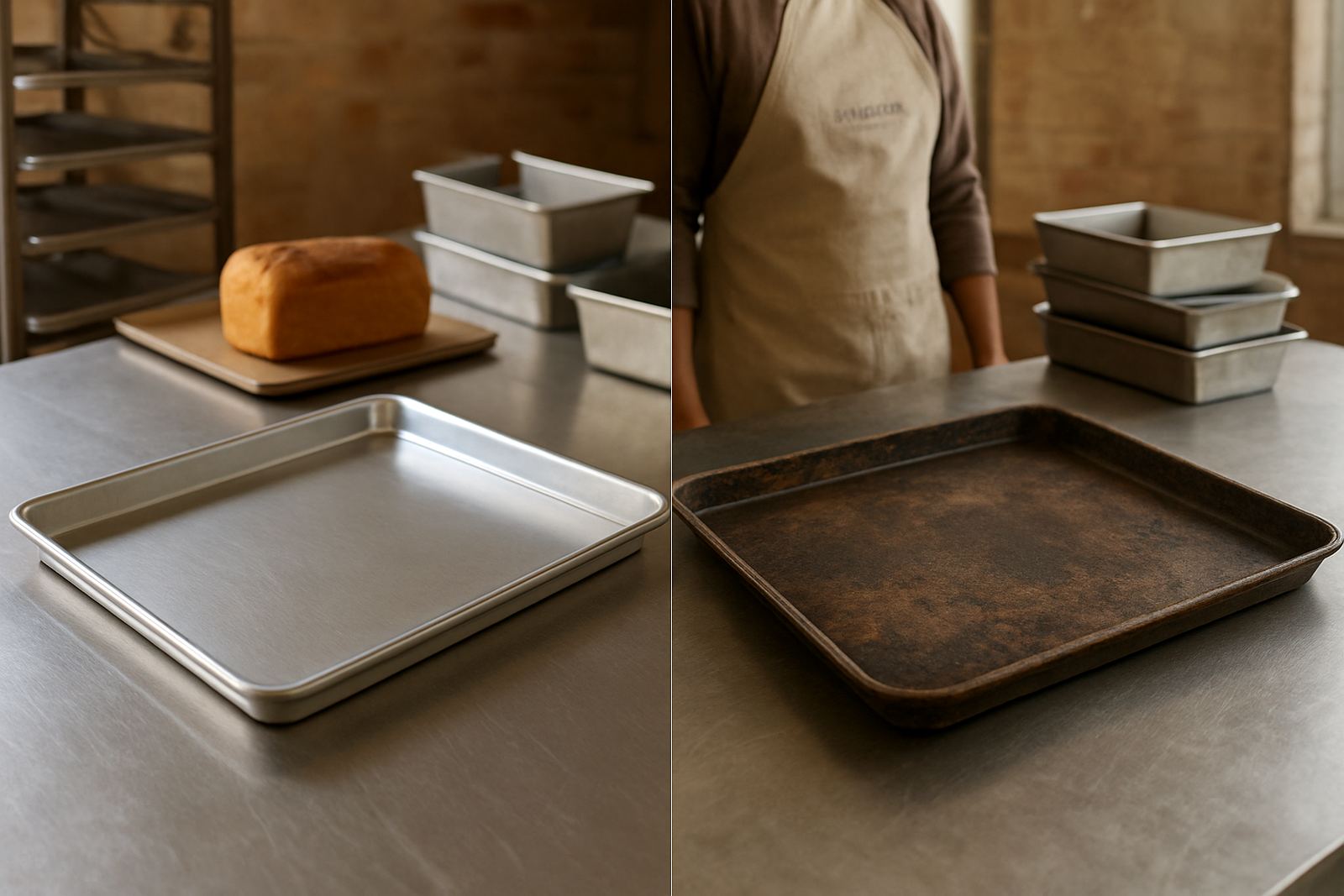
Hotels cannot afford bakeware that carries old grease, burnt sugar or flaking coating into a new service. Not only does it affect flavour, it also creates hygiene complaints and patchy browning. Deep cleaning and recoating help the team reset tired pans without throwing away good steel. That is useful for hotel groups and independent properties alike, especially where budgets are tight and every item in the store room has a job.
In practice, the best time to inspect bakeware is during quieter weeks, not after a complaint. A proper fleet assessment can show which items need tray recoating, pan recoating or a full repair job. At BAKERITE, the service team works from the Westmead base and supplies kitchens across KwaZulu-Natal and further afield, so hotels in Durban, New Germany, the Upper Highway and inland towns can plan maintenance without sending everything far from site.
A practical example from a busy Durban hotel
Think of a hotel near the Durban beachfront with 180 rooms, two conference spaces and weekend weddings. The pastry section might start before dawn with scones and breakfast muffins, then switch to sandwich rolls, tart bases and plated desserts by lunchtime. On a busy Saturday the same oven might have to handle function desserts and room service items after dark. If the trays are bent, the pans are uneven or the oven floor is worn, the team spends more time fixing problems than baking.
That is why hotel managers should think about bakeware as working equipment, not just store stock. The right tray set, the right floor tiles and a plan for recoating or repair can keep the section steady through peak season and school holidays. For bakeries attached to hotels, the difference shows up in fewer re-bakes, cleaner presentation and less waste.
Since 1997, BAKERITE at Hillclimb Rd, Westmead, Pinetown has supplied industrial bakeware for plant bakeries, retailers and hotels, with Sibusiso Ntuli and the team keeping the work grounded in practical kitchen use. For hotels, that means a supplier who understands what happens when a tray is pulled hot at 03h30 and must be ready again by breakfast. It is simple enough: if the bakeware holds shape, the kitchen can hold service.