What the bakery needed from the upgrade
The bakery was running a high volume bun line from a site in Pinetown, supplying daily trade into retail and food service. The old tray set was serviceable but the loading pattern was uneven, the bake colour was not always consistent across the deck, and the handling team was wasting time shuffling trays between proving, baking and cooling. They wanted a practical fix that would suit an existing oven and the same shift pattern, not a full line replacement.
We started with the basics. Tray fit, oven floor size, handling clearances and the number of pans per run. The client also had to factor in local power interruptions and production catch up after load-shedding, so the new tray plan had to be easy to reset by the shift team. The brief was simple: improve air movement, keep the buns more even, and get better use out of the oven without pushing the staff harder.
- Client type: plant bakery supplying buns to trade
- Town: Pinetown, KwaZulu-Natal
- Line issue: uneven bake, slow tray changeovers, inconsistent tray count
- Goal: better output with the same oven and shift crew
Tray counts, spacing and perforation choices
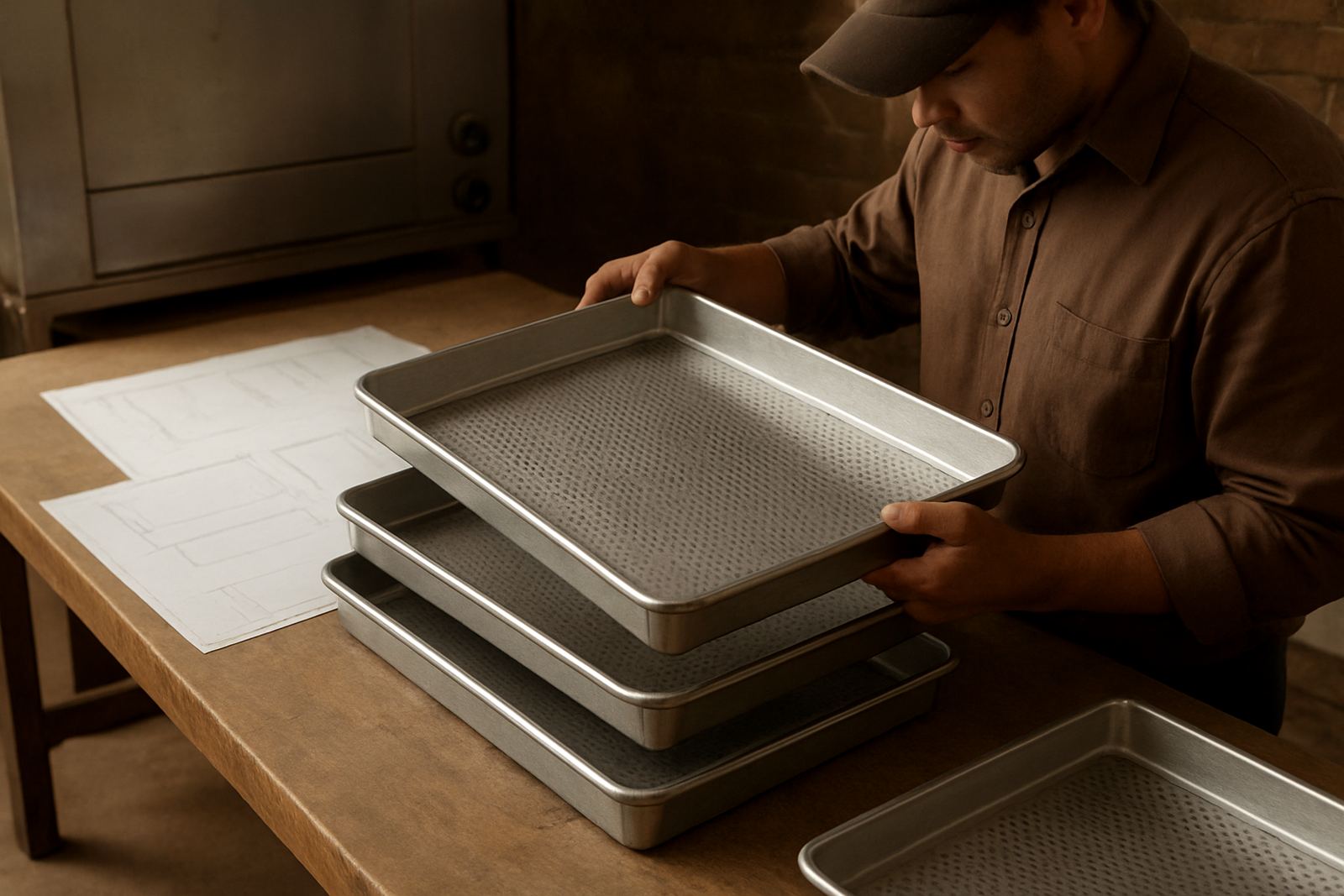
We mapped the old bake schedule and worked out where the line was losing time. In this case the problem was not one single part, it was the combination of tray loading, spacing and handling flow. The new set used perforated trays to improve heat movement around the base of the bun, while the tray count was revised so each cycle matched the oven and the cooling chain properly.
Perforation size matters. Too open and the product can dry too quickly, too closed and you dont get the benefit. We set the tray pattern to allow airflow without compromising support on soft dough pieces. The tray edges and stiffening were also checked so they would hold shape under repeated loading, because bun lines can rack trays quite quickly when they are worked hard on a busy plant floor.
- Perforated tray format for better base colour and more even bake
- Revised tray count to suit oven capacity and handling speed
- Tray spacing adjusted to reduce sticking and mark-off
- Stiffened frames for repeated daily use
What we supplied and how we built it
We supplied new perforated trays in a size matched to the bakerys existing handling system, then checked the stack height and turn around so they would slot into the current process. The trays were made from steel suited to repeated plant use, with attention to flatness, corner condition and consistent hole pattern. That matters in a humid coastal area like Pinetown where trays can lose shape or pick up surface wear faster than expected if they are not built properly.
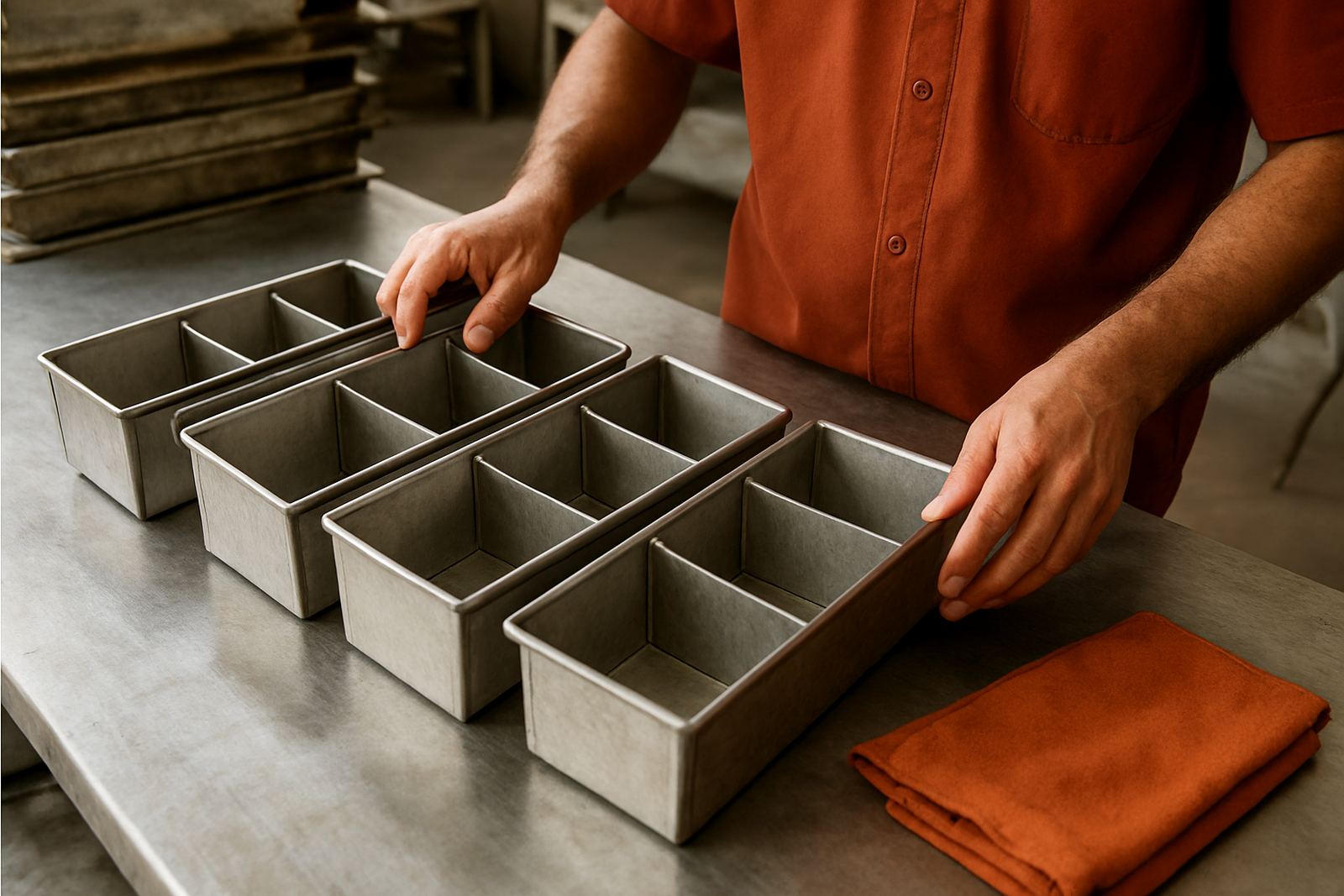
We also reviewed the old trays that could still be used and separated them from the ones that needed repair or retirement. In a line like this, saving a usable tray is worth doing where possible, but only if it will not create a problem later. The client had some older units with rim wear and a few with minor twist, so we recommended a mix of replacement and fleet review rather than forcing every tray into the same spec.
- New perforated trays for the bun line
- Check of existing trays for reuse, repair or removal
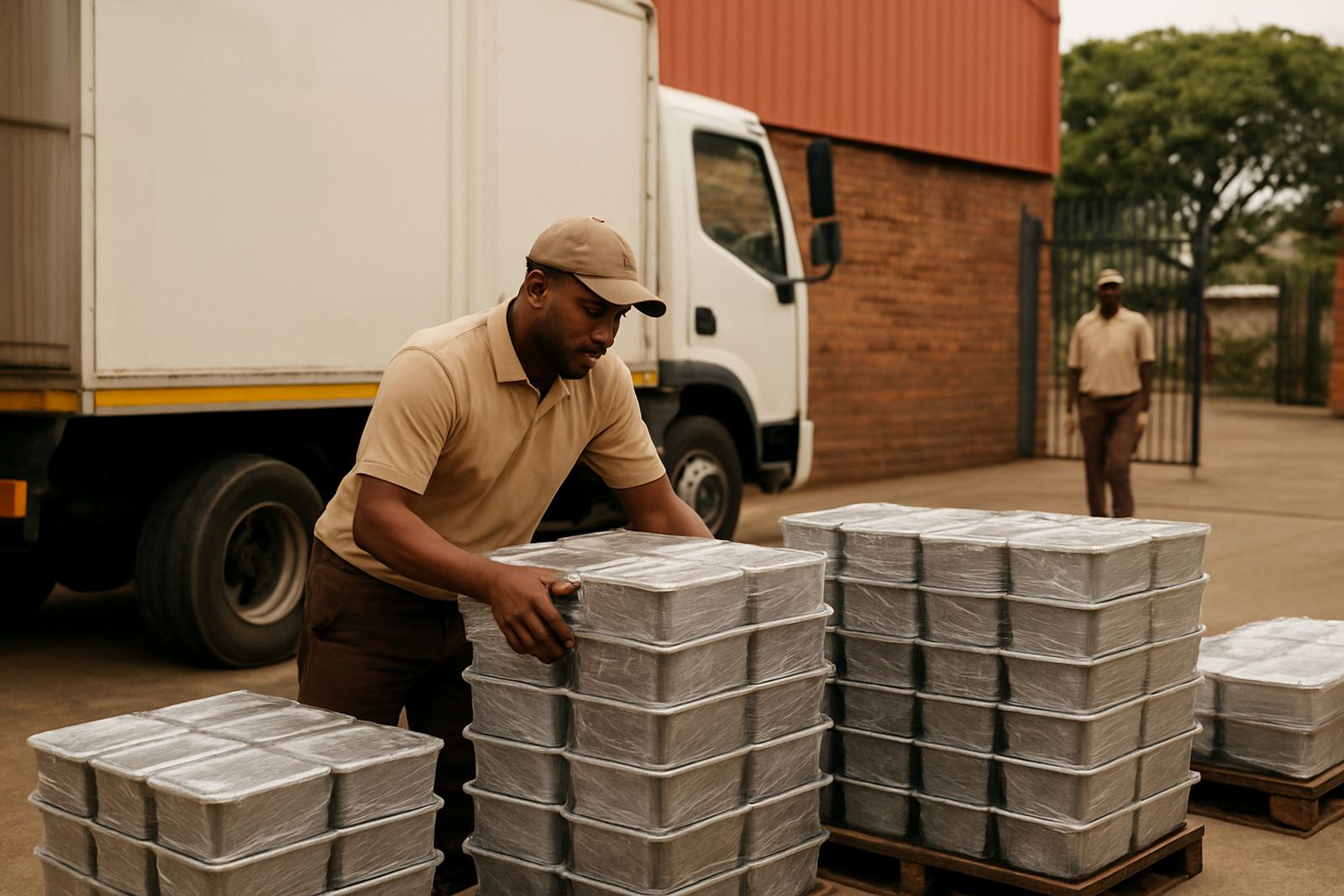
- Stack and handling review for the production team
- Surface and edge inspection before release
Two week turnaround from measure up to run test
The project moved in a tight two week window. Week one was measure up, tray count confirmation and final sign off on the perforation layout. Week two covered fabrication, finishing and fit checks before the trays went into production. We kept the client updated through the process so there were no surprises when the line came back into service.
That timeline worked because the bakery could not afford a long shutdown. The team needed the upgrade done around live production and stock commitments, so the work was scheduled around their shift pattern. We also allowed for a short test run after delivery, which is usually where small issues show up if a tray stack is not quite right. In this case the first run was clean, with only minor adjustment needed to the way the trays were loaded on return.
- Week 1: site measure, tray count review, final approval
- Week 2: fabrication, finishing, delivery and test run
- Short check after first bake to confirm handling and fit
- Minimal interruption to the bakerys daily supply
Results on the floor after the change
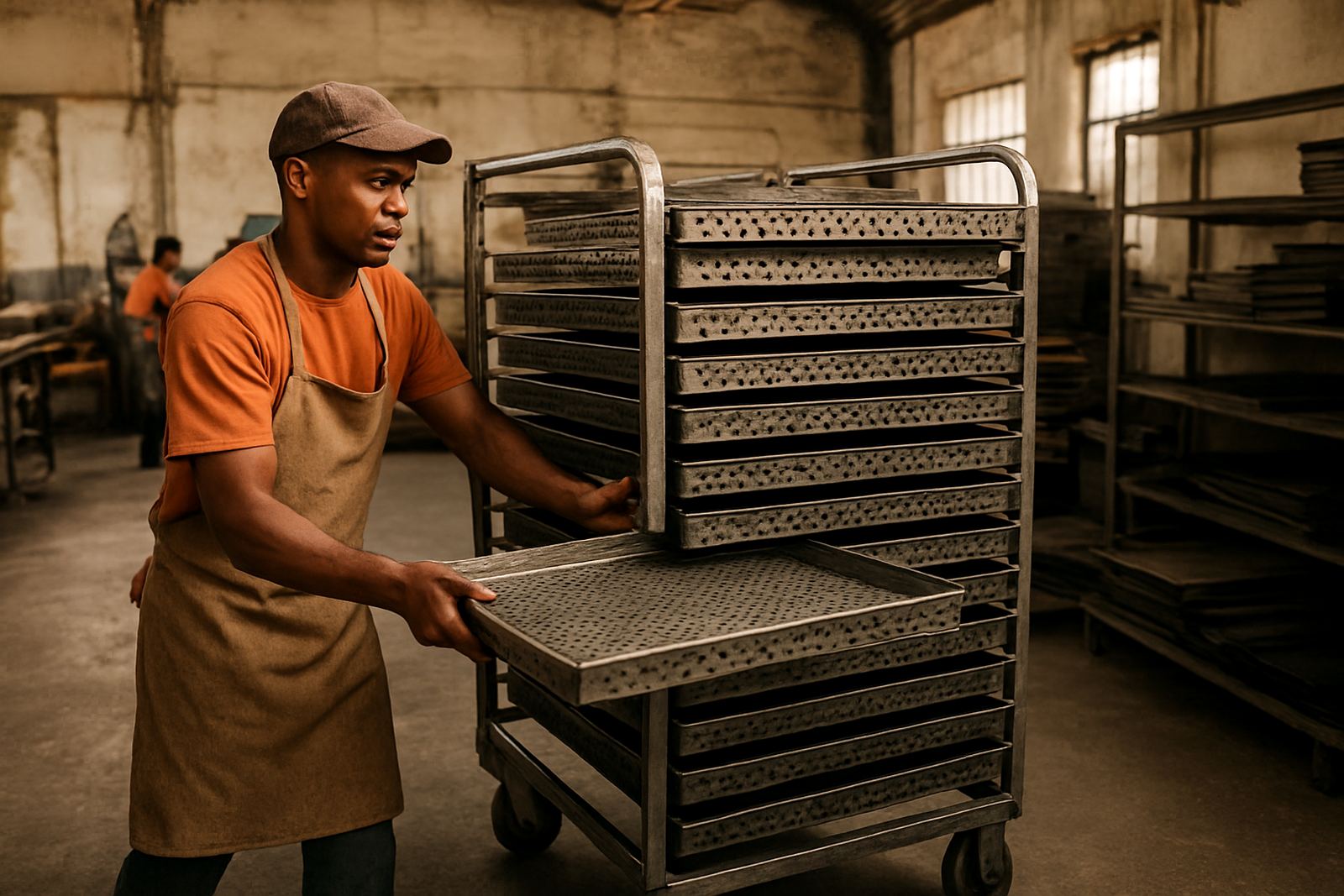
The bakery reported steadier bake colour across the buns and less time spent turning trays or reworking awkward loads. The revised tray count also made the shift handover easier, because the team knew exactly what should be in each run and could get straight back onto the line after a power cut or any other stoppage. That kind of order saves time every day.
The other gain was handling. With the new tray layout, staff were not fighting the stack as much, and that reduced damage to tray corners and rims. Over time, that usually means less straightening and fewer callouts for repair. We expected the tray set to stay in better shape because the load was more balanced from the start, not hanging on one side or being overloaded at the edges.
- More even colour on the bun base
- Less handling time between stages
- Clearer tray counts for shift control
- Lower wear on corners and rims
What we would do again for a similar line
If we were starting the same kind of upgrade again, we would do the measure up early, before stock pressure builds. That gives more room to test tray spacing and decide whether a partial fleet refresh makes more sense than replacing everything. For busy bakeries in Durban, Pinetown or along the Upper Highway, that approach is often the best value because it keeps the oven running and avoids changing too many variables at once.
We would also recommend a scheduled tray check every few months, especially where there is coastal humidity, heavy washdown or a lot of short notice overtime. Small faults like rim damage or a bent corner can spread fast once a tray set is in daily use. Catching that early keeps the line tidy and makes it easier to hold product quality during busy periods and load-shedding recovery.
- Measure the oven and handling path first
- Set tray counts around the real shift rhythm
- Check existing trays for repairable wear before replacement
- Plan a simple inspection cycle after rollout
Key facts
| Project | Pinetown bun line upgrade |
|---|---|
| Location | Pinetown, KwaZulu-Natal |
| Client type | Plant bakery |
| Supply | New perforated trays and revised tray counts |
| Turnaround | 2 weeks |
| Outcome | Improved bake evenness and faster tray handling |