Weld repairs for bakeware that still has life in it
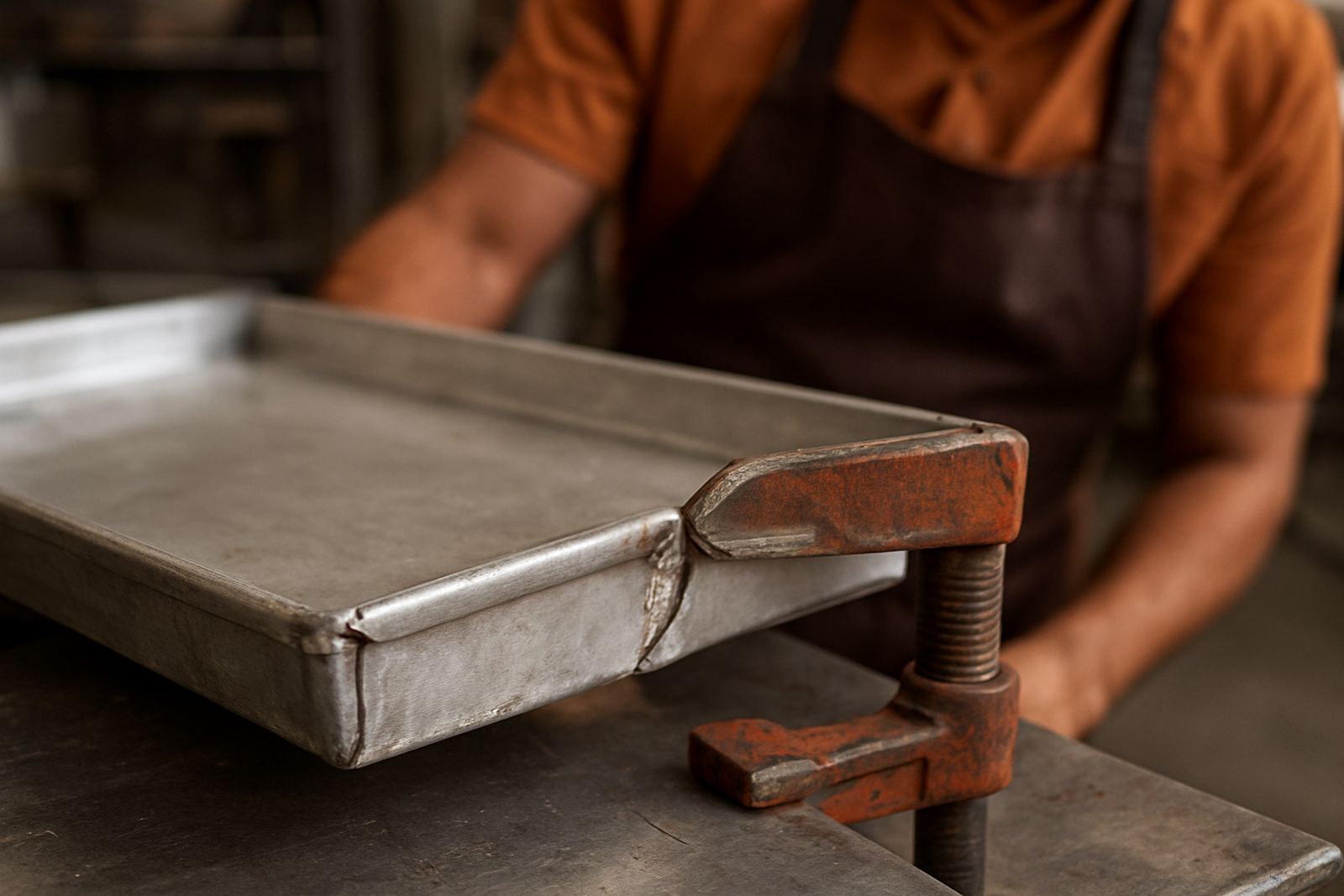
Not every damaged pan or tray needs to be scrapped. If the base metal is still sound, weld repairs can put it back into service and save on replacement costs. We repair cracked corners, split seams, handle breaks, support tabs, stiffener points and other stress damage on industrial bakeware used in plant bakeries, hotels and retail baking rooms.
Our workshop work is practical and centred on steel bakeware. We know where repeated heating, cooling and cleaning cycles start to pull metal apart, especially on pans that run through long shifts or sit in humid stores near the coast. A good repair is not only about closing a crack, it is about restoring the shape so the item can stack, bake and move through the line properly.
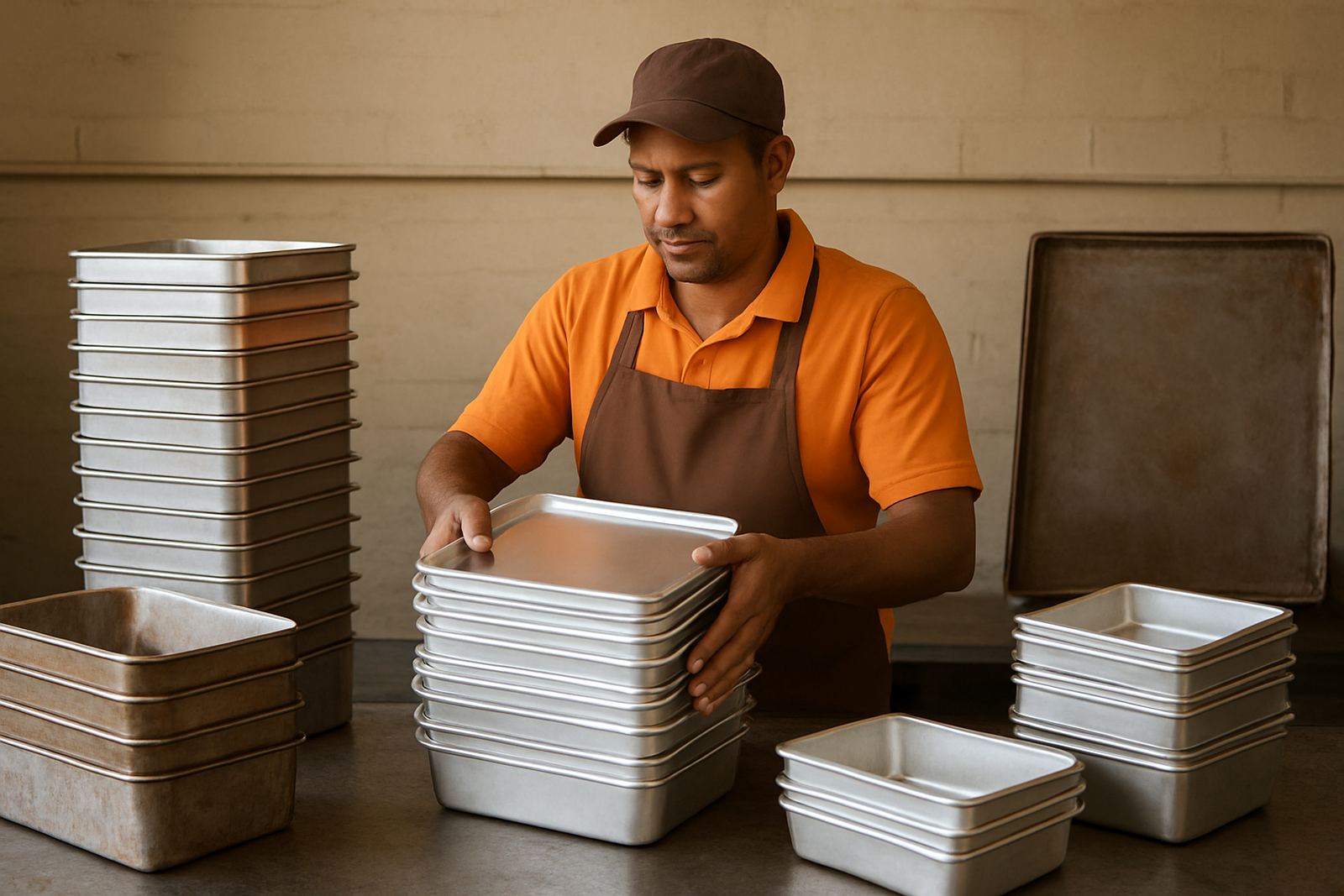
We work on single items and ongoing repair batches. If you have a mix of cracked bread pans, twisted trays and a few pieces with broken welds, we can sort them by condition and advise what is worth repairing and what should be replaced.
What is included in a weld repair job
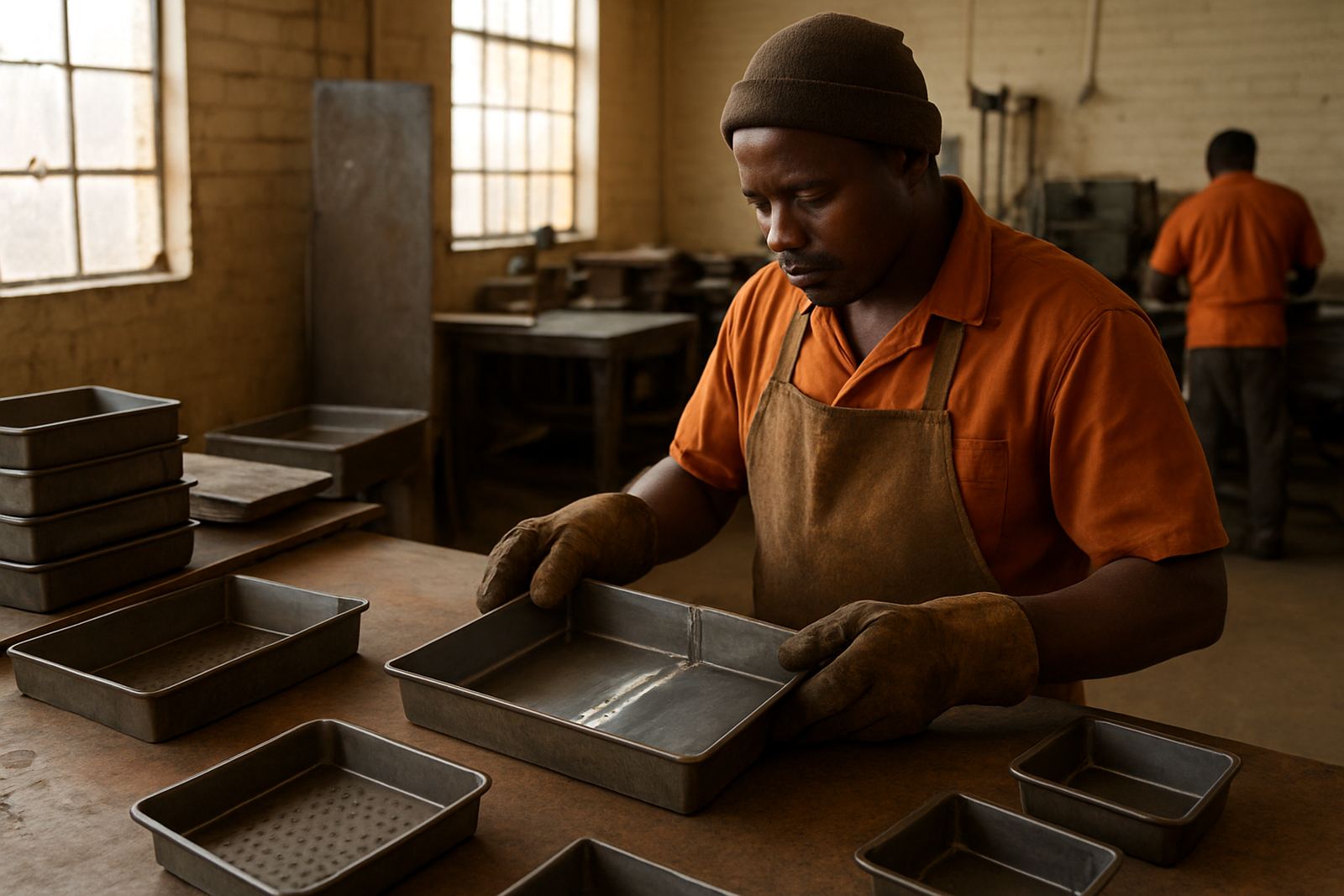
Each repair starts with inspection and marking of the damaged area. We then clean the metal back to sound material, prepare the joint and carry out the weld repair using the right method for the item and the thickness of the steel. After that, the repaired section is dressed and checked so it will sit straight in the stack or on the oven rack.
- Cracked corner joints on bread pans and trays
- Broken handles, lifting lugs and grip points
- Split support brackets and stiffener points
- Small frame cracks caused by repeated loading
- Weld touch-ups on separated seams
- Repair of damaged fixing points where parts have pulled away
If the item has more than one problem, we can combine weld repairs with straightening, rim work or minor re-alignment. That helps reduce handling time and keeps the full set working to the same size and shape.
How we handle the repair process
We keep the process plain and easy to follow. For regular customers in Durban, Pinetown, New Germany and the Upper Highway areas, damaged bakeware is often collected with other scheduled service work. National customers can send items in by arrangement. Once the pieces reach our workshop, they are logged and assessed before any repair is started.
- Inspection of cracks, bends and loose points
- Confirmation of repairability and any extra work needed
- Cleaning, preparation and weld repair
- Alignment check and final dressing
- Return inspection before collection or dispatch
We do not simply patch over damage. The repaired area must hold under heat, movement and stacking. If a tray or pan has heat fatigue across several points, we will say so upfront rather than carrying out a repair that wont last.
Typical turnaround and what affects it
Turnaround depends on the number of pieces, the size of the damage and whether the metal needs extra straightening after the weld is done. Small batches can often be moved through quite quickly, while larger plant bakery jobs are scheduled into production so the work is done without rushing. During peak demand periods, especially when customers are recovering from load-shedding related production backlogs, timings may shift a little.
For many routine repairs, the process is measured in working days rather than weeks, provided the item is repairable and the batch is complete when it arrives. If there are custom trays or older pans with unusual sizes, we check the pattern first so the repair does not affect fit in the oven or on the rack.
- Single items: quickest to process once inspected
- Small repair batches: ideal for planned maintenance stops
- Large plant bakery batches: scheduled with collection or dispatch plans
- Urgent breakdown pieces: assessed for priority where workshop flow allows
Pricing approach that suits repair, not scrap
We price weld repairs based on the amount of damage, the type of item and the labour needed to restore it properly. A small crack at a corner costs less to sort out than a broken handle on a warped pan that needs prep, welding and re-alignment. We are careful not to overstate repair value when replacement makes more sense.
For customers managing large fleets, we can assess a run of damaged items together and separate them into repair, monitor and replace categories. That makes budgeting easier and avoids throwing away equipment that still has useful service left in it. If a batch has mixed condition, we will quote accordingly and point out which pieces need more attention due to repeated stress or older metal.
Because bakeware often works in high heat and frequent wash cycles, it is worth tracking the cost of repeated repairs against the cost of new production. In some cases, planned repair cycles are the most economical way to keep the line moving.
Keeping repaired pans and trays in service longer
Once a weld repair has been done, the way the item is handled makes a big difference to how long it lasts. Rough stacking, overloading and dragging trays across steel rails will open up weak points again. Clean, dry storage also matters, especially in coastal areas where moisture can sit on the metal and speed up corrosion.
We suggest routine checks every 3 to 6 months for high-use plant bakery equipment, and sooner if the pans are running through heavy daily shifts. Look for hairline cracks, loose corners, discolouration around old welds and any change in how the item sits on the rack. Catching that early keeps small faults from turning into full breaks.
- Do not overload trays beyond their intended use
- Keep repaired areas free of heavy impact during stacking
- Dry items fully after washing before storage
- Report new cracks quickly so they can be stopped before they spread
Good maintenance means fewer breakdowns and less downtime. That matters when the ovens are already under pressure and a missing pan can hold up the whole run.
Key facts
| Service type | Workshop weld repairs for industrial bakeware |
|---|---|
| Items repaired | Bread pans, trays, lids, handles, supports and related steel parts |
| Typical damage | Cracks, split joints, broken welds, loose points and small frame failures |
| Base | Westmead, Pinetown |
| Supply area | National supply with regular KZN service support |
| Maintenance interval | Inspect high-use items every 3 to 6 months |