Cooling trays made for hot product handling
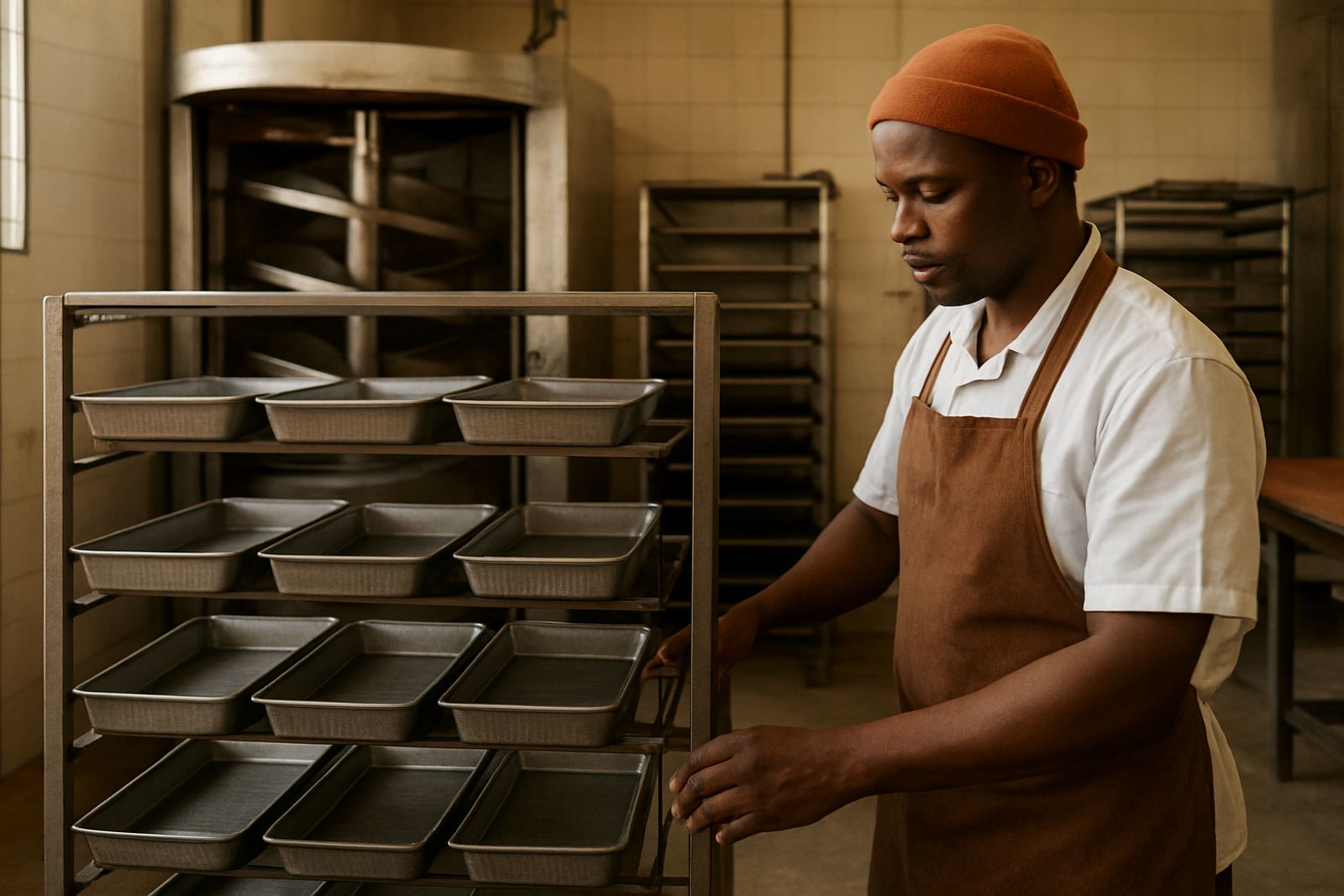
Cooling trays are the holding trays used after baking, when bread rolls, buns, loaves or other baked goods must leave the oven and cool without damage. In a plant bakery, the tray has to carry heat, keep the product flat, and allow air movement so steam can escape. That helps reduce soft bottoms, sweating in packs and stuck product later in the shift.
We make steel cooling trays for daily use in busy bakeries, hotels and food plants. The trays can be matched to the size of your racks, conveyor points or packing tables. Where a bakery already runs on standard pan sizes, we can keep the tray profile close to what staff know, which saves time on the line.
Tray sizes, formats and common build choices
Cooling trays are usually specified around the product size and the rack system in the bakery. Some sites need shallow trays for small rolls, while others need deeper side returns to keep larger loaves and buns from sliding during transfer. The steel thickness and finish also matter, especially in damp coastal stores or where trays are washed often.
- Standard rectangular trays for loaves, buns and rolls
- Perforated or slotted options where extra air flow is needed
- Solid base trays for product that must sit level during transfer
- Corner and edge-reinforced trays for heavier daily handling
- Custom sizes for unique oven tunnels, racks or packing lines
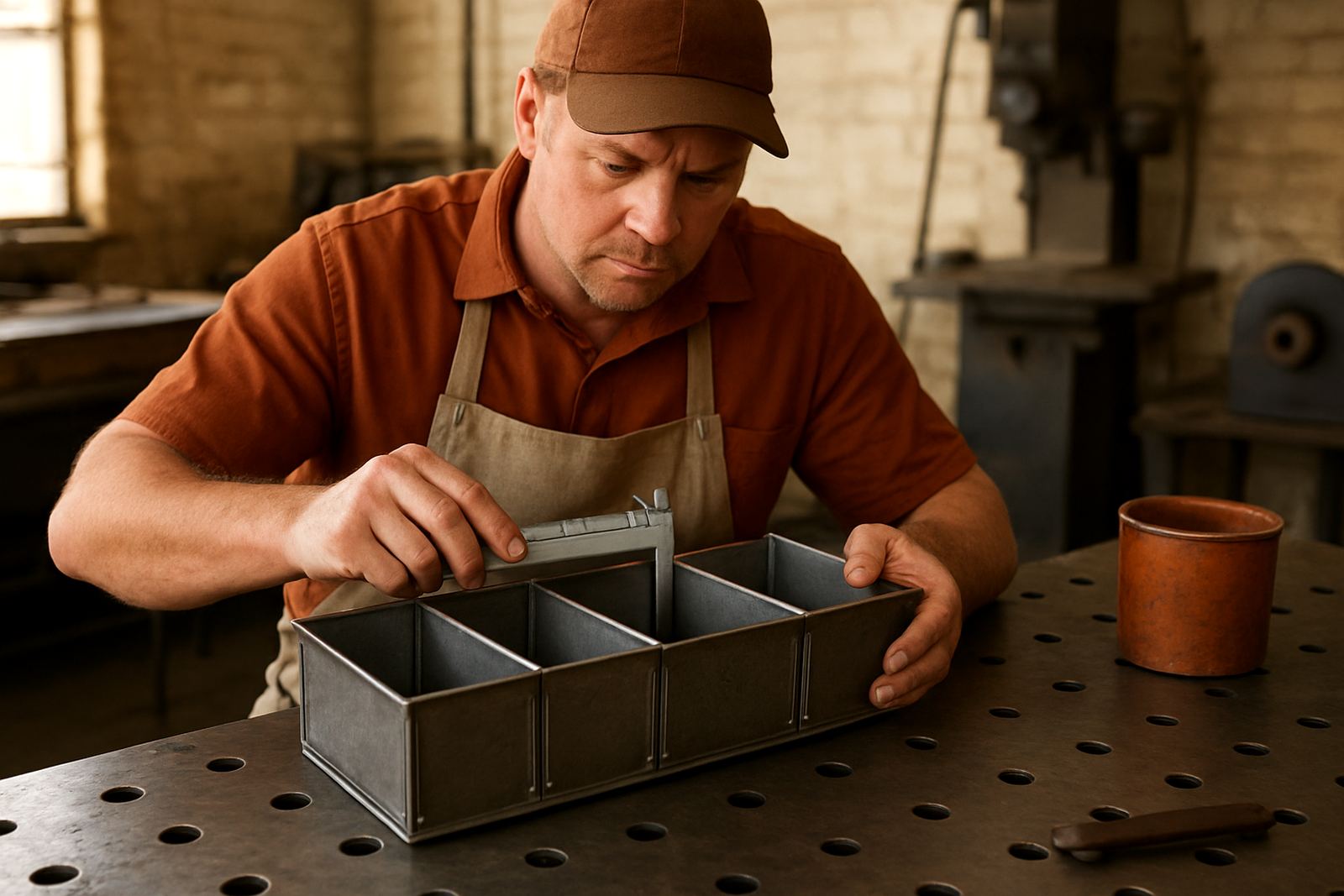
We can also work from an existing sample tray if a bakery needs a replacement or a better fit. In many cases, the correct tray size is chosen by measuring the usable rack space rather than the overall cabinet size, which avoids snagging and wasted movement.
Where cooling trays suit the best
These trays suit operations that need fast, tidy movement from baking to cooling. That includes plant bakeries, supermarket bake-off rooms, hotel kitchens, institutional catering and smaller production sites that bake in batches. If your team works under time pressure, the tray needs to be easy to lift, stack and clean at shift end.
Cooling trays also help where the bakery is dealing with high ambient heat or load-shedding back-up schedules. When production windows are short, trays that hold shape and stack properly keep the line moving. For coastal areas like Durban, humidity can affect cooling speed and surface moisture, so tray design and airflow become important.
- Plant bakeries with daily high-volume output
- Retail bakeries with back-of-house baking rooms
- Hotels, schools and contract caterers
- Sites with mixed batch sizes and frequent changeovers
Installation, utility needs and line fit
Cooling trays do not need electrical, gas or water connections. What matters is the fit into your existing handling system, including oven exits, trolley heights, rack spacing and packing tables. If trays are going onto a conveyor or lift, the lip height and edge profile must not catch during transfer.
On site we normally check where the trays will travel, how far staff carry them, and whether there are any steps or narrow passages in the route. A tray that is too wide or too heavy slows the line and causes damage. The right setup should work with normal bakery movement, not against it.
- No power or gas connection required
- Check rack pitch, tray width and clearance points
- Allow for safe handling with oven gloves and trolleys
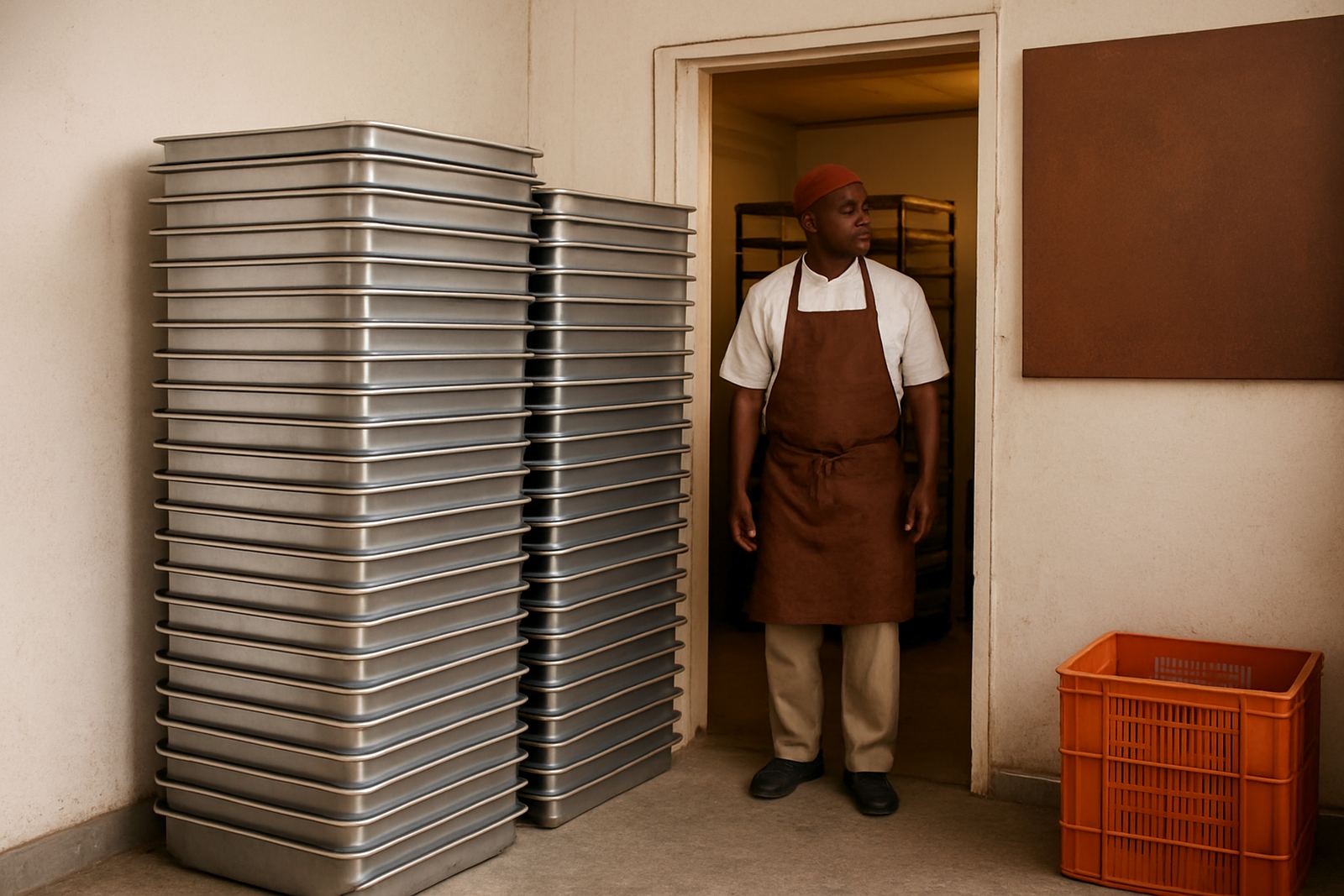
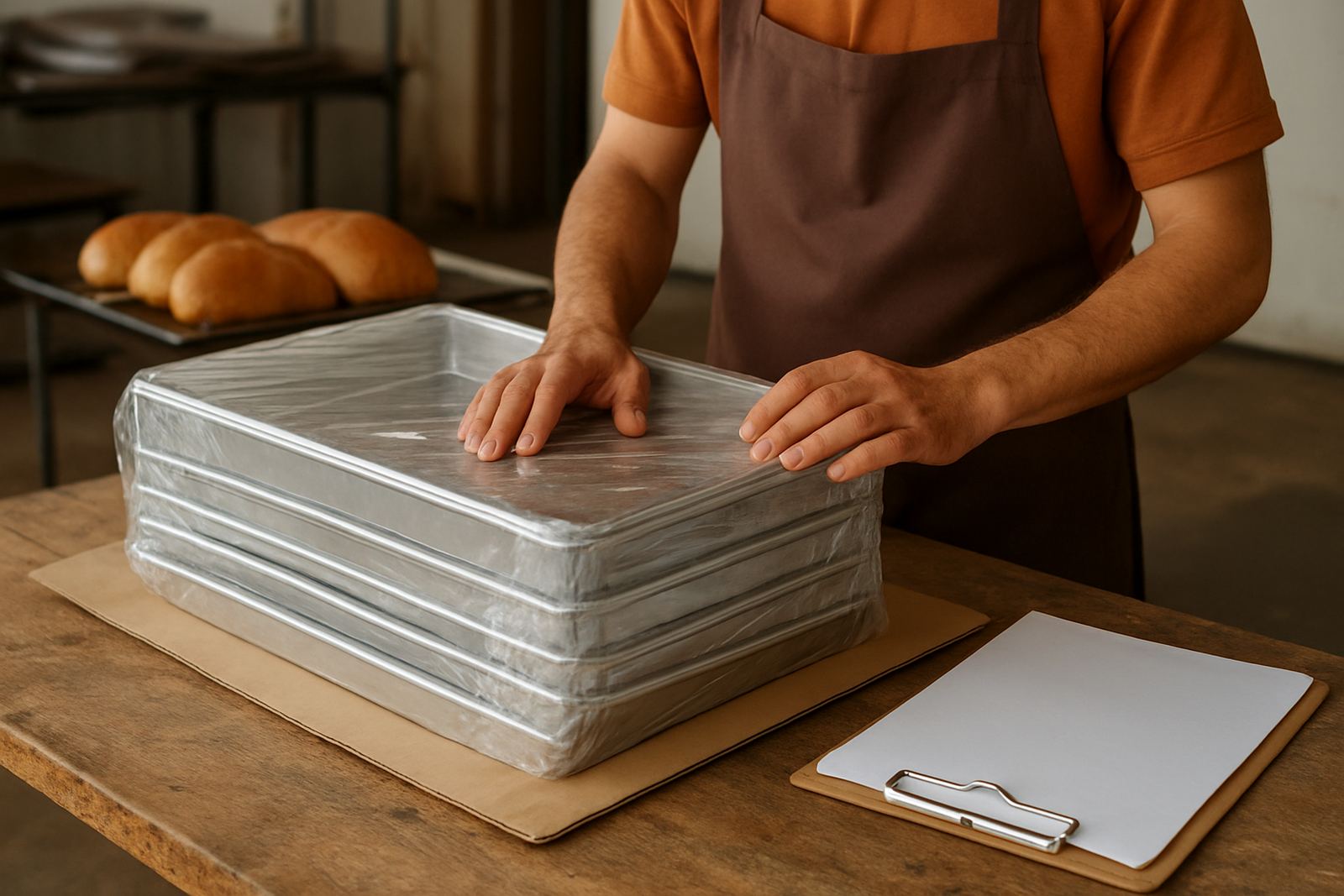
- Confirm if trays must stack for storage after cleaning
Care, recoating and repairs after heavy use
Steel cooling trays can last well if they are cleaned properly and not stored wet. In plant bakeries, the common wear points are rim bends, corner damage, weld fatigue and surface build-up from flour or oil. Once a tray starts to twist, product movement becomes uneven and staff spend more time correcting the load.
We offer tray recoating, straightening, corner repairs, rim repairs, lid repairs and weld repairs where suitable. A deep clean before repair often helps us see the real condition of the tray. For many sites, a planned service visit is cheaper than replacing every tray at once, especially when the damage is limited to edges or corners.
- Keep trays dry after wash-down
- Remove baked-on residue before it hardens
- Do not overload beyond the tray design
- Send bent or cracked trays in early for checking
What to check before ordering cooling trays
Before you order, measure the usable tray area, not just the rack frame. Check the product size, how much air gap you need between items, and whether the tray must fit existing oven floors or cooling racks. If your bakery uses more than one product line, it helps to mark which tray is for which batch, so there is less mix-up on a busy shift.
It also helps to note the steel grade preference, finish, quantity needed and whether the trays must be made for stacking. If you already have worn trays, send clear photos and measurements. That gives us a better base for making a replacement that matches the real job on the floor, no guesswork.
- Tray length, width and depth
- Product type and weight per tray
- Rack spacing and handling method
- Whether trays must stack or nest
- Any heat, humidity or wash-down issues
Bakerite support from Westmead, Pinetown
Bakerite has been making industrial bakeware from Westmead, Pinetown since 1997. We supply plant bakeries nationally from our base in KwaZulu-Natal, including customers in Durban, New Germany and the Upper Highway area. Our team handles new tray manufacture as well as servicing for trays already in use.
If you need cooling trays for a new line or a replacement for worn stock, we can look at the sizes, the handling route and the daily duty before confirming the build. That is usually the safest way to avoid a tray that looks fine on paper but does not fit the actual process.
Key facts
| Product type | Steel cooling trays for bakery product handling |
|---|---|
| Use | Oven to cooling transfer, holding and packing |
| Common sizes | Made to order, including custom rack and trolley fits |
| Finish options | Plain steel, recoated or repaired to suit site use |
| Utility needs | No electrical, gas or water connection required |
| Service options | Recoating, straightening, corner repairs, rim repairs, weld repairs, deep cleaning |