Flat trays for thin dough and even bake colour
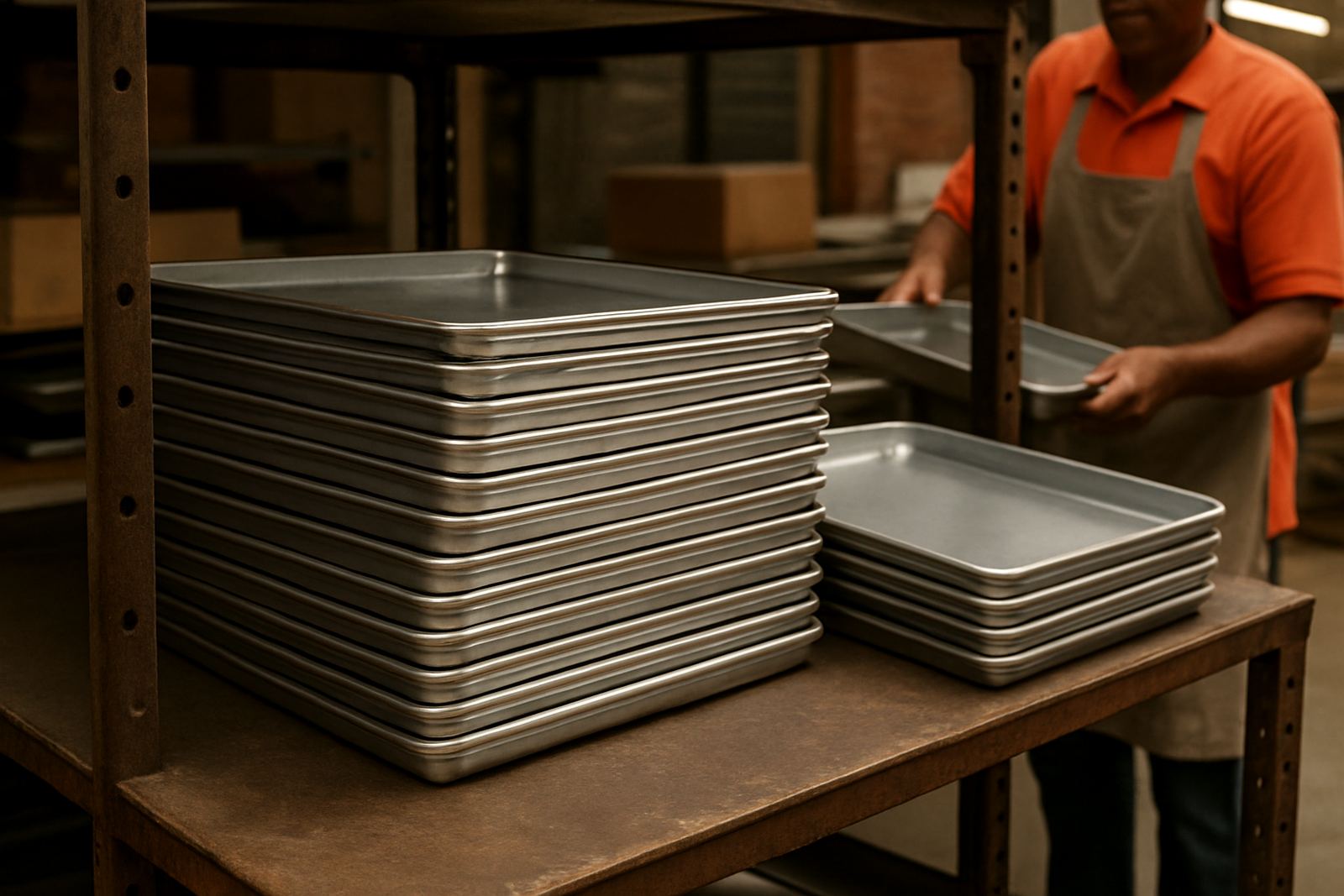
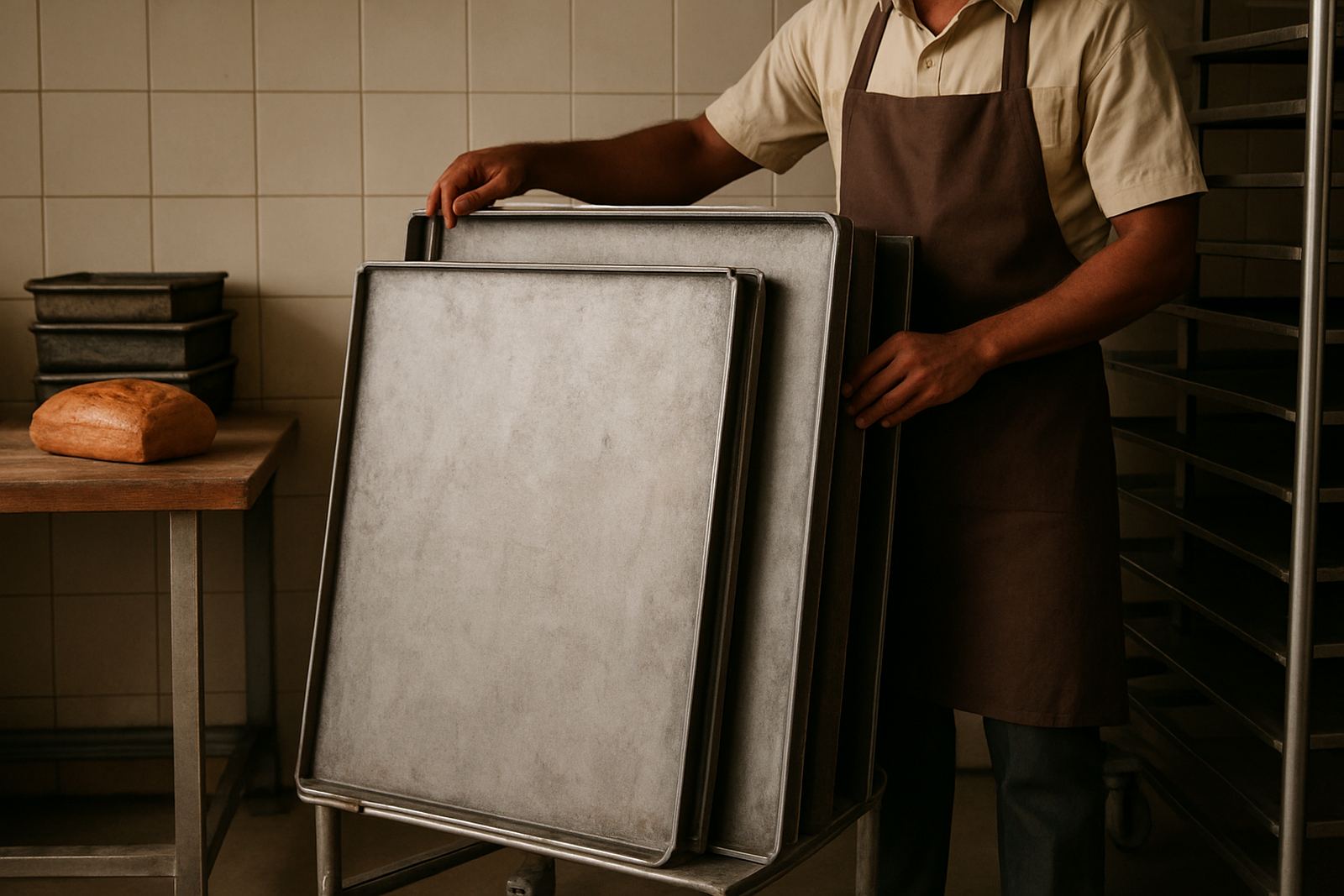
Cracker trays are used for products that spread thin and need a level base from edge to edge. That includes crackers, crisp breads, savoury sheets, thin biscuits and other low-rise doughs that must bake through without warping. A proper industrial tray helps keep the sheet flat, so the product colours evenly and lifts cleanly after baking.
Our trays are made for daily plant use, not light home use. In a bakery line, you want trays that stack neatly, sit square on racks and hold their shape after repeated heating and cooling. In Durban and coastal areas where humidity is high, steel that is correctly formed and maintained also helps reduce sticking and handling problems.
- Flat base for even heat transfer
- Suited to thin, low-rise dough products
- Made for repeated loading, washing and return to the oven
- Available in standard sizes or made to your line
Sizes, rim styles and tray build options
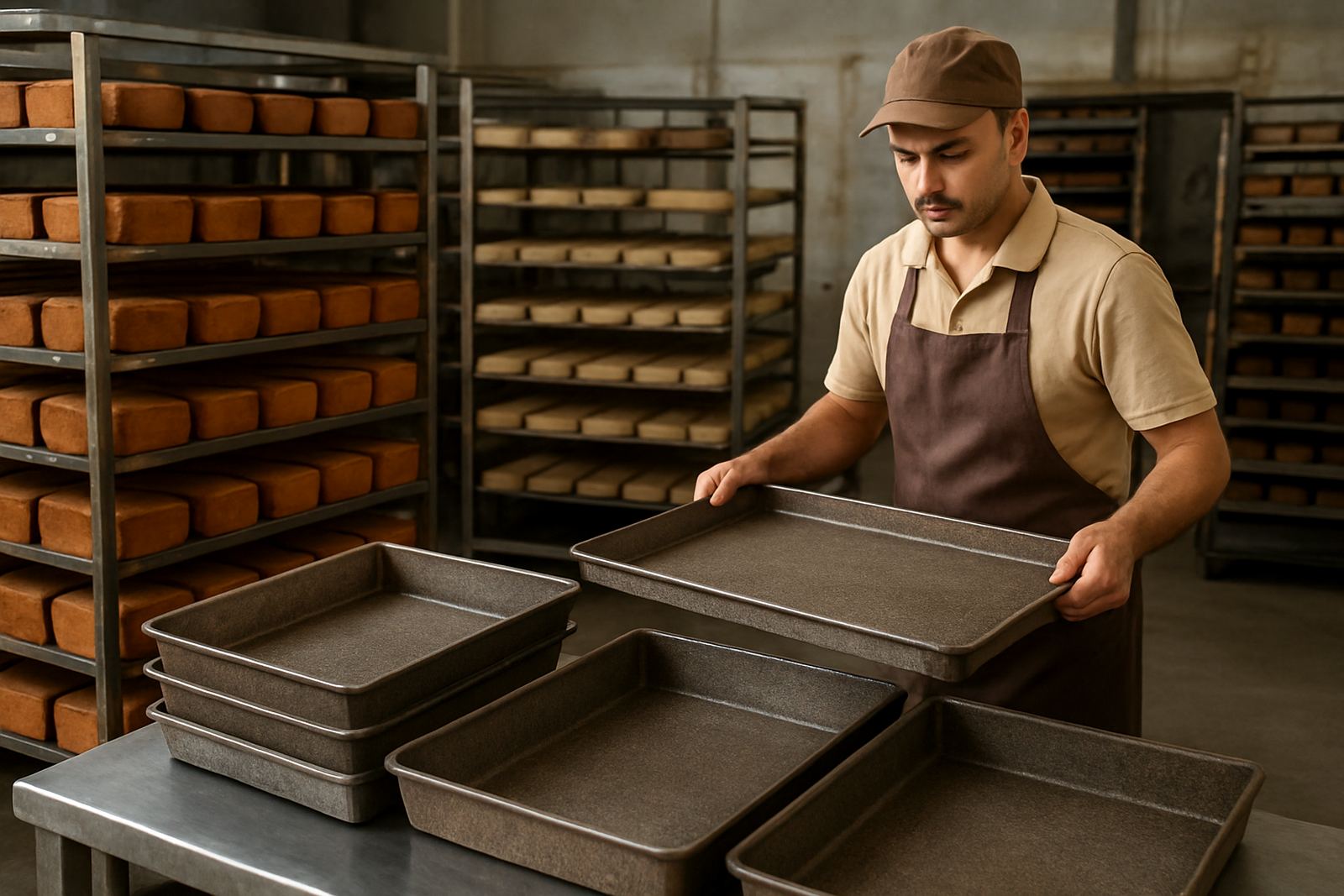
Bakerite cracker trays are supplied in sizes to suit plant bakery equipment, rack systems and manual handling. Most customers order trays to match existing ovens, loading trolleys and cooling racking, but we can also make new trays to suit a fresh product line. Where a tray needs to be easier to grip or stronger at the edges, we can work with different rim heights and corner details.
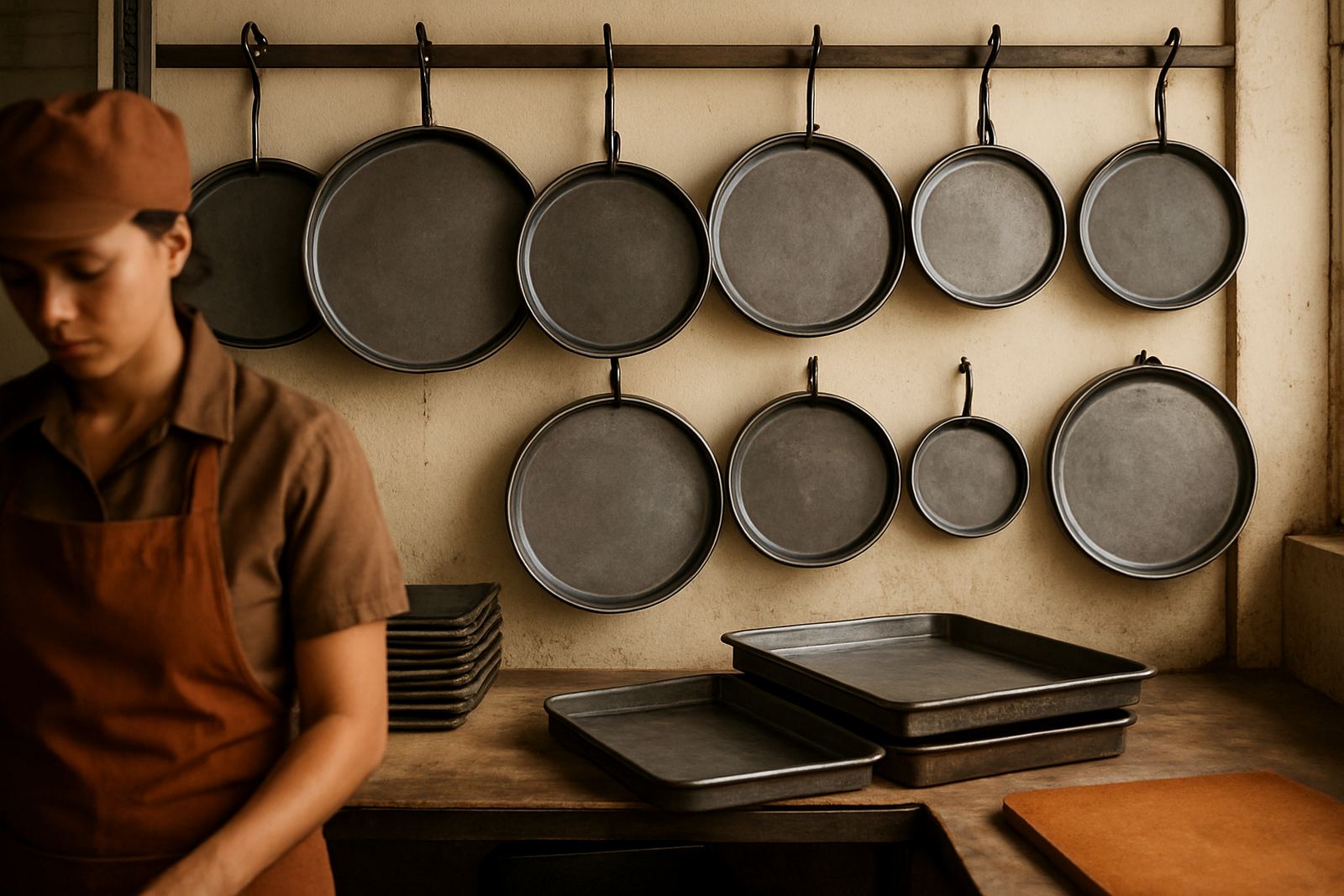
Typical options include plain flat pans, light rimmed trays and reinforced edges for heavier handling. Some bakeries prefer a smooth internal finish for easier release, while others want a slightly firmer tray body for better long-term shape retention. If you are running sharp product edges or high-volume loading, small design choices make a big difference over time, especially in hot bakeries with long shifts.
- Custom lengths and widths for plant ovens and rack systems
- Plain, rimmed or reinforced edge construction
- Optional corner strengthening for rough daily handling
- Made to suit manual loading or tray movers
Where cracker trays are used in production
These trays suit plant bakeries supplying supermarkets, chain stores, hospitality kitchens and bulk food service accounts. They are also used by smaller producers making cracker sheets, savoury biscuits and similar products that need a neat, level finish. In hotels and central kitchens, a good tray helps with portion control and keeps the bake consistent from batch to batch.
Because the products are usually thin, you need a tray that supports the dough without creating hot spots or distortions. Uneven trays can lead to colour variation, broken corners and waste during unpacking. On busy lines, that waste adds up fast. A tray that keeps its shape and sits flat also reduces the need for constant tray sorting before production starts.
- Plant bakeries with continuous production lines
- Retail and supermarket supply bakeries
- Hotels, commissaries and food service kitchens
- Contract baking and private label production
Installation, oven fitment and heat requirements
Cracker trays do not need special power or gas connections on their own, but they must suit the oven system they will be used in. That means checking the oven deck, conveyor width, rack spacing, loading direction and any clearance needed for heat circulation. If a tray is too wide or too deep, it slows handling and can affect the bake profile.
For deck ovens, tunnel ovens and rack ovens, fitment is about the tray dimensions, the thickness of the steel and the way the tray moves through the process. If your bakery uses gas ovens, electrical ovens or a combination line, the important point is still the same: the tray must match the oven conditions and the baking time. We work from your measurements and line details, not guesswork.
- No separate power or gas supply required for the tray itself
- Must suit oven deck, tunnel or rack dimensions
- Allow for heat movement and safe handling clearance
- Match the tray to your loader, trolley and cooling route
Care, cleaning and servicing between batches
Good tray care starts with regular cleaning and simple inspection. Dough residue, burnt sugar and oil build-up can affect release and bake colour over time. In a busy bakery, trays should be checked for bent corners, raised edges and weld fatigue before they go back into production. If problems are caught early, repairs are usually quicker and cheaper than replacement.
Bakerite also supports tray maintenance with related workshop services. Depending on the condition of the tray, we can assist with tray recoating, straightening, corner repairs, rim repairs, weld repairs and deep cleaning. For bakeries with mixed fleets, a proper assessment helps you decide which trays can be saved and which ones should be retired. That sort of maintenance planning is useful when load-shedding forces tighter production windows and every batch has to count.
- Remove residue before it hardens on the tray
- Check for warping, open welds and damaged rims
- Keep trays dry before stacking to limit surface rust
- Book fleet assessment when wear starts to spread across the batch
What to check before you order
When ordering cracker trays, start with the product size and oven setup. We need the finished tray size, the depth or rim height if any, the steel preference and the number of trays required. If you are replacing an old tray type, send a sample or clear measurements so we can match what already works on your line. If the old trays have been patched up over time, measure the working size not only the outside frame.
It helps to know how the trays are loaded, how they are cleaned and whether they are exposed to coastal humidity, heavy daily washing or rough handling in dispatch. Plant bakeries in Pinetown, Westmead, Durban, New Germany and the Upper Highway often run different shifts and different oven types, so the tray spec should suit the actual site conditions. A few minutes spent checking now can save a lot of back and forth later.
- Finished tray size, including any rim or lip
- Product type and batch weight
- Oven type, rack spacing and loading method
- Whether you need standard supply or a custom run
Key facts
| Product type | Flat industrial cracker trays for thin dough products |
|---|---|
| Material | Steel bakeware for plant bakery use |
| Available sizes | Standard sizes or custom made to your measurements |
| Finish options | Plain, rimmed or reinforced edge build |
| Typical use | Crackers, crisp breads, savoury sheets and thin biscuits |
| Base | Westmead, Pinetown, supplying nationally |
| sales@bakerite.co.za |