What the croissant tray is made to do
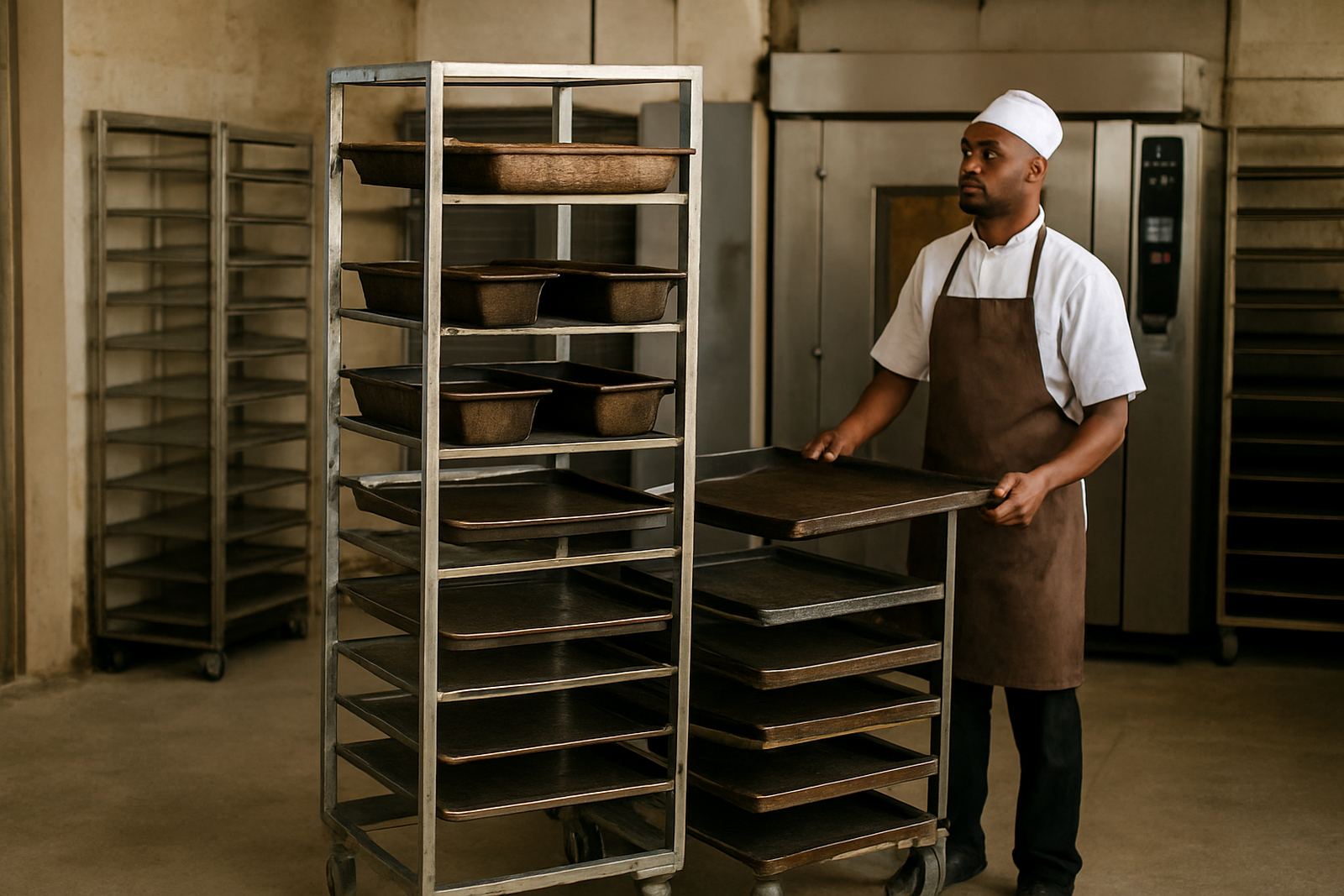
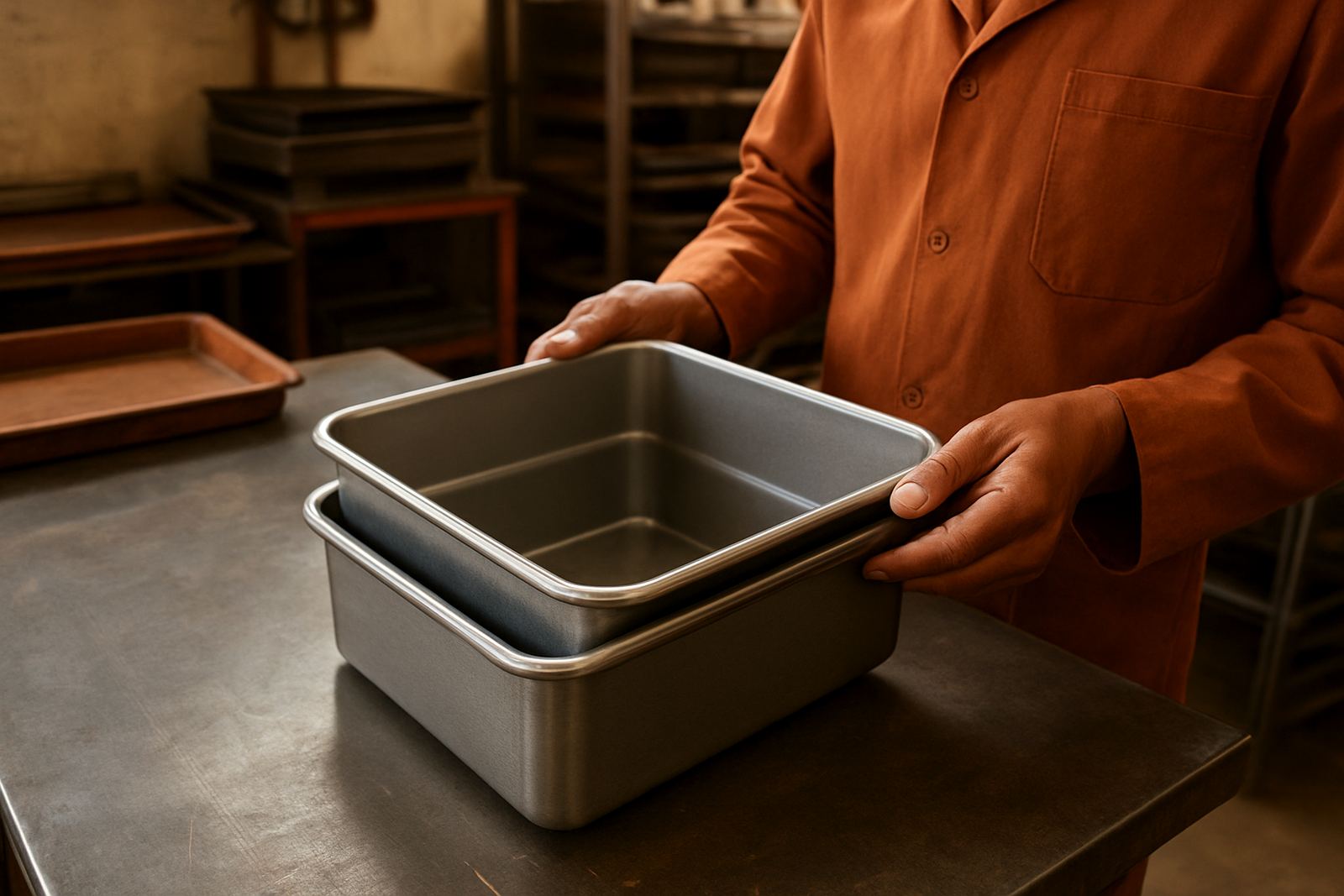
A croissant tray is a light industrial bakeware piece used for shaped pastry, proofed laminated dough and other portioned products that need a neat cell or open base while they bake. In busy plant bakeries, hotel kitchens and contract production rooms, the tray has to slide cleanly into racks, hold its form, and come back out after heat cycles without twisting too much. Bakerite trays are built for that type of daily use, not one-off home baking.
Because croissant work often runs alongside other pastry items, the same tray range can also suit pain au chocolat, turnovers, filled rolls and small savoury bakes. If your line runs early mornings, or through load-shedding windows with generator backup, the tray still needs to stack properly and move through proofing, baking and cooling with little fuss.
Sizes, patterns and tray build options
Croissant trays are usually made in standard pan sheet footprints so they fit common rack systems and oven loading trolleys. Where required, Bakerite can also make custom tray sizes for a specific oven deck, retarder, or rack pitch. For bakeries in Durban and along the coast, material choice matters too, because humidity and salt air can shorten the life of lighter tray stock if the finish is poor.
- Standard pan sheet formats for most plant bakery racks
- Custom lengths and widths for special ovens or trolley systems
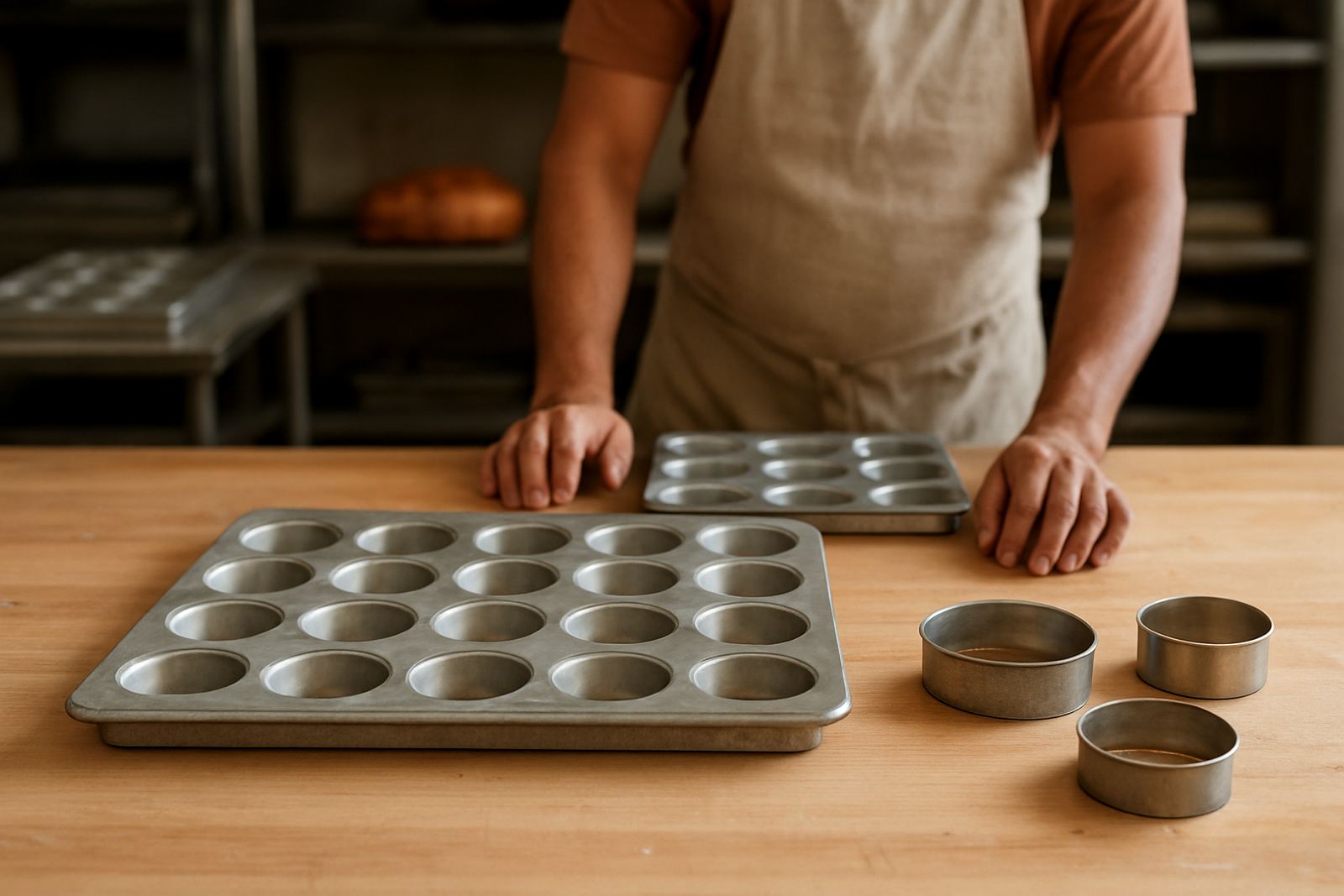
- Open base or formed cell styles, depending on product shape
- Light industrial gauge steel for regular production use
- Options for recoating and repair after wear, scoring or corrosion
If you are planning a full tray set, it is worth matching the tray pattern to the dough piece weight and final proof size. Too tight and the product catches. Too open and the pastry can spread unevenly, especially on long runs where operators need fast loading.
Where croissant trays are used every day
These trays are suited to plant bakeries supplying retailers, hotels, schools and food service operations. They are also a practical fit where pastry output has to be regular, numbered and easy to rotate. In a hotel bakery, for example, the tray often forms part of a small batch workflow where laminated pastries go from bench to proofing to oven with less handling. In a larger plant, the same tray may move through multiple shifts and need clear stack discipline to avoid damage.
Bakerite supplies from Westmead, Pinetown to customers nationally, including bakeries in Durban, New Germany, the Upper Highway area and across KwaZulu-Natal. For bakeries serving coastal towns, trays should be checked for surface wear more often because moisture and cleaning chemicals can eat into weak points faster than expected.
- Plant bakeries with daily pastry output
- Hotel bakeries and central kitchens
- Retail baking rooms supplying fresh packs
- Contract bakeries working to fixed tray counts
- Back-of-house bakery lines with limited floor space
Fitting the trays into your oven and rack system
Before ordering, measure the usable internal rack space, shelf pitch and oven entry clearance. A tray that is a few millimetres too wide can cause drag, bent corners or poor airflow around the product. If the bakery uses deck ovens, convection ovens or trolley ovens, the tray layout should suit the oven movement and the loading method. For older sites, especially where equipment has been repaired over time, a site check is often needed because rack spacing can vary from one line to another.
Croissant trays do not need special power or gas connections on their own, but they must suit the heat source and airflow profile of the oven they are used in. If the oven runs on electricity, gas or backup generator supply during load-shedding, the tray material and finish still need to tolerate repeated heat changes without warping too quickly. It helps to confirm whether the product is baked directly on the tray, or whether liners, silicone inserts or paper are used as part of the process.
- Measure internal rack width, depth and shelf pitch
- Check oven door opening and trolley turning space
- Confirm product weight, proof size and bake spread
- Ask whether the tray must fit existing liners or inserts
- State if the line uses deck ovens, convection or trolleys
Care, cleaning and tray servicing
A good tray will last longer if it is cleaned before build-up becomes hard baked residue. Heavy scraping can mark the surface and shorten service life, so it is better to use the right cleaning method for the soil level and coating type. In many bakeries, trays are returned for pan recoating, deep cleaning or straightening once wear starts showing across a batch, rather than being written off early. That saves money and keeps tray counts steady.
Bakerite offers tray recoating, tray straightening, corner repairs, rim repairs, weld repairs, fleet assessment and spare lids where needed for related bakeware. If your team notices trays sticking, rocking on the rack, or showing bent corners, send a sample set in before the problem spreads through the whole fleet. A quick assessment can show whether the tray needs repair, recoating or replacement. It also helps with planning around shutdowns and production peaks, which is often where tray shortages get expensive.
What to check before you place the order
When ordering croissant trays, the best results come from clear product detail at the start. That means final tray size, quantity, material preference, target product shape and the oven or rack it must suit. If you are replacing old trays, send photos and a few measurements of worn samples, not just a rough description. Even small changes in lip height, corner shape or tray depth can affect handling on the line.
It also helps to know whether the trays will be used in a salt-air coastal site, a dry inland plant, or a mixed environment with wash-down areas. The more detail you give, the better the match between tray build and daily use. Bakerite has been making industrial bakeware from Hillclimb Rd, Westmead, Pinetown since 1997, and the old-fashioned practical part still matters: the tray must fit the job, the oven and the crew using it.
- Final tray dimensions and required tolerances
- Number of trays needed for one full baking cycle
- Product type, weight and proofed size
- Existing rack or oven dimensions
- Any repair, recoating or replacement work needed on older stock
Key facts
| Product type | Light industrial croissant and pastry tray |
|---|---|
| Typical use | Laminated pastries, hotel bakery output, small savoury bakes |
| Material | Steel bakeware construction |
| Size options | Standard pan sheet sizes and custom sizes available |
| Services | Recoating, straightening, corner repairs, rim repairs, weld repairs |
| Base | Westmead, Pinetown, supplying nationally |