Rack Oven Trays Made For Daily Production
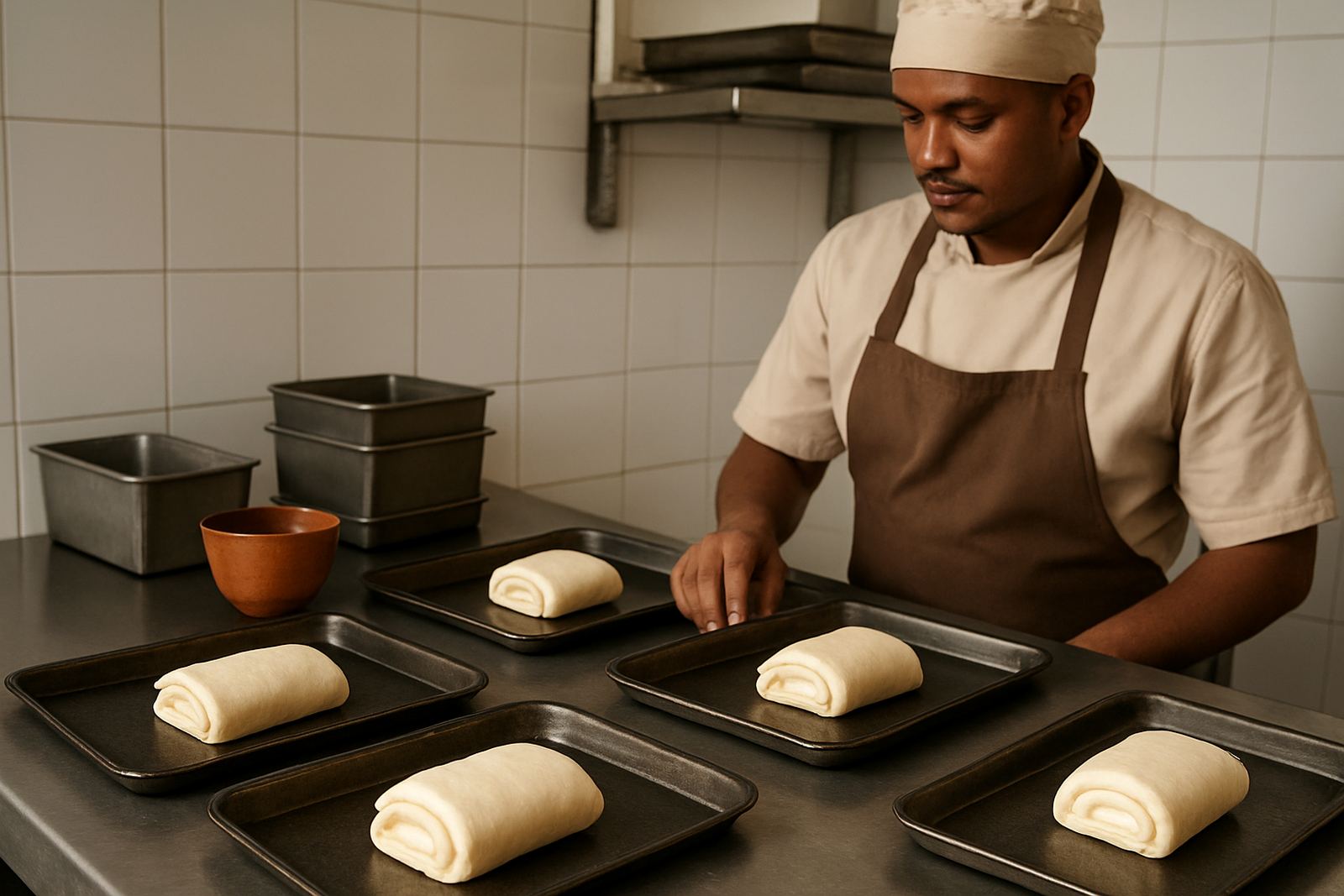
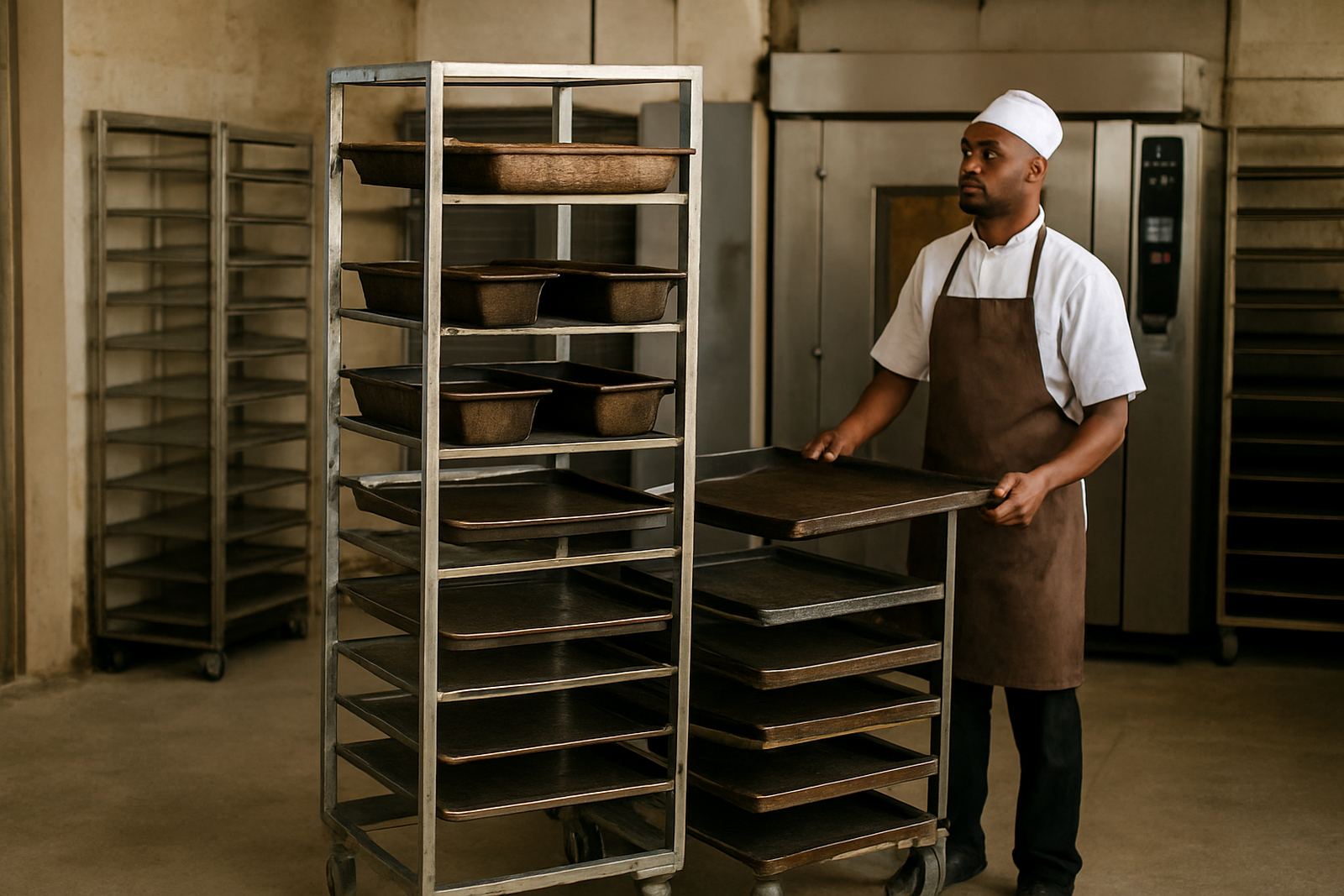
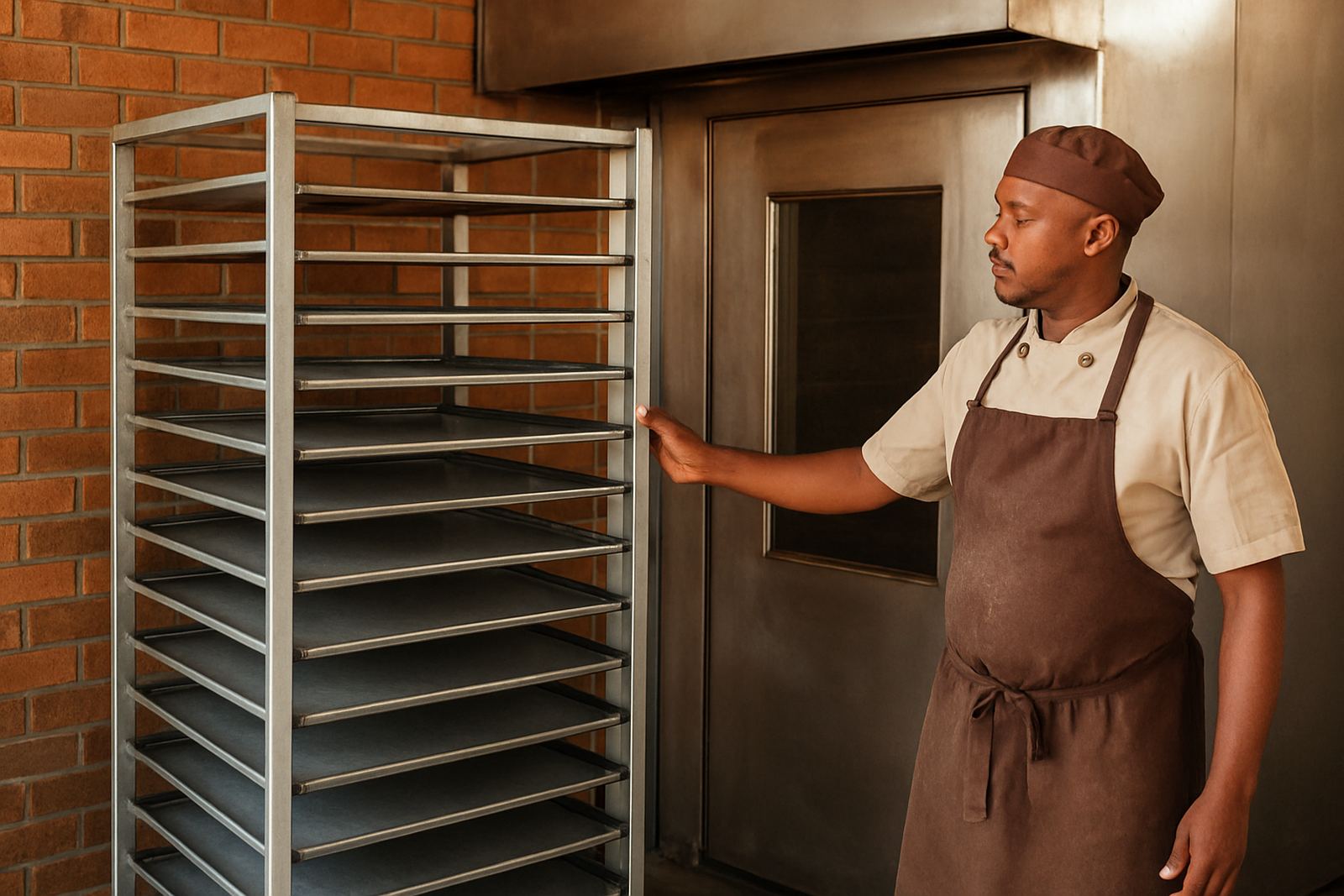
Rack oven trays are the working trays that sit on baking trolleys and carry product through the oven on a fixed rack pattern. At Bakerite, we make them for bakery floors that run every day, often in heat, steam and shift work where a tray must keep its shape and keep moving. These trays are used for rolls, buns, loaves, pastries and batch baking where repeat loading matters.
Our tray range is set up for standard rack oven spacing and loading patterns, with sizes matched to the rack, shelf count and product weight. The right tray helps with airflow, even browning and safer handling at the oven mouth. When trays are bent or badly patched, they snag on guides, sit uneven on the rack and can slow down a whole run.
Sizes, Thicknesses And Tray Builds
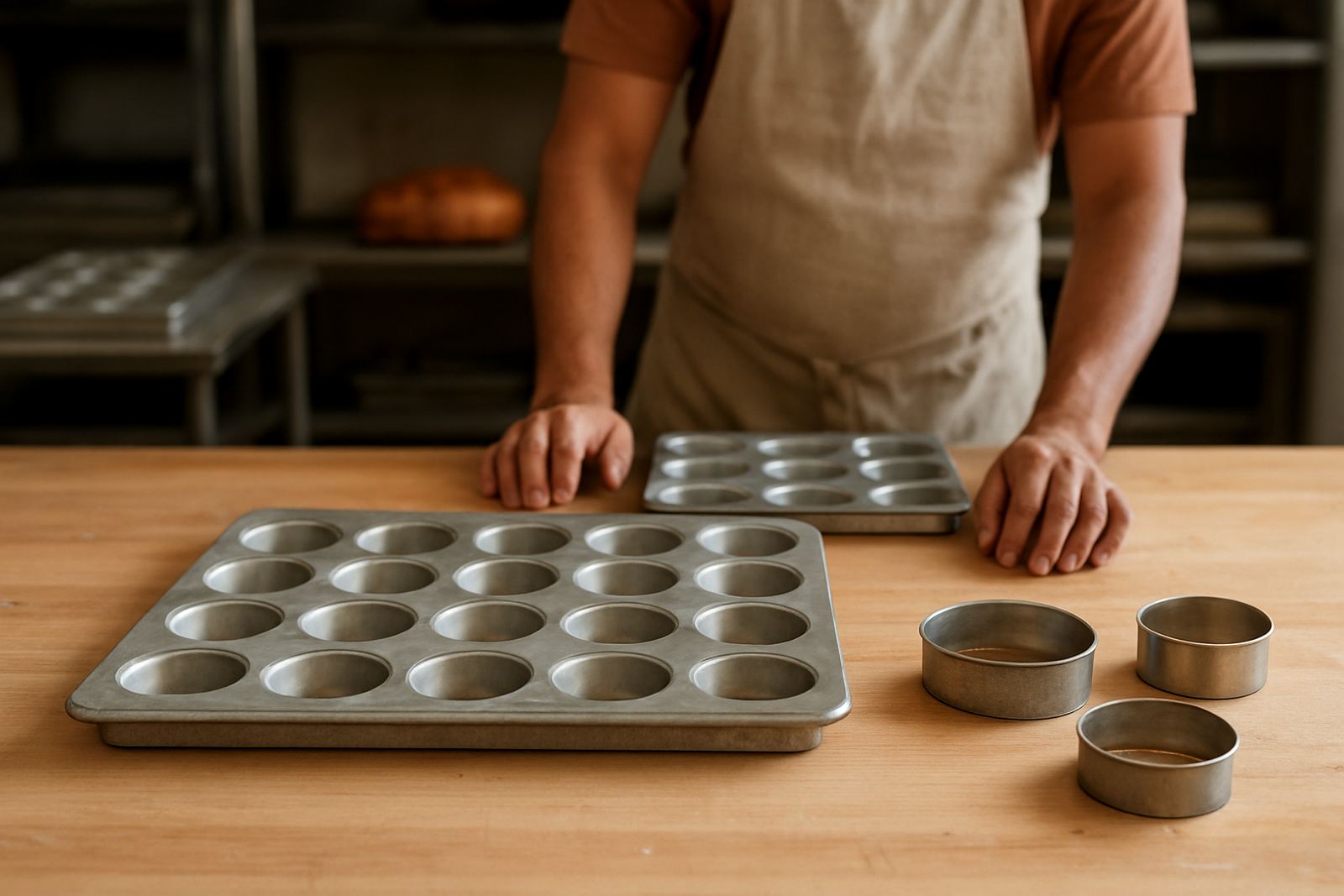
We make tray sizes to suit common rack oven layouts, and we can also build to a sample or drawing. If your bakery works with mixed product lines, we can set out trays for single loaves, split loaves, seeded rolls or flat goods that need a broader base. In Westmead and across coastal KZN, many customers ask for trays that stand up to humidity and frequent washdown, so material choice matters.
- Standard tray lengths and widths matched to rack spacing
- Light, medium and heavier duty sheet thicknesses
- Plain trays or trays with formed edges for strength
- Perforated or solid options where product and airflow need to be balanced
- Custom corner and lip details for easier handling
For bakeries that use multiple rack types, it is often better to keep one tray standard across the plant. That makes stock control simpler and reduces mix-ups on busy shifts. If the tray is meant for a hotter zone or repeated transfer from cooler holding areas, we can advise on a build that is less likely to twist.
Where Rack Oven Trays Work Best
These trays suit plant bakeries, supermarket bakeries, hotel kitchens and production kitchens that need a regular tray format. They are also useful in facilities that supply schools, canteens and contract catering where the same tray goes from proving to oven to cooling without much hand finishing. In Durban, Pinetown and New Germany, many operations prefer trays that can move between baking lines and holding areas without warping.
Rack oven trays work best where you need repeat loading, clear rack spacing and tidy product presentation after bake. They are also a practical choice where labour is tight and trays need to stack, clean and return to service without fuss. For bakers managing long shifts, load-shedding plans or split production times, a tray that keeps its shape saves time when the line restarts.
- Plant bakeries with continuous daily production
- Retail bakeries with back-of-house baking
- Hotels and hospitality kitchens
- Batch production for pastries, buns and rolls
Installation, Heat And Energy Checks
Trays themselves do not need power or gas, but they must suit the oven system they are going into. Before order and install, check the rack oven shelf spacing, trolley width, oven entry clearance and the way the trays are loaded by hand or by rack lift. If the rack is too tight, trays catch at the guides and wear at the edges, especially on busy sites with high turnover.
It also helps to confirm the bake temperature range and the type of heat in use, because tray behaviour changes with high heat and repeated cycling. In coastal areas like Durban and Pinetown, moisture in the air can affect storage and pre-bake handling, so trays should be kept dry and stacked on level frames. If a site is using gas-fired ovens or electric rack ovens, the tray spec stays the same, but the loading pattern and bake time may differ.
- Measure rack spacing in mm before placing the order
- Check trolley clearance at doors and turning points
- Confirm oven temperature range and bake cycle length
- Store trays dry and flat to reduce twist
Care, Cleaning And Recoating Support
Good tray care starts with quick cleaning after use and proper cooling before stacking. Trays that go back into service while still damp can stain, buckle or pick up residue faster. Avoid harsh scraping with sharp tools, because that damages the working face and shortens tray life. If your bakery runs through wet weather or high humidity, a dry storage point makes a big difference.
We also support worn tray equipment with reconditioning work where it makes sense. That can include straightening, corner repairs, rim repairs, weld repairs and deep cleaning. On trays that are still sound but tired on the edges, recoating or repair may be more economical than replacing the full set. Our team can inspect the set and advise whether the tray is still worth putting back into the line.
- Cool fully before washing or stacking
- Keep trays off wet floors and away from standing water
- Use dry storage racks and avoid overloading stacks
- Book inspection early if trays are bending or marking product
What To Check When Ordering Trays
When ordering rack oven trays, the main details are not just the overall size, but the way the tray will work in your plant. Start with the rack make-up, then confirm the product size, the number of trays per rack and how the team handles loading. If your bakery has changed product mix over time, a tray that once suited the line may now be too small or too deep.
Please check the following before you send through sizes or samples. A clear order saves back-and-forth and helps us make the tray fit the rack first time, which matters when stock is needed for the next shift. If there is any uncertainty, we can work from an old tray, a sketch or site measurements from the Westmead team.
- Internal tray length and width in mm
- Tray depth or rim height
- Material thickness and whether a light or heavy duty build is needed
- Solid or perforated tray surface
- Quantity required per rack and total batch size
- Any special corner, rim or handle detail
For plant bakeries, hotels and retailers, the right tray is usually the one that keeps the line moving with the least fuss. If you already have a set that needs matching, we can work to the existing pattern so your team does not have to change loading habits.
Key facts
| Product type | Rack oven trays for bakery and food production use |
|---|---|
| Material | Steel, made to suit production baking conditions |
| Sizes | Standard rack spacing sizes and custom dimensions on request |
| Build options | Solid or perforated, plain edge or formed rim |
| Use areas | Plant bakeries, hotels, retail bakeries and contract kitchens |
| Service support | Recoating, straightening, corner repairs, rim repairs and weld repairs |