What a proofing tray does in production
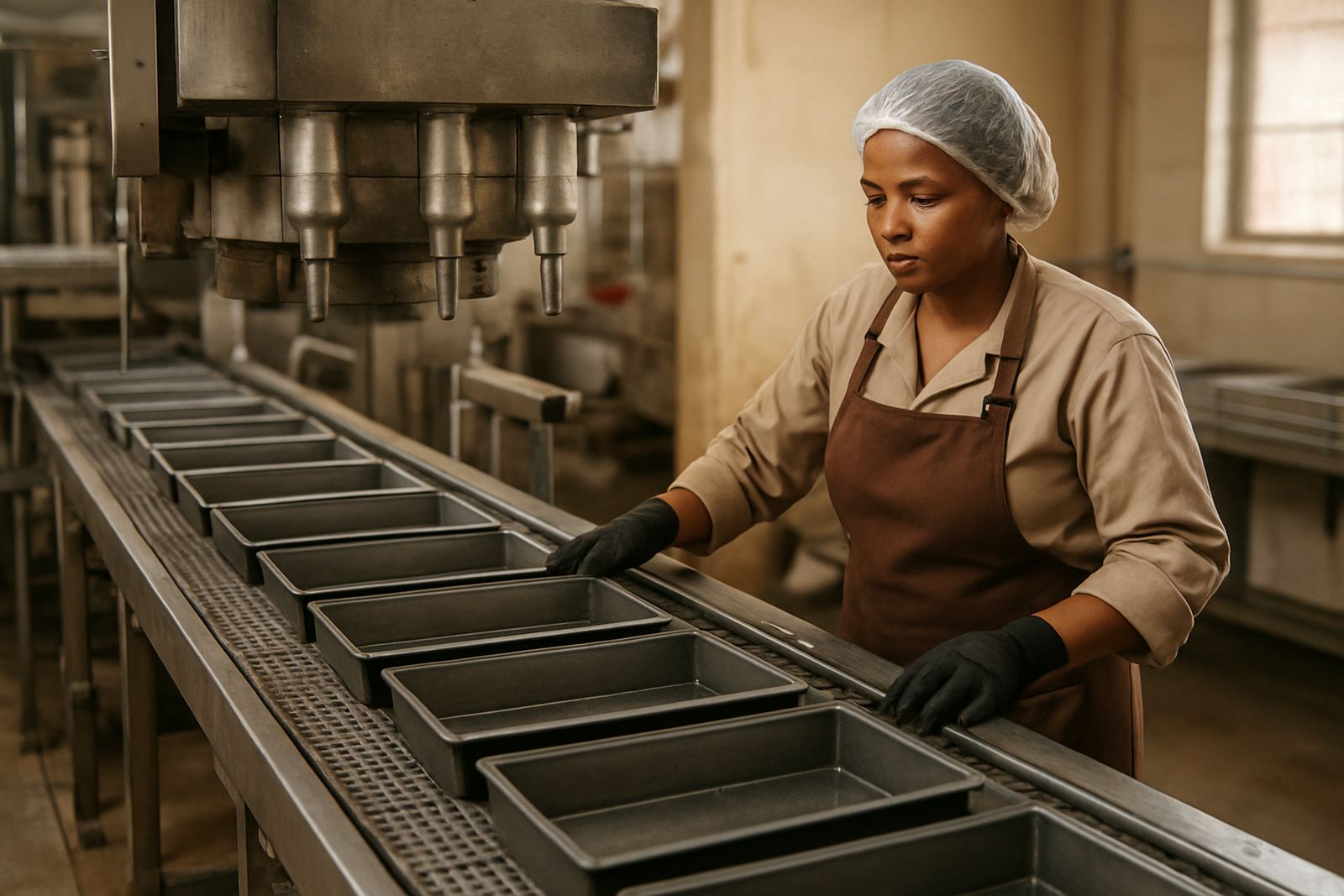
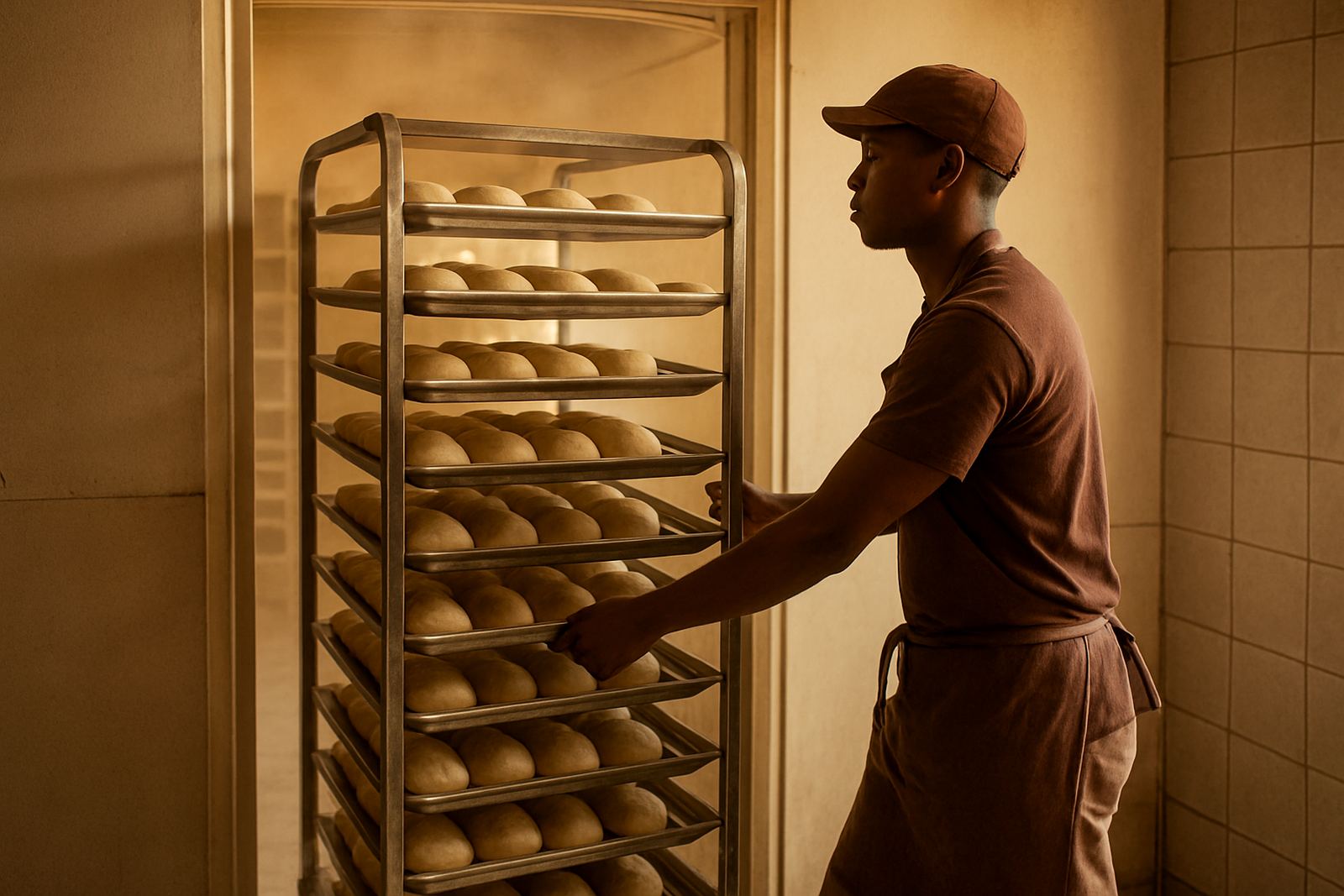
A proofing tray carries shaped dough pieces through the last part of the process before baking. In a bakery line, that usually means moving from dividing and shaping, then resting, proofing and loading into the oven with as little handling as possible. The tray must stay flat, keep its form and allow the product to proof evenly.
Bakerite makes steel proofing trays for plant bakeries that run long shifts, often with stop-start production during load-shedding or maintenance windows. When trays bend, twist or rust, they slow the line and create uneven product. A proper steel tray helps keep spacing consistent, gives the dough support and reduces waste from misshapen loaves or buns.
These trays are used in bakeries that want a repeatable tray size for trolleys, racking and oven loading. They suit bread plants, supermarket bakeries, hotel kitchens and central production sites that send product out to several branches.
Tray sizes, steel grades and finish options
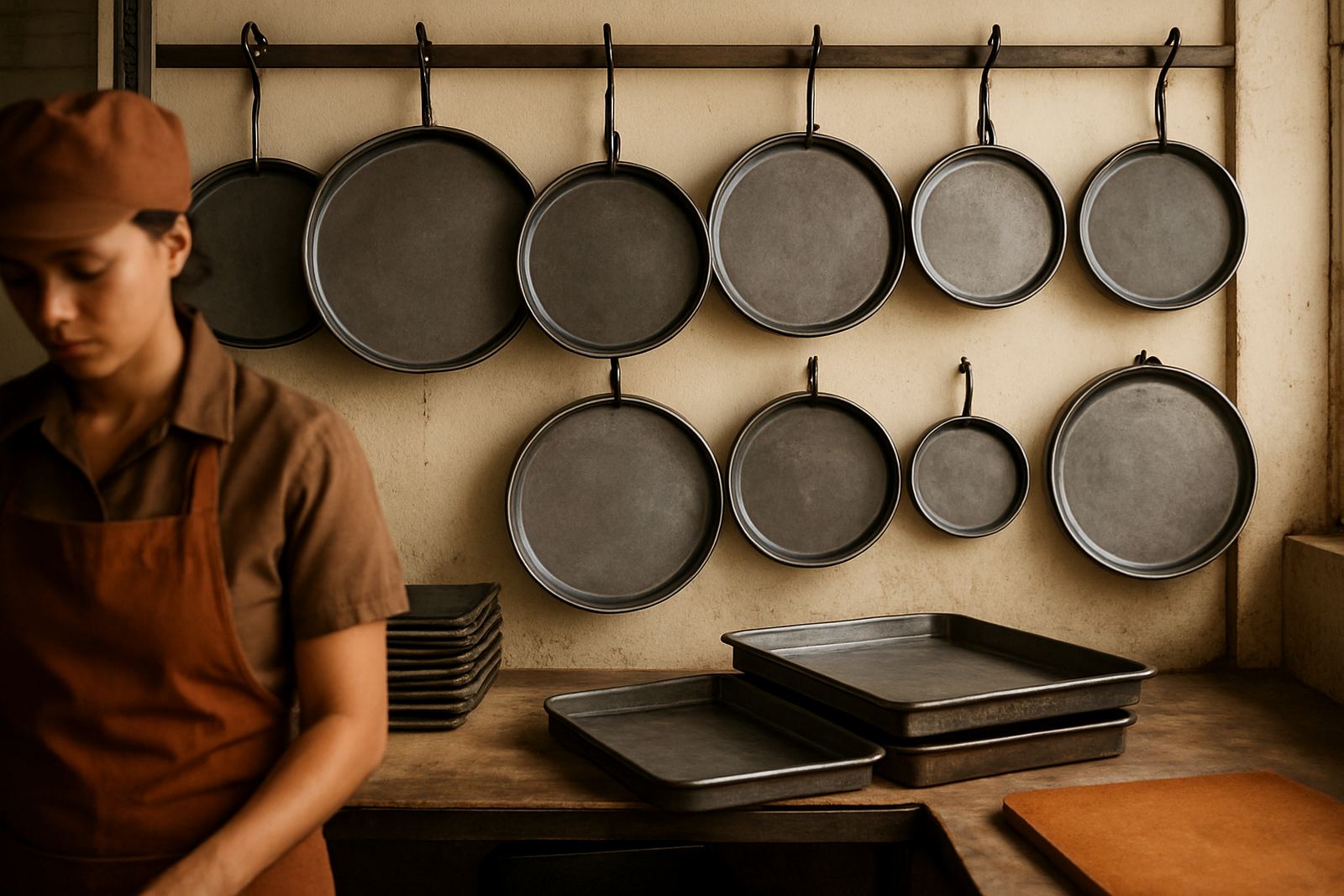
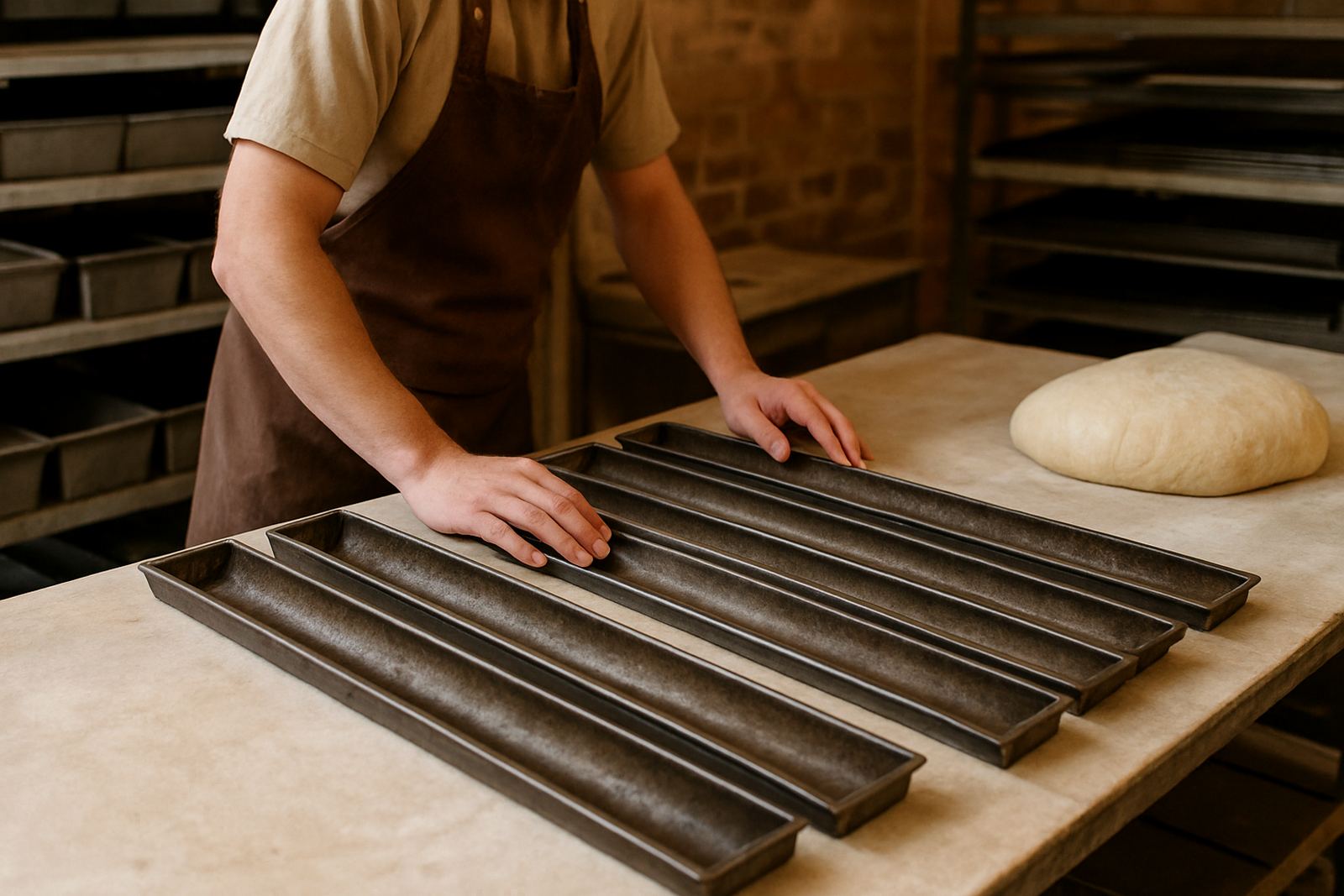
Proofing trays can be made to the size your bakery already uses or to match a new line. The most common options are standard rectangular trays for loaf and roll work, but custom sizes are also made for special products and existing rack spacing. The sheet thickness, rim detail and corner style can be set to suit the handling method and the weight of the dough piece.
Typical options include plain steel trays, reinforced trays for heavier loads, and trays with formed edges for better grip on racks and in transfer. Some customers need a darker finish for regular use, while others want a smoother surface for easier cleaning. Where trays work in humid coastal areas like Durban, corrosion protection matters a lot because damp stores and salty air can shorten tray life if the finish is poor.
- Custom tray lengths and widths to suit existing trolleys
- Reinforced edges for daily plant handling
- Corner and rim detailing to help prevent twisting
- Tray sets matched to bakery racks and oven loading patterns
- Options for recoating when trays are still structurally sound
Where proofing trays work best
These trays suit operations that move product through more than one step before baking. They are used in plant bakeries, bread plants, retail bakeries with back-of-house production, hotels with early-morning baking and contract bakeries supplying schools, canteens or hospitality groups. They also work well where trays are stacked, wheeled and returned many times a day.
In KZN, we often see proofing trays used in Westmead, Pinetown, New Germany and the Upper Highway area where bakeries need steady output and fast turnarounds. They are also useful in Gauteng, the Western Cape and inland towns where dry air can be hard on coatings, and where tray edges get knocked during frequent loading. If your bakery runs gas ovens or electric ovens, the tray itself does not need power or gas, but it must be sized to suit the oven deck, rack pitch and loading pattern.
For any plant, the tray should match the handling route. If trays are carried by hand, the weight must stay manageable. If they are moved by trolley, the rims and corners should be strong enough to take knocks without opening up or cracking at the welds.
Installation, racking and utility requirements
Proofing trays are simple to install, but the tray size has to fit the rest of the bakery setup. Check the clear width of the rack, the depth of the trolley, the oven entry and the working space at the bench. A tray that is 5 mm too wide can slow the line, especially when staff are moving fast during early shift change or peak production.
There is no direct power or gas requirement for the tray itself. What matters is compatibility with the proofing area, ambient temperature and humidity control, plus the oven loading equipment if trays move straight from proof to bake. In some sites, trays sit in warm rooms with controlled moisture. In others, they proof in ambient conditions and need a tray that stays stable even when exposed to variable heat, moisture and long holding times.
- Measure internal rack width and length, not just the outside frame
- Check whether trays need to nest, stack or slide
- Confirm the path from bench to proof room to oven
- Allow for gloves, tongs and handling clearances at the oven mouth
- Note if the site uses gas ovens, electric ovens or a mixed line
Care, cleaning and tray life
Good tray care starts with cleaning before build-up becomes heavy. Flour dust, oil, dough residue and burnt bits can hold moisture and cause corrosion. A tray that is cleaned regularly lasts longer and stays flatter. In busy bakeries, trays are often wiped, brushed or washed as part of the daily close-down, then dried properly before stacking. Leaving trays wet overnight is one of the fastest ways to damage the finish.
If a tray starts to bow, crack at the corners or show worn edges, it can usually be assessed for repair before replacement. Bakerite offers tray recoating, pan straightening, corner repairs, rim repairs and weld repairs, which helps bakeries keep useful stock in service rather than scrapping it too early. We also do deep cleaning and fleet assessment for larger operations that want a proper view of what should be repaired, recoated or replaced.
For coastal sites and humid stores, regular inspection matters even more. Surface rust spreads quickly once the coating opens up. A small repair now is usually cheaper than replacing a whole set later.
What to check before you order
Before ordering proofing trays, it helps to have a clear list of what your bakery actually needs. That reduces delays and avoids trays arriving that do not fit the racks or the product pattern. If you are replacing old trays, send the measurements from a good sample tray, not only the nominal size from memory. Old production lines often carry small differences from one set to the next.
Please check the following:
- Exact tray length, width and lip height
- Steel thickness and whether reinforcement is needed
- Product type, such as loaves, rolls or specialty items
- Whether trays must stack, nest or sit loose on racks
- Quantity needed for daily rotation and cleaning turnaround
- Any special repair work needed on existing trays, lids or fleet stock
If the bakery is planning a refresh, it helps to send photos of the current trays, rack frames and oven loading area. That gives a proper view of corners, edge wear and any distortion from years of use. We can then advise whether a new tray run or a repair batch makes better sense for the plant.
Bakerite supply from Westmead, Pinetown
Bakerite has been making industrial bakeware in Westmead, Pinetown since 1997, with a focus on steel oven floor tiles, bread pans and custom trays for plant bakeries, retailers and hotels. Proofing trays are part of that working range, made for day-to-day production rather than light use. Our team handles sales, production, operations and service from the Westmead base, and we supply nationally.
If you need proofing trays for a new line, replacements for worn stock or a mixed order with trays and repairs, send your sizes, quantities and delivery town. We supply plant bakeries across KwaZulu-Natal and further afield, including Durban, Pinetown, New Germany and the Upper Highway area. For tight production schedules, it helps to confirm lead time early, especially when a line is being shut down for maintenance or when load-shedding has already pushed work into shorter shifts.
We can also assess existing tray fleets and advise on what should be recoated, straightened or rebuilt. That keeps the bakery moving and avoids waste where the steel is still sound.
Key facts
| Product type | Steel proofing trays for transfer, resting and proof stages |
|---|---|
| Material | Industrial steel, with finish options suited to bakery use |
| Sizes | Custom made to suit racks, trolleys and oven loading |
| Use | Plant bakeries, retail bakeries, hotels and contract production |
| Care options | Recoating, straightening, corner repairs, rim repairs and weld repairs |
| Supply area | National supply from Westmead, Pinetown |