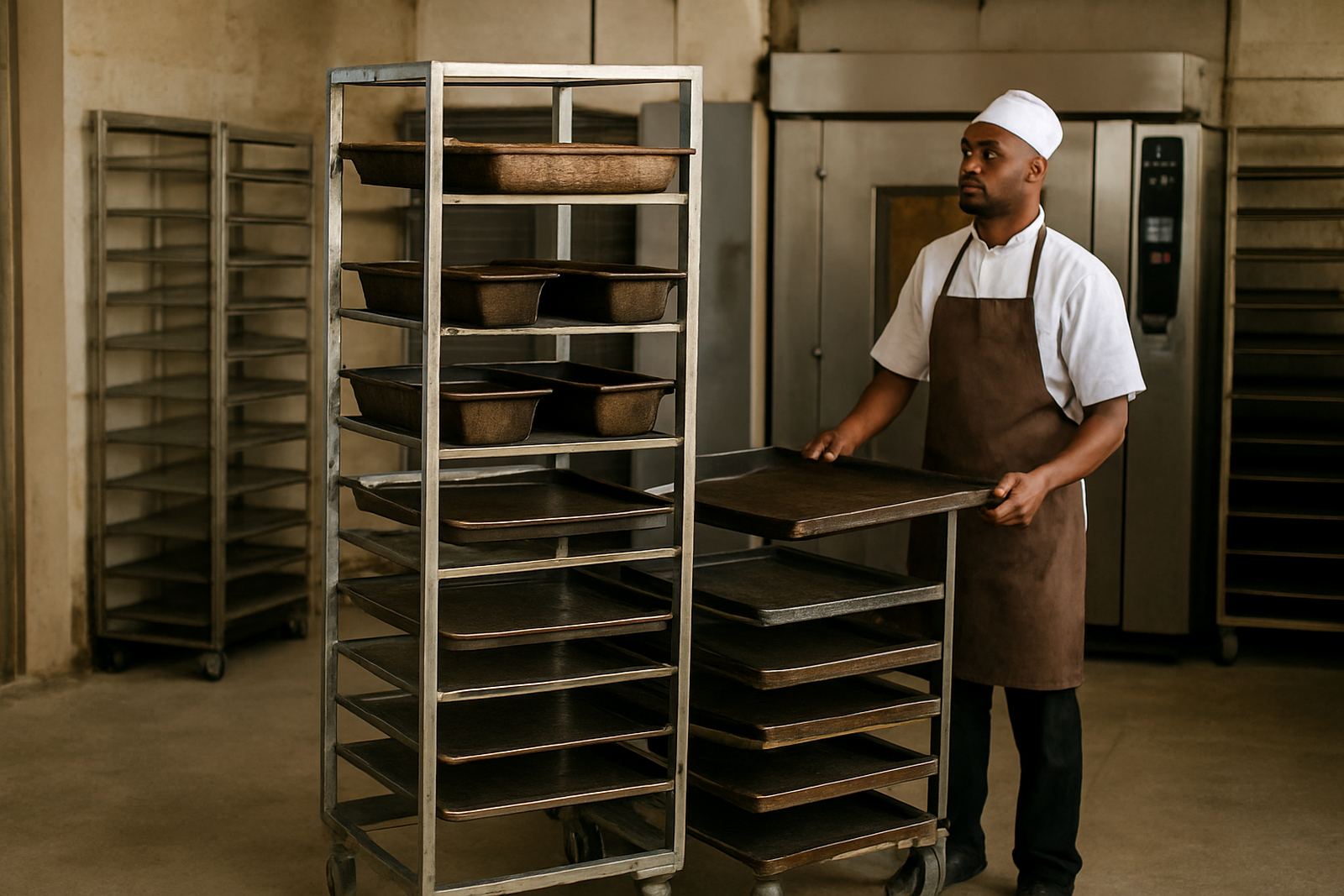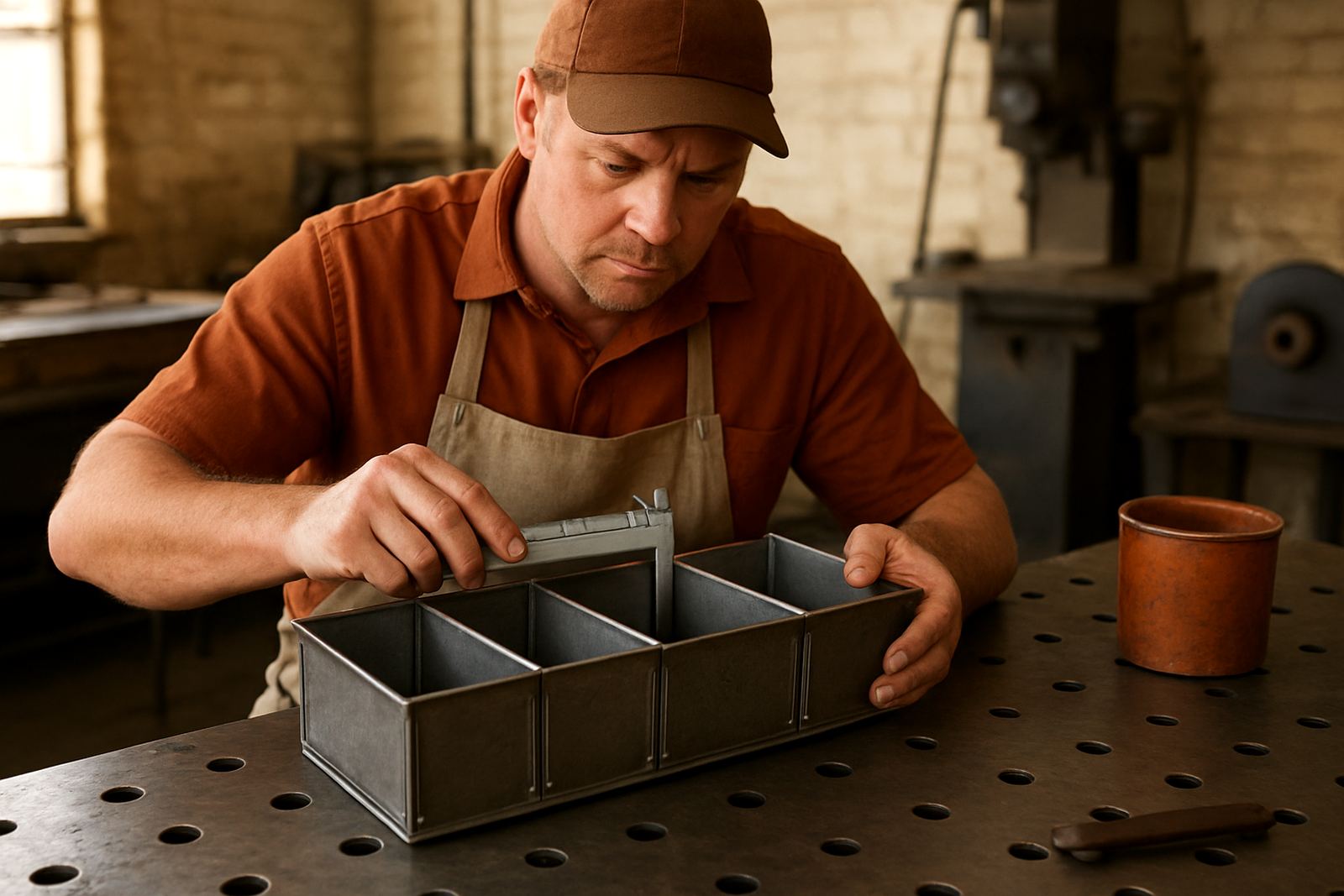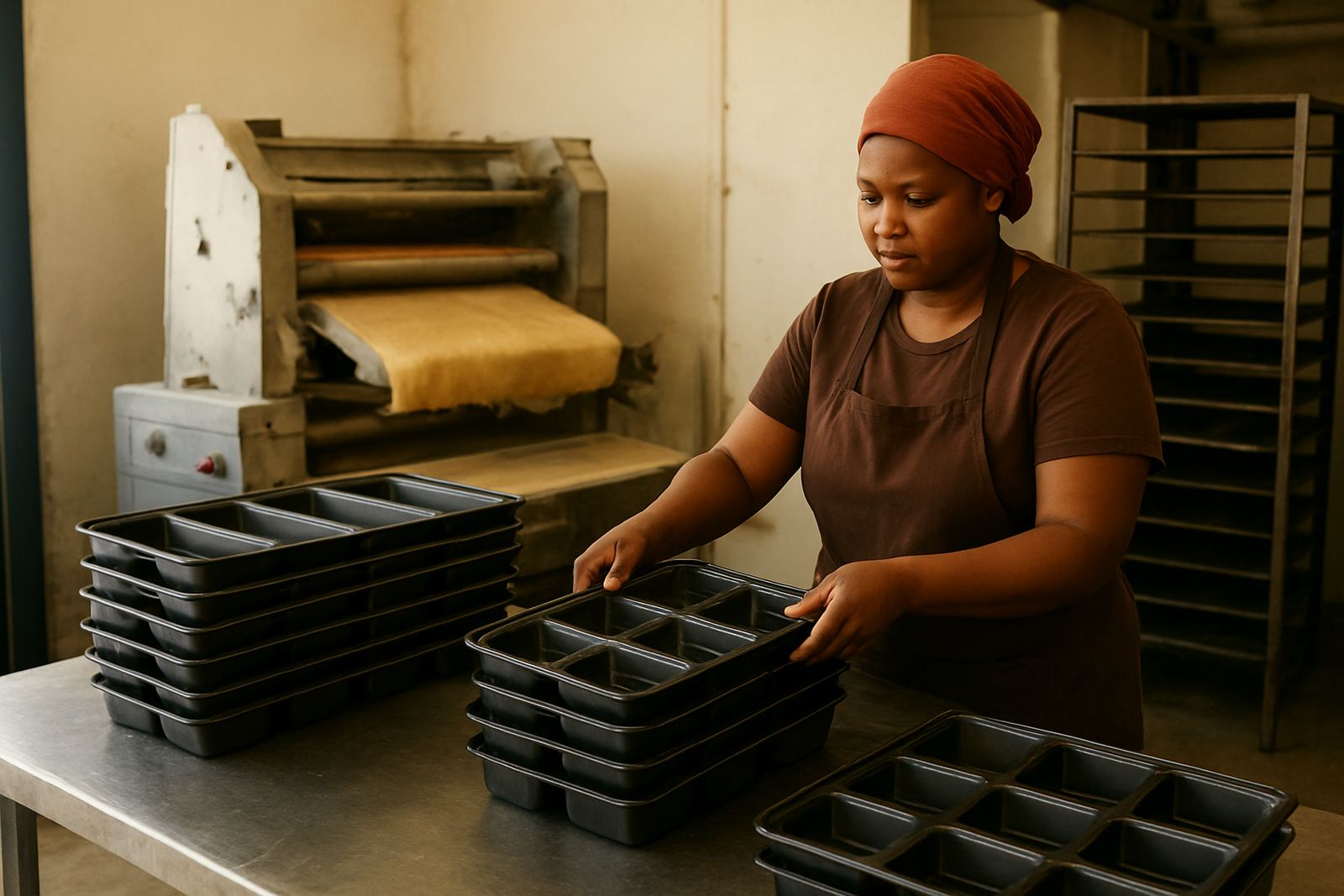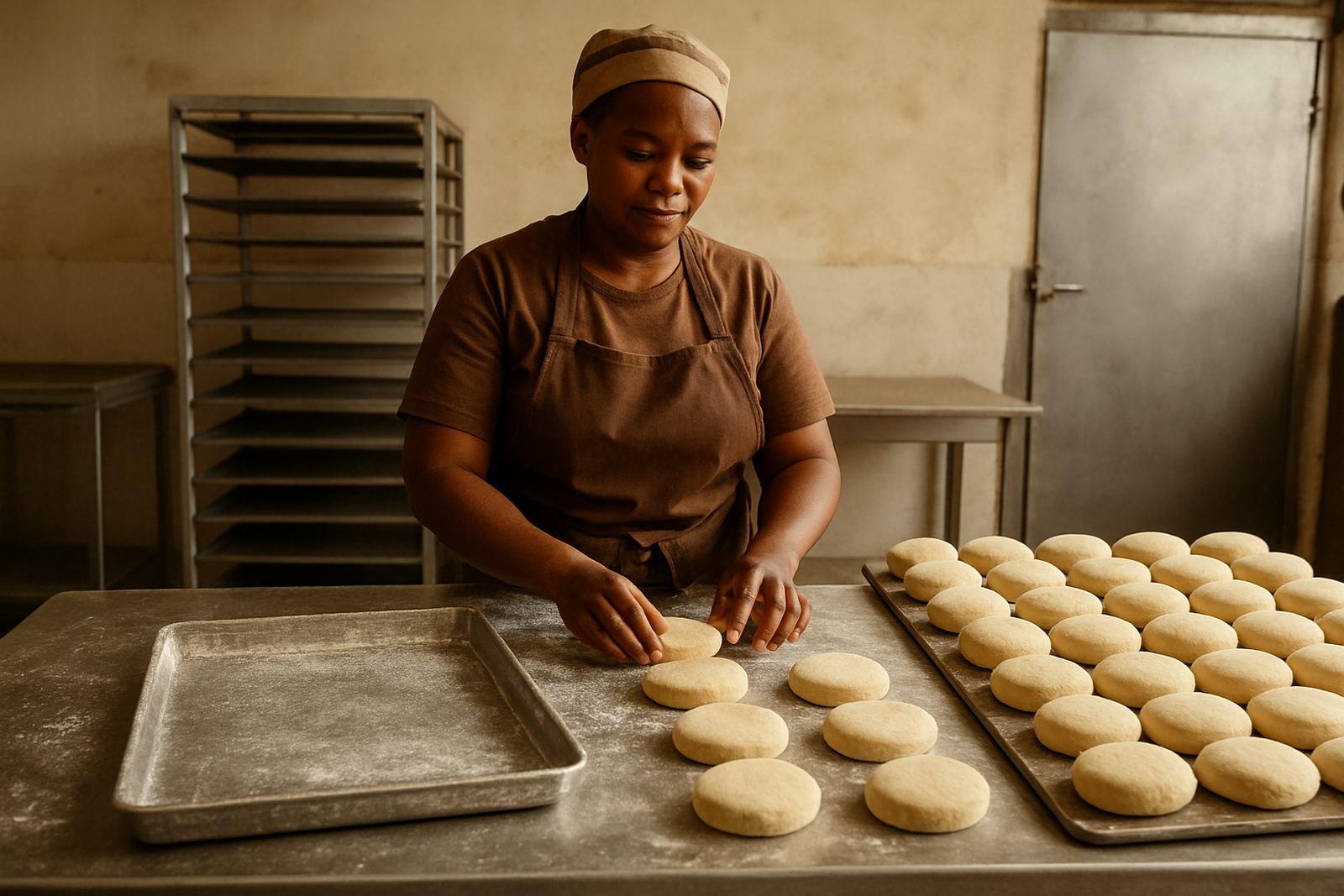
Steel scone trays built for daily oven work
Our scone trays are made for bakeries that bake at pace and still need a neat finish on each batch. They are formed from steel sheet for steady heat transfer, clean release and better tray life than thin light-duty pans that bend after a few weeks. The tray sides and corners are made to stay square, which helps when you are loading, stacking, and moving trays through a hot plant bakery or a back-of-house kitchen.
These trays suit plain scones, glazed scones and savoury variations where shape and spacing matter. In busy production, an even tray base helps reduce scorching at the underside and supports a more uniform bake from centre to edge. If your team works with standard recipes and fixed bake times, it makes day-to-day control much easier.
We supply from our Westmead, Pinetown base and work with bakeries in Durban, New Germany, the Upper Highway and further afield across KwaZulu-Natal and nationally. For many customers the key need is simple: trays that fit the oven, last in service, and can be reordered in the same size later on.
Sizes, layouts and finish options
Scone trays are usually specified around the number of portions per tray, the oven rack size, and how the product is handled on the line. Some bakeries want open trays for faster loading and cleaning, while others prefer a deeper rim for better control when trays are moved between prep, proof and bake. We can make trays to suit your existing process rather than forcing a change in the way your team works.
- Standard tray layouts for single, double or multiple rows of scones
- Custom tray sizes to match existing oven racks and trolley shelves
- Plain steel finish for general use in dry bakery conditions
- Heavier gauge options where trays are handled hard or stacked often
- Perforated or solid bases, depending on bake style and bottom colour targets
For bakeries that run mixed lines, we often build scone trays alongside bread pans and custom trays so the whole bakeware fleet stays consistent in size and handling. That helps with storage, rotation and replacement planning. If you need a matching set for different products, we can work from sample trays or dimensions taken on site.
Where scone trays work best
Scone trays are used in plant bakeries, hotel kitchens, retail bake sections and catering operations that need repeatable batches. They are well suited to businesses that produce fresh scones early in the morning for same-day sale, or to commissary kitchens that bake ahead and finish on demand. In coastal areas like Durban, Hillcrest and the wider eThekwini region, steel trays also need to cope with humidity and regular washing without warping or rusting too quickly.
If your bakery does a lot of volume, the tray needs to be easy to move, stack and cool without losing shape. If you are running a smaller kitchen with one deck oven or a batch oven, the same tray still needs to load neatly and give a proper result with a limited number of cycles. We look at the real use case, not just the product drawing.
- Retail bakeries with early morning production
- Hotels, lodges and conference kitchens
- Plant bakeries and central kitchens
- Catering teams needing consistent tray counts
- Food service operations replacing worn or bent trays
Oven fit, handling and utility needs
Scone trays themselves do not need power or gas, but they must suit the oven system they are going into. Before ordering, check the internal oven width, depth and usable shelf space, plus any lip, rail or guide that could catch a tray on the way in. If your oven has fan circulation, the tray spacing and side clearance also matter. Too tight and you lose air movement, too loose and the tray may shift during loading.
We always advise customers to confirm the trolley, rack or shelving arrangement as well. A tray that fits the oven but not the proving rack or cooling trolley creates extra handling and wasted time. Where possible, send us one sample tray, a sketch, or exact measurements. If you are replacing a tray that is already in service, measure the outside size, the rim depth, and the usable product area, not only the overall sheet size.
- Check oven rack size, shelf spacing and guide clearance
- Confirm whether trays are loaded by hand or on trolleys
- Allow for gloves and safe handling in hot conditions
- Note if trays must pass through proofing, cooling or storage racks
Care, recoating and tray life
Good tray care starts with clearing flour, crumb and glaze residue after each run. Let trays cool before washing or wiping so the steel does not take unnecessary stress. In many bakeries a simple cleaning routine makes a big difference to tray life. If trays are left wet in a stacked pile, especially near the coast, they can stain or pit faster than expected.
Bakerite also provides tray recoating, pan straightening, corner repairs, rim repairs and weld repairs for bakeware that still has usable life in it. If trays are only slightly bent, they can often be brought back into line instead of replaced. That can save money when you are running a full production programme and cannot afford downtime. Deep cleaning is useful where old bake on build-up is affecting release or appearance.
We recommend inspecting scone trays regularly for bowed bases, cracked corners, loose welds and worn rims. Small faults are easier to sort before they become a full tray failure. Keep damaged trays separate so they do not get mixed back into daily use by mistake, it happens more often than people think.
What to check before you order
When ordering scone trays, the best results come from clear measurements and a simple description of how the tray will be used. Tell us whether the tray is for plain scones, glazed scones or savoury items, and whether you need a solid or perforated base. If your bakery uses a standard recipe, it also helps to know the approximate dough weight per portion and the number of pieces per tray.
Before you place an order, check the following:
- Outside tray size and usable baking area
- Number of scones per tray
- Rim height and stacking clearance
- Steel thickness or gauge required
- Oven type and rack spacing
- Whether a sample tray or drawing is available
If you are replacing an old batch, send the worn tray with a note on what must stay the same and what can improve. That saves time and avoids errors. Our team in Westmead can help with practical checks and can advise if the tray should be made slightly stronger for hard plant use or frequent transport between sites.
Key facts
| Product | Scone trays for plain and glazed scones |
|---|---|
| Material | Steel bakeware construction |
| Use | Retail, catering, hotel and plant bakery production |
| Options | Solid or perforated bases, standard or custom sizes |
| Support | Recoating, straightening, rim and corner repairs |
| Base | Westmead, Pinetown, KwaZulu-Natal |