Start With What Failed, Not Just What Looks Worn
The right call depends on the actual damage. A pan with tired coating is very different from one with a bent rim, cracked weld or a base that has lost its shape. In Westmead and across KZN, many bakeries send in a mixed batch and find only part of it needs replacement, the rest can be put back into service.
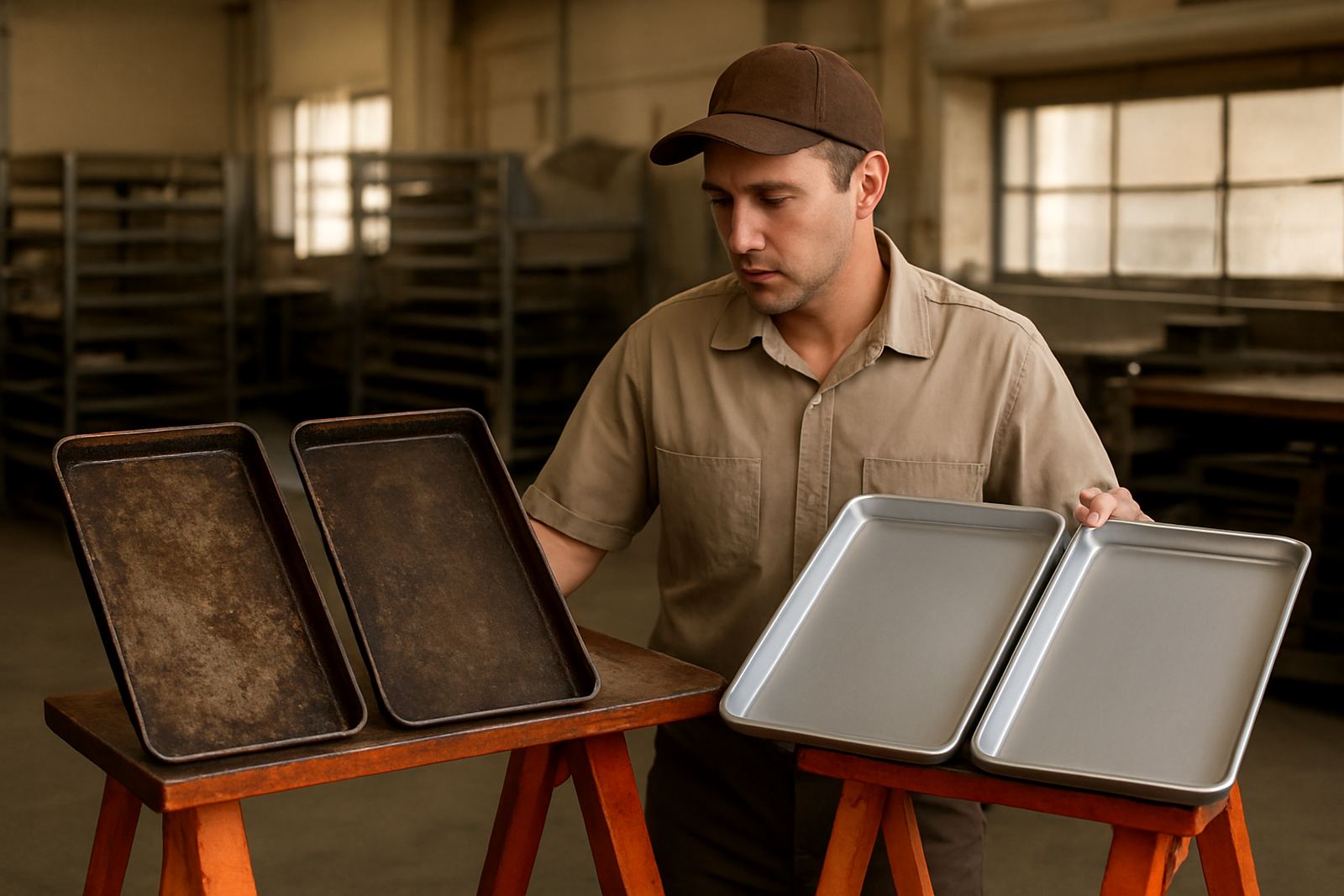
Recoating works best when the body of the item is still sound. If the steel is straight, the seams are holding, and the tray or pan still fits your racks and ovens, service work often gives you more life for less money. New purchase makes more sense when the item is warped beyond correction, rust has started spreading through the metal, or the original size no longer matches the job.
- Check for flaking coating, not just brown marks from heat.
- Look for bends at the corners, rims and handles.
- Inspect welds and seams for hairline cracks.
- Confirm the item still sits flat on the oven floor or rack.
When Recoating Gives Better Value
Recoating is usually the better option when you need to keep the same tray or pan size, especially for plant bakeries running fixed lines. It also helps when the steel is a heavier gauge and the frame still has life left. For many operations, the saving is not only in Rand, but in avoiding a full changeover and retraining staff on new handling habits.
At Bakerite, service work can include Pan Recoating, Tray Recoating, Deep Cleaning and straightening, which is useful when a batch has mixed wear. That matters in a bakery where some pieces are worn from constant use and others are still fine. In humid coastal areas, recoating can also help slow further surface damage if the item has been cleaned and stored properly.
- Best for sound steel with worn release surface.
- Useful when matching existing rack sizes or oven decks.
- Helps extend the life of larger batches without replacing everything at once.
- Can reduce waste when only part of the load is finished.
When New Bakeware Is the Better Call
New is the safer route when the damage affects structure or safety. If a tray has twisted so it no longer stacks properly, if a bread pan has split at the corners, or if weld repairs would cost close to a replacement, then buying new usually makes more sense. This is also true where hygiene standards are strict and the old item has deep pitting, burnt residue or persistent contamination that cleaning cannot remove.
For hotels, retailers and contract bakeries, consistency matters too. If a line has to turn out the same loaf or product every shift, tired bakeware can change heat distribution and product shape. That can lead to rejects, complaints and more labour. New items are often the better option when the old set has reached the end of its working life and the oven team is spending too much time sorting, straightening or patching.
- Choose new if the steel is cracked, badly warped or thinning through.
- Choose new if repairs would not restore proper fit or flatness.
- Choose new if hygiene concerns remain after cleaning and inspection.
- Choose new if the batch is small and replacement is quicker than repair.
A Simple Site Checklist Before You Decide
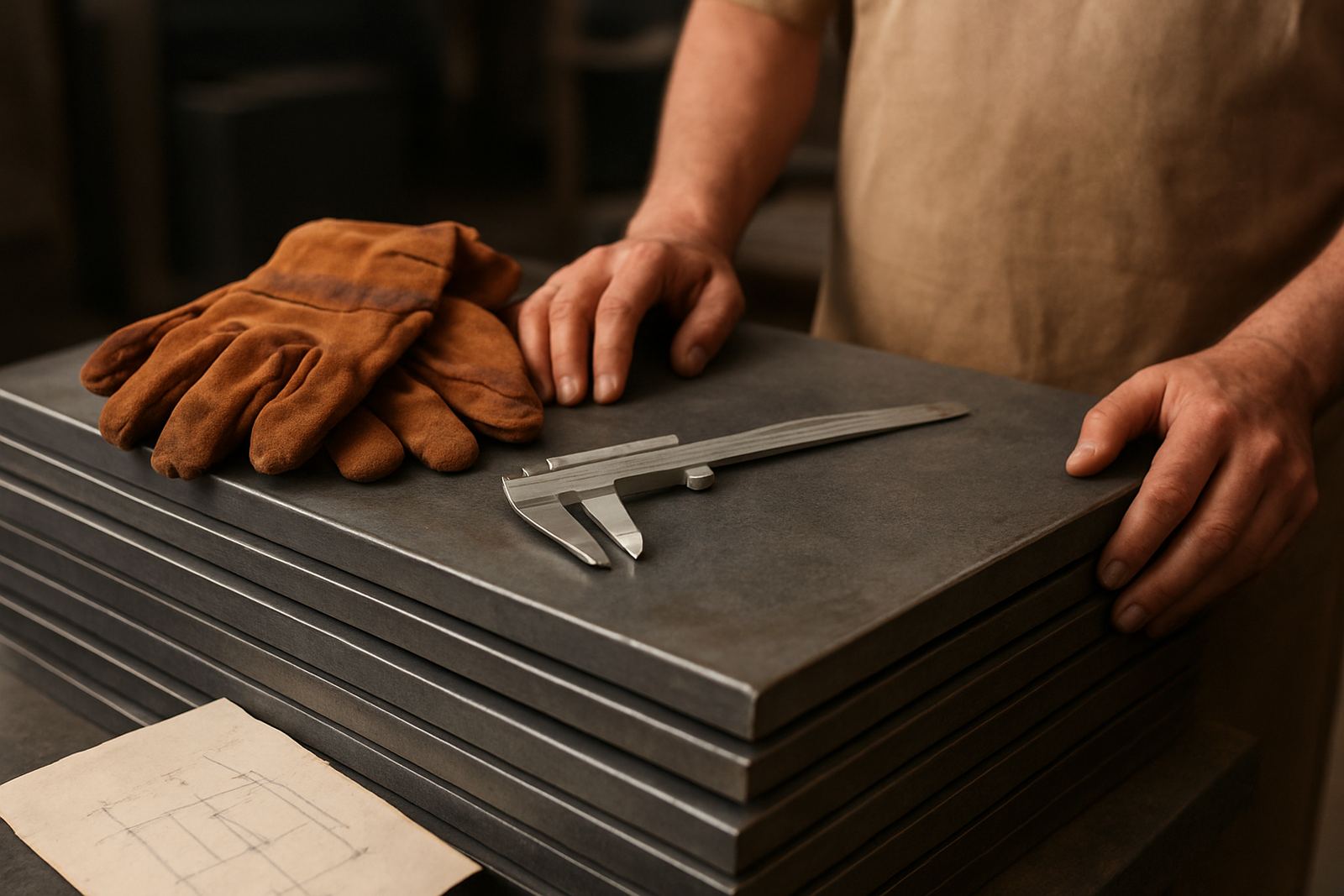
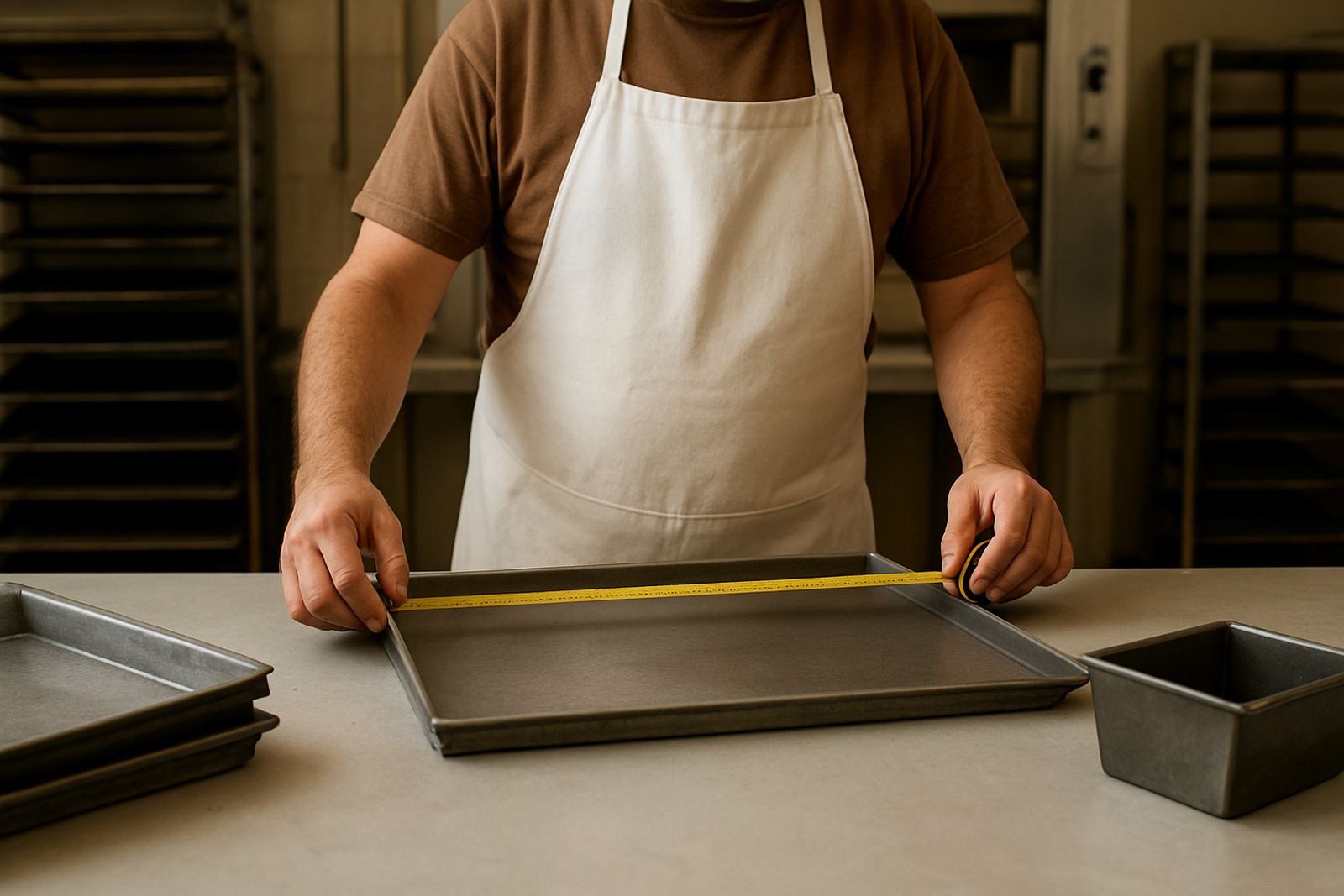
Before you book anything in, walk through the batch with your production or kitchen team. A proper check at the plant, hotel kitchen or bakery floor will show whether the item is worth saving. Do not judge only by appearance. Some of the worst looking pans are still mechanically sound, while a neat item can have hidden damage inside the seam.
Use this short checklist and mark each item as repair, replace, or inspect again after cleaning. If you are based in Durban, Pinetown or further up the coast, also check for salt air corrosion and storage conditions. Load-shedding can make cleaning cycles irregular, so a build-up of old residue may hide wear.
- Is the item still the correct size for your oven or rack?
- Does it sit flat without rocking?
- Are the corners, rims and welds still intact?
- Is the surface worn only, or is the metal damaged?
- Can deep cleaning remove the residue without harming the steel?
- Will service work cost less than a new item once downtime is added?
What Repairs Can Be Added To A Recoat Job
Recoating is often one part of a wider repair list. On older trays and pans, small damage can be dealt with at the same time so the item comes back cleaner and more usable. This is especially useful for bakeries that keep long runs going and cannot afford to retire a whole batch because of a few loose corners or minor dents.
Common repairs include Pan Straightening, Corner Repairs, Rim Repairs, Lid Repairs, Weld Repairs and Spare Lids where needed. A Fleet Assessment is also worth doing if your operation has many similar items in circulation. It helps separate the pieces that need service from the ones that should be replaced now, not after a breakdown.
- Combine recoating with straightening where the item has minor distortion.
- Repair lids and rims if the seal or fit is still important to the process.
- Use fleet checks to avoid mixing good stock with items past service life.
- Group work by size and condition to cut handling time.
How To Decide On Cost, Time And Downtime
The cheapest quote is not always the cheapest outcome. You need to look at repair cost, transport, turnaround and the time your team spends working around damaged bakeware. A quick recoating job that returns a batch to service in good condition can be better than a new purchase that delays production, especially when stock is tight and orders are already booked.
A practical rule is this: if service work gives you a usable item for much less than replacement, and the turnaround fits your production plan, then recoat. If the item needs heavy metal work, still looks unsafe after cleaning, or will likely fail again soon, replace it. For plant bakeries supplying nationally, a mixed strategy often works best. Save the sound steel, replace only the items that cannot be trusted, and keep one clean record of what was done to each batch.
Based in Westmead, Pinetown, Bakerite supplies plant bakeries nationally from its KwaZulu-Natal base, so the focus stays on practical service, fit and repeat use, not just a once-off sale.