Start with the oven and the product you bake
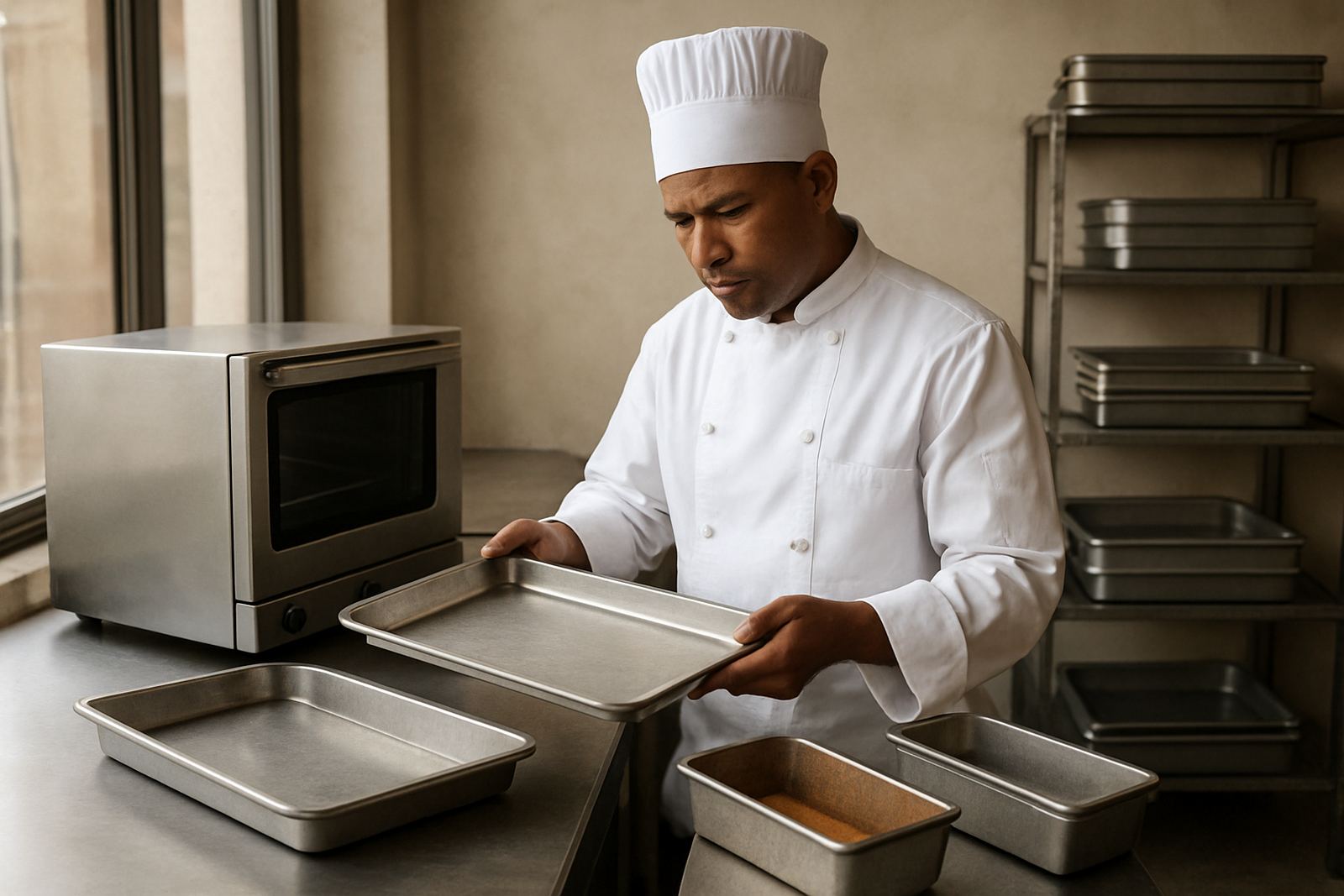
Before you order floor tiles, note the oven make-up and what actually runs through it each day. A plant bakery baking tin loaves, buns or rolls has different needs to a hotel kitchen or a retailer doing smaller batches. The tile has to suit the deck size, the heat pattern and the way the product is loaded and turned. If the fit is wrong by even a few millimetres, you can end up with shifting tiles, heat loss and awkward cleaning around the edges.
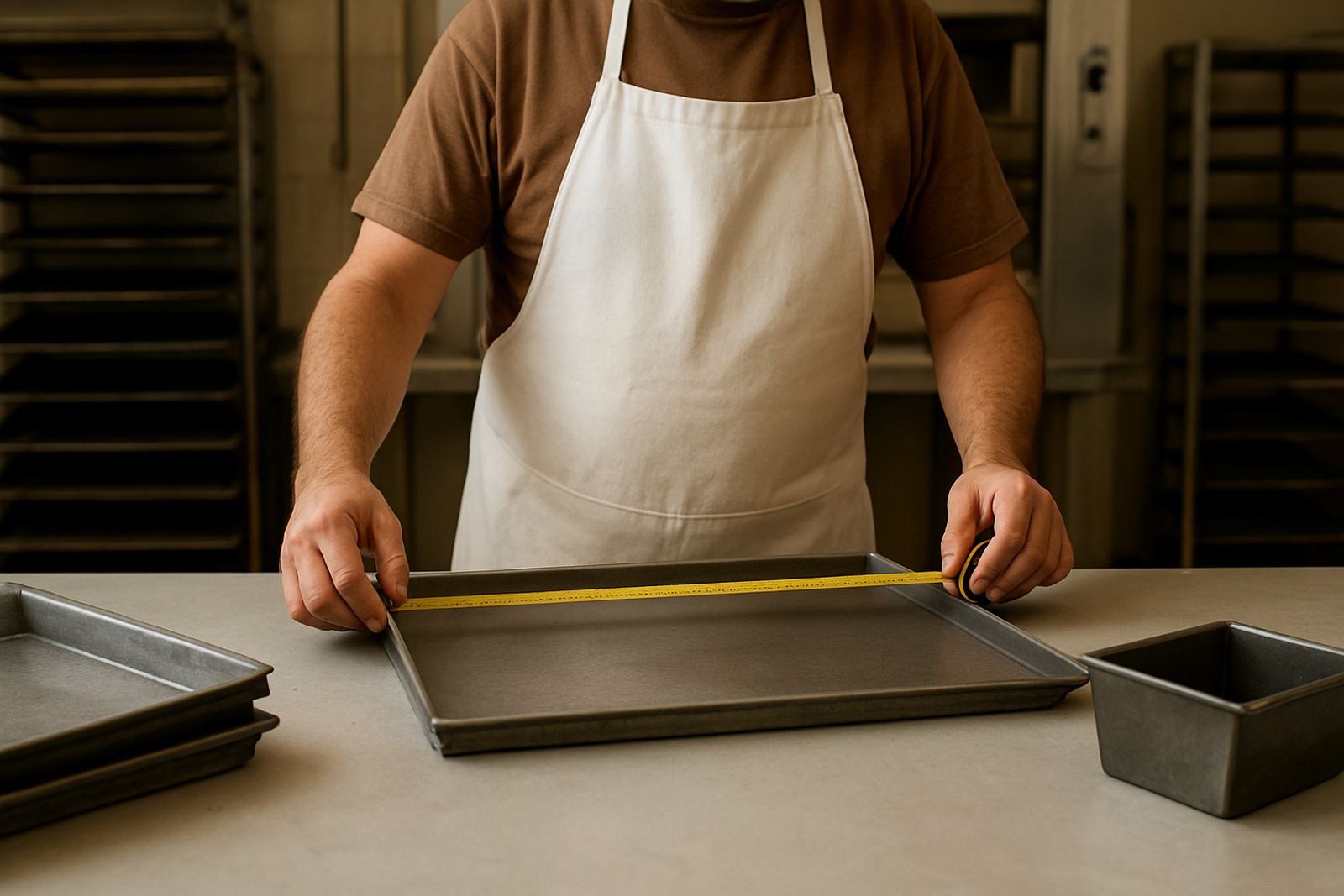
Measure the oven deck carefully, including the usable floor area, access points and any breaks caused by burners, rails or supports. In Westmead, Pinetown and across KZN, we often see ovens where the original floor has been patched over the years, so the first job is to check what is still standard and what has changed. A quick site check is worth more than guessing from old drawings that no longer match the oven.
- Deck length and width in millimetres
- Tile thickness and material grade if known
- Number of tiles per deck or section
- Any damaged, warped or missing pieces
- Clearance needed for loading and cleaning tools
Choose the right steel thickness and finish
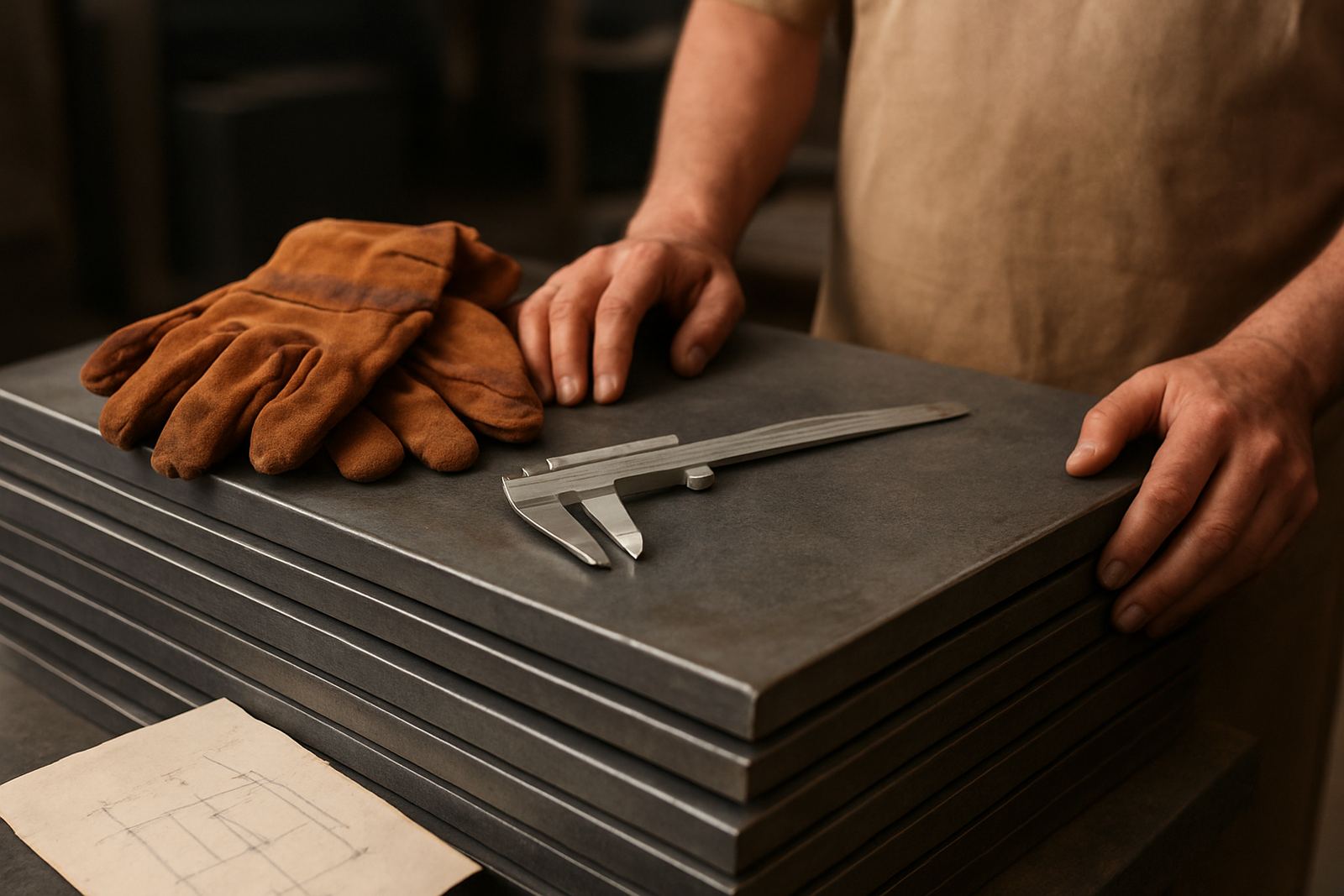
Steel floor tiles need enough body to stay flat under repeated heating and cooling. Too light and the tile can buckle, bow or wear through faster. Too heavy and it may be harder to handle during changeovers, especially on larger ovens where tiles are lifted often for cleaning. The right choice depends on the heat cycle, how many hours the oven runs, and whether the bakery is near the coast where humidity can affect storage and handling.
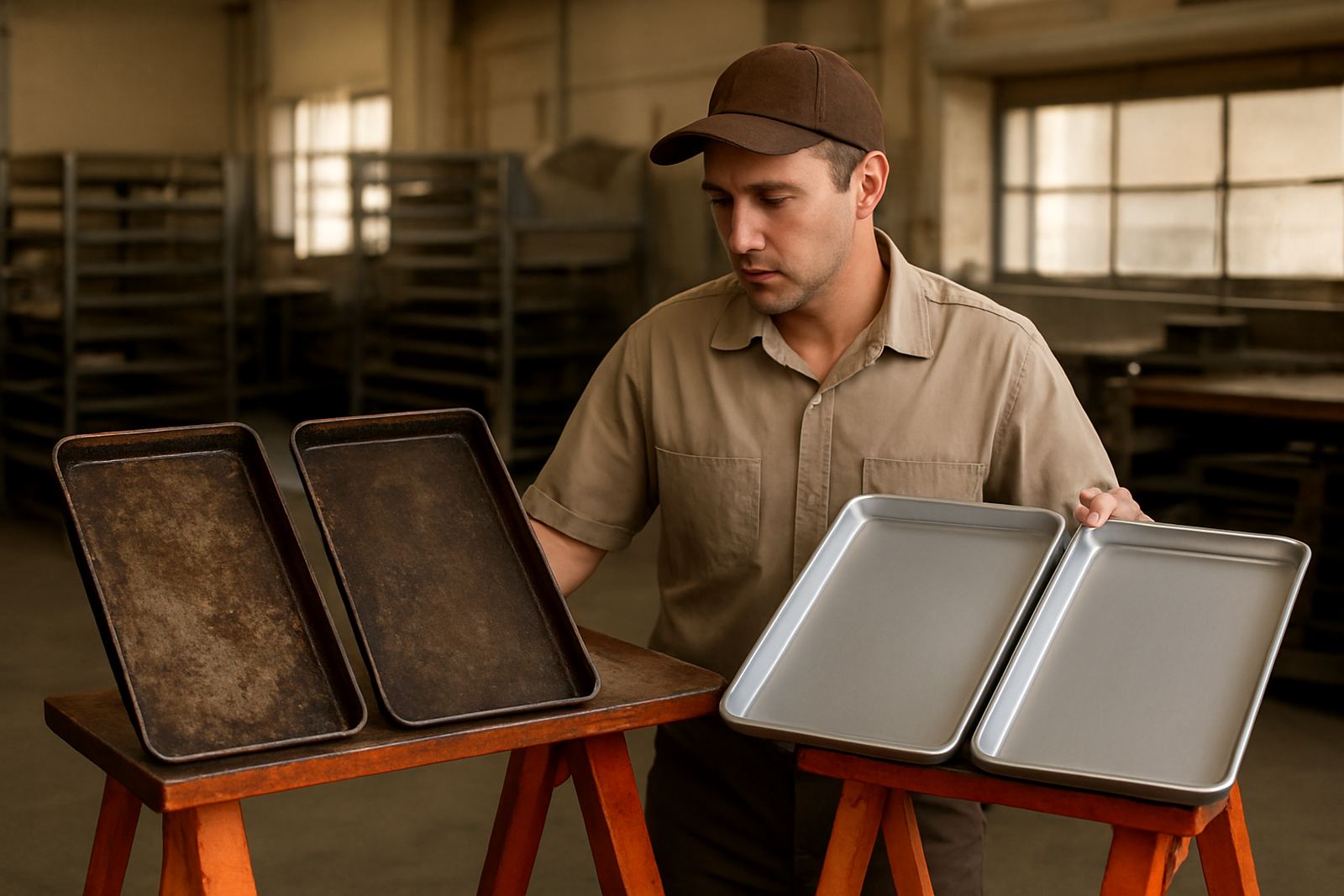
Finish matters as well. A clean, even surface helps with release and makes wash-down easier. If the tile has old scale, pitting or deep scoring, that surface will keep collecting dough and grease. For bakeries that run long shifts with load-shedding backups or variable production, consistency is important because equipment gets handled more often and less gently than planned.
- Ask for a thickness that matches the oven duty, not just the cheapest sheet size
- Check whether the finish suits your cleaning method
- Consider corrosion risk if the bakery is coastal or the store room is damp
- Replace tiles in matched groups if wear is uneven across the deck
Check fit, alignment and heat transfer
Good oven tiles should sit flat, meet cleanly at the joints and stay where they are placed. Gaps cause hot spots, while tiles that are too tight can lift when the oven expands. The aim is not only a neat floor, but even heat across the deck so the first tray and the last tray bake the same. That matters when you are supplying supermarkets, hotels or a bakery chain and batch consistency counts.
Look at the supporting frame or bed under the tiles too. If the base is bent or tired, even new steel tiles will not last long. We often advise a fleet assessment where the tiles, pans and trays are checked together, because small alignment faults can show up as repeated damage. In a busy bakery one loose tile can turn into a daily nuisance very quickly.
- Tiles should lie level with one another
- Joints must allow for heat expansion
- Edges should not catch on loaders or scrapers
- Any warped support rails should be repaired before new tiles go in
Plan for cleaning, handling and replacement
Floor tiles are working parts, so think about how they will be cleaned and moved. If a tile is awkward to lift or too heavy for one person to handle safely, it may be ignored during cleaning and then wear unevenly. That is when small faults become contamination risks. For bakeries working under tighter municipal and food safety rules, easy cleaning is not a nice-to-have, it is part of compliance.
Ask how the tile will be lifted out, where it will be washed and how it will be dried before refitting. Wet storage can lead to rust marks and stuck-on residue. A simple handling routine saves a lot of trouble, especially where the bakery is short-staffed or running night shifts. A missing tile should also be easy to replace without stripping half the oven.
- Keep a labelled spare set for fast replacement
- Store cleaned tiles in a dry area off the floor
- Use gloves and lifting tools where tiles are heavy
- Record which positions wear fastest so replacements are targeted
Decide when to repair and when to replace
Not every worn tile needs immediate replacement. Some can be straightened, cleaned or brought back into service if the damage is light. If the edge is bent, a corner is lifted or the surface has localised wear, repair may be the sensible option. If the tile is badly warped, cracked at several points or has lost too much metal, replacement is the safer call. We see this often in older plant bakeries where one deck carries mixed ages of tiles.
It helps to split the work into three groups: keep, repair and replace. That makes budgeting easier and gives production a clearer plan. On busy sites in Durban, Pinetown and the Upper Highway area, this sort of staged approach avoids shutting down an entire line for a small fault. If you are buying for a new oven, it also helps to order a few spares at the same time, so you are not waiting later on.
- Repair light bends, rim damage and local wear
- Replace tiles that no longer sit flat
- Match new tiles to the existing deck size and layout
- Keep a count of spares for emergency cover
Use a simple checklist before you place the order
A clear order saves time on both sides. Before you send through sizes, check the oven number, deck dimensions and what is being replaced. If you are ordering from a base in Westmead, Pinetown or elsewhere in KwaZulu-Natal, the faster your measurements are the quicker production can move. A good supplier should be able to work from a proper checklist and ask the right follow-up questions.
Have the site team confirm what is needed, then pass one person to sign off the order. That cuts down on mistakes when there are several people involved. It also helps when the bakery runs across more than one branch or service area and each site has its own way of describing the same part.
- Oven name, deck number and section
- Exact tile size and quantity needed
- Material thickness or sample if available
- Repair, replacement or full deck renewal
- Delivery address and any off-loading limits
For plant bakeries, retailers and hotels, the best floor tiles are the ones that match the oven, the workload and the cleaning routine. Get those three things right and you reduce waste, keep heat even and avoid unnecessary downtime.