From hand-filled tins to line-speed production
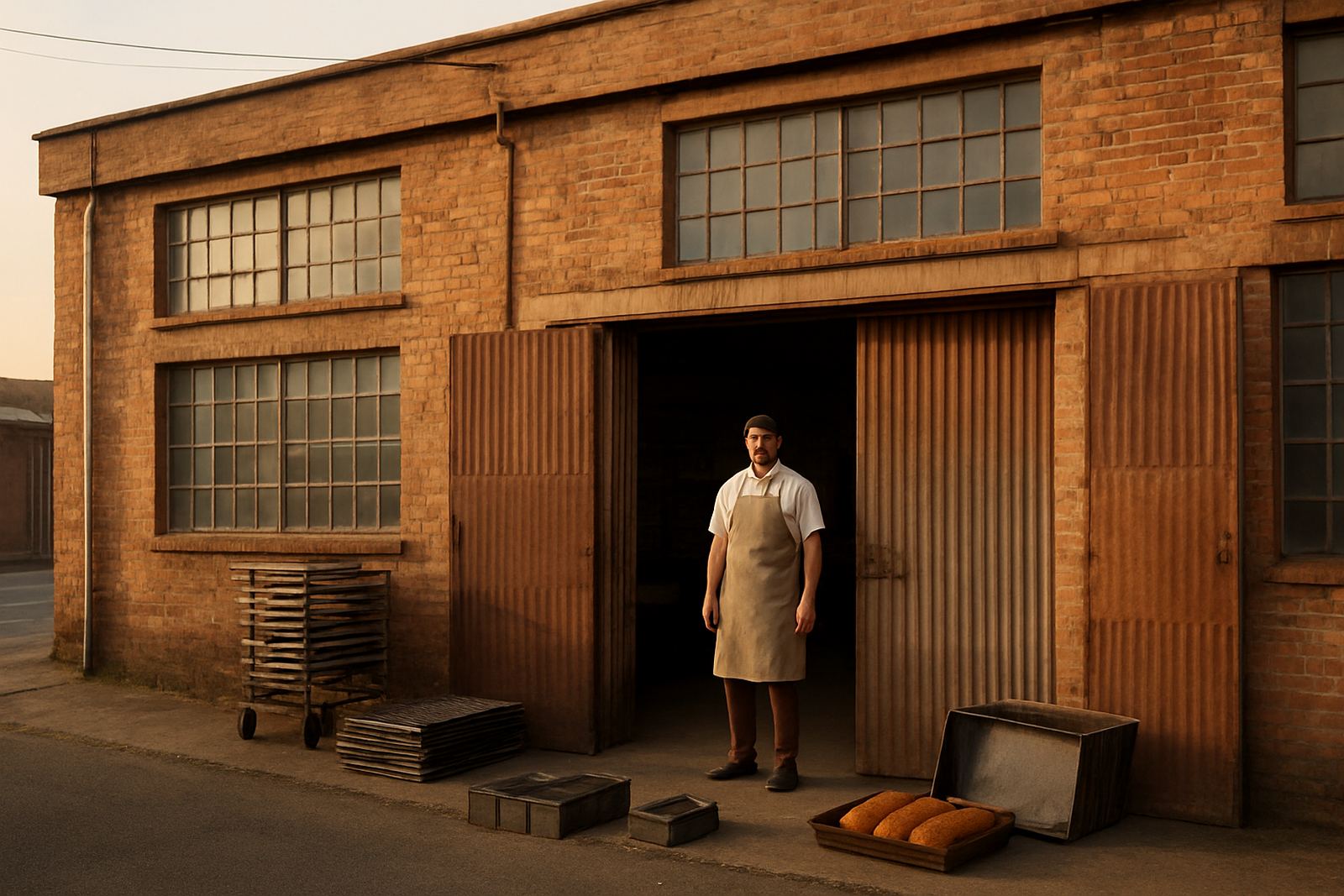
Early commercial bread pans were made for smaller batches and slower movement between bench, proofing area and oven. In many bakeries the same basic pan had to do everything, so if a pan dented or twisted it was often kept in service for far too long. As output grew, especially in plant bakeries supplying supermarkets, schools and hotel groups, the pan had to become part of a system rather than just a container.
That change is easy to see on a production floor. Where a baker once loaded a few trays by hand, a modern line may move thousands of loaves a day through filling, proving, baking, depanning and return handling. A pan now has to hold shape, stack properly and release the loaf cleanly. If one pan jams the line, the whole shift feels it.
Why steel floor tiles became the standard for heavy use
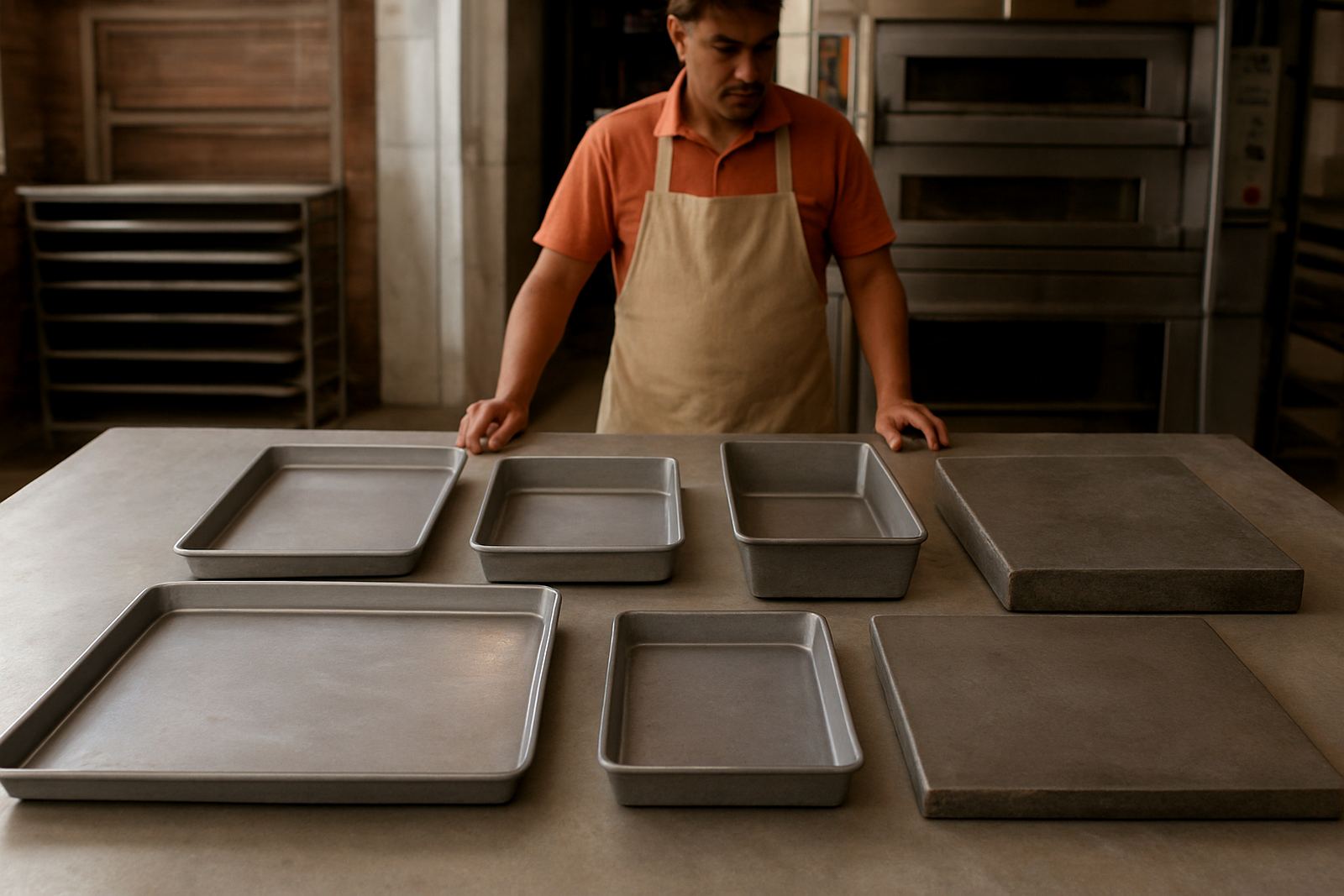
For high-output bakeries, the original steel oven floor tile remains a practical answer because it can take heat, repeated loading and rough handling better than light pans. Bakerite has been making industrial bakeware in Westmead, Pinetown since 1997 and is the sole maker of the original Bakerite steel floor tile. That matters when a bakery wants consistent fit, not a makeshift substitute that needs constant adjusting.
Steel gives you predictable baking performance across a full shift, especially where ovens run hot and operators work under time pressure. In KZN coastal conditions, where humidity can affect storage and handling, a pan that is straight and properly maintained will last longer than one that sits bent in a back corner for months. A good tile should support the product, not fight the process.
- Better heat transfer for even baking
- Less warping under repeated loading
- More stable stacking and handling
- Cleaner release when the pan is kept in shape
Handling needs changed the pan more than recipe changes did
Many bakers talk first about loaf size or flour blend, but handling is often what changes pan design in practice. As lines got faster, pans had to suit mechanical movement, faster filling and quicker emptying. Edges had to survive lifting by gloved hands, hooks, racks and trolleys. Corners started taking more damage, and rim wear became a real maintenance issue instead of a once-in-a-while fault.
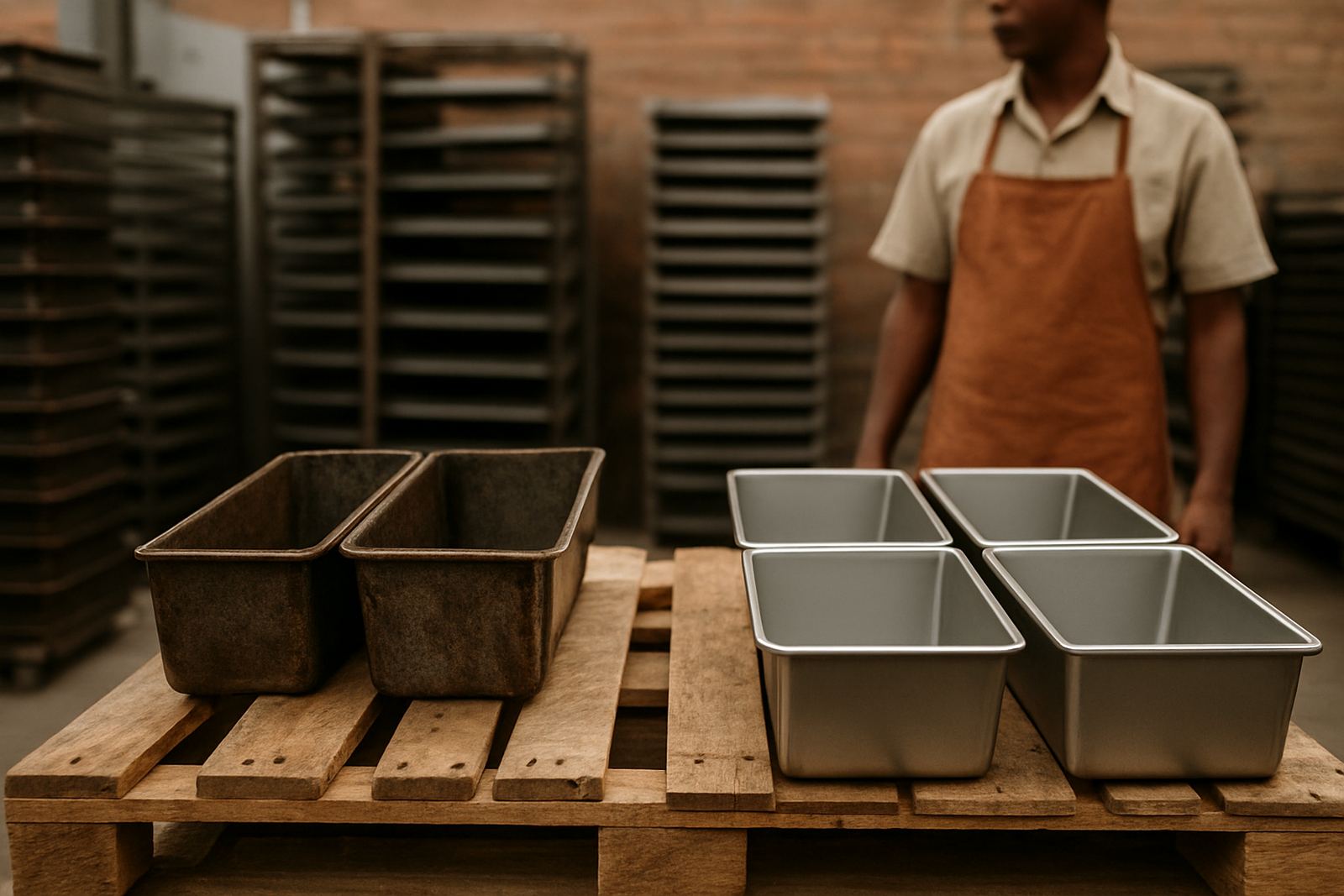
That is why pan repair services now matter as much as fabrication. Pan recoating, tray recoating, pan straightening, corner repairs, rim repairs, lid repairs and weld repairs all keep existing stock in use for longer. A bakery does not always need to replace a full fleet when only part of it has worn out. Fleet assessment and deep cleaning can show which pans are still worth saving and which ones are costing the plant money every week.
- Check for twist before the pan starts sticking on the line
- Look at welds near the corners and lifting points
- Inspect rims for wear where trays rub in stack movement
- Remove carbon build-up before it causes uneven release
What plant bakeries look for now
Today, plant bakeries need pans that work across long shifts, often with more than one crew touching the same equipment. The pan has to travel from storage to filling, through proofing, into the oven, then back through cooling and cleaning with as little downtime as possible. If the bakery supplies branches in Durban, Pinetown, the Upper Highway or further afield, even small delays in pan turnaround can build into lost output by the end of the week.
Hotels and retailers have a different pressure point. They may not run the same volume as a full plant bakery, but they still need consistent size, neat presentation and reliable delivery dates. A custom tray can solve a packaging or product issue more cleanly than forcing a standard pan to do a job it was never shaped for.
Practical buyers usually ask for three things first: exact size, long service life and a supplier who can repair instead of simply replacing. That is where an experienced local maker helps, because the advice starts with how the pan will actually be used on your floor, not in a catalogue.
A Durban example: keeping lines moving after the morning rush
Picture a bakery in the Durban supply area running from before dawn to late morning. The first shift has loaded pans quickly, the oven room is warm and the cleaning team is already working around returned equipment. If a few pans have bent corners or a damaged lid, operators start slowing down to sort stacks by hand. That is where the loss begins, not with a dramatic break but with tiny delays repeated many times.
In a case like that, a fleet assessment can separate the pans that need straightening from those that only need recoating or weld repairs. The bakery can then keep enough good pans in circulation while the damaged ones are repaired and returned. It is a practical way to manage stock, especially when load-shedding has already forced the plant to tighten its timing around proofing and oven runs.
For bakeries near the coast, deep cleaning also matters because residue and moisture can build up faster than expected. Clean pans are easier to inspect, easier to stack and less likely to hide early damage. That saves time on the floor and cuts down on surprise failures later in the week.
Choosing repair, replacement or custom fabrication
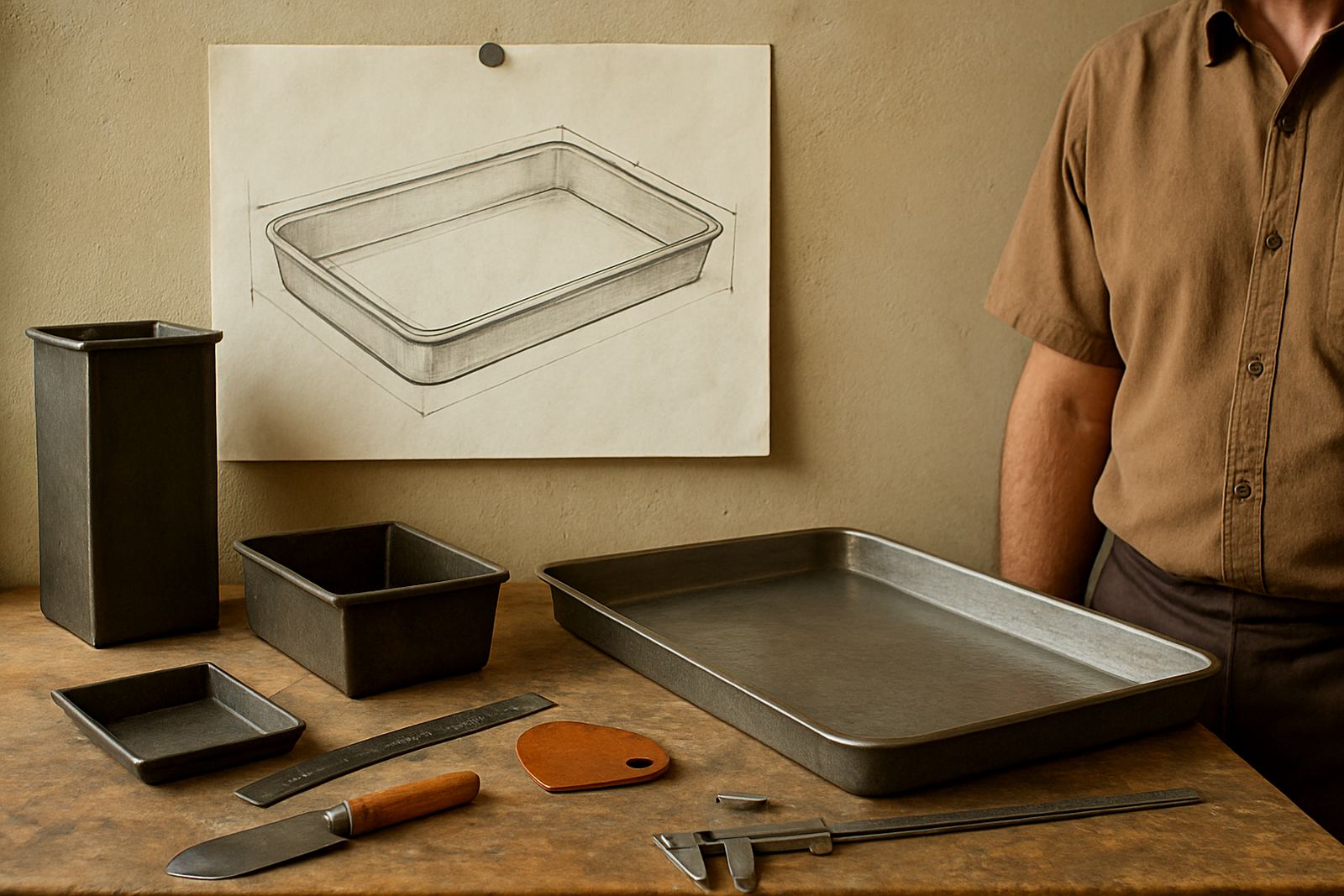
The best bakery managers do not assume every damaged pan should be scrapped. A worn pan with sound steel can often be brought back through recoating, straightening or selective repairs. If the shape is wrong or the current stock no longer suits the line, then custom trays or new pans may be the better choice. The point is to match the fix to the workload, not to buy more than you need.
At Bakerite, the work is based in Westmead, Pinetown and supported nationally for plant bakeries, retailers and hotels. The team includes Sibusiso Ntuli, Priscilla Naidoo, Themba Zulu, Ayesha Khan, Johan van Rensburg and Lerato Mokoena, so enquiries can move from assessment to production without a lot of handover delays. That kind of continuity matters when a bakery is trying to keep pan stock usable week after week.
- Repair when the pan is structurally sound
- Replace when twist, rust or fatigue has spread too far
- Order custom sizes when the product or line has changed
- Plan maintenance before breakdowns affect output
The lesson for modern bakeries
Bakery pan evolution is really the story of production becoming faster and less forgiving. Bigger output means tighter handling, more wear and less tolerance for bent corners or poor stacking. The pan that worked in a small bakery may not survive a plant line, and the pan that survived yesterday may already be slowing tomorrow’s shift.
For operators, the practical answer is simple: know what each pan is doing, inspect it often and repair it before small faults spread. Whether the need is a steel floor tile, bread pans, custom trays or a repair service, the right equipment should make the line easier to run, not harder. That is the difference between buying bakeware and managing a bakery properly.