Steel handles daily oven work without fuss
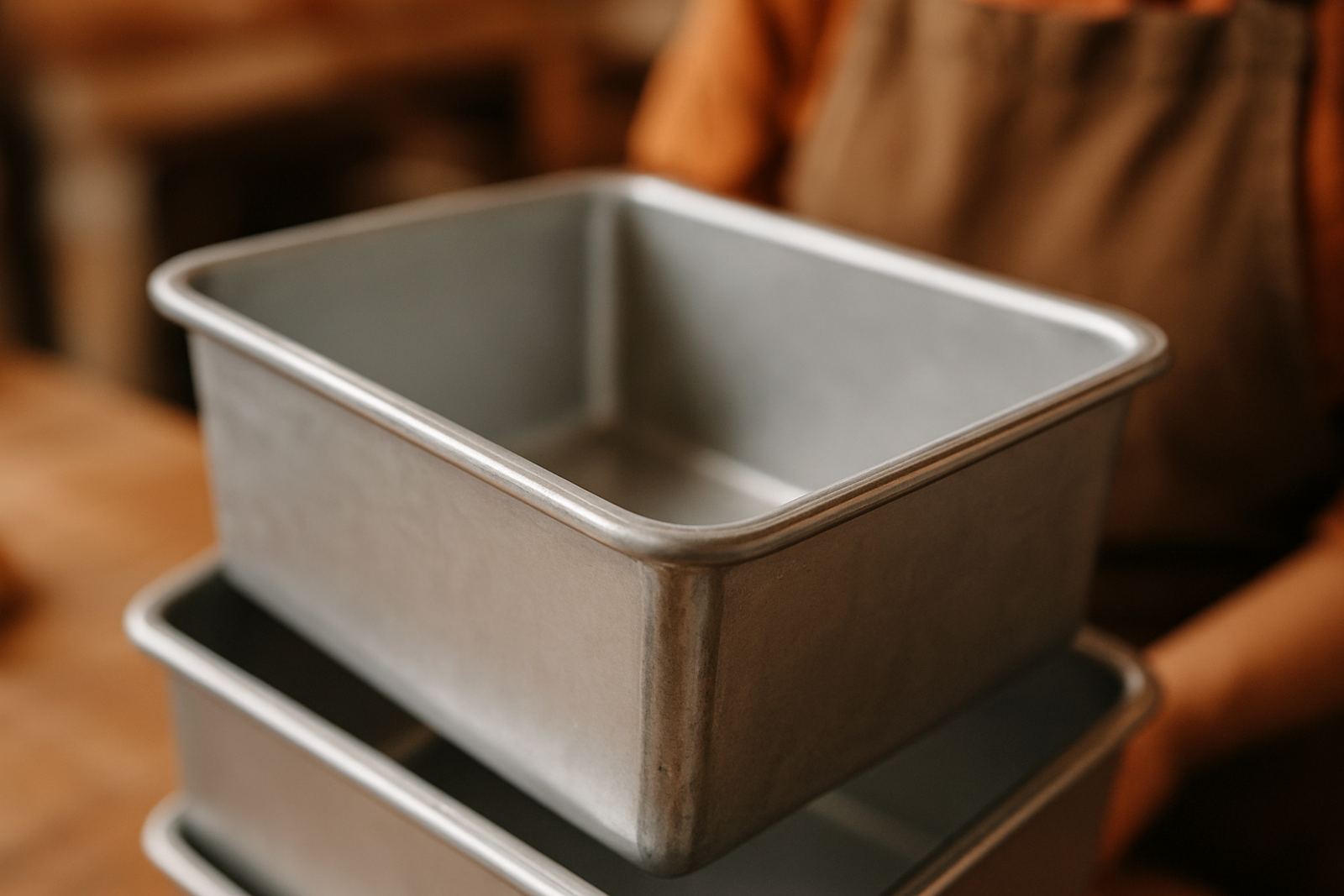
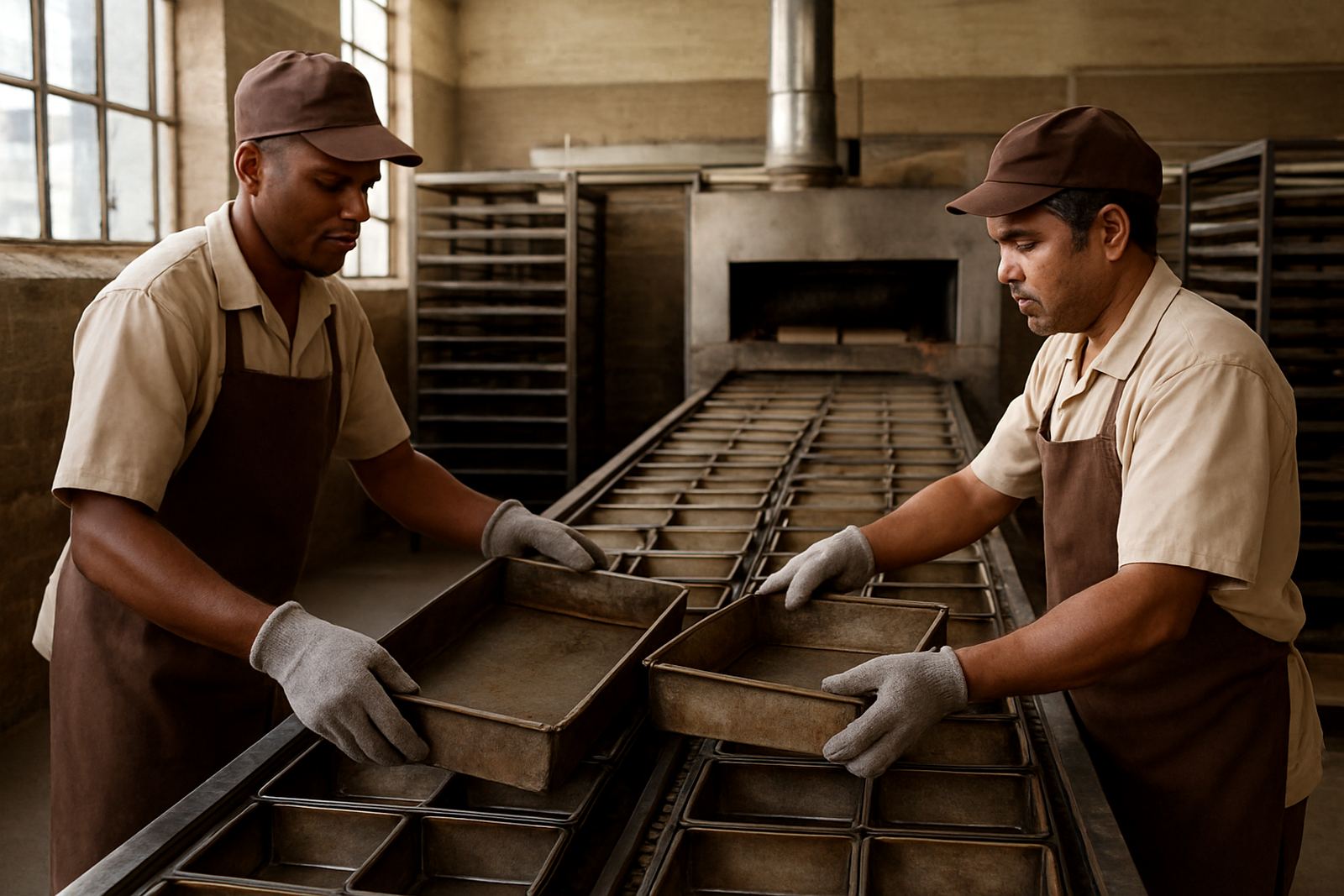
In a busy bakery, pans and trays are moved fast, stacked tight and put back into service again and again. Steel copes with that routine better than many lighter materials because it keeps its shape under regular use, even where ovens run all day and staff are loading at pace.
For plant bakeries, the main point is consistency. A steel pan holds a loaf shape properly, sits flat on the oven floor and gives reliable contact when heat needs to move through the base. That matters in production where a slight bend or twist can affect bake times and product finish.
Steel also suits the kind of heavy duty handling common in South Africa, from humid coastal kitchens in Durban to hotter inland sites where stores and bake rooms can be hard on equipment. It is not glamorous, but it gets on with the job.
Why heat transfer matters in bread pans and trays
Good baking is about even heat. Steel conducts heat well enough to help bread, rolls and tray products rise and set in a controlled way, especially in ovens that are opened often during a shift. That is one reason many bakeries still choose steel for floor tiles, bread pans and custom trays.
When a tray sits level, heat reaches the product more evenly. When a pan base is warped, you start seeing uneven crust colour, poor release or loaves that lean. Over time, those small faults add up to waste. In a production line, waste costs money, so the material choice is not only about price at purchase.
- Even base contact helps reduce hot spots in the oven.
- A straight pan supports repeatable loaf shape and size.
- Stable trays stack better and move safer through the bake room.
- Steel gives better control where oven loads change through the day.
Steel is practical when equipment needs repair
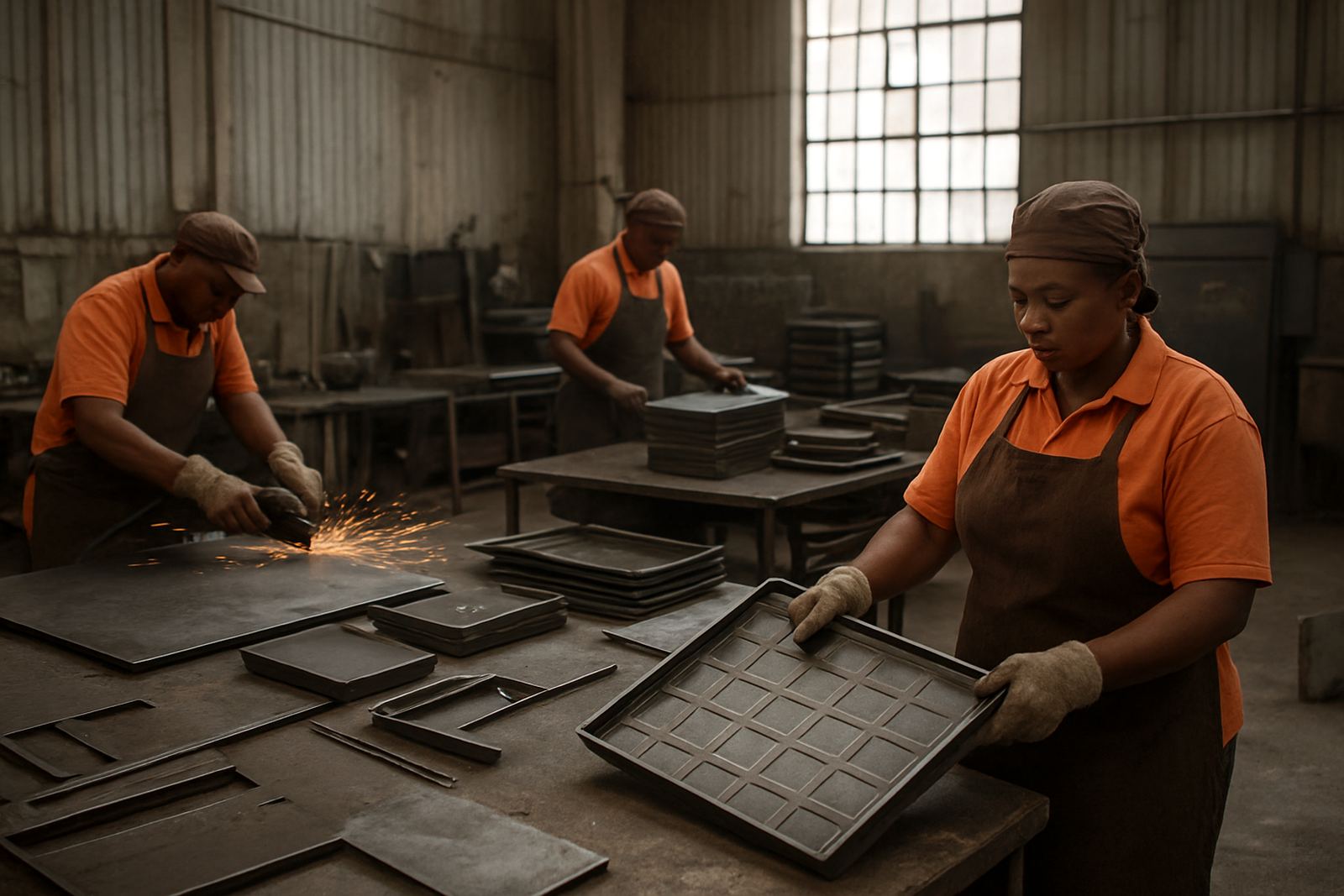
One strong point of steel bakeware is that it can be serviced instead of thrown away. Bent rims, tired corners, split welds and worn lids can often be repaired if the pan body is still sound. That is useful for bakeries trying to keep spend under control while protecting output.
At Bakerite in Westmead, Pinetown, the work is often as much about recovery as replacement. Recoating, straightening and repair work can give trays and pans a second life, which is sensible when a bakery has stock matched to its tins and ovens. If a tray is close to original size and shape, fixing it can be quicker than changing the whole line.
This is also where local support helps. A plant in KwaZulu-Natal facing load-shedding or a sudden production push can not always wait for long supply chains. Having steel bakeware that can be assessed, cleaned and put back to work locally can keep ovens running and staff on schedule.
Why bakeries still prefer steel in tough conditions
South African bakeries deal with more than heat. There is moisture at the coast, dust in storage areas, handling wear from shift work and sometimes rough transport between sites. Steel is dependable in those conditions if it is looked after properly and kept dry after washing.
Hotels and retailers often need bakeware that can move between prep rooms, ovens and display areas without failing after a few months. Steel suits that job because it can be used in high turnover environments where equipment is not treated gently. It may need more care than disposable thinking allows, but the longer service life makes sense.
- Works well in humid coastal kitchens when dried correctly.
- Handles repeated stacking, transport and oven loading.
- Can be straightened and repaired after knocks.
- Suitable for large production runs where consistency counts.
Matching the pan to the product saves headaches
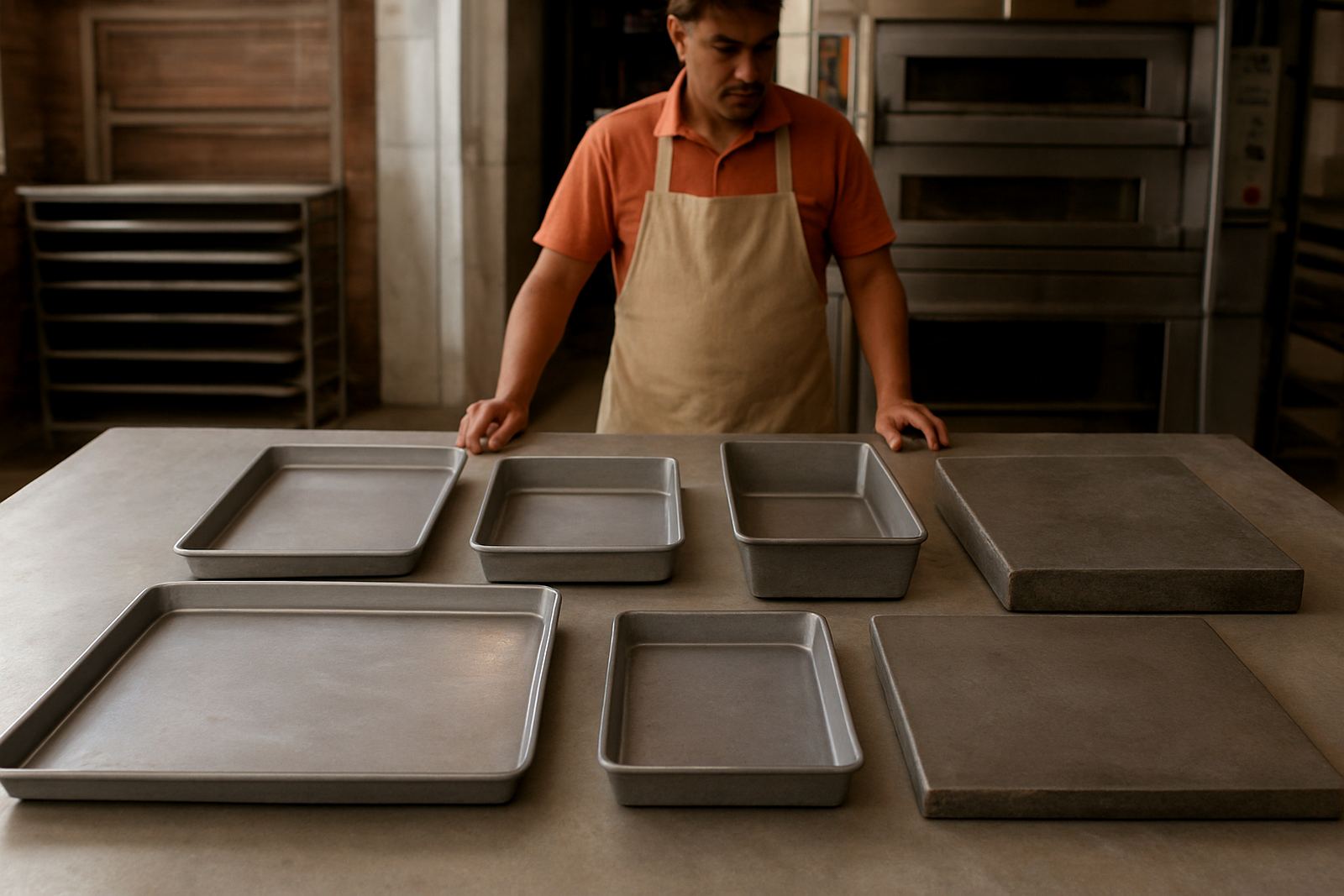
Not every bakery item needs the same pan. A bread pan for a plant line is different from a custom tray for a retailer or a hotel kitchen. The right gauge, depth, rim detail and finish depend on what is being baked, how often it is cleaned and how the product is released.
That is why practical buyers ask for bakeware that fits the oven and the recipe, not only the catalogue size. A tray that is too light can distort, while one that is too heavy can slow the process down. Custom work matters when ovens vary by site, or when a bakery needs to keep the same result across several branches.
For busy operations in Durban, Pinetown and the Upper Highway, this detail work can make a real difference. If one tray is off by a few millimetres it may still fit, but it might not bake the same, and that shows up in product quality pretty quickly.
A local example from Westmead to the production floor
Consider a bakery in the Durban side of the market that runs early starts, with trays moving from prep to oven before sunrise. The oven floor tiles must sit flat, the bread pans must line up with the rack spacing, and the tray set has to survive repeated cleaning and stacking through the week. If one batch bends, the whole line feels it.
In that setting, steel is useful because it can be checked, straightened and put back into rotation. A service team can assess wear, deal with corner repairs or rim repairs and advise whether recoating or replacement is the better call. That kind of decision is practical, not fancy, and it saves time for the bakery manager and production supervisor.
For a business based in Westmead, Pinetown and supplying nationally, the point is simple: steel bakeware supports real production work. It is familiar to operators, predictable in the oven and repairable when something goes wrong.
What to ask before you buy or repair steel bakeware
Before ordering or sending items in for service, it helps to ask a few plain questions. That way you get bakeware that matches your oven, your product and your cleaning routine. It also helps avoid buying the wrong size or over-specifying where a simpler part would do the job.
- Will the pan or tray sit flat on the oven floor or rack?
- Is the steel thickness suited to the load and the bake cycle?
- Can the item be recoated, straightened or repaired later?
- Do you need spare lids, deep cleaning or weld repairs as well?
- Is the finish suitable for your washing and storage method?
At the end of the day, steel lasts because it earns its keep. It is not the lightest option and it is not the latest trend, but for bakeries that need practical equipment with a repair path, it remains a solid choice.