What a continuing name really signals
In industrial supply, a name only stays useful if the product behind it still earns its place in the plant. For bakeries that means steel that holds shape, trays that match the oven, and repairs that make sense before replacement. A continuing name tells buyers that the work is still being done locally, not just remembered.
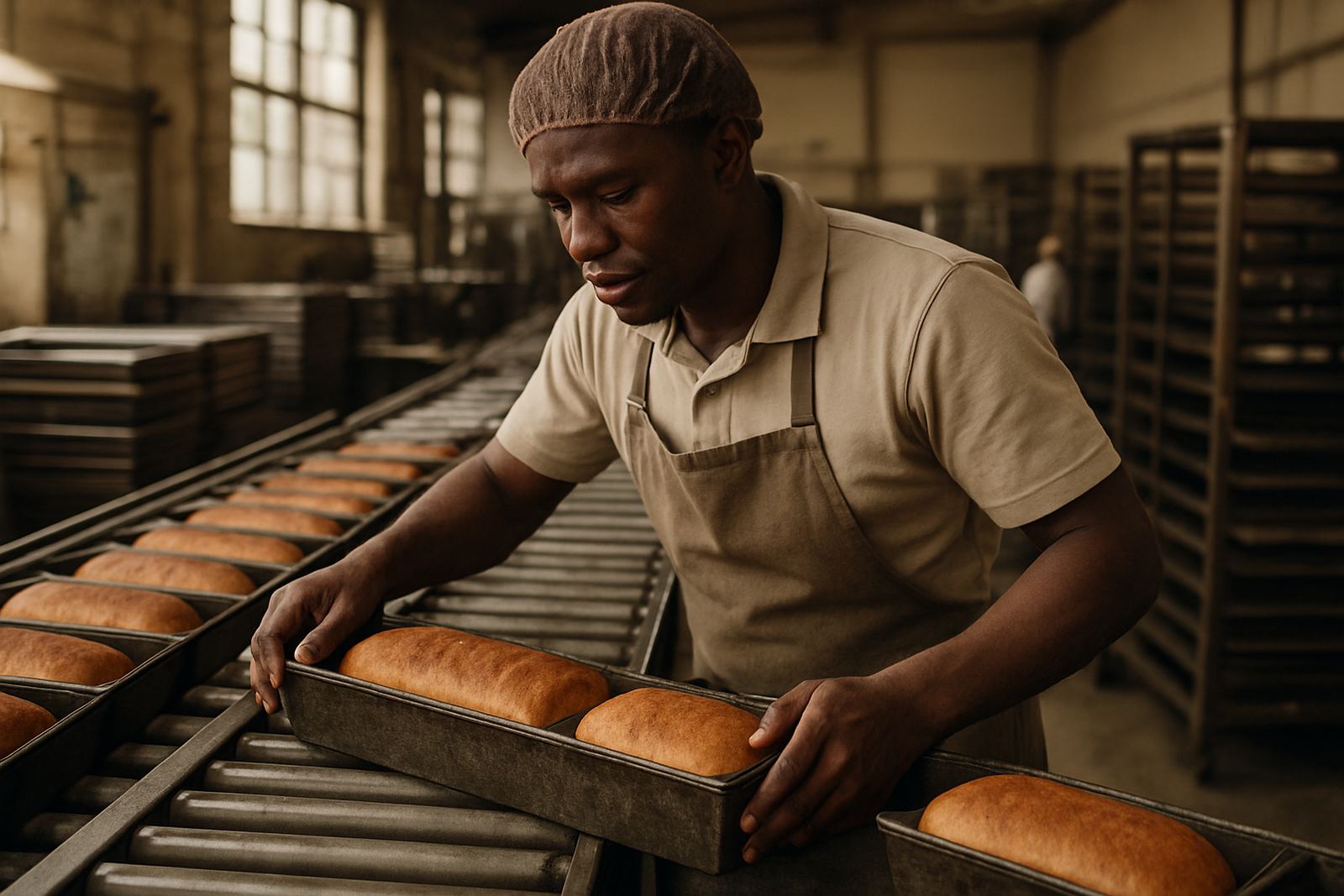
At Bakerite in Westmead, Pinetown, that continuity matters because bakeries do not buy bakeware for show. They buy it for heat, weight, handling and the daily pressure of production. If a bread pan twists after a few runs or a floor tile fails to fit properly, the line feels it immediately.
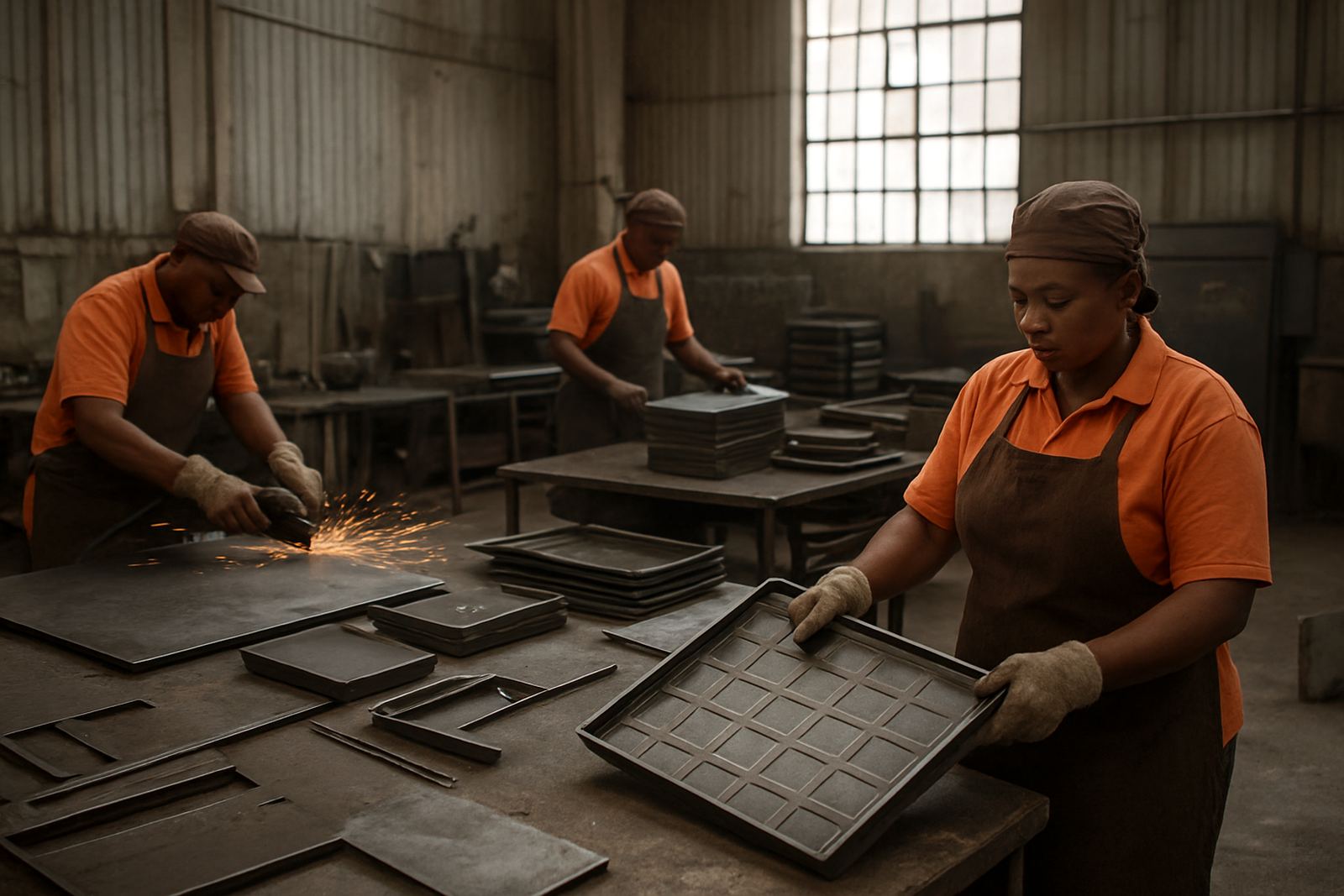
Why local manufacture still counts in Westmead and beyond
Local manufacture is not only about proximity. It is about knowing what happens in a Durban plant when humidity sits in the air, or how a bakery in the Upper Highway area plans around load-shedding and shift changes. A supplier working from the same industrial base understands those pressures because they hear them every week.
For plant bakeries, hotels and retailers, that local understanding helps with timing, sizing and repeat orders. It is easier to confirm a tray dimension, discuss corner wear, or arrange a fleet assessment when the team is based in Pinetown and already works with national dispatches.
- Shorter communication lines when measurements need checking.
- Better fit for ovens, proofing lines and handling systems.
- Practical advice on recoating, repairs and replacement cycles.
- Support for KZN sites as well as national bakery operations.
The value of keeping the original steel floor tile in production
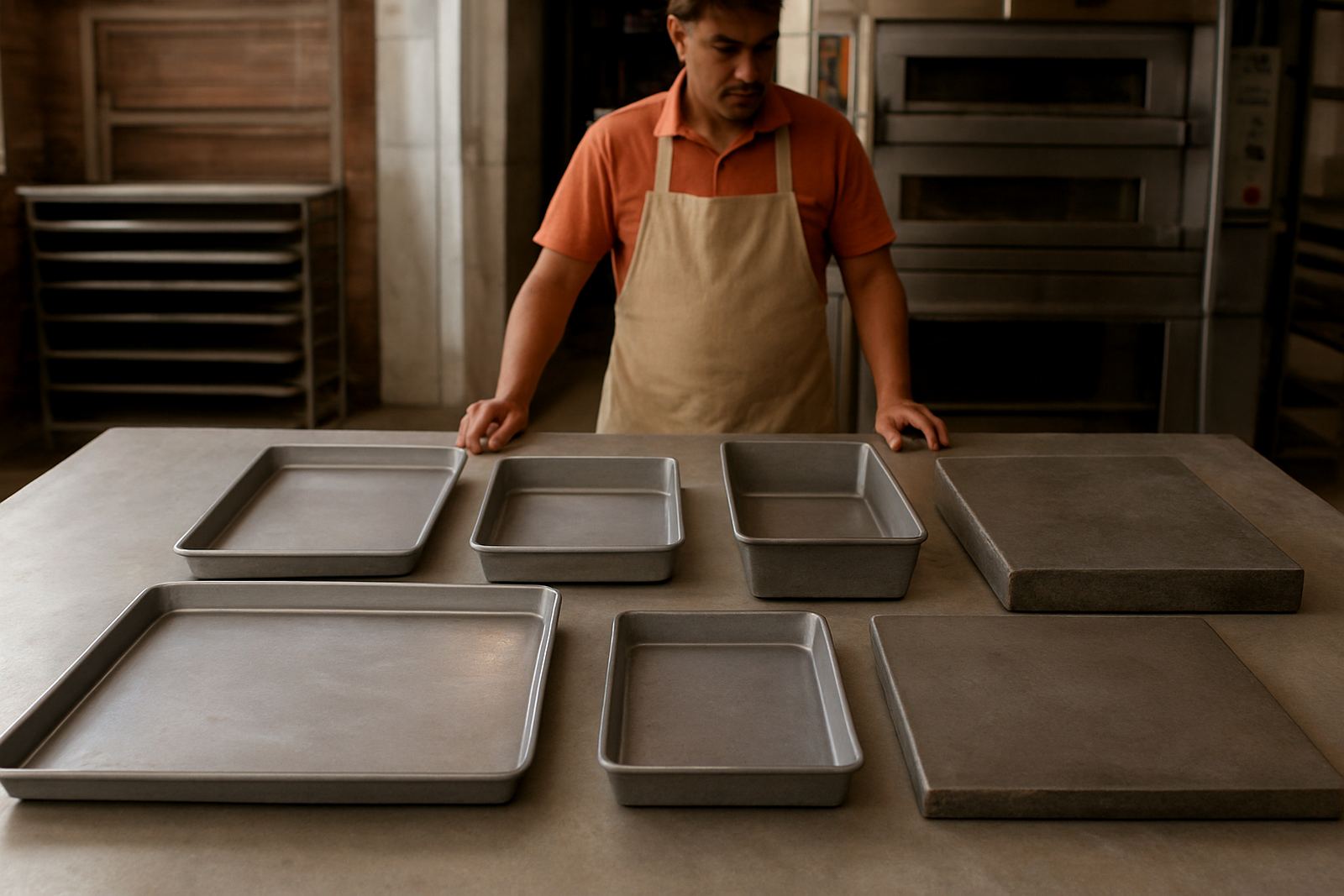
Some products become part of the industry itself. The original Bakerite steel floor tile is one of them. For a plant bakery, floor tiles are not a casual purchase. They need to sit right, take heat, and keep their form under repeated use. If the design is off by even a small amount, the operator notices when trays do not settle properly or movement becomes awkward.
Keeping that original tile in production is useful because it gives customers a known reference point. A bakery can match replacements to existing equipment instead of changing systems around the new part. That saves time, reduces confusion, and keeps the oven department working the way it should.
Repairs that extend working life instead of replacing too soon
Good bakeware should be maintained, not thrown out at the first sign of wear. In many plants, the sensible move is to recoat a pan, straighten a tray, or fix a damaged rim before buying a full batch of replacements. That approach is especially useful where equipment still performs, but has been knocked around by daily handling.
Bakeries often ask for help with items that are still serviceable if someone with the right tools gets to them. That includes corner repairs, lid repairs and weld repairs. It also includes deep cleaning, because residue and buildup can make good bakeware look tired before it is actually finished.
- Pan recoating for worn surfaces that still have a good body.
- Tray recoating where the frame remains sound.
- Pan straightening after handling damage or stacking pressure.
- Spare lids for mixed fleets and older production sets.
A practical example from a Durban bakery floor
Take a mid-sized bakery supplying hotels and retailers between Durban, Pinetown and New Germany. The operation runs early, with ovens loaded before sunrise and transport leaving while the city is still quiet. One section of bread pans starts to distort after repeated use and a few trays no longer sit as they should. Production can either slow down or the plant can assess the fleet and deal with the parts that need attention first.
That is where a local industrial bakeware supplier helps. The team can inspect the pans, decide what can be recoated or straightened, and separate the pieces that need weld repairs from the ones that should be replaced. It is a practical route that protects output and keeps costs under control, which matters when margins are tight and ovens cannot sit idle.
How to judge whether a bakeware supplier is worth trusting
Buyers usually know within minutes if a supplier understands plant work or only talks about it. The right conversation starts with size, usage, heat exposure and the type of handling the bakeware gets. It should not be vague. A bakery manager needs answers that line up with the equipment on the floor.
When reviewing a supplier, look at whether they can talk about the full cycle from manufacture to maintenance. That includes how they handle custom trays, what they do when a lid is missing, and whether they can support old and new fleets together. Experience shows in the small details, like asking about oven conditions before quoting.
- Ask how they measure and confirm fit before production starts.
- Check whether they offer repair options before full replacement.
- Find out if they understand plant bakeries, retailers and hotels.
- Ask for clear turnaround times, especially for busy production periods.
Continuity without losing the practical edge
Continuing an established name should never mean standing still. It means keeping the parts of the business that still work, while staying close to what customers need now. In bakeware, that usually means better handling of custom orders, tighter repair support, and a production team that knows the value of consistency.
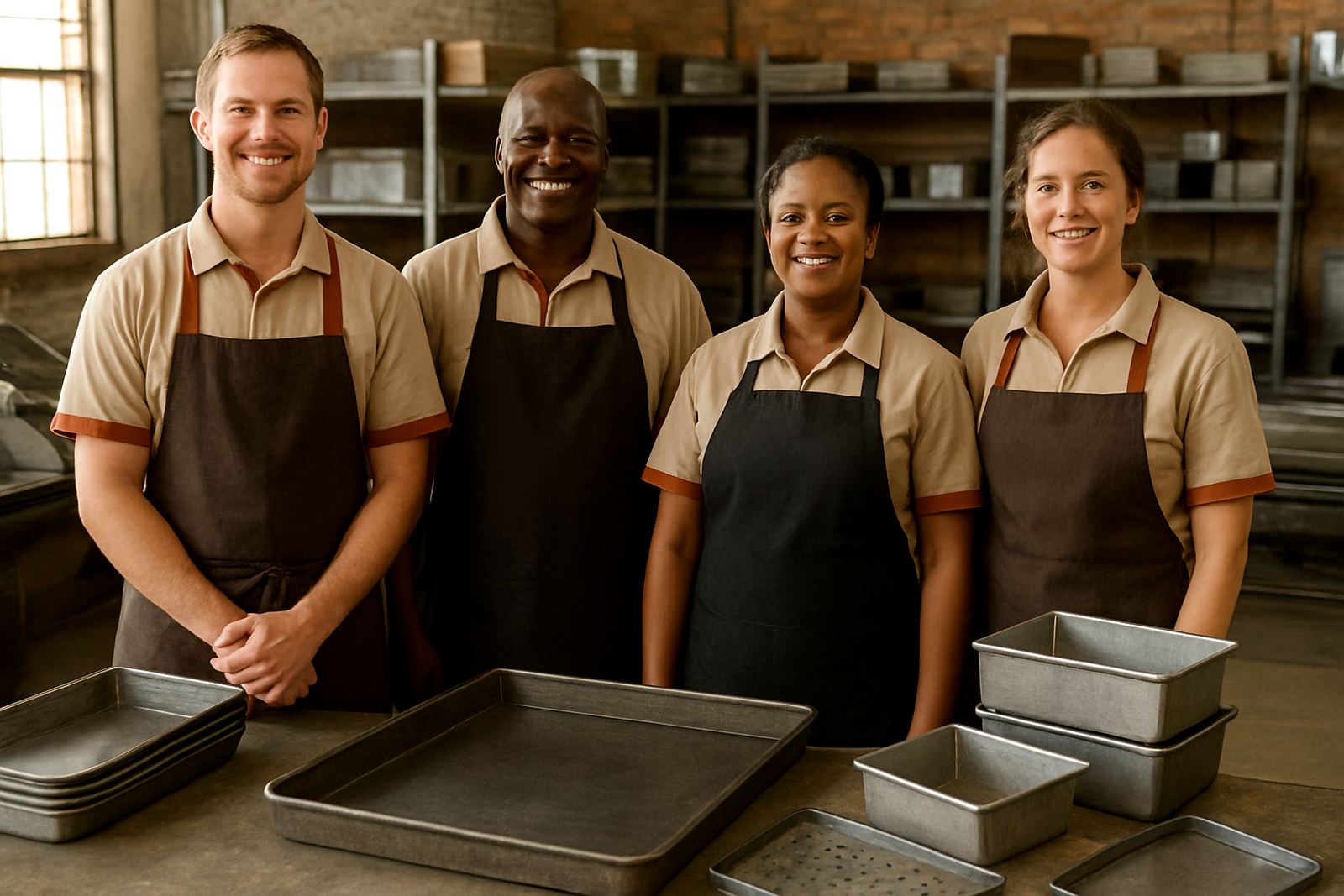
At Bakerite, that continuity sits with a local team led from Westmead, Pinetown, serving plant bakeries nationally and supporting calls from Durban, New Germany and the Upper Highway area. For customers, the benefit is simple. They deal with people who understand steel, heat and schedules, and who know that a missed tray can affect an entire shift.
That is what a continuing industrial bakeware name should mean in South Africa: a dependable source, practical service and workmanship that still fits the job.