What linked pan systems do on a busy bread line
A linked pan system joins individual bread pans with steel straps so they move as one set through loading, proofing, baking and unloading. Instead of handling each pan on its own, staff work with a fixed group that keeps spacing even and reduces the time spent aligning trays by hand. In a plant where every minute counts, that alone can take pressure off the line.
The other benefit is control. When pans stay linked, the feed into the oven is more predictable, and operators can keep loaf spacing and bake pattern more consistent across the batch. That matters for pan bread, rolls and buns where the customer notices if one side browns differently or loaves start pulling unevenly.
In South African bakeries, linked sets are often used where production runs are long and labour is tight. If the line is running during load-shedding recovery or a night shift with fewer hands, a connected pan system helps the team move faster without losing order.
Why plant bakeries use strap-connected sets instead of loose pans
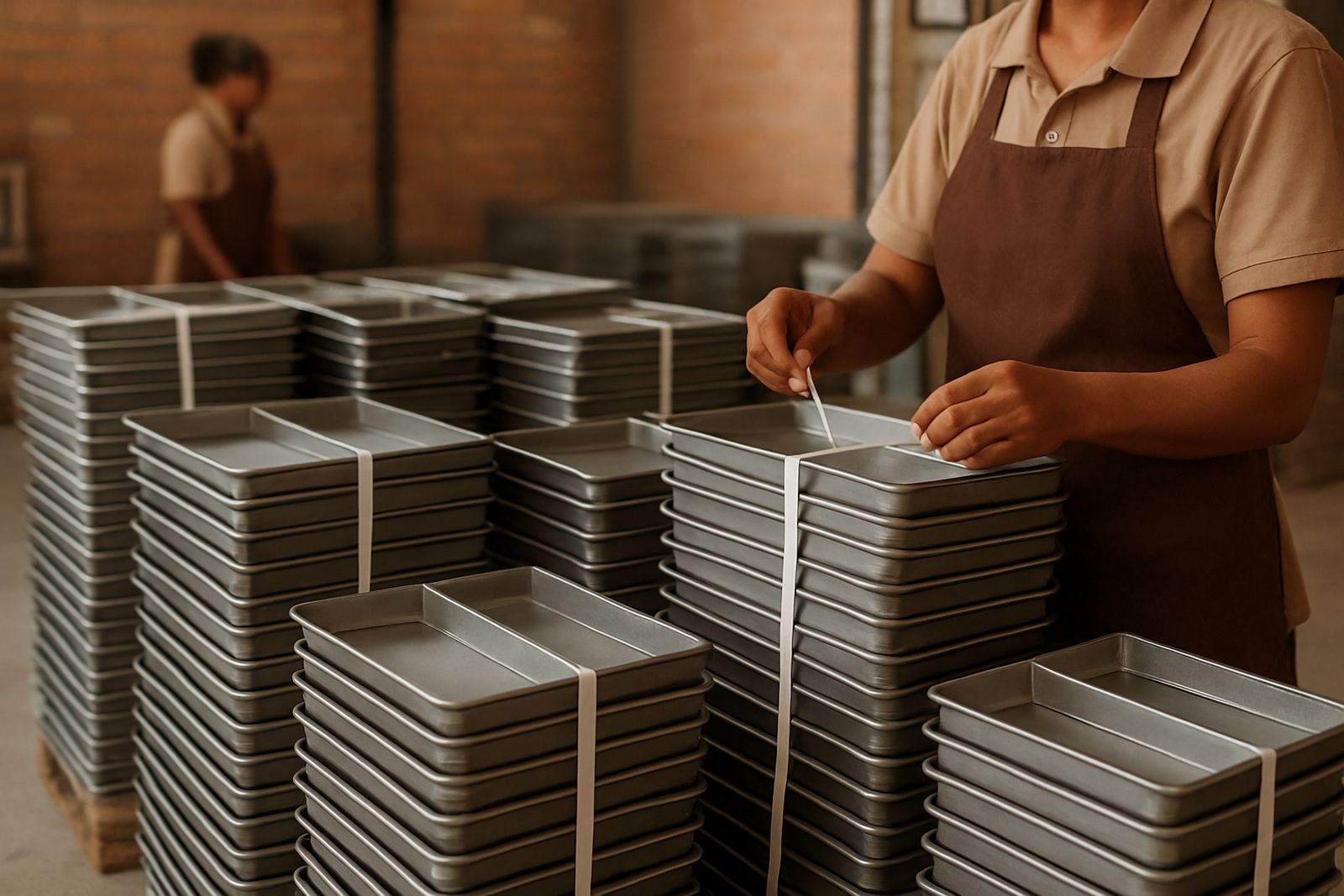
Loose pans work well in smaller kitchens, but on a plant floor they can create avoidable handling delays. Pans slip out of line, get mixed up, and need more sorting before and after baking. A strap-connected set keeps pans together from the start, which can reduce damage from repeated bumping and dragging too.
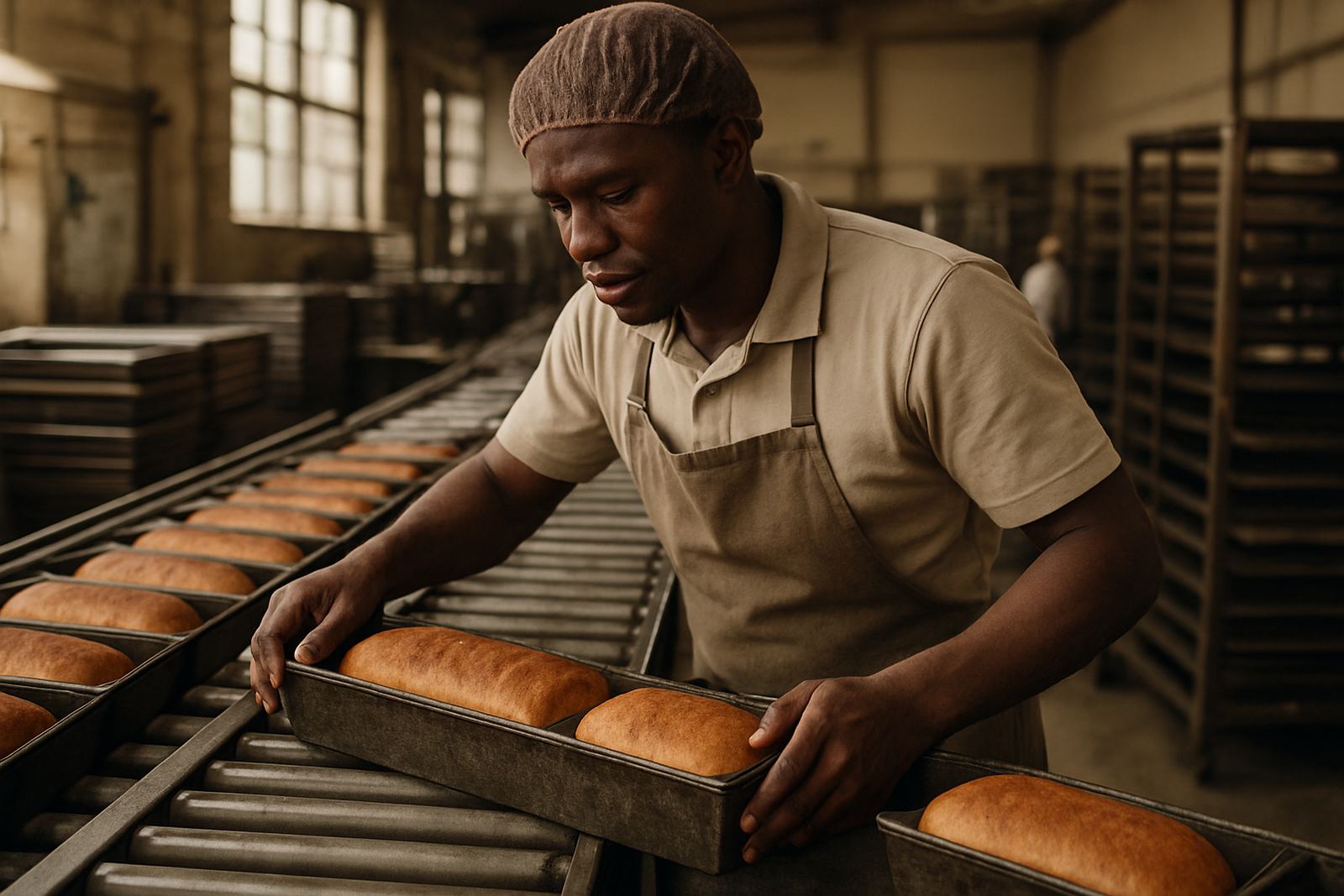
For high-volume bakeries supplying retailers or hotel groups, the biggest saving is in movement. The loader does not have to place each pan one by one, and the unloading crew can count on the set staying square. That means less wasted motion, and less chance of a pan being left behind or bent in the process.
- Faster loading and unloading at the oven mouth
- More even pan spacing across the batch
- Less chance of mixed pan counts on the return line
- Better control during peak shifts and short staffing
- Reduced wear on pan edges from constant hand sorting
Where linked systems pay off in the real world
Linked pan systems make the most sense where the same product runs again and again. Bread plants in Durban, Pinetown and inland distribution centres often run one recipe in the morning, then another size or shape later in the day. A set system helps each product keep its own pan count and its own handling route.
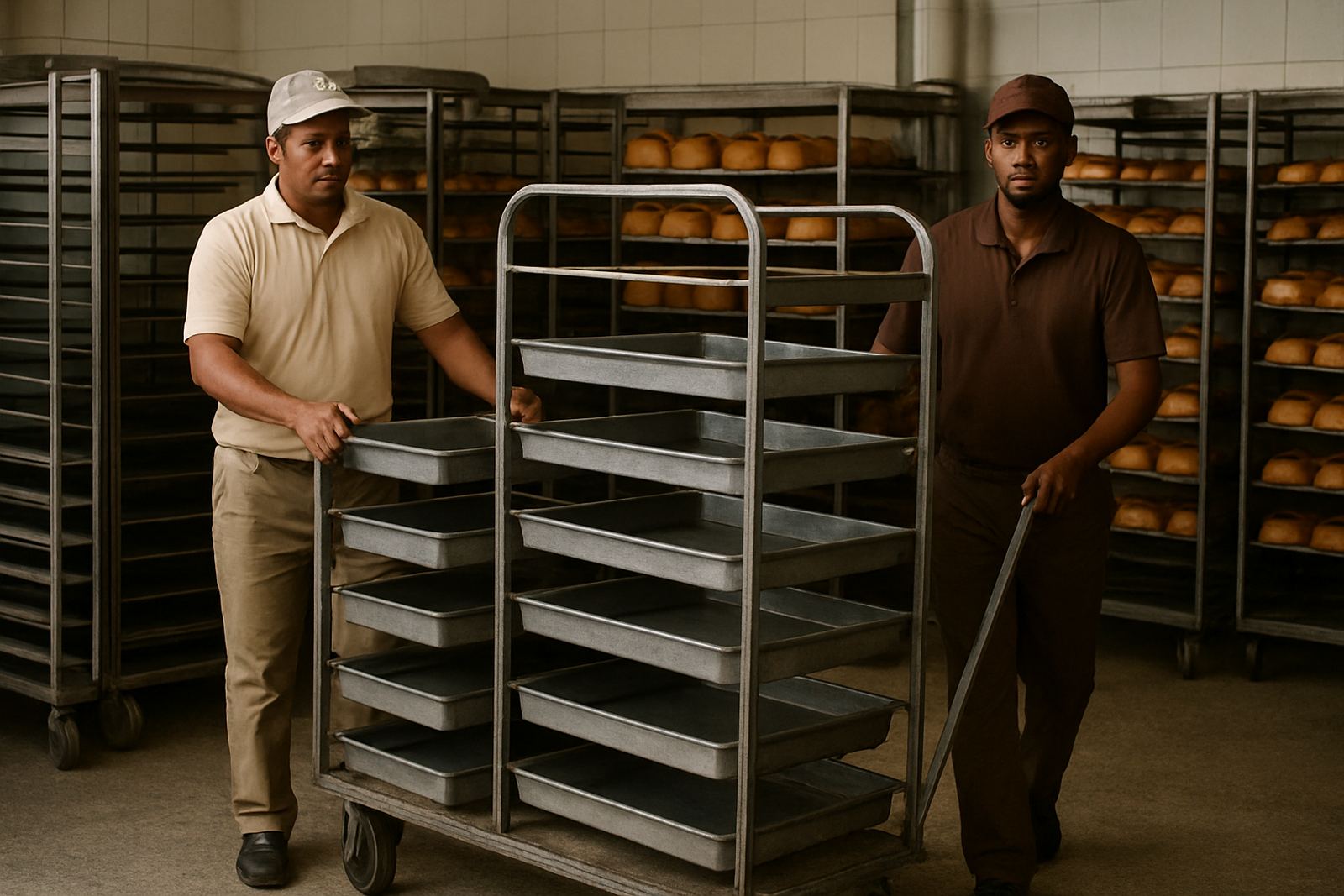
They also help where space is tight. Some bakeries have narrow proofing lanes, older ovens or loading points that were built years ago. A linked set travels neater through those areas than loose pans piled on a trolley. It is easier on the floor too, especially where moisture and flour dust make the surface slippery. We have seen plants where one well planned linked set reduced small stoppages that used to happen several times a shift.
There is a cost point as well. It is not just about buying pans, it is about the labour spent moving them every day. Over a year, the savings in time and the lower breakage rate can matter more than the first price of the steel.
What to check before ordering linked pan sets
Not every bakery needs the same strap pattern or pan count. Before ordering, it helps to check the oven size, the conveyor width, the lift points and the way pans return for cleaning. In some plants, the line moves best in groups of four or six, while others suit longer sets with stronger edge support.
It is also worth looking at the product itself. Dense loaves, soft doughs and high-hydration recipes do not all behave the same way in pans. If the pan walls are too light, the set can flex under heat and repeated handling. If the spacing is wrong, the dough may spread and affect the crust. A proper assessment should cover the shape, gauge, weld points and how the set will be recoated or repaired later on.
- Confirm the oven and trolley dimensions first
- Match the set length to your loader and unload speed
- Check steel thickness for the weight of the product
- Plan for recoating, straightening and corner repair over time
- Keep spare lids or companion parts where the line depends on them
Maintenance that keeps linked systems working longer
Linked pans take a fair amount of heat, washing and movement, so maintenance should be planned into the production cycle. Once straps loosen or corners start to open, the whole set can go out of line. That creates drag on the loader and can lead to bent pans or poor bake results. Catching it early saves a bigger repair later.
For bakeries near the coast, humidity can speed up rust where wash water stays trapped in joints. Inland plants may see more heat stress and warping from repeated high-temperature cycles. Either way, deep cleaning and regular inspection matter. Straightening, rim repairs, weld repairs and recoating can extend the life of the set if they are done before the damage spreads.
Good maintenance also means keeping sets identified by product and batch size. That makes it easier for the service team to pull the right group out for assessment, rather than guessing after production has already slowed down.
A practical example from a KZN bread plant
A plant bakery in the greater Durban area was running loose pans on a line that fed two ovens. The team was losing time every changeover because pans came back mixed, and loaders had to sort and straighten them before the next run. The plant was not short on ovens, it was short on clean movement.
After moving to linked pan sets for its main bread run, the bakery kept product groups together from loading through return. The loaders spent less time lining up individual pans, the maintenance crew had fewer bent corners to deal with, and the line became easier to manage during hot afternoon shifts. That kind of improvement does not sound dramatic, but in bread production it can mean fewer stop-starts and a steadier day.
For Westmead and Pinetown manufacturers serving national bakery customers, that is the kind of practical gain that matters. If a set is built for the way the plant really works, not just the way it looks on paper, the production floor feels it immediately.