Why checks matter before a tray leaves Westmead
Industrial bakeware takes a beating. It gets loaded hot, stacked fast, washed often and moved around by people who do not have time to baby it. If a pan is slightly out of shape or a weld has a weak point, that small fault becomes a bigger problem on the bakery floor.
That is why checks are done before dispatch, not after a complaint. In a plant bakery, one damaged tray can hold up a whole rack, and when production is running through load-shedding windows or a short night shift there is no room for avoidable delays.
We look for issues that affect daily use, not just appearance. A tray can look tidy on the outside and still have a warped base, sharp edge or uneven rim. Those are the details that cause sticking, poor stacking and faster wear.
How steel floor tiles are checked for heat and flatness
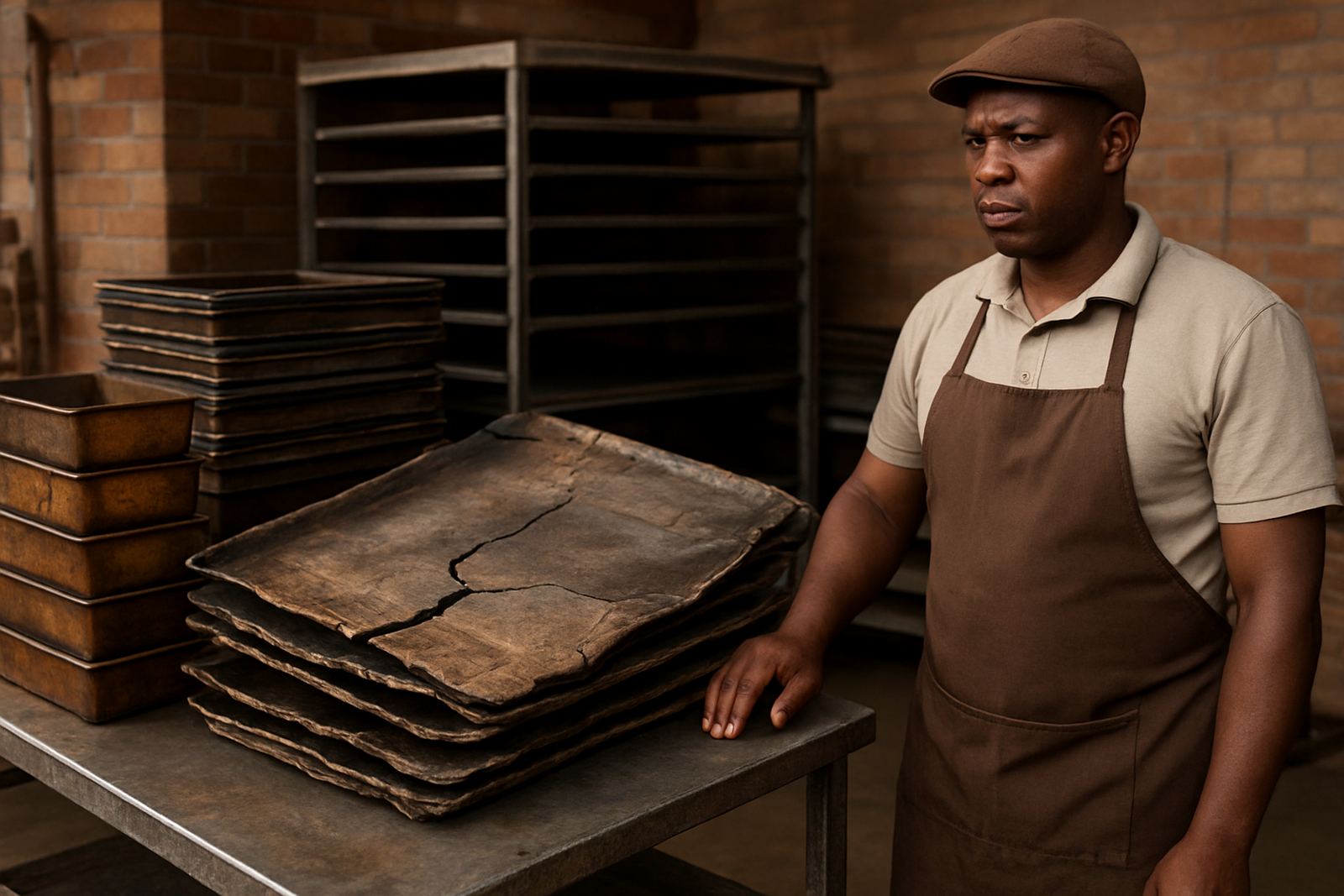
Steel oven floor tiles must sit flat and carry heat evenly. If one tile sits high or low, the oven floor can create hot spots or leave a product with patchy bake colour. That is a problem for plant bakers making the same loaf or roll, batch after batch.
Each tile is checked for straightness, edge condition and fit. The surface is inspected for dents, twist and any sign that the tile will not settle properly into the oven floor. We also check for wear on corners and any distortion from repeated heating and cooling cycles.
- Flatness across the full tile surface
- Edge wear and corner damage
- Signs of twisting after heat exposure
- Fit with adjacent tiles and oven frame
In Durban and the coastal belt, humidity can also affect storage and handling, so tiles that have sat in the wrong conditions may need extra cleaning before they are loaded back into service.
Pan and tray checks for shape, welds and stacking
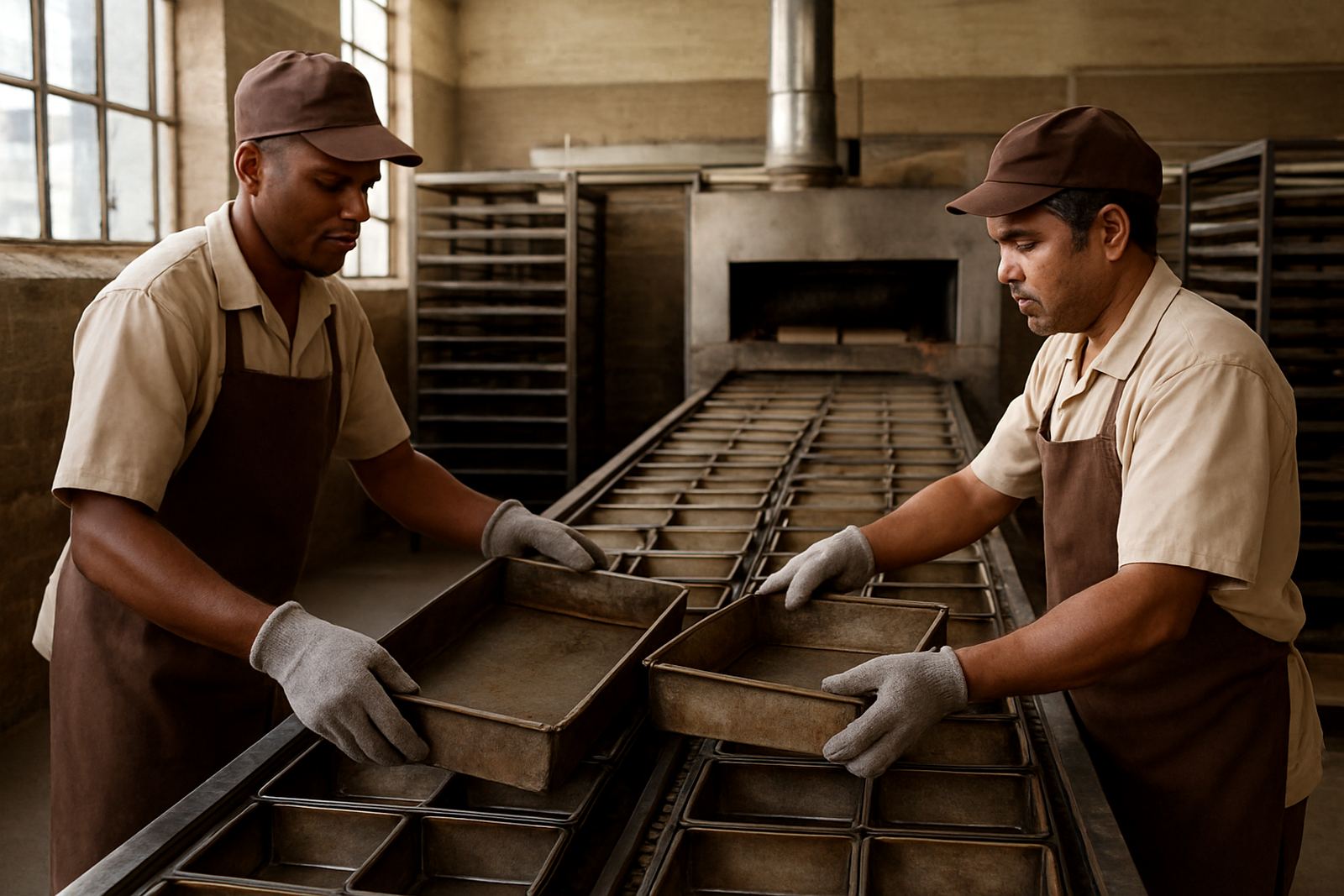
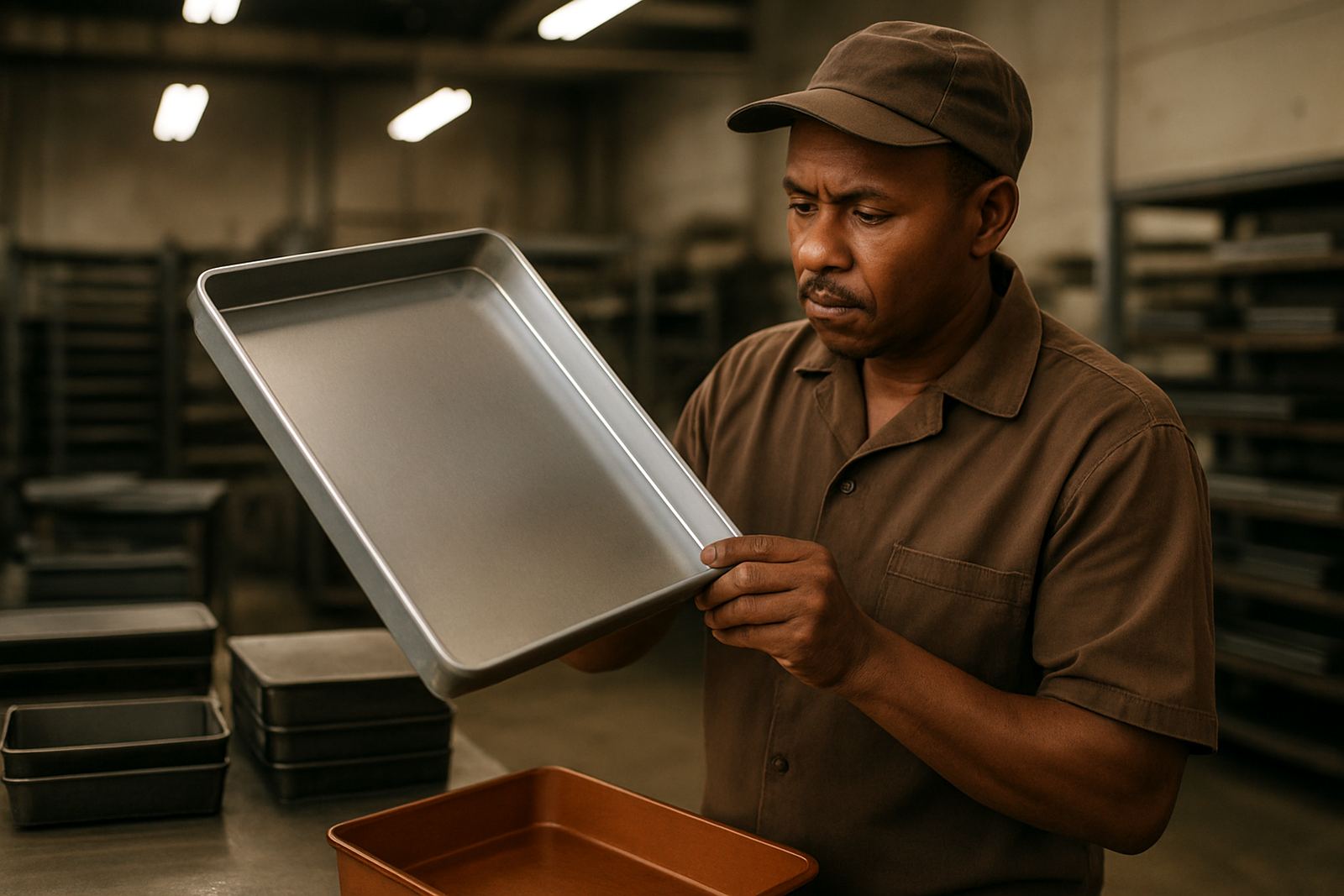
Bread pans and custom trays get checked for straight sides, even depth and sound corners. A small bend on one side may not seem serious, but it can stop a tray from nesting properly or cause dough to bake unevenly. That becomes a handling problem and a production problem at the same time.
Weld points are inspected carefully because that is where fatigue often shows first. Handles, corners and base joints all take strain during repeated lifting and washing. If a weld needs attention, it is better found here than when a full trolley is already loaded.
- Straight sides and true corners
- Even base level for consistent bake results
- Sound welds at handles, joints and reinforcements
- Clean stacking fit for trolleys and storage
We also check for sharp edges and burrs. Those can damage gloves, slow down handlers and chip nearby pans. A clean finish matters because people work faster and safer with equipment that moves properly in hand.
What gets picked up in recoating and repair work
Some items come in for Pan Recoating, Tray Recoating, Pan Straightening, Corner Repairs, Rim Repairs, Lid Repairs or Weld Repairs. These are not cosmetic jobs. They are practical fixes that can extend the working life of a pan or tray when the base metal is still worth saving.
Before any item goes out again, the repaired area is checked against the rest of the piece. A repaired rim must sit true. A straightened pan must still stack properly. A recoated tray must be clean enough to meet the day-to-day handling standard expected in a working bakery, hotel kitchen or retail baking room.
We also carry out Fleet Assessment where needed, especially for bakeries that want to know which items are worth repairing and which ones are better replaced. That saves time and helps plan orders instead of waiting for breakdowns.
A local example from a KZN plant bakery
One common situation is a plant bakery in the Upper Highway area sending in a mixed batch of bread pans after a busy production cycle. Some pans still look usable at a glance, but once they are checked properly a few show rim damage, one or two have slight base lift, and several lids are no longer sitting square.
That kind of problem is easy to miss when the bakery is pushing product out before the morning rush. It is also exactly the sort of issue that causes sticking, poor stacking and wasted space on the trolley. After checking, the team can separate what needs Deep Cleaning, what needs repairs and what can return to service straight away.
For a bakery working with tight dispatch times in Westmead, Pinetown or further inland, that kind of sorting keeps the line moving. It also helps reduce emergency callouts when a shift is already under pressure.
Why the final dispatch check is the last safeguard
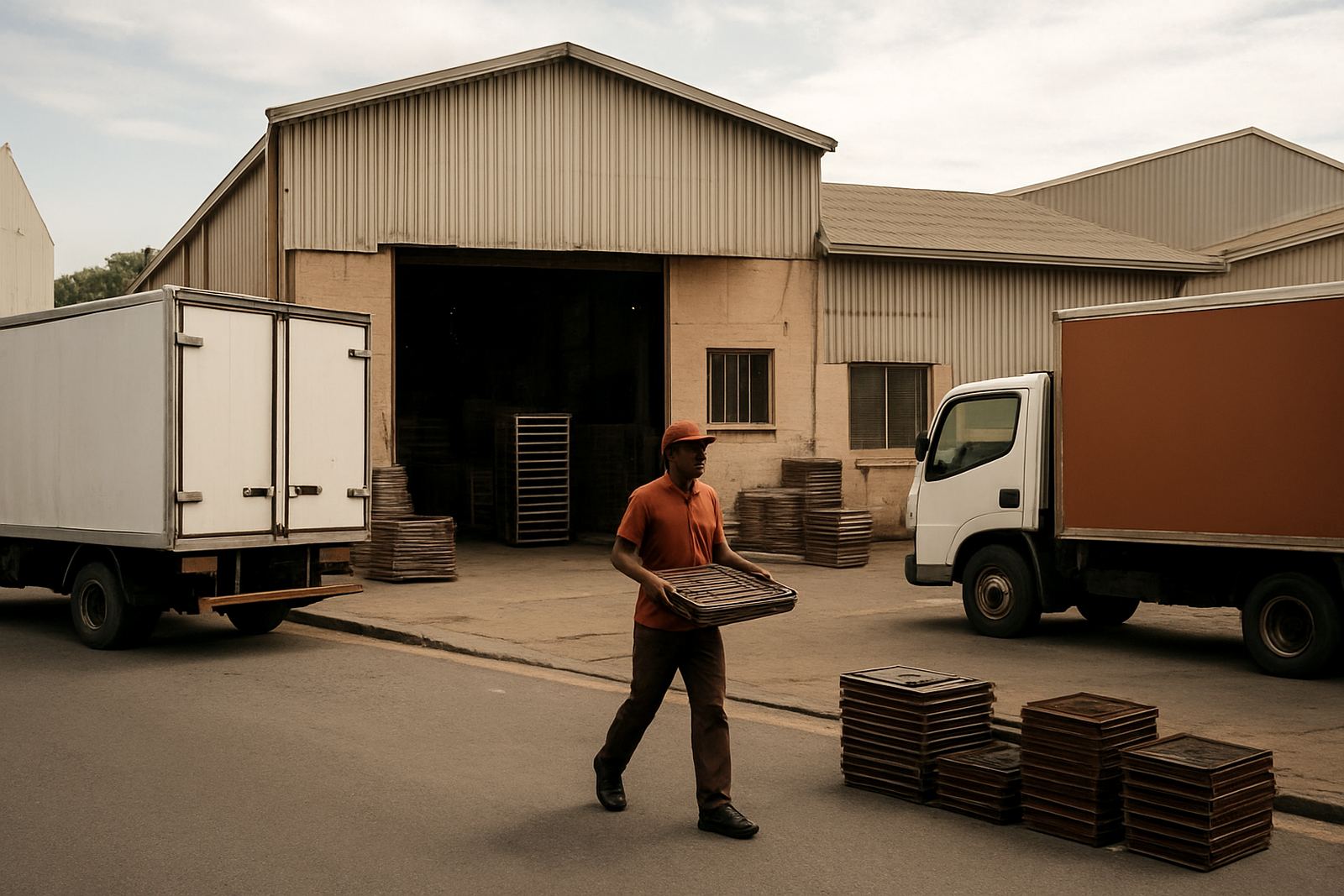
The final check is simple but important. It confirms that cleaned, repaired or newly made items are ready to leave the workshop and go straight into use. We check finish, size, stacking, fit and the general condition of the item one last time before loading.
This is also where spare parts are confirmed. Spare Lids, for example, must match the pan properly and sit without forcing. If something is off, it is easier to catch it in the dispatch bay than after it has already reached the customer.
- Check size against the order
- Confirm clean finish and safe edges
- Match lids, trays and pans to the correct set
- Pack in a way that reduces transit damage
What customers should ask before ordering bakeware
If you are ordering for a plant bakery, hotel or retail baking section, ask how the item is checked before dispatch. A supplier should be able to tell you what is measured, what is repaired and how consistency is maintained across a batch. That matters whether you are buying one replacement pan or a full fleet.
It also helps to give clear details when ordering. Share the size, oven type, usage rate and whether the equipment is for coastal conditions, inland heat or heavy daily turnover. That information helps avoid mismatched items and saves back-and-forth later on.
At BAKERITE in Westmead, Pinetown, these checks are part of ordinary workshop discipline. It is how industrial bakeware is kept ready for national supply, with practical attention to the things that matter most on the bakery floor.