When the same item keeps coming back for repair
A single dent or split is normal wear. In a busy plant bakery, though, the same bread pan or tray can come back with the same fault every few months. When that happens, the item is telling you it has reached the end of its practical life. You are no longer fixing a one-off issue, you are keeping an old piece going with patch work that does not last.
The warning signs are usually easy to spot. Corners open up again after welding, rims keep lifting, and straightening never seems to hold its shape for long. If a pan is already on its third repair and still leaves product handling staff fighting with it, replacement is normally the sensible call.
Metal fatigue is not worth arguing with
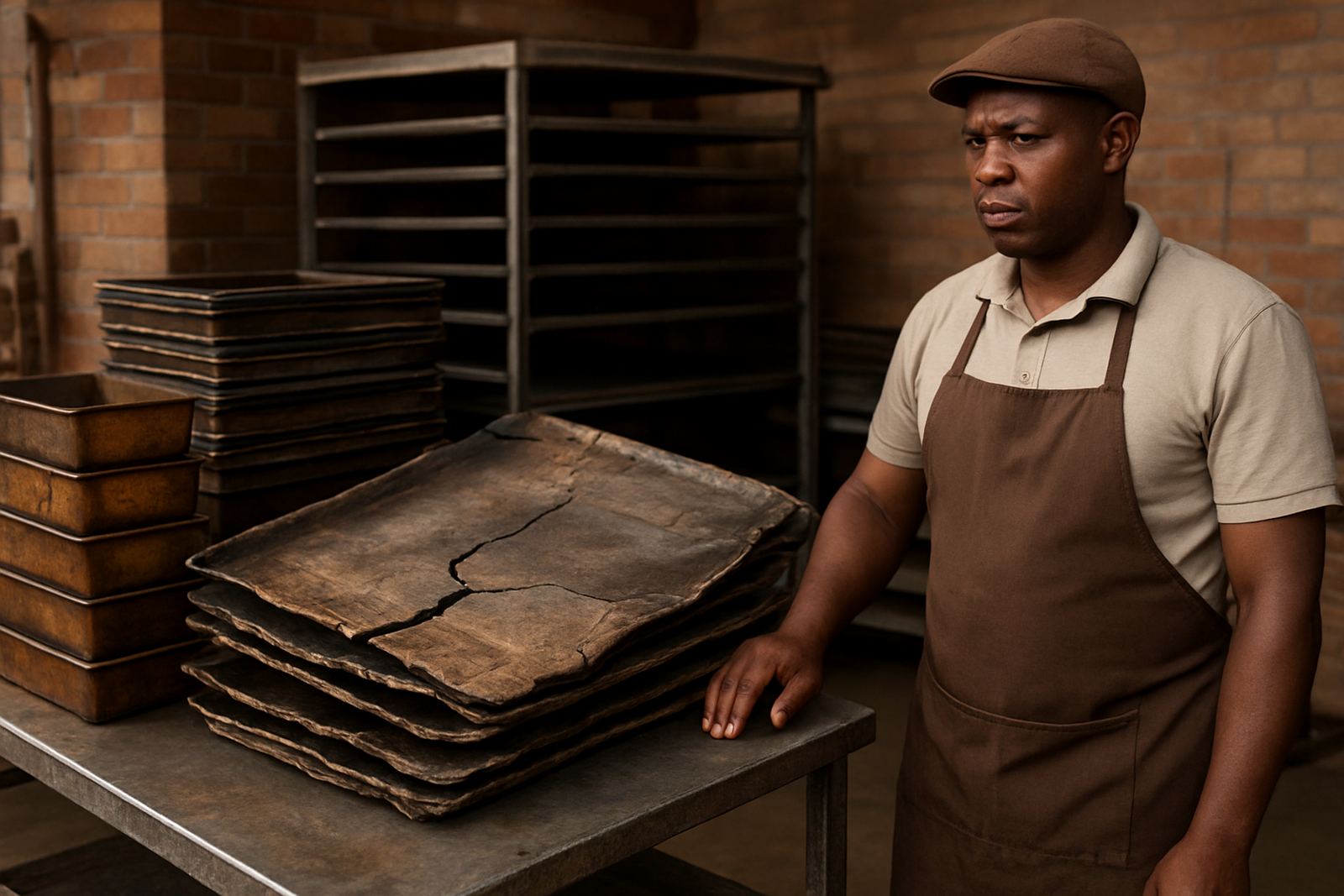
Steel bakeware works hard. It takes heat, wash cycles, stacking pressure and rough handling on trolleys. Over time the metal stretches and thins, especially around corners, seams and carry points. Once that fatigue has set in, a repair may close the visible crack but it will not restore the original strength.
That is why repeated corner repairs or rim repairs are a red flag. If a tray or pan has been reheated and handled for years, the body can become so tired that welding one section just causes another to fail nearby. At that stage you are paying to keep a weak item in service and the failings start eating into production time.
- Cracks reappear next to old welds
- Edges feel soft or uneven when handled
- Product comes out with inconsistent shape because the base is no longer true
- The item bends again after a short run through the oven
Product quality starts giving you the answer
The strongest reason to replace worn bakeware is usually product quality. A bread pan that has gone out of shape can change loaf height, crust formation and bake consistency. A tray with a twisted base can create hot spots, uneven colour and sticking. In a plant bakery supplying retailers or hotels, that inconsistency can lead to complaints long before the pan itself breaks apart.
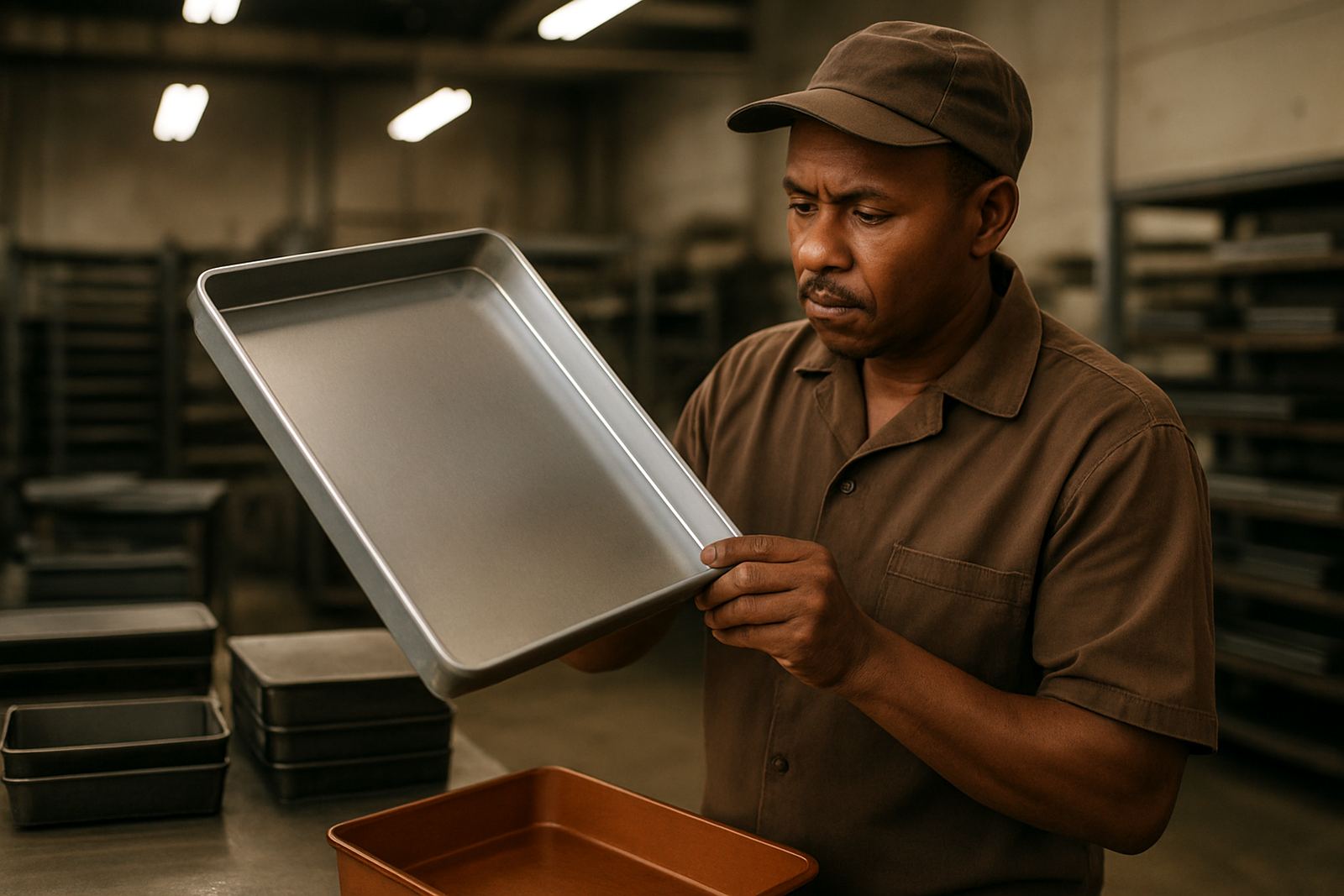
When a line starts producing batches that look slightly different from one another, check the bakeware before you blame the oven settings. Sometimes the oven is fine, but the pan is no longer sitting square. If the same batch works in one pan and fails in another, the item is past the point where repair is the best answer.
How to tell a repairable item from a write-off
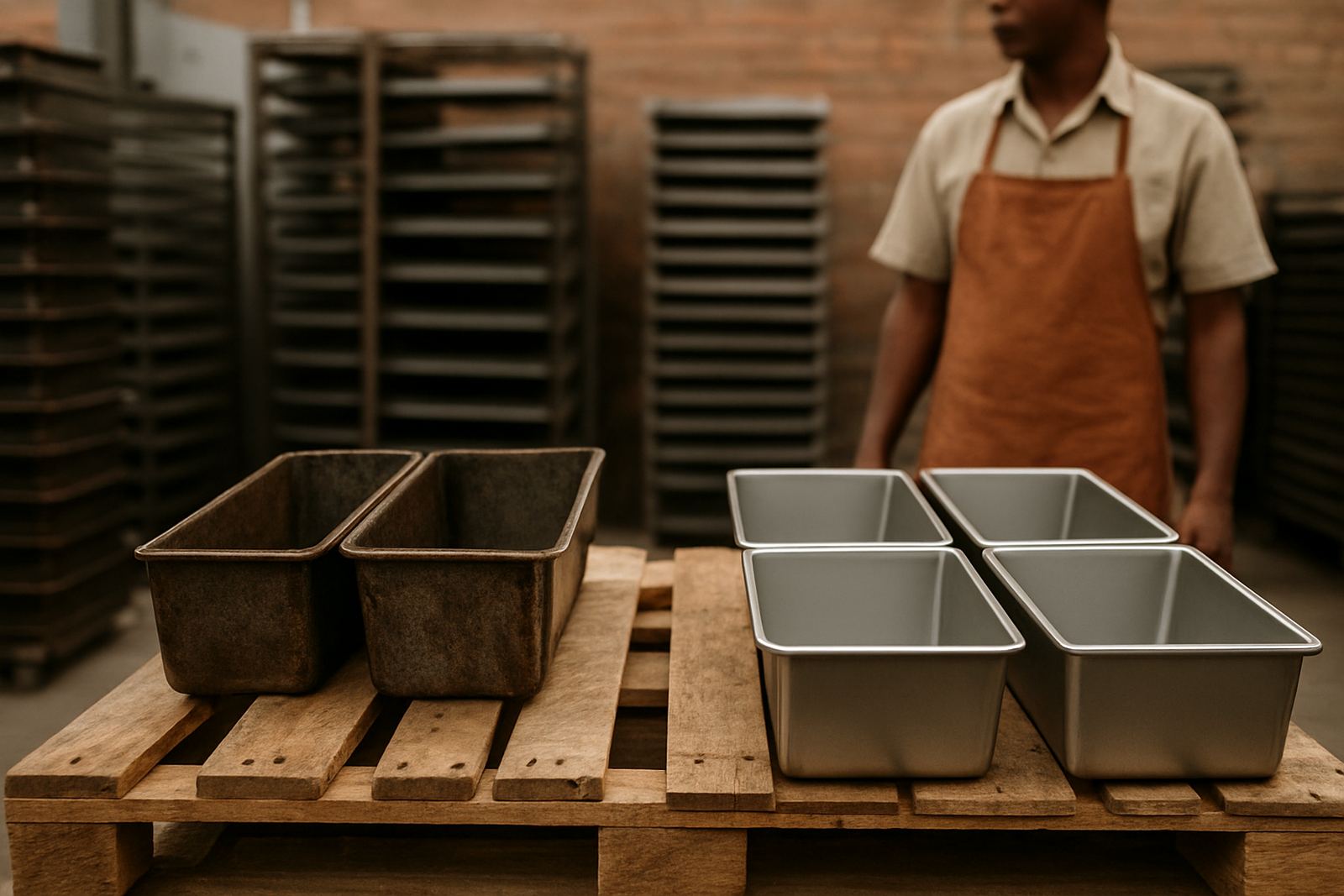
Good maintenance teams do not replace everything at the first sign of wear. A lot of items can be saved with pan recoating, tray recoating, weld repairs or deep cleaning. The decision comes down to whether the item still has enough body left to justify the work. If the base is sound, the walls are true and the faults are localised, repair usually makes sense.
Once the damage becomes widespread, the numbers change. If you are repairing thin steel, dealing with multiple splits and spending time on straightening every few weeks, the item is costing more than it should. At that point it is better to retire it and put the budget into something that will last. That may feel hard in the moment, but it is often the more prcatical move over a 12 month period.
- Repair when the damage is local and the shape is still sound
- Replace when the item is thin, twisted or failing in several places
- Replace when labour time is higher than the value of the item
- Replace when hygiene problems remain after cleaning and recoating
Food safety and cleaning standards matter more than sentiment
Old bakeware can carry baked-on residue, trapped flour and grease in seams, and corrosion under old coatings. In humid coastal areas like Durban and Pinetown, that build-up can be harder to manage because steel and moisture are never far apart. If a pan keeps holding dirt or a tray has pits that cannot be properly cleaned, it starts becoming a hygiene problem, not just a maintenance item.
Commercial kitchens and plant bakeries also have to think about inspections, internal audits and customer standards. A pan that looks tired, flakes under pressure or leaves residue after washing can create avoidable trouble. If cleaning is taking too long or staff are rejecting items because they do not look right after a wash cycle, replacement should be on the table.
A Westmead example: replacing the worst, repairing the rest
A bakery in the Upper Highway area once brought in a mixed fleet of pans and trays. Some still had useful life in them, but others had repeated weld failures, badly worn corners and bases that had lost their shape. Rather than repairing every single piece, the team assessed each one and split the fleet into three groups: save, monitor and replace.
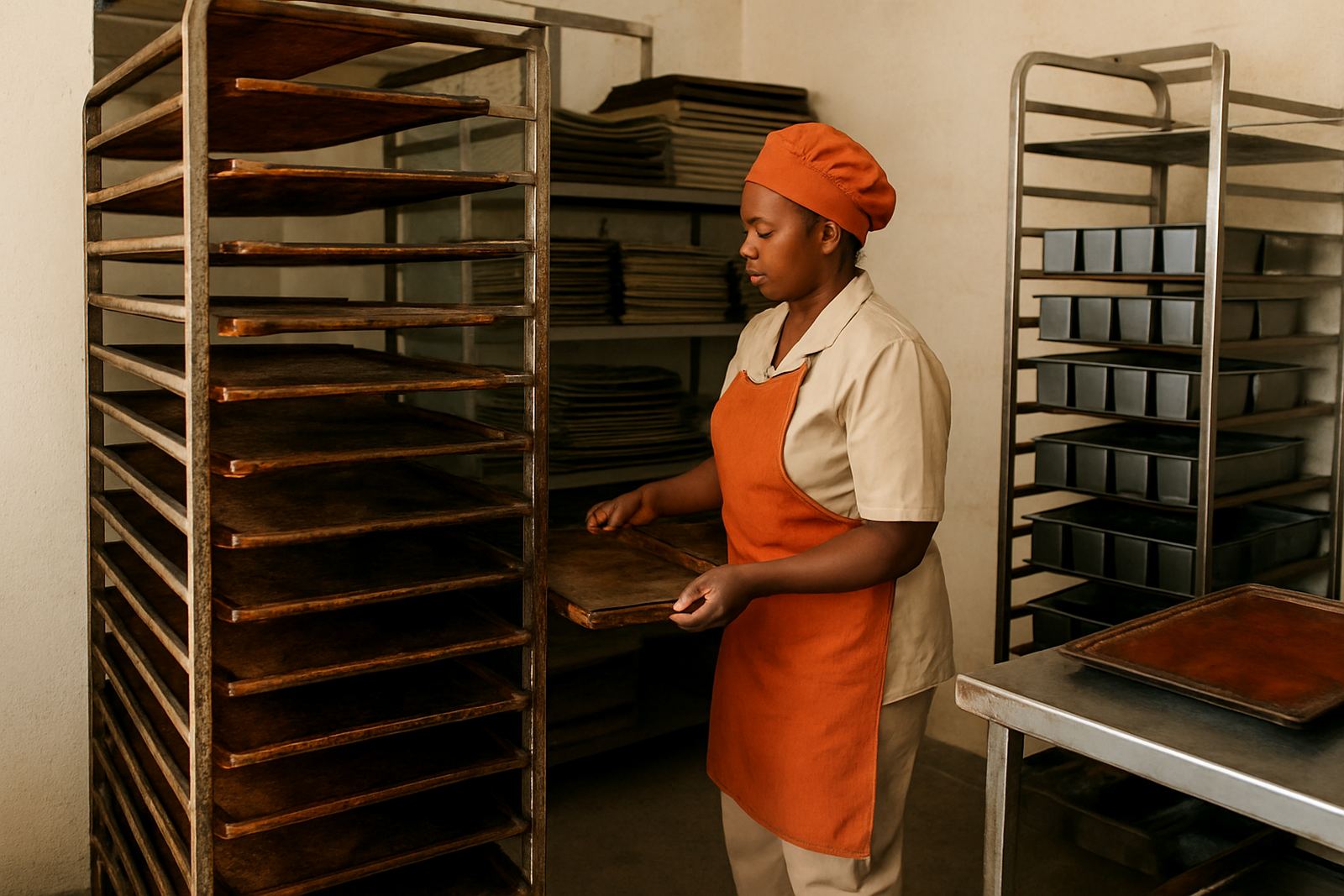
The worst pieces were written off and replaced with new items made to suit the plant. The rest were repaired, recoated and straightened. That gave the bakery a better result than trying to nurse the full fleet through another season. The real saving came from fewer stoppages, less handling trouble and less waste on product that was coming out uneven. In a busy shift, that matters more than squeezing a few more weeks out of a tired pan.
Use a fleet assessment before the cost starts creeping up
If you are unsure whether to repair or replace, a proper fleet assessment will usually show the answer quickly. Look at the age of the item, the type of damage, how often it fails and how it affects production. A small repair to one item is fine. A steady stream of the same repair across a whole batch means the fleet is ageing out together.
For plant bakeries, retailers and hotels, that assessment should include downtime, cleaning effort, product consistency and the cost of repeat handling. A tray that needs attention every few months is not helping the line. Replacing the worst items and keeping the sound ones in rotation is often the cleanest way forward. If you need advice on which items still have value and which should go, start with the fleet and let the numbers speak for themselves.