Why changeovers slow a line down
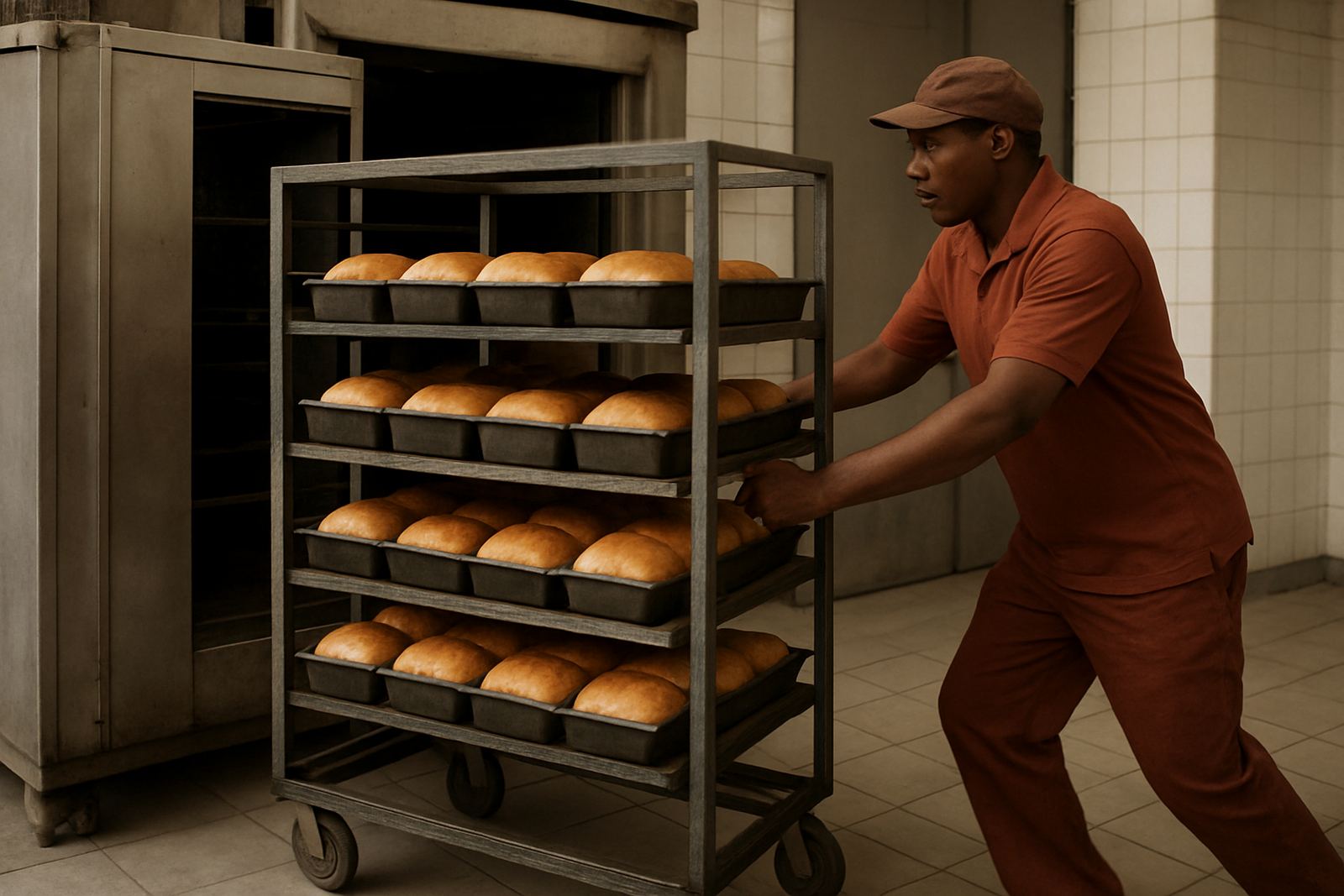
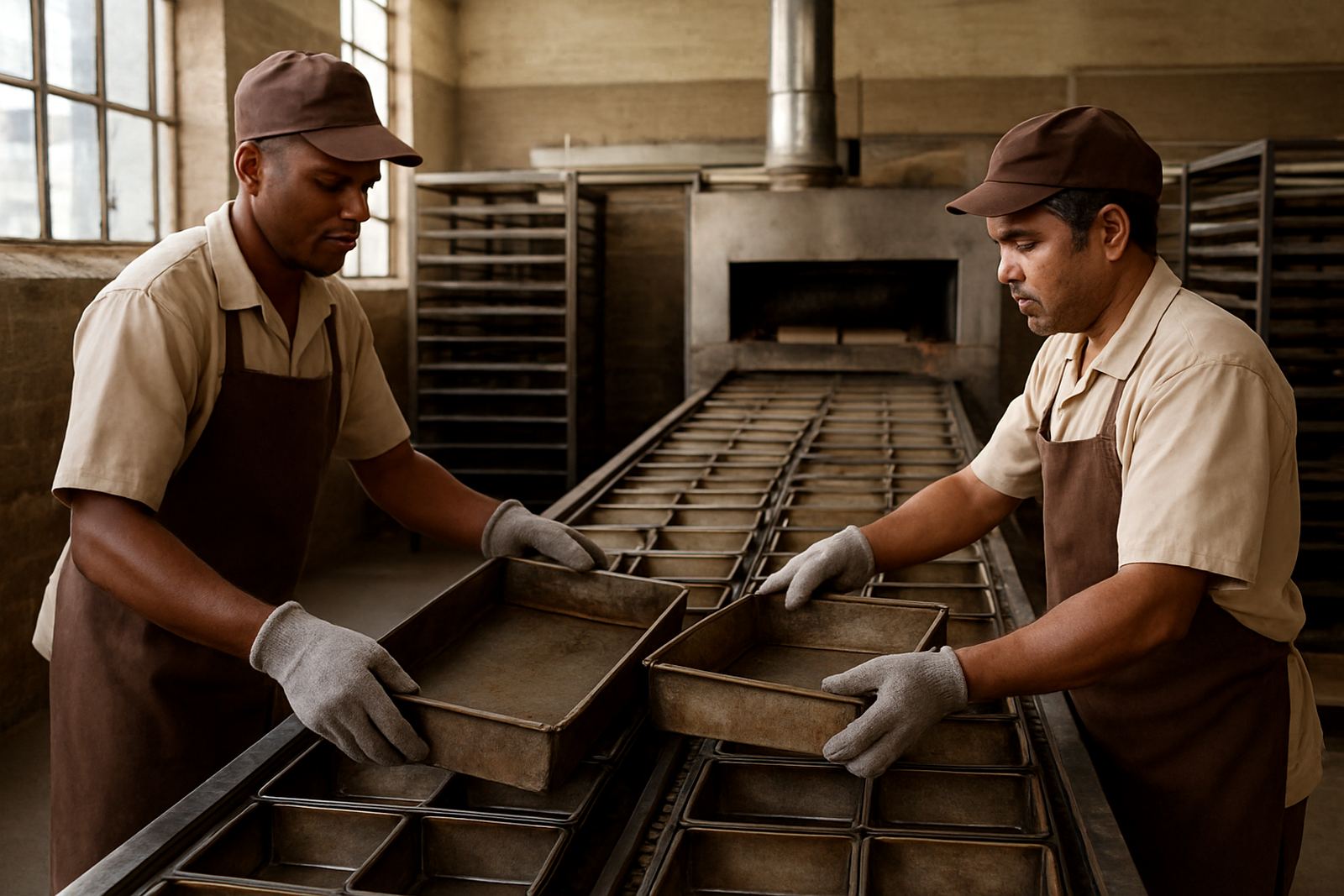
In a plant bakery, changeovers are not just a matter of swapping product. The team has to clear old pans, check the line, load the new bakeware, confirm spacing and make sure the oven or proofing stage is set for the next run. If the bakeware is heavy, badly shaped or not consistent from one piece to the next, everything takes longer.
That is where bakeware choice matters. A tray that nests badly, a bread pan with uneven sides, or a floor tile that does not sit properly in the oven can add minutes to every change. Over a shift, those minutes become lost output, more pressure on staff and a higher risk of damage. In hot, humid coastal areas like Pinetown and Durban, poor storage and warped pans also lead to sticking, rust and slower handling.
For bakeries that run different products through the same line, the goal is simple, keep changeovers repeatable and easy to train. The less the crew has to improvise, the faster the line comes back on spec.
Choose bakeware that matches the product mix
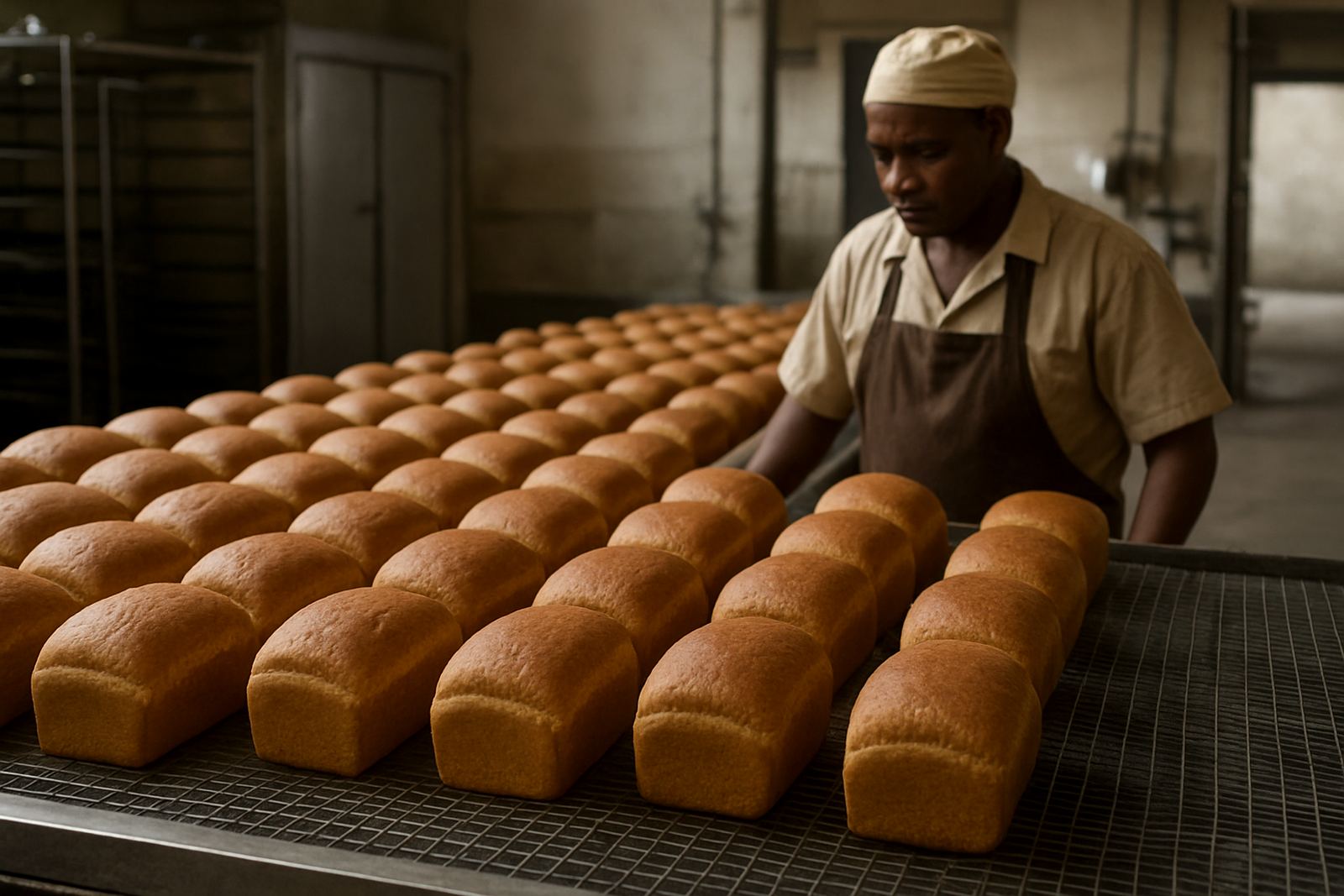
A line that changes over often needs bakeware that suits more than one product without forcing the team to fight the equipment. Standard sizes help, but so does a sensible mix of weight, depth and edge detail. If a bakery produces tin loaves in the morning and rolls later in the day, the pans and trays should be built for quick lifting, stacking and inspection.
At Bakerite, we see the same issue across plant bakeries, retailers and hotel operations. Some sites want steel oven floor tiles for even heat transfer, while others need bread pans or custom trays that slide easily in and out on racks. When the bakeware is built properly for the oven and the handling system, the changeover crew does not have to force anything. That lowers wear on the line and helps protect the product finish too.
- Use consistent pan sizes across similar products where possible
- Keep tray depths practical for fast loading and unloading
- Match the finish and thickness to the heat profile of the oven
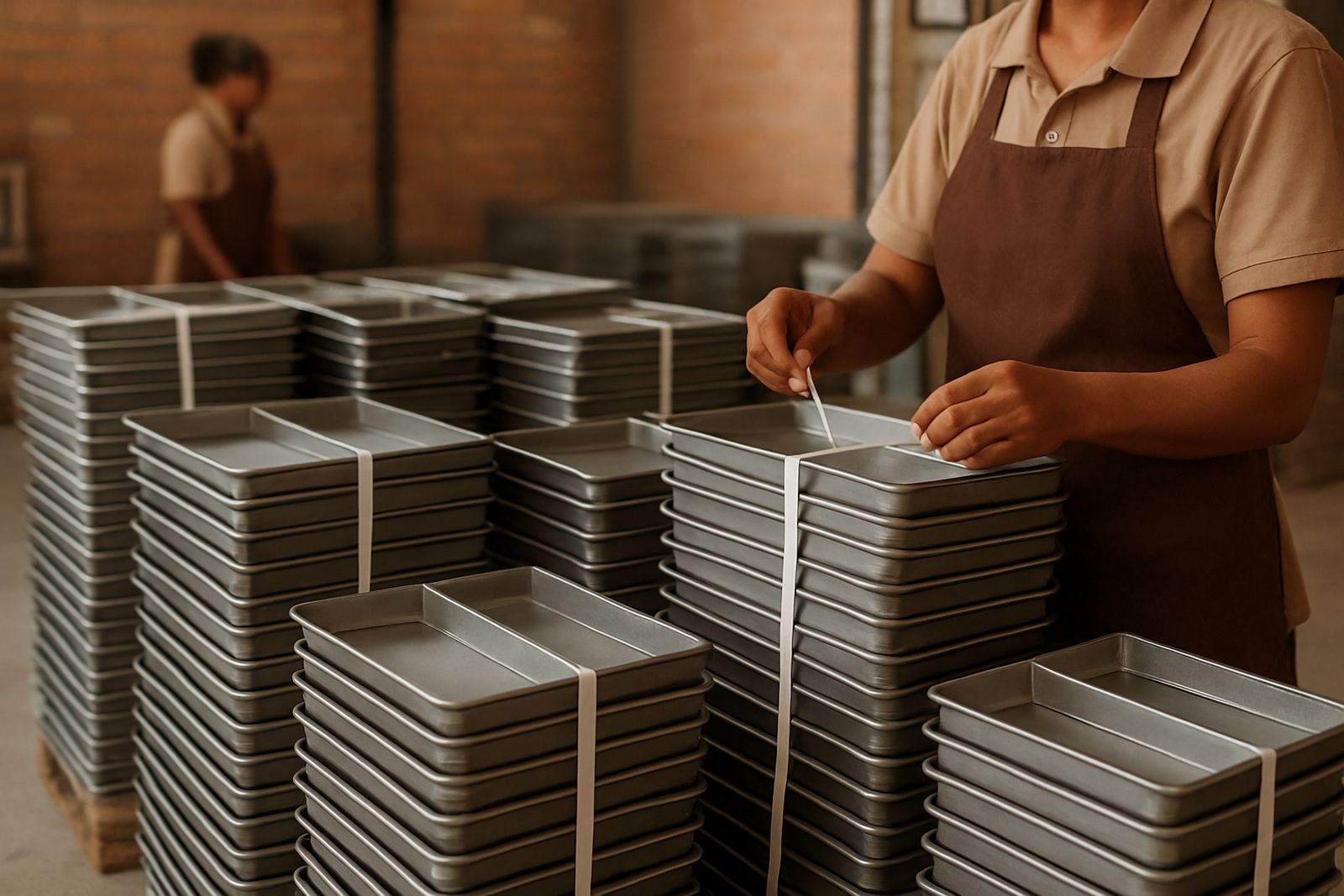
- Choose stackable shapes that do not jam or twist in storage
Steel floor tiles can save time where heat is tight
In some ovens, the floor tile is doing more than people realise. A properly made steel oven floor tile supports consistent heat across the base of the bake, which helps when product recipes change through the day. If one batch needs a slightly different bake profile, the oven floor cannot be the weak point.
The original Bakerite steel floor tile was made for plant bakery use, and that kind of practical design still matters. A tile that fits correctly, stays flat and handles repeated heat cycles can reduce the need for constant adjustment. It also helps when a site is dealing with load-shedding recovery, because the oven must come back into service quickly and predictably. If the floor is uneven or badly worn, the first runs after a restart often need extra checking.
In Westmead and the wider Pinetown area, many production teams run long shifts with tight time windows. They cannot afford to lose ten minutes here and there because the oven floor needs fiddling or a tile has lifted. Good floor tiles make the changeover feel less like repair work and more like routine production.
A local example from Westmead to Durban
A bakery in KwaZulu-Natal that runs different breads for retail and food service may change over several times in a week, sometimes in the same day. A Monday order for sliced loaves can be followed by dinner rolls for a hotel group, then smaller bread runs for a retailer. If the pans are bent or the trays do not fit the racks properly, each swap slows the team down.
That is where local supply and maintenance help. A Westmead base means the bakery can assess worn bakeware, arrange pan straightening, corner repairs or tray recoating without waiting on long freight delays. It also helps when spare lids or weld repairs are needed. If the bakery is in Durban, Upper Highway or New Germany, getting the right piece back into circulation quickly can keep the line moving and reduce pressure on night shift crews.
Changeover speed is not only about labour. It is also about having bakeware that can be restored instead of thrown away. In many cases, a damaged tray or pan can be brought back into service with the right repair, saving money and keeping the same size and shape on the line.
What a good changeover system looks like
The strongest line changeover process starts before the oven is full. Crews need a clear order for what comes off, what gets cleaned and what goes back in. If the bakeware is marked, stored and checked in the same way each time, there is less confusion and fewer delays. A good system also makes it easier for new staff to learn the process without mistakes.
Useful habits for a plant bakery include:
- Keep like items together by product type and size
- Inspect pans and trays before each shift, not after a breakdown
- Set aside damaged items for repair instead of mixing them back in
- Use a simple return flow from oven to cleaning to storage
- Record which pieces need recoating, straightening or weld repairs
These steps sound basic, but they matter when production is under pressure. A crew that knows exactly where each item goes can turn a changeover into a measured routine instead of a scramble.
Designing for the next change, not just the next bake
Many bakeries buy bakeware for today’s product list, then find the line has changed six months later. New pack sizes, new customers and new seasonal runs all affect how often the line changes over. That is why custom trays and practical repairable steelware are worth planning for from the start.
Instead of treating bakeware as a one-off purchase, it helps to think in terms of service life. Can the pans be straightened if they knock? Can lids be replaced? Will the trays keep their shape after repeated wash cycles and coastal humidity? If the answer is yes, changeovers stay easier for longer and the bakery gets more value from every piece.
For plant bakeries, retailers and hotels, the real measure is not only the first bake. It is whether the line can change product cleanly again tomorrow. That is where the right bakeware saves time, cuts waste and keeps output steady.