Why December catches bakeries out
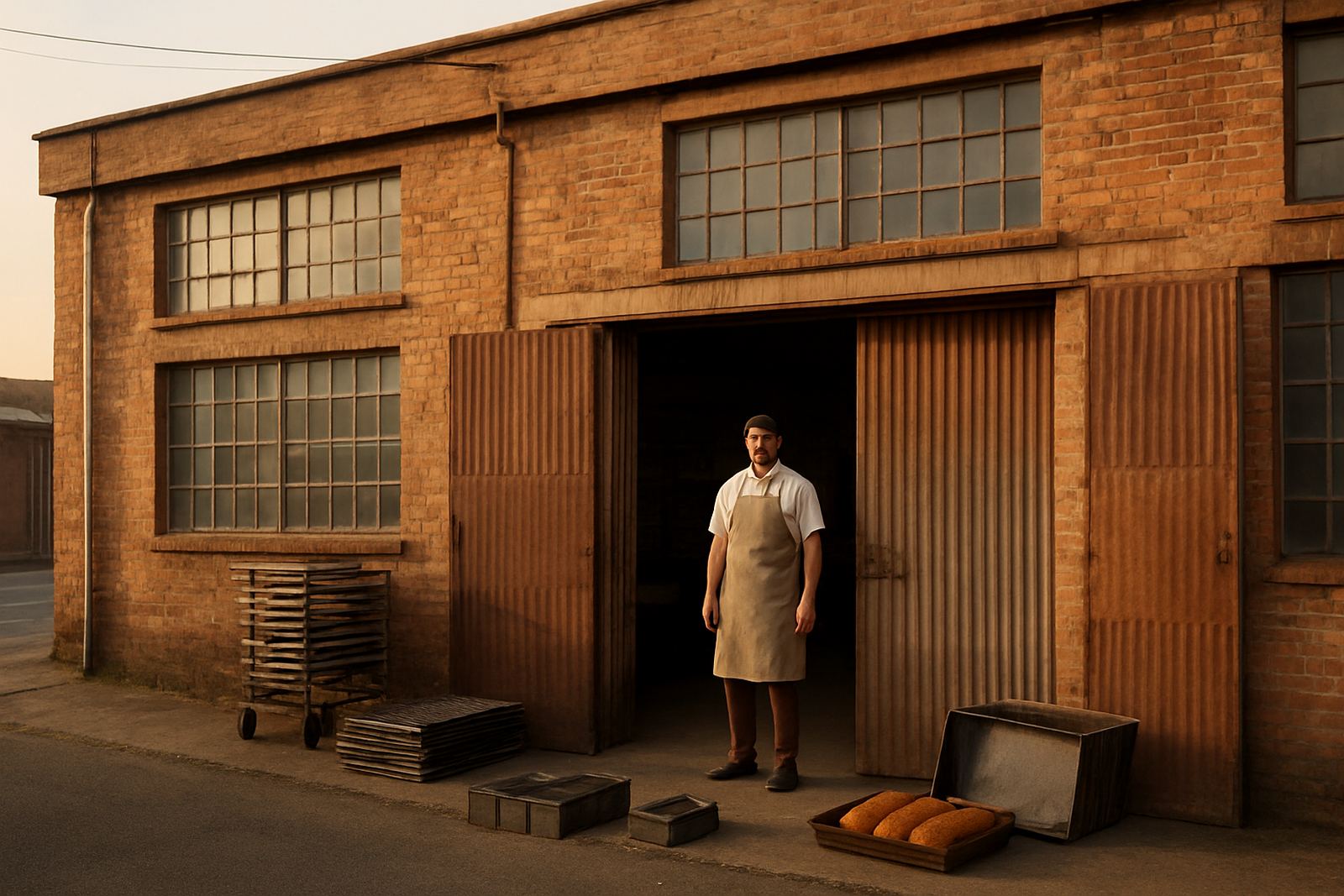
Festive trade changes the mix as much as the volume. Plant bakeries run longer on standard loaves, retailers push fruit loaves, rolls and platters, and hotels add banqueting trays for year-end functions. Pans that sat on a shelf for most of the year suddenly go back into rotation, and worn sets that were tolerable at normal volume start causing sticking, uneven colour and slow depanning.
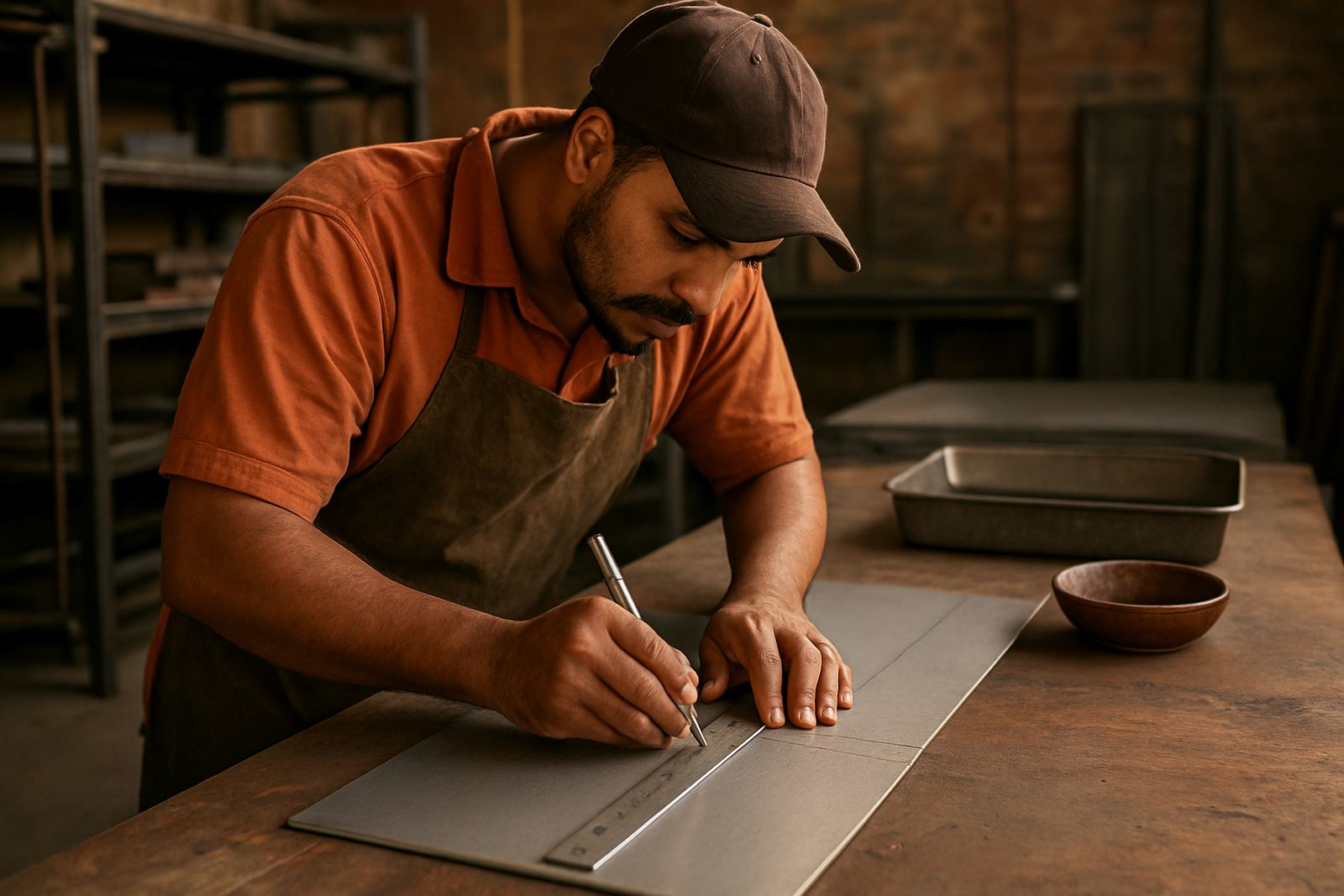
Because we make every pan and tray in our own workshop, the real limit in December is fabrication time, not steel. Orders placed late join a queue that is already full.
Count what you really have
Start with a simple count by line and by size. Include pans in the wash bay, at the second site and in storage, then compare that number with what the line needs at full speed plus a buffer for cooling and returns.
- Pans per oven load multiplied by loads per hour on peak days
- Extra sets needed while others are cooling or being washed
- Trays for products that only run in December
- Floor tiles with cracks, warping or heavy carbon build up
Most bakeries find the gap sits in two or three sizes, which makes the top up order smaller than expected.
Check condition before you order
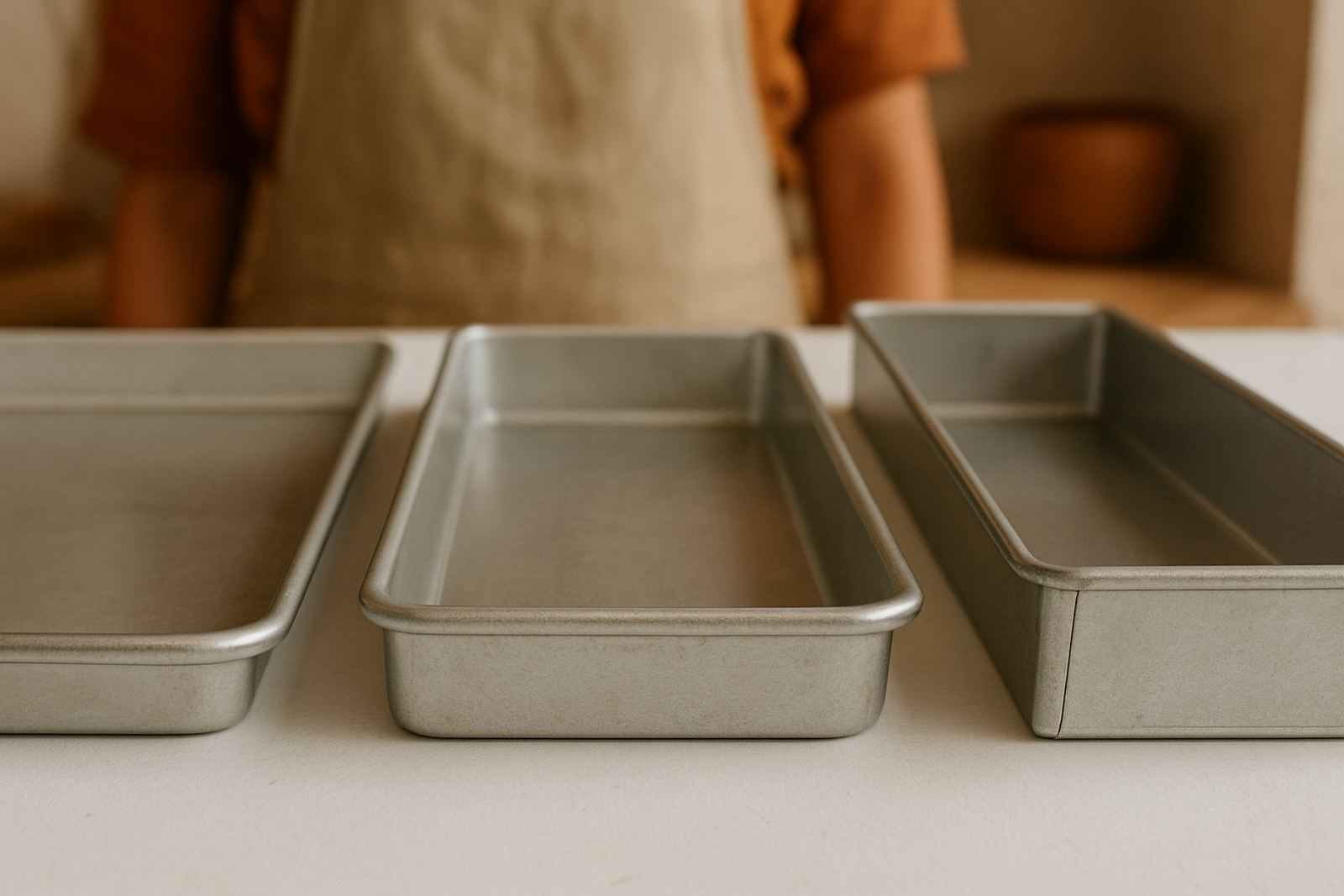
Pull a sample of pans from each set and look at corners, seams and coating. Warped bases, dented rims and burnt patches cost more than they seem because they slow the depanner and cause rejects. Pans that are sound but tired can often be recoated through our repairs service instead of replaced, which spreads the cost and keeps matching sets together.
Ordering repeat and custom sets
If you are reordering a size we have made for you before, we work from your existing drawing and the order moves quickly. New sizes, linked straps or special tray edges need a drawing check and a sample first. Send us the old pan or its measurements, the oven and conveyor details, and the quantity you need, and we will confirm a dispatch date before you commit.
Talk to us before the rush
Our team in Pinetown has been building bakeware for plant bakeries, retailers and hotels across KwaZulu-Natal and the rest of the country for a long time, and the advice never changes: plan early. Send us your counts and a few photos of your worst pans and we will tell you what to recoat, what to replace and when it can be on your floor. Ask for a quote with your list.