What a tray edge does on the factory floor
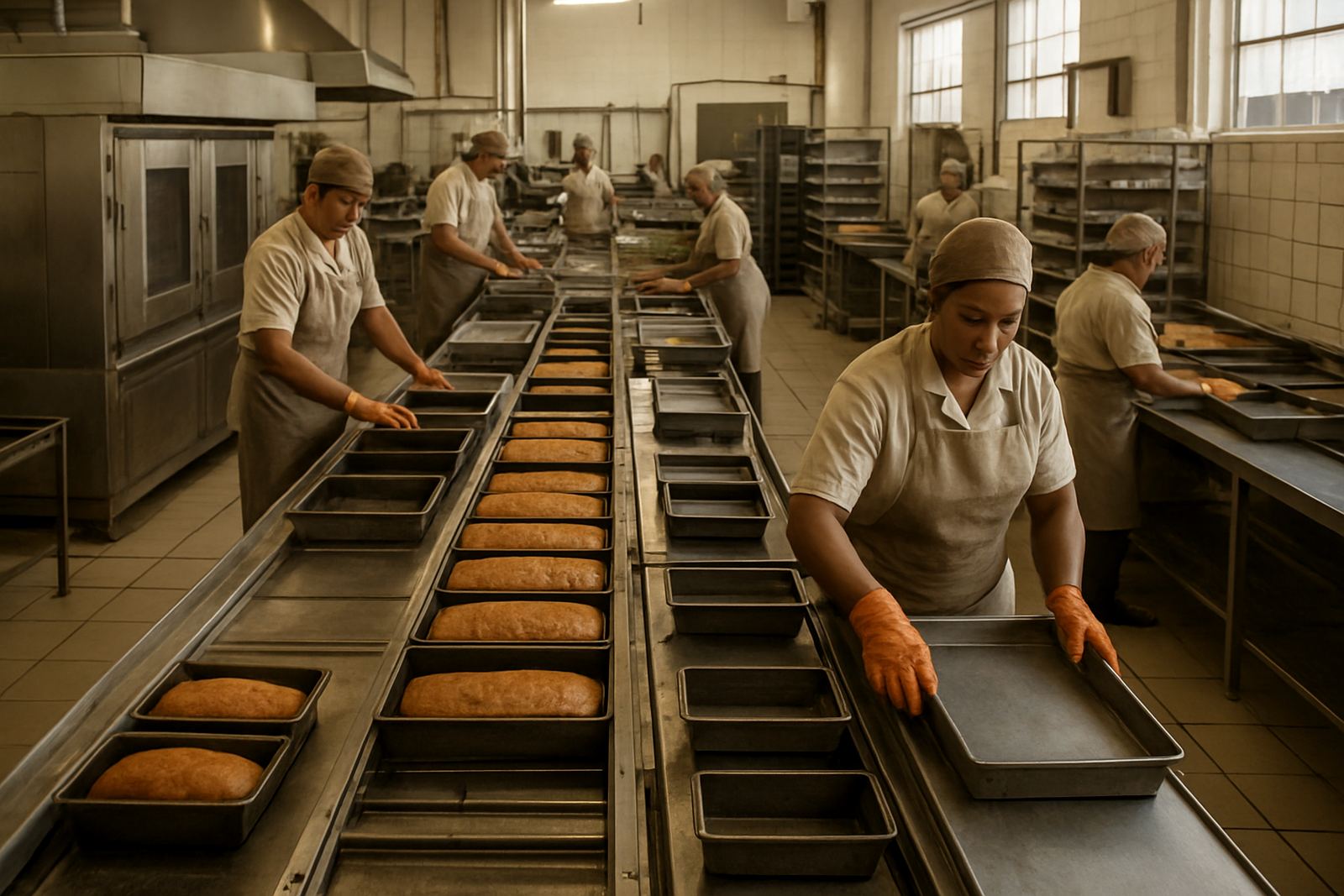
Tray edge design is one of those details people only notice when it goes wrong. A tray with a weak lip twists in the oven, catches on racks, or bends when staff move it from proofing area to bake line. Once that starts, you get product movement, uneven colour and extra handling time.
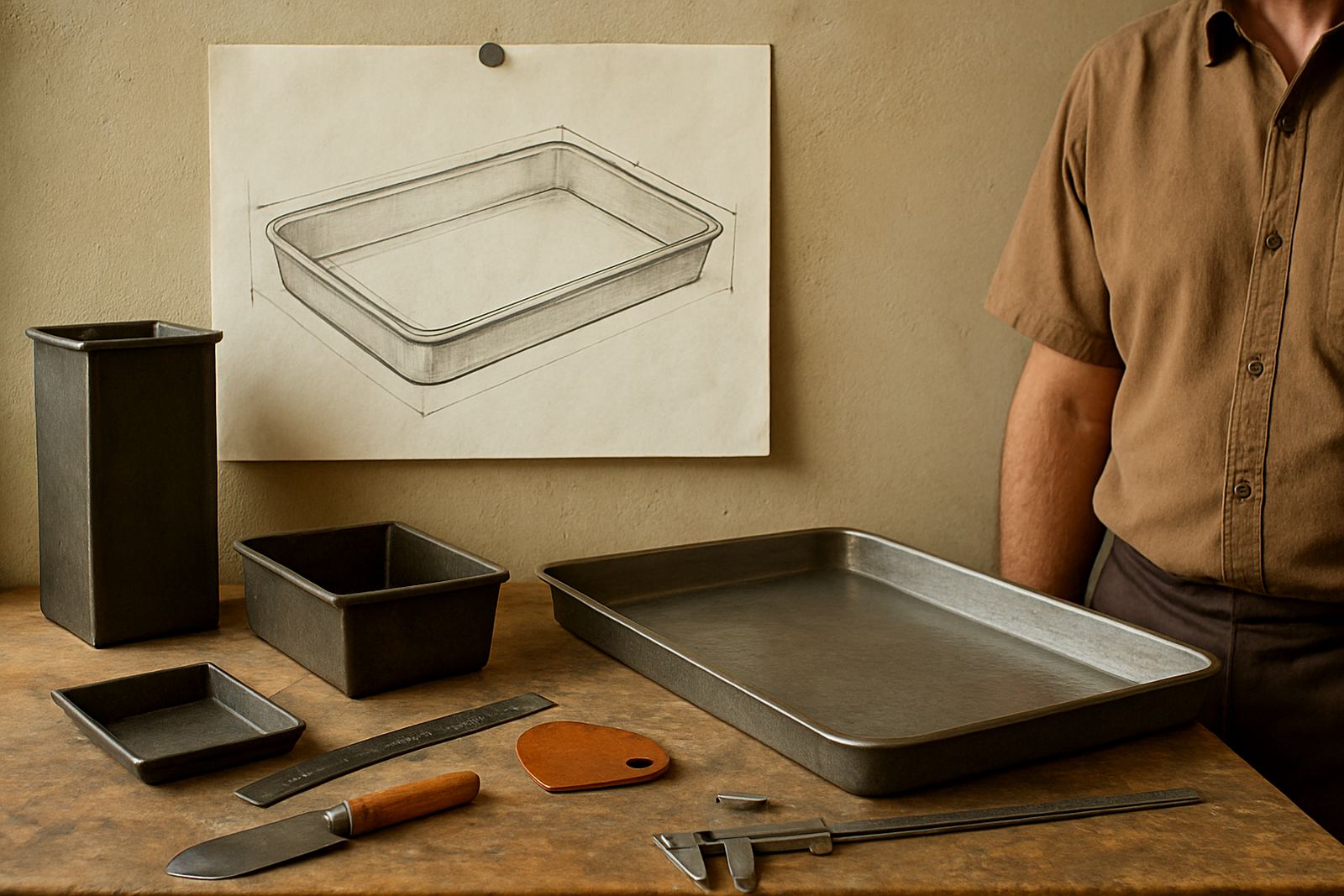
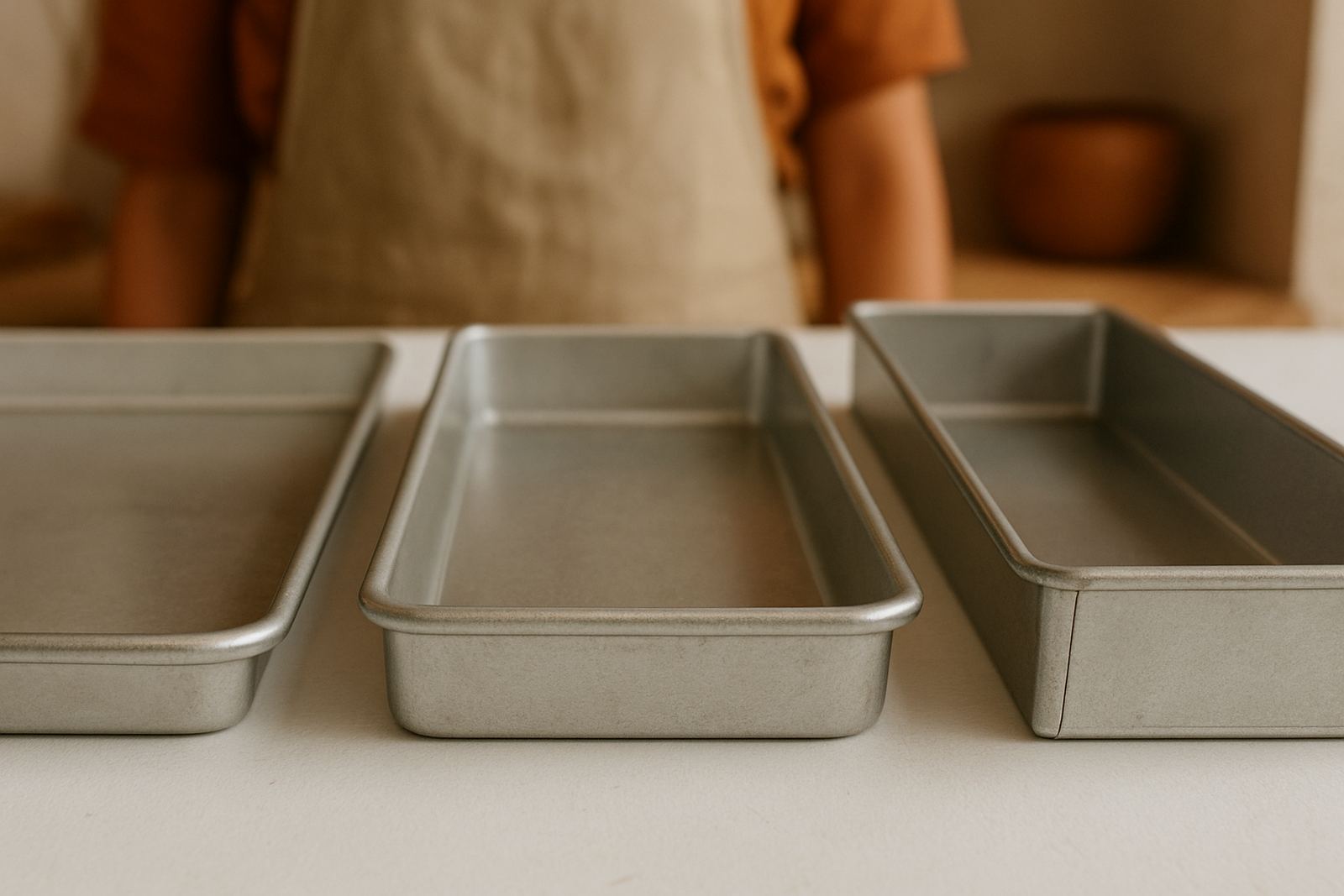
In production, the edge has to do several jobs at once. It must carry weight, protect the tray body, help the tray slide in and out of trolleys, and still hold its shape after repeated heating and cooling. That is why a folded edge, rolled rim or turned lip is not just a finish, it is part of the working structure.
At Bakerite, we see the difference every week on trays used by plant bakeries in Durban, Pinetown and further inland. Where the edge is underdone, the middle of the tray can look fine but the sides start to fail first.
Why lips and rims matter for speed and safety
A tray with a proper lip gives staff something solid to grip with gloved hands. That matters on hot runs, especially when the line is moving fast and people are working around ovens, proofers and loaders. A sharp or flimsy edge slows the team down and raises the chance of a bent corner or hand injury.
Rims also help trays sit properly in storage and on transport racks. If the edge is squared off badly, trays can scrape each other and the damage grows from one small ding into a full twist. On some sites, that means more rejects during loading because the tray no longer runs true on the guide rails.
- Better grip when trays are moved by hand
- Less damage during stacking and trolley loading
- Cleaner alignment on oven runners and transport frames
- Lower chance of sharp edges and pinched fingers
In a hotel bakery or retail production kitchen, staff may be moving smaller volumes but the same rules apply. A good edge saves time every shift, not just on a large plant line.
Folded edges vs open edges in daily use
Open edges are cheaper to make in the short term, but they tend to wear quicker. Heat, washing and repeated contact with racks can open the metal further, especially if the tray is used in a humid coastal area. Around KwaZulu-Natal, that extra moisture shows up fast and small defects become rust points much sooner.
Folded edges add material thickness at the most exposed part of the tray. That gives the edge more resistance to knocks and makes the tray feel firmer in the hand. It also helps keep the tray straighter under load, which is important when a full tray is lifted with dough pieces or baked goods still on it.
There is still a place for simpler edge forms on light-duty work, but for high turnover production the edge needs to suit the job. A tray for a plant bakery is not the same as a tray used occasionally in a back room oven.
- Folded edges suit high-use, high-turnover operations
- Open edges may be suitable for lighter duty or short runs
- Edge choice should match oven heat, wash method and trolley handling
How edge design affects cleaning and hygiene
Food plants do not only judge trays by strength. They also look at how easy they are to clean and inspect. A badly formed rim can trap fat, crumbs and washing residue. Over time that build-up bakes on and becomes hard to remove, especially on trays that are not deep cleaned regularly.
Simple edge shapes with smooth folds are easier to wash down and easier to check for wear. Corners are the first place where grease and flour sit, so those corners should not leave rough seams or open gaps. If the edge cracks or splits, moisture gets in and the tray starts to fail from the outside in.
For sites working under stricter internal hygiene checks, tray edges should be part of the maintenance routine just like pans and lids. A tray that looks straight at a glance can still hide a weak seam or a lifting fold. That is why fleet assessment and deep cleaning go hand in hand.
Matching edge design to product weight and oven heat
Tray edge design must suit what sits on the tray. Light biscuit or roll work does not put the same strain on the tray as heavy dough pieces, frozen items or dense bakery products. The more load and movement the tray sees, the stronger the lip or rim should be.
Heat is part of the equation too. In high temperature ovens, metal expands and contracts many times during a shift. If the edge is too thin or poorly supported, the tray can go out of square and begin to rock. That affects baking even before the tray looks visibly damaged.
For bakery managers, the practical question is simple: does the tray still sit flat, carry safely and stack neatly after months of use? If not, the edge design may be the weak point, not the full sheet.
- Heavier product calls for stronger edge support
- Higher heat means more movement in the metal
- Flat stacking and straight running are signs of a sound edge
A Westmead example: fewer bends, fewer stops
In Westmead, Pinetown, a plant bakery running long shifts was sending trays back for straightening more often than expected. The issue was not the sheet size, it was the edge form. The lip was too light for the way the trays were being loaded off trolleys and into ovens, so the corners kept taking the knock first.
After the tray edge profile was changed and the worn trays were repaired with corner work and rim repairs, the bakery cut down on stoppages during the rush period. Staff could stack trays more cleanly and the trays moved better on the guides. That kind of change does not sound dramatic, but over a week it saves real time.
We see the same pattern in Durban, New Germany and Upper Highway where humidity, quick turnarounds and rough handling all work against the tray. A stronger edge is often the simplest fix when trays are wearing out faster than expected.
When to repair and when to replace the tray edge
Not every damaged tray needs to be scrapped. Many can be brought back with weld repairs, straightening, corner repairs or rim repairs, provided the base metal still has life left in it. The key is knowing when the edge damage is local and when it has spread through the tray body.
If the tray is still holding product correctly, stacking straight and heating evenly, repair is often worth it. If the edge keeps failing after repeated work, or the tray has deep corrosion and distortion, replacement makes more sense. The same applies to spare lids and matching parts, they need to fit the way the tray is used on site.
For bakeries that want to keep production moving during load shedding, maintenance planning matters as much as new tray supply. Trays that are sound on the edge are easier to rotate, easier to clean and less likely to hold up a shift when power returns and the line has to restart quickly.
In short, tray edge design is not a small detail. It is part of how the whole bakery runs.