Why steel bakeware still makes sense in plant bakeries
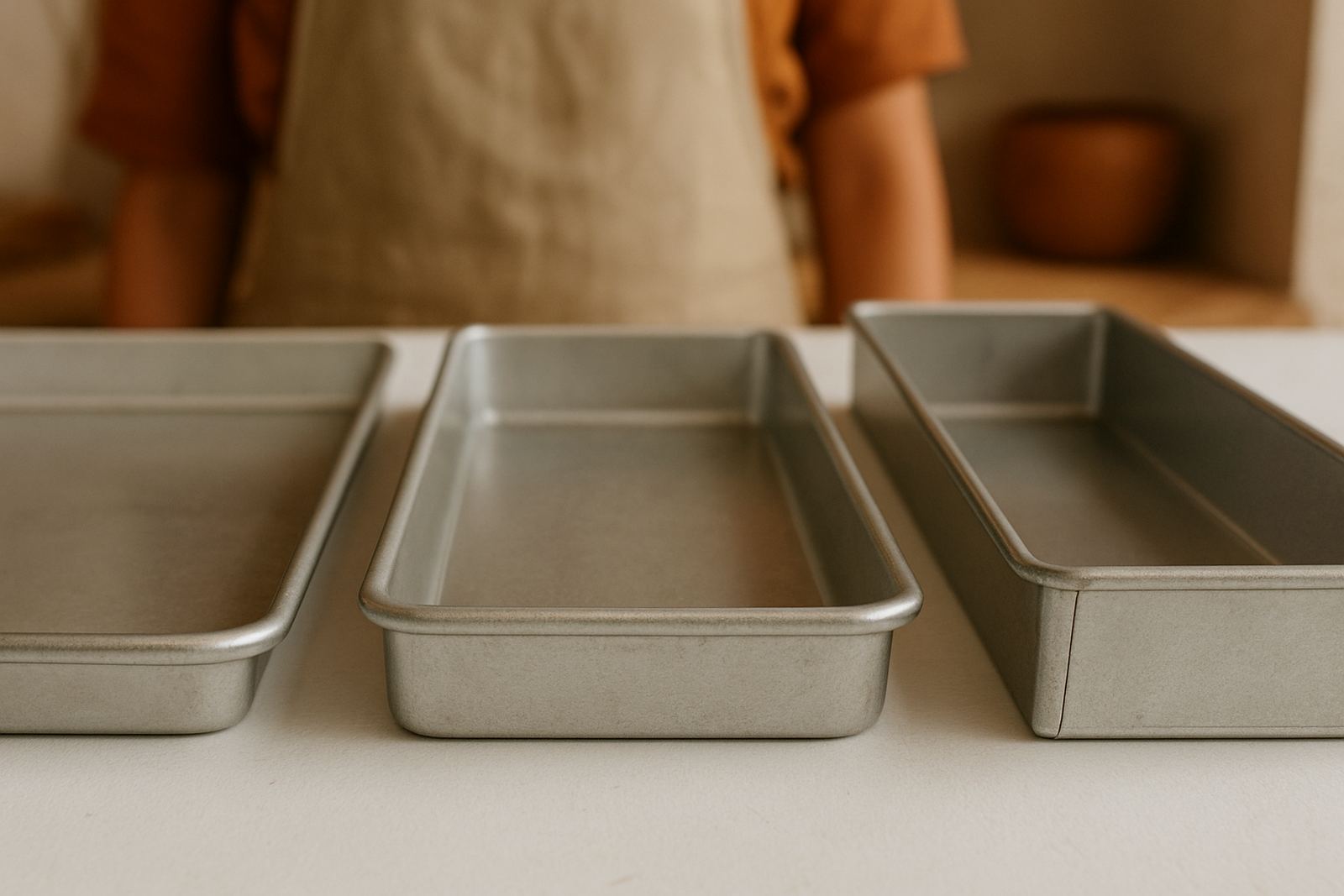
In a modern plant bakery, equipment has to cope with heat, repeated handling and tight production turns. That is why steel bakeware still holds its place. It carries heat well, keeps its shape under daily use, and can be repaired instead of written off too early. For bakeries in Durban, Pinetown and inland plants where ovens run long shifts, that matters a lot.
The best bakeware is not the lightest or the flashiest. It is the one that stays flat, releases product properly and can be restored when a corner bends or a rim starts to open. At Bakerite in Westmead, the focus has stayed on that practical side of production for nearly three decades. The original steel floor tile, bread pans and custom trays all come back to the same question: will this save time on the line and stand up to repeat use?
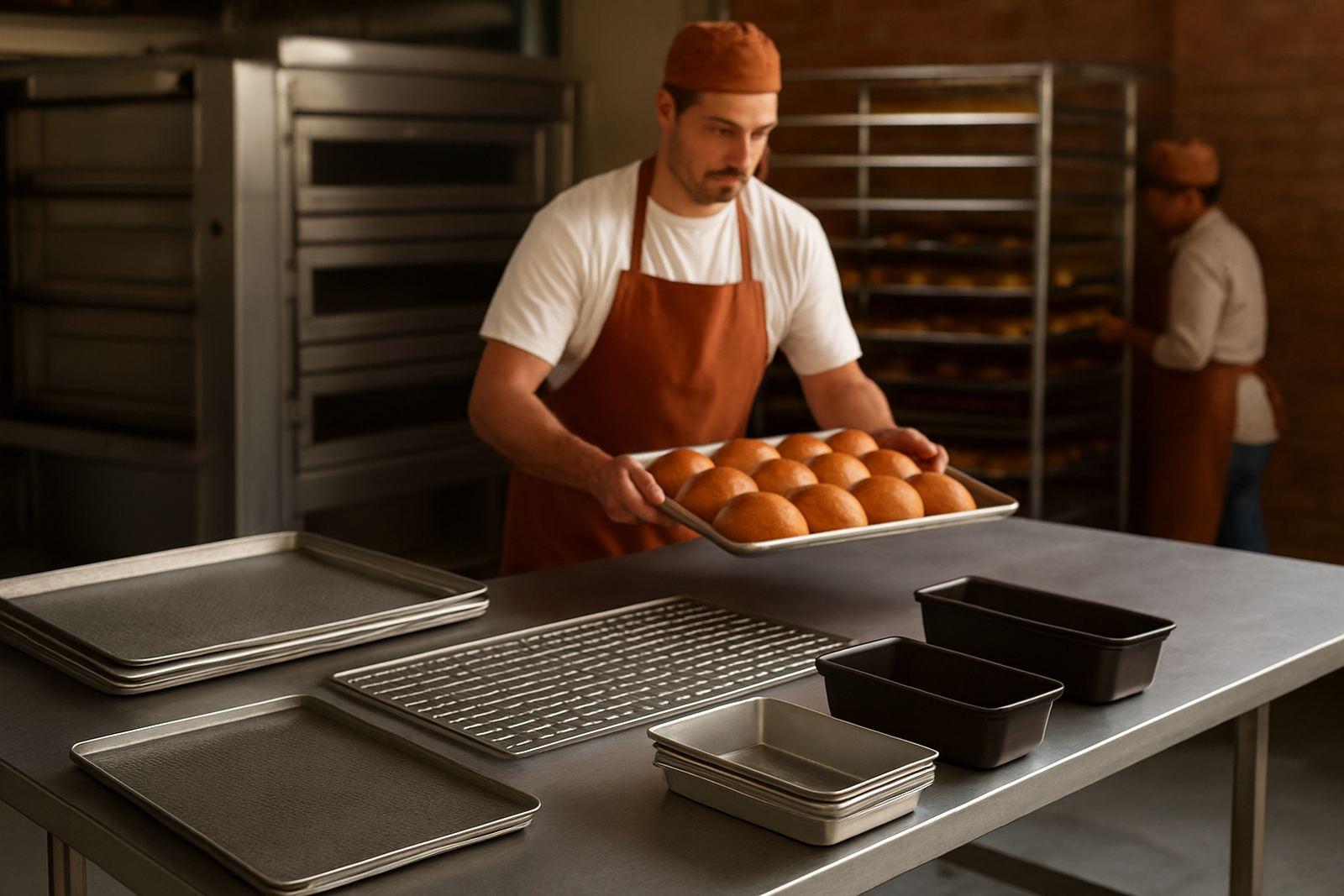
When a bakery standardises its pans and trays, operators make fewer mistakes, stacking is neater and bake results become more consistent. That kind of order helps when load-shedding shifts production windows or when a plant has to run early starts to meet supermarket dispatch times.
What the next generation of bakeware needs to handle
South African bakeries are not working in ideal conditions. There is heat, humidity on the coast, heavy wash cycles and in some plants, rough handling during night shifts. Future-ready bakeware has to cope with all of that without failing at the welds or warping after a few months.
The smarter approach is to choose items that can be serviced, not simply replaced. A tray with a bent edge, a pan with a damaged rim or a lid that no longer sits properly may still be useful after straightening or repair. That keeps more metal in service and reduces the pressure on stock rooms.
For bakeries serving multiple sites, the same logic applies to fleet management. If one branch in Westmead has pans drifting out of shape while another in New Germany is short on lids, the whole schedule feels it. Better assessment and planned servicing help keep product moving.
- Choose bakeware that can be recoated, straightened or welded where needed.
- Match tray size and pan depth to your oven layout, not just to the recipe sheet.
- Keep spare lids and serviceable parts on hand for high-use lines.
- Inspect items before damage spreads across a batch, not after.
Repair is becoming part of production planning
For years, many factories treated damaged bakeware as a loss. That is changing. More managers now build repair into their maintenance plan the same way they handle motors, belts or oven seals. It makes sense. A straightened pan or a recoated tray can go back into service at a fraction of the cost of full replacement, and it helps maintain a familiar workflow on the line.
Services such as pan recoating, tray recoating, corner repairs, rim repairs and weld repairs are no longer just an emergency response. They are a practical way to extend working life and protect the stock already in circulation. In a bakery turning out rolls, loaves or hotel bread orders every morning, a small defect can become a bigger problem if the item is ignored.
Operators also notice the difference on the shop floor. Well maintained bakeware stacks better, cleans easier and reduces the chances of product sticking or tipping. That saves time during changeovers and it keeps the line moving when staff are stretched thin.
Local conditions are shaping equipment choices
What works in a dry inland plant is not always enough for a coastal operation. In Durban and along the Upper Highway, humidity can affect storage, cleaning schedules and the condition of metal over time. In older plants, poor ventilation and heavy wash down routines can also shorten the life of trays and pans if they are not checked regularly.
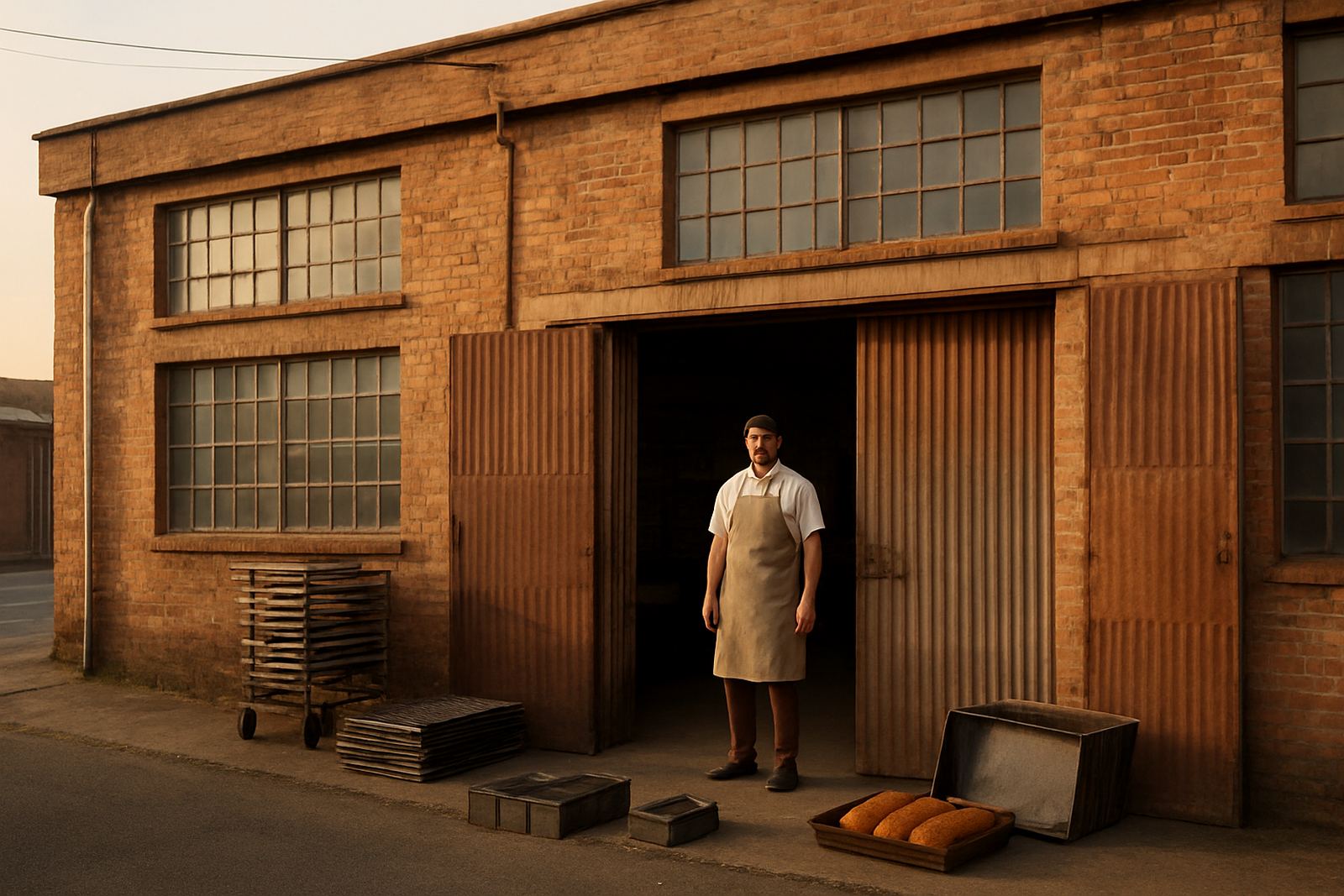
That is why local knowledge still counts. A supplier based in Westmead, Pinetown understands the pace of plant baking in KwaZulu-Natal and the kind of wear that comes from daily transport, oven loading and warehouse stacking. Bakeries in nearby industrial areas often need fast turnarounds, clear communication and parts that fit the existing set-up without forcing a full changeover.
In practical terms, the future of bakeware here will favour items that are easy to clean, simple to inspect and made to suit local oven sizes. It is not about chasing novelty. It is about getting more use from equipment already proven on South African lines, and making sure service support is close enough to matter when production is under pressure.
What retailers and hotels are asking for now
Retail bakeries and hotel kitchens are asking for the same thing in different forms: dependable output. A hotel wants neat loaves for breakfast service. A retailer wants the same tray result across branches. Both need bakeware that holds shape and can be replaced or repaired without long delays.
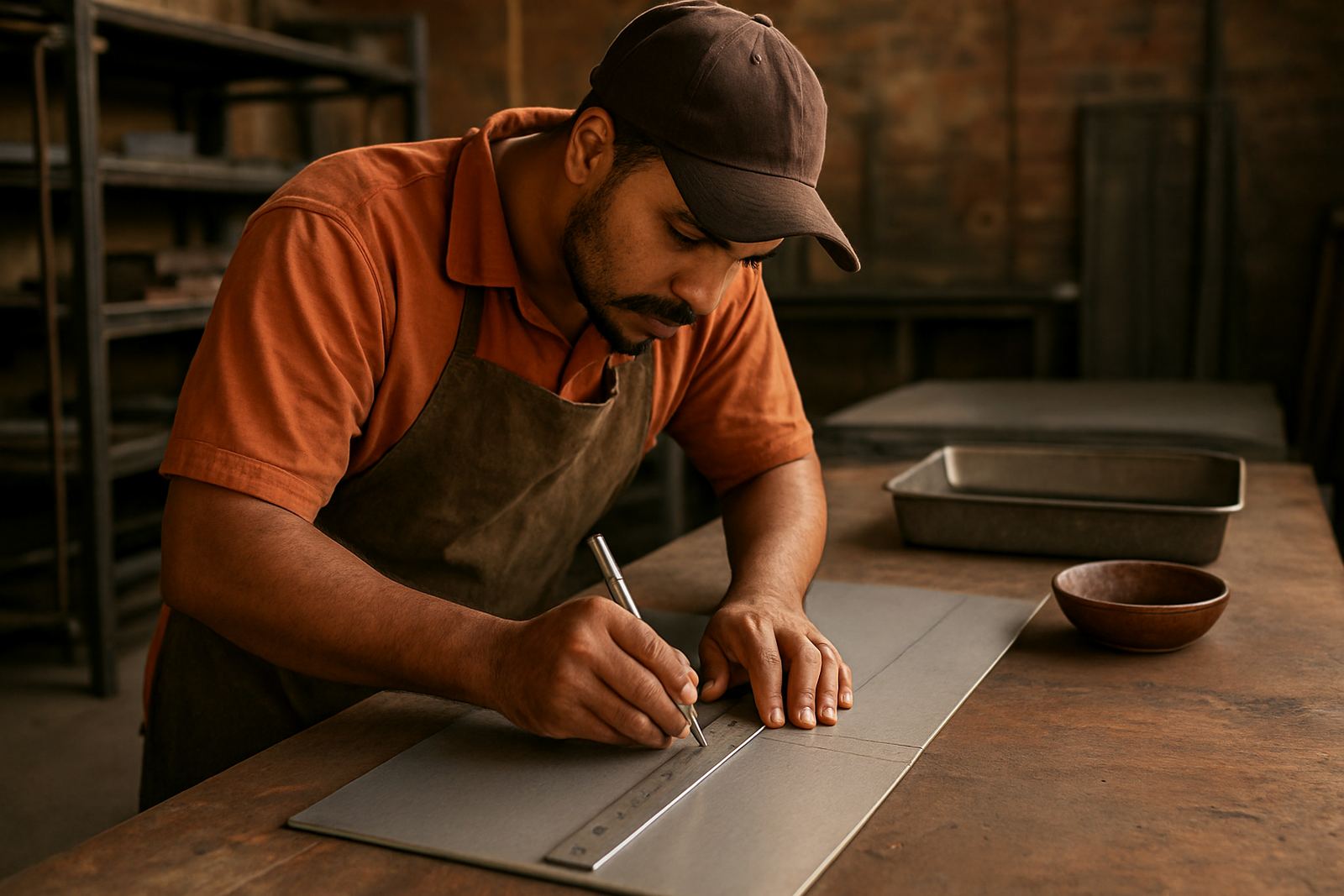
For these users, custom trays and bread pans need to match the actual product mix. A one-size approach usually creates waste. If the pan is too deep, the loaf can bake unevenly. If the tray is too wide, storage becomes awkward and the oven load is less efficient. This is where careful measurement and practical fabrication make a difference.
- Use trays that fit the oven and storage space, not just the recipe.
- Keep spare pieces for fast turnover items and busy weekend shifts.
- Plan cleaning routines around the finish of the equipment.
- Set aside damaged items for assessment before they affect output.
A Westmead example of sensible bakeware planning
A plant bakery near the Durban industrial route may run several product lines from early morning until late at night. If floor tiles start to distort, or if pans lose their shape after repeated use, the line slows down and staff begin working around the equipment instead of with it. That is when the real cost shows itself.
A better plan is to inspect high-use items regularly, separate items that need recoating or straightening, and keep a small reserve of spare lids and trays for peak periods. One bakery in the Pinetown area can lose a full hour of output when a set of pans is out of action, while another site a few kilometres away may be running fine. Small checks prevent that kind of gap.
The future of bakeware in South Africa will belong to operators who treat it as working gear, not a throwaway line item. Careful ordering, local support and regular service will matter more than ever, especially where production volumes are high and every shift counts.
Practical steps for the years ahead
There is no mystery to improving bakeware performance. The basics still do the heavy lifting, and the factories that keep to them usually get the best life from their equipment.
- Audit your pans, trays and floor tiles every few months.
- Track repeat damage by shift, oven or product line.
- Use recoating and repairs before small faults spread.
- Keep your standard sizes consistent across the plant.
- Work with a local supplier that understands bakery production pressure.
In the end, future-proofing bakeware is about less waste, better uptime and equipment that suits real South African conditions. That is what keeps a bakery steady when demand rises, deliveries are tight and the ovens have to keep going.