What made the original steel floor tile stand out
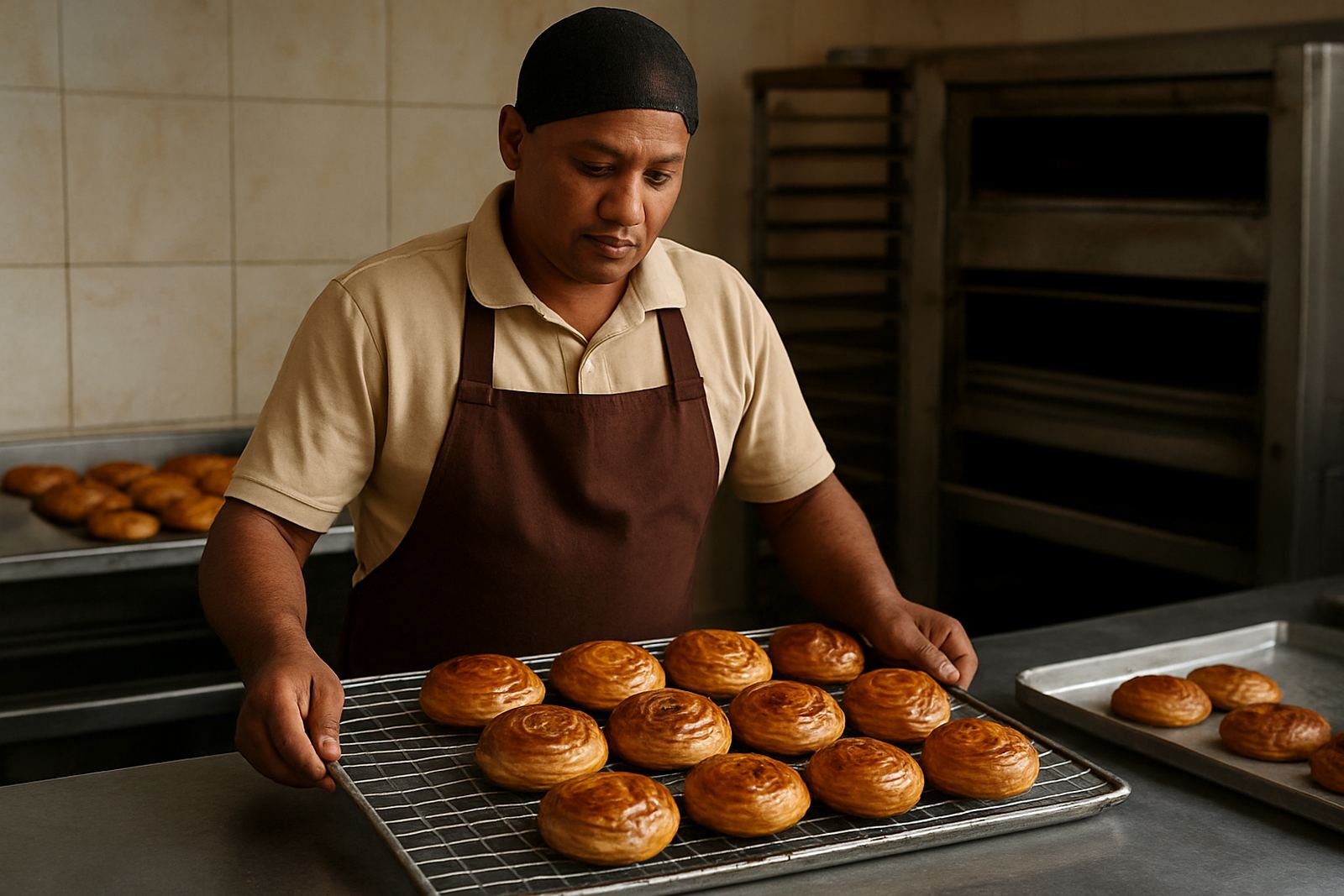
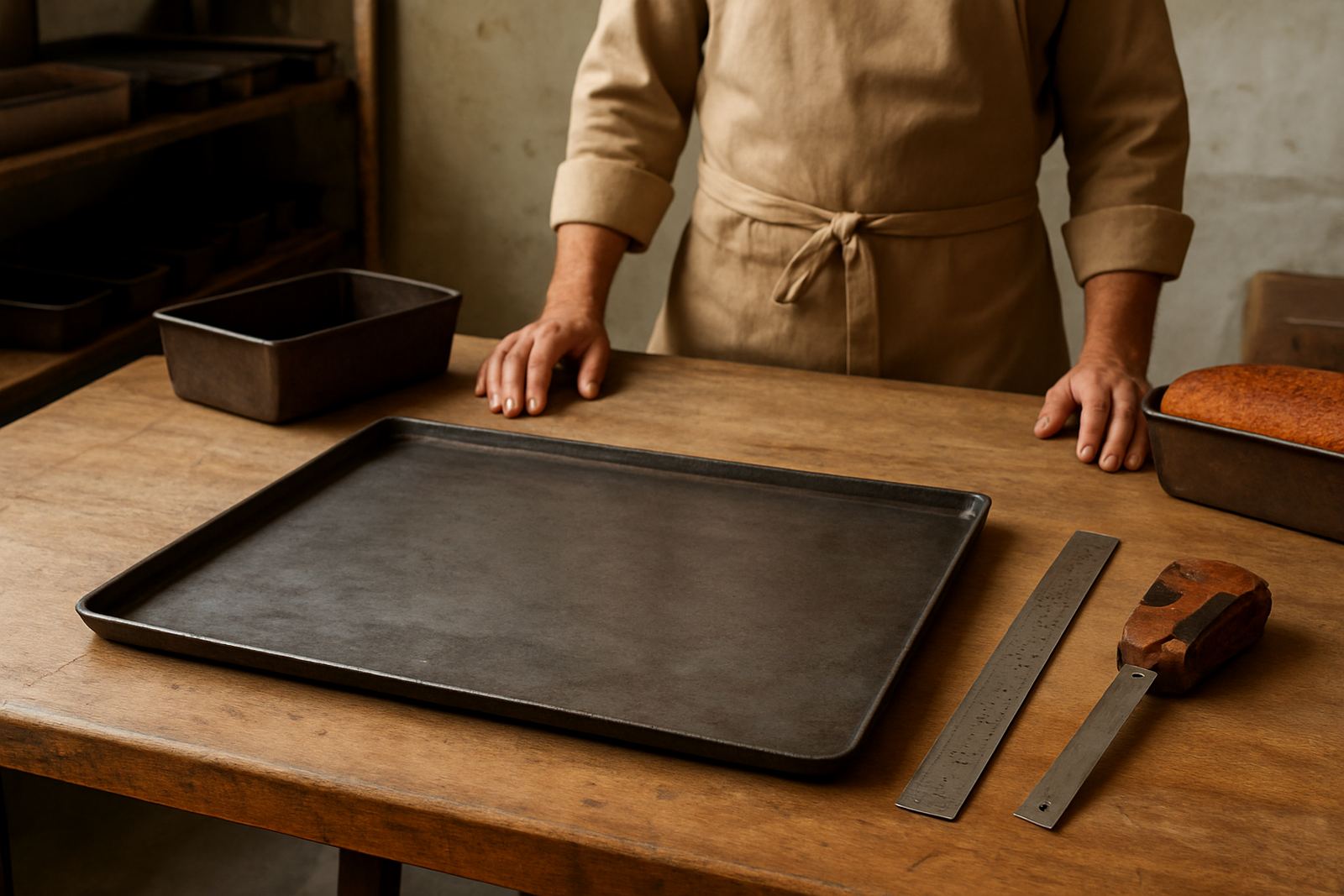
The original Bakerite steel floor tile became known for one simple reason: it did the hard work in ovens that never really got time to cool down. Plant bakeries need floor tiles that sit level, take repeated loading, and hold up under heavy use from trays, trolleys and constant opening and closing of oven doors.
In practical terms, the tile had to cope with high heat, regular wash downs, and the knocks that come from production work. A bakery floor tile is not a display item. It is part of the baking line, and if it moves, warps or cracks at the wrong time, the whole shift feels it.
Bakerite became known for making that tile locally in Westmead, Pinetown, which meant bakers could speak to the people who understood oven work and the conditions in KZN and beyond. That direct link still matters for plant bakeries, hotels and retailers that need parts made to fit the equipment they already run.
Why bakeries kept asking for the same tile again
Once a bakery has a tile that fits properly, it tends to keep asking for the same pattern. That is not only about habit. It is about production planning. If a tile is the wrong thickness or the wrong size, it affects heat transfer, loading patterns and the way bread bakes across the oven floor.
Older bakeries in particular often want to keep one section matching the rest of the oven. Replacing only what is needed saves money and avoids a full overhaul. For sites in Durban, New Germany, Hammarsdale and further afield, that kind of repair-or-replace decision can make the difference between a short stoppage and a full day lost.
- Correct fit helps keep trays stable when the oven is loaded.
- Even floor support can reduce hot spots and uneven bottoms.
- Local manufacture makes repeat orders easier when a plant expands.
- Matching older equipment avoids extra modification work.
Built for plant bakeries, not light use
There is a big difference between light commercial baking and full plant production. A hotel kitchen might use a tile for special batches, but a plant bakery can run the same oven hard from early morning to late night. That means metal fatigue, wear on corners, and damage from poor handling become real issues.
Bakerite’s original floor tile was known in that environment because it was made for the job, not for show. The tile had to stand up to heat cycles, cleaning routines and the weight of production work. In a coastal area like Durban, where humidity can add extra pressure on steel, proper storage and maintenance matter just as much as the make of the tile.
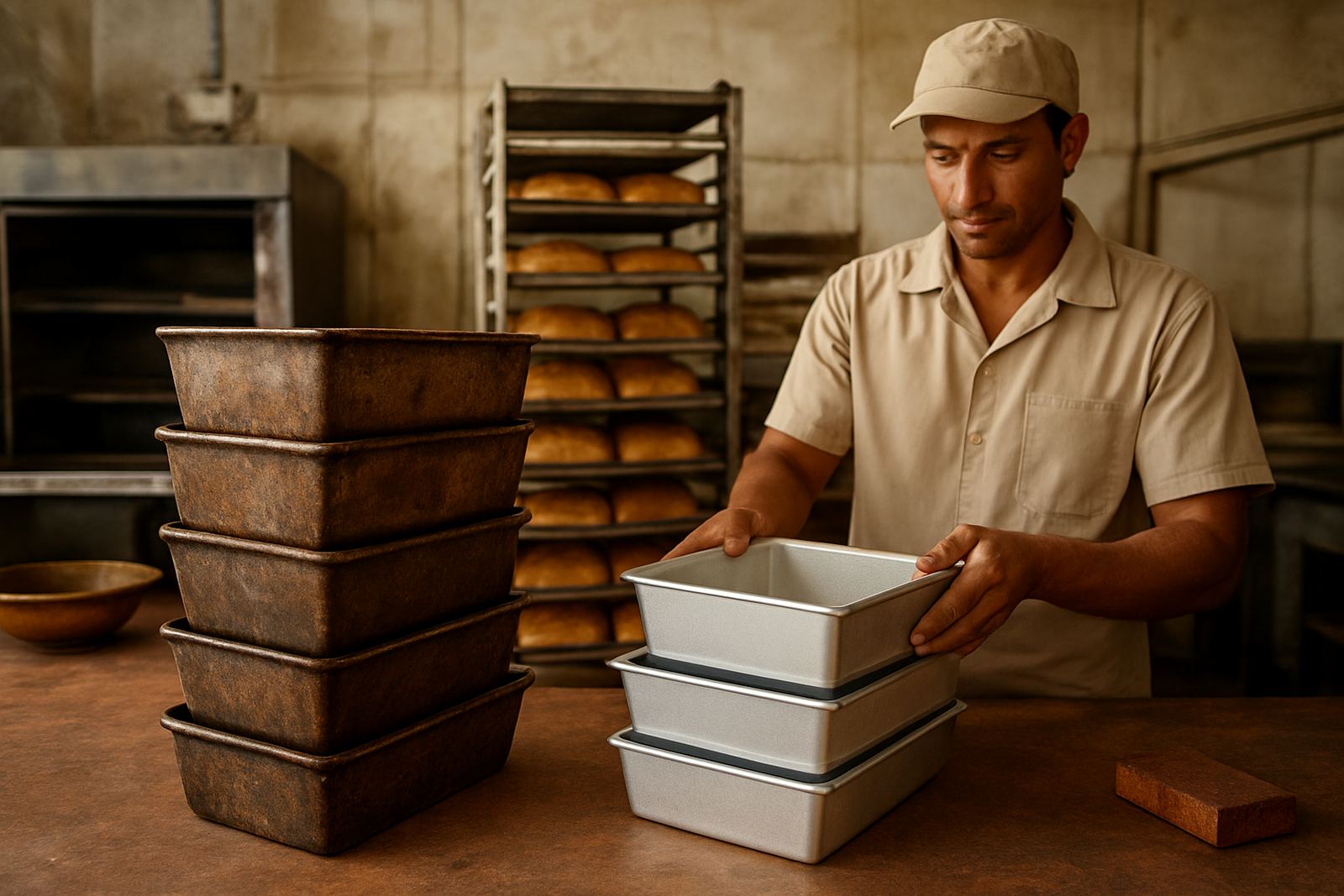
Good bakery managers look for signs early. Slight bowing, worn edges, loose fit or heat marks around the contact points are all worth checking before the next maintenance stop. Ignore them and the tile often ends up being replaced too late.
What to check before you order replacements
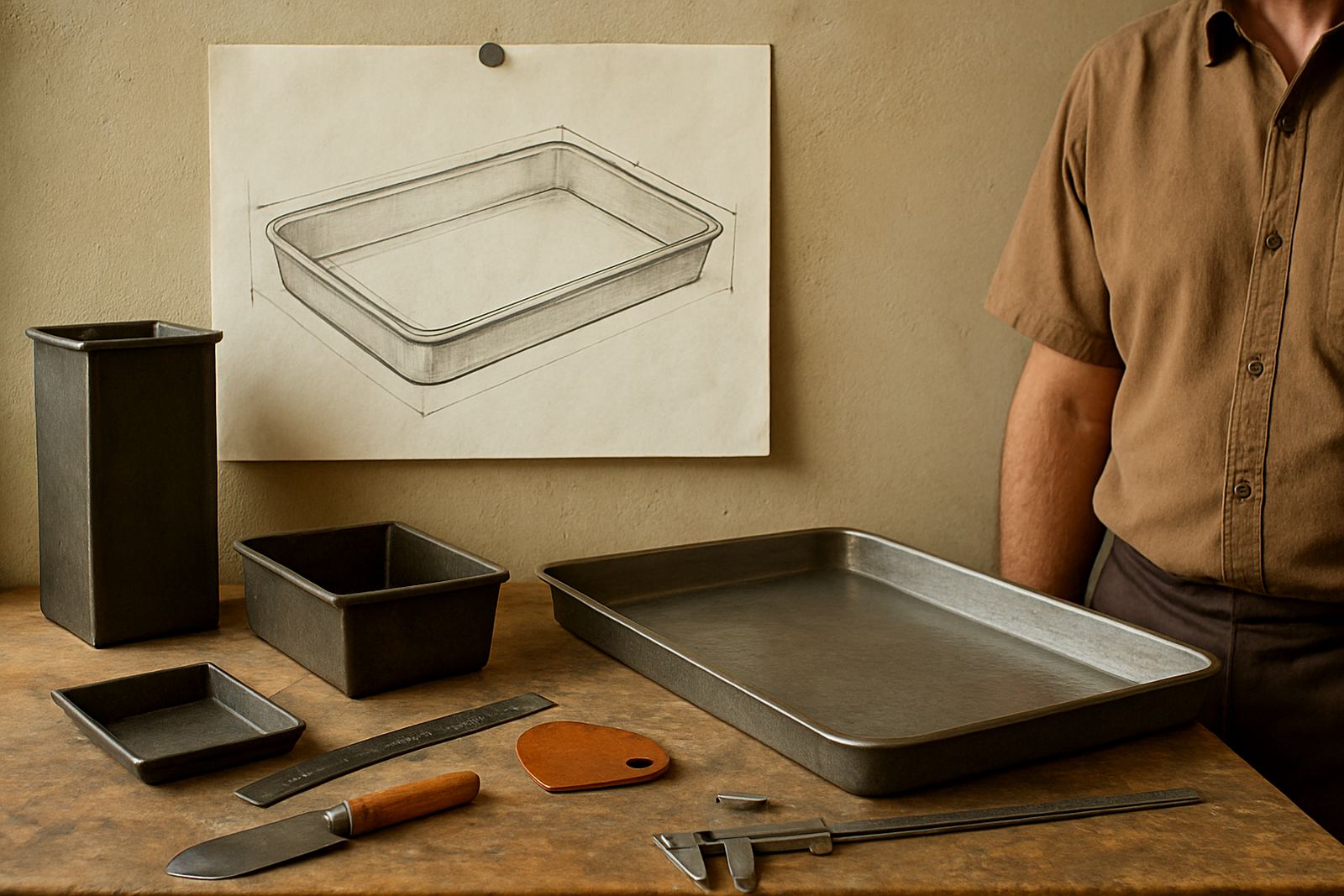
If your bakery is replacing floor tiles, the first step is not to guess. Measure the existing opening, check the thickness, and compare the surface finish and edge profile. A tile that is only a few millimetres off can sit badly, rattle during use, or create an uneven baking surface.
At Bakerite, orders for floor tiles are often linked to the age of the oven and the way it has been used. That includes the type of bread baked, how often the oven is cleaned, and whether trays are loaded by hand or on trolleys. The more detail a buyer can give, the better the match.
- Measure length, width and thickness in millimetres.
- Check whether the tile has straight or formed edges.
- Note any wear at the corners or around the frame.
- Keep a sample or drawing if the original part is still available.
- Tell the supplier if the site is inland or coastal, as conditions differ.
A local example from Westmead to the coast
A bakery in the greater Durban area running early bread production may need replacement floor tiles after years of heat and cleaning. If the oven sits in a humid building with salt air drifting in from the coast, steel parts can age faster than expected. In that case, a local maker can inspect the tile pattern, match the size, and advise on any strengthening or repair before the next busy week.
That is where a Westmead base helps. It means the team understands the pace of industrial baking in KwaZulu-Natal, from plant bakeries in Pinetown to retail suppliers further up the Upper Highway and across the country. The order can be handled with less back and forth, and if changes are needed they can be dealt with quickly, not after the line has already stopped.
For bakeries working around load-shedding, this local support matters even more. When power returns, production often restarts in a hurry and equipment must be ready. A floor tile that fits properly and has been checked beforehand reduces one more thing to worry about.
Why the original tile still has value today
Some parts become known because they are clever. Others become known because they keep working year after year. The original Bakerite steel floor tile falls into the second group. It earned trust through repeat use in real bakeries, not from theory.
That is why the tile still matters to plant bakeries, hotels and retailers that want practical parts made by people who understand bakery production. It also explains why the name stayed in circulation for so long. When bakers talk about a floor tile that lasts, fits and can be replaced without drama, they usually mean the sort of part Bakerite built its reputation on.
For buyers, the lesson is straightforward: match the part to the oven, keep records of what worked, and use a supplier who knows the old equipment as well as the new. That saves time, reduces waste and keeps the oven earning its keep. Simple enough, but not always easy.