Why a Solid Base Changes the Result in the Oven
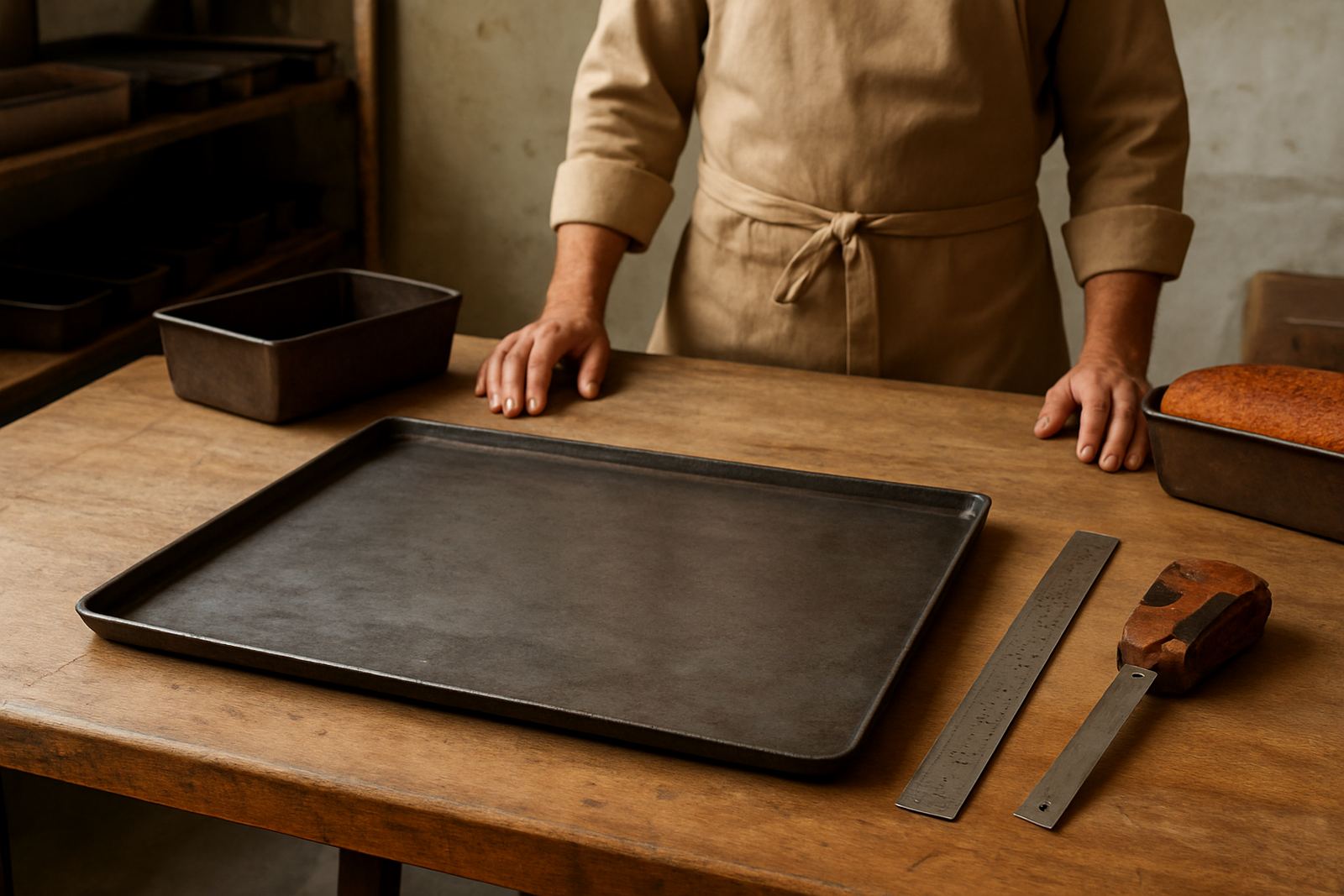
A tray with uninterrupted support spreads weight across the full pan instead of letting product sit over open gaps. That matters with wet doughs, filled products and anything that can slump before the structure sets. In a hot oven, a weak base can bow slightly and leave the batch uneven, especially when the tray is carrying a full load and the oven floor is already under pressure from frequent cycles.
Solid tray bases are useful where the aim is steady heat transfer and a level bake. They also make handling easier during loading and unloading, because the tray feels more stable in the hands and on racks. In a bakery running through load-shedding or using backup generators, that extra stability helps when every batch counts and there is no time to waste on rejects.
Breads, Rolls and Viennoiserie That Benefit Most
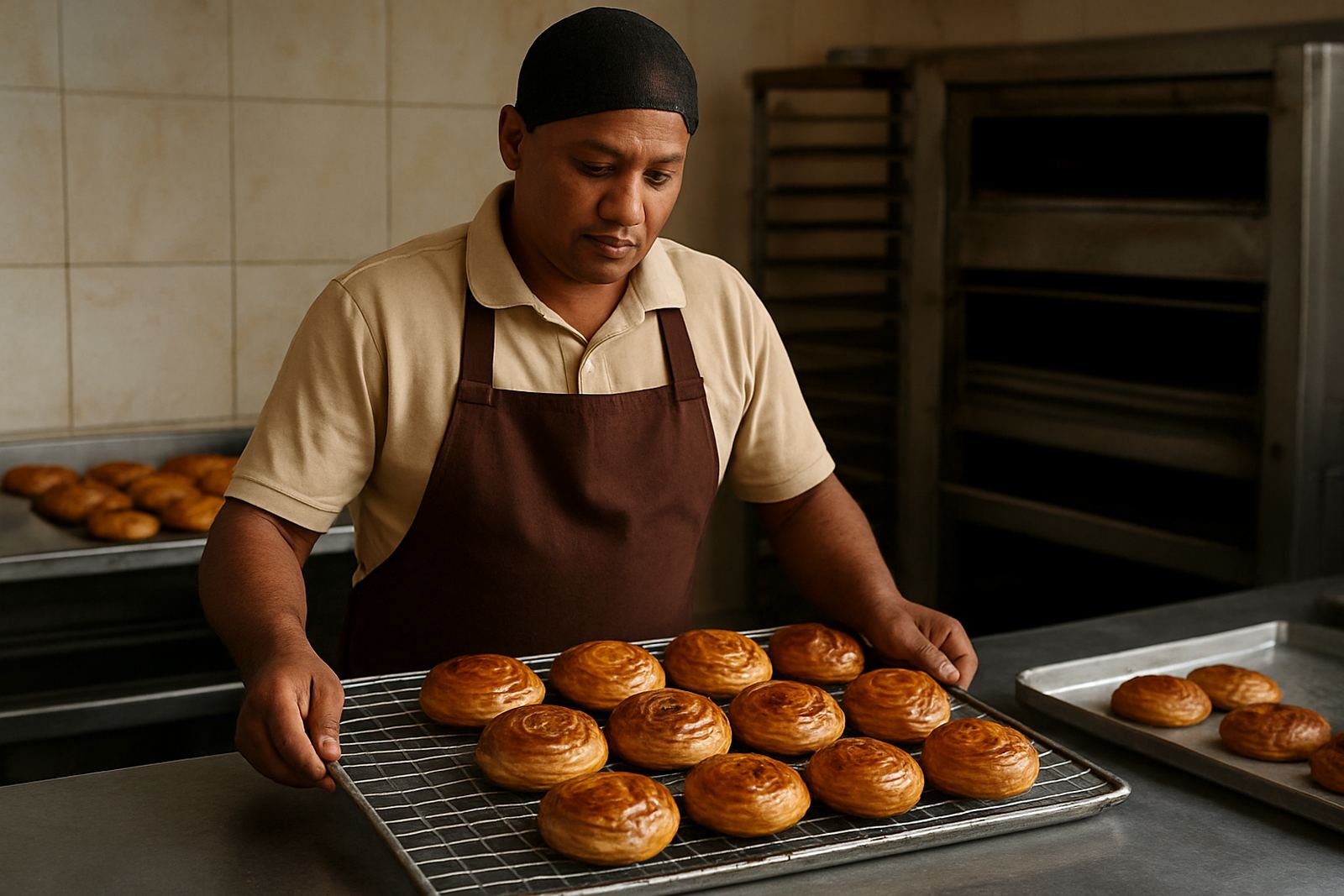
Some products hold their shape best when the base below them is firm and flat. Bread doughs with higher hydration, soft rolls, buns and laminated items all respond well to support that does not flex under heat. This is especially true where the product is proofed close to full size and needs a clean transfer into the oven without stretching or tearing.
- Pan breads that must keep a square or rectangular form
- Soft rolls and burger buns that spread if the base is uneven
- Filled pastry items that can leak or flatten on a weaker tray
- Laminated dough pieces that need even contact for a steady rise
For hotels and retail bakeries, a solid tray also helps keep appearance consistent across the display shelf. Customers notice if one batch comes out taller and another one leans to one side, even if the recipe is the same.
When Pans Need Support During Proofing and Transfer
Not every product spends the same time on the tray, but many still need it to stay true from proofing to bake. A rigid base helps when pans are stacked, moved on trolleys or set down on warm prep tables. It can reduce corner distortion and protect the product during that final move into the oven. On a humid Durban morning, for example, dough can soften quickly, so a tray that stays flat gives the bakery a bit more control.
Teams handling large volumes often prefer equipment that behaves the same every shift. That is one reason plant bakeries, hotel kitchens and food manufacturing lines ask for custom trays with solid bases and consistent dimensions. If the tray is already carrying weight from product and syrup or glaze, a firm base is simply easier to manage.
Products That Do Better on a Solid Tray
Solid trays are not only for bread. They suit a wide range of baked and prepared food items that need structure underneath them. Where open-style trays can allow sagging, marking or uneven contact, a full base gives the product a better start.
- Pizza bases that must stay level during par-bake
- Scones and tea-time items that spread if the tray flexes
- Breakfast pastries with fillings that move in the oven
- Prepared food items in hotel kitchens that need straight transfer and holding
In practice, the choice often comes down to the product weight, the oven type and how often the tray is reused. Heavier batches and frequent turns put more stress on the metal, so the base has to keep its shape and not oil-can under heat.
How Solid Tray Construction Helps on Busy Lines
Busy production lines need trays that can be cleaned, inspected and returned to service without fuss. A solid base is easier to check for wear because bends, dents and cracked welds show up sooner. It also stands up well to recoating and repair work when the tray frame is still sound. That can extend the working life of the tray and keep replacement costs down, which matters when a bakery is running full shifts in Westmead, Pinetown or further afield.
For plant bakeries, the benefit is not only product quality but also workflow. Trays that sit properly on racks reduce shifting in transit and make stacking safer. Less movement means less damage to corners and rims, and less time spent sorting out trays that have gone out of line.
A Westmead Example: When the Batch Had to Stay Flat
A local plant bakery in the Westmead area had a recurring issue with soft dough products pulling slightly off-centre during bake. The recipe was sound, but the tray base was giving a little under load and the product was changing shape before the crust set. After switching to solid trays with proper support, the line saw cleaner edges and more even colour across the batch. Nothing dramatic, just fewer rejects and less handling hassle.
That kind of result is common where the product is sensitive to movement. The tray does not make the recipe on its own, but it can stop a good recipe from going off-track. For bakeries supplying retailers and hotels, that difference shows up in presentation, waste and the number of trays sent back for repair.
Choosing the Right Solid Tray for Local Conditions
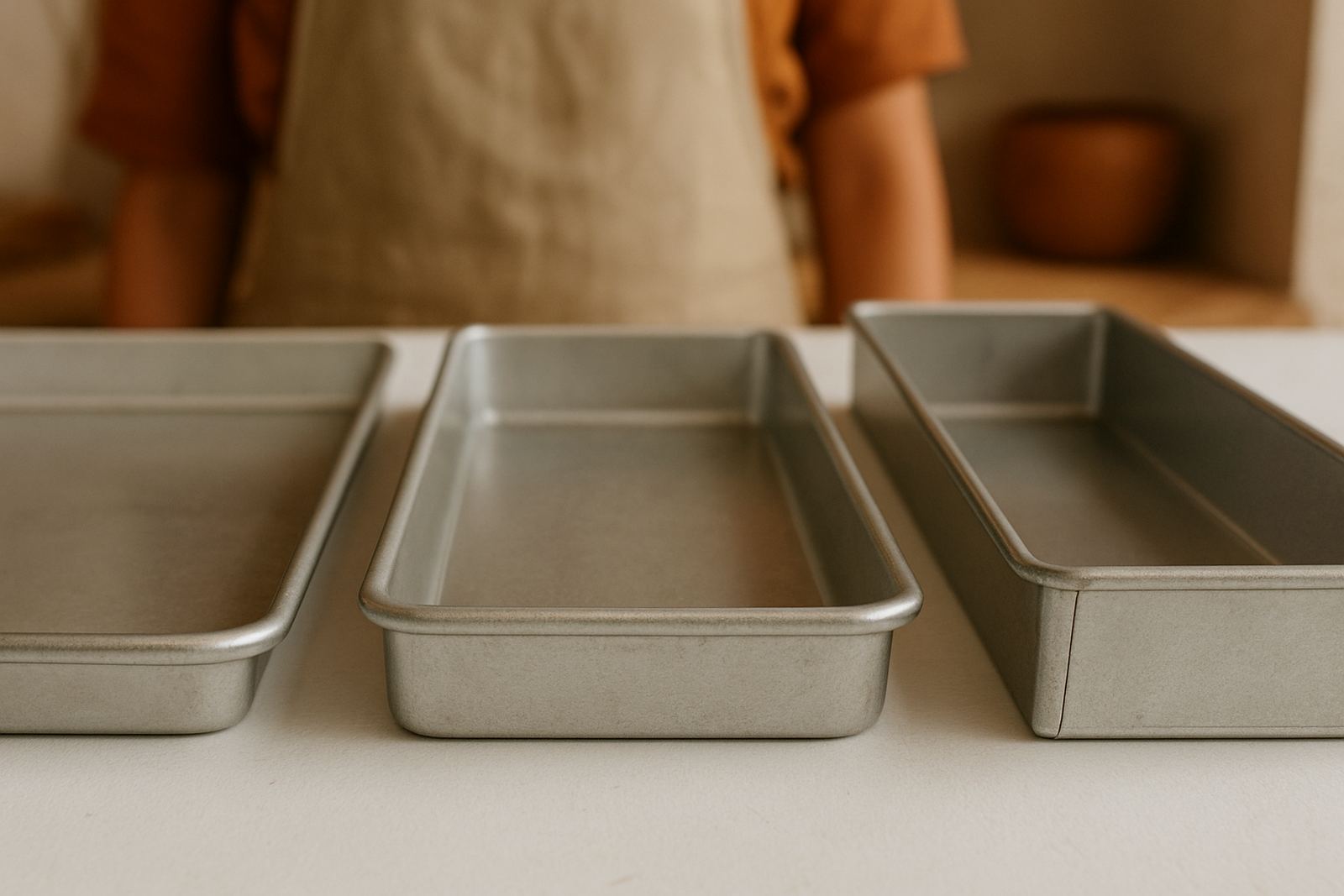
South African bakeries work in a wide range of conditions, from humid coastal kitchens to hotter inland production rooms. Tray choice should take that into account. Steel thickness, rim strength, corner design and coating all affect how long the tray stays true. If the equipment is handled daily, stacked high or washed often, it needs to cope with wear and moisture without warping too fast.
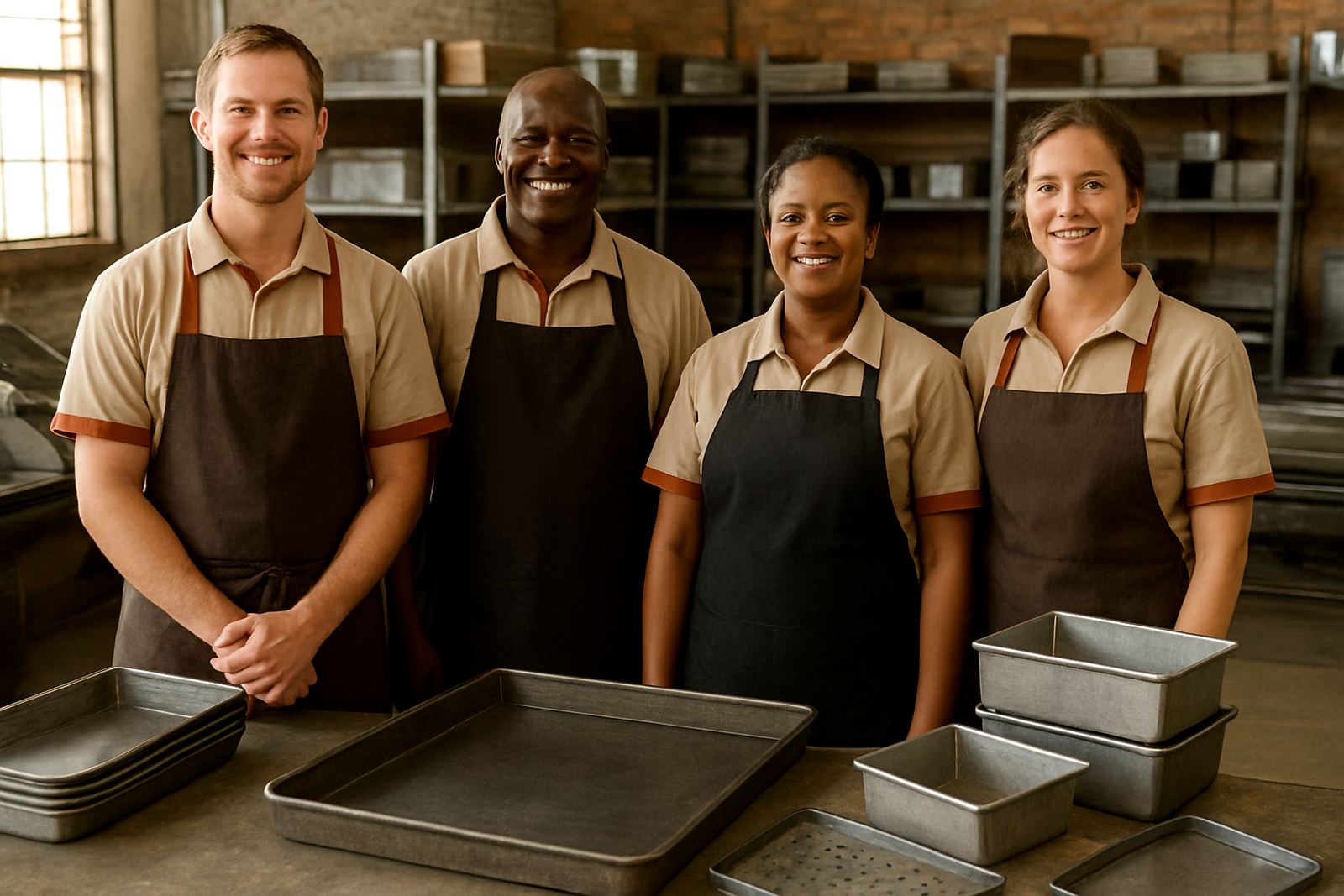
It also helps to match the tray to the oven and the product weight, not just the size. A tray that is too light for the load will flex sooner and can shorten service life. A tray that is too heavy can slow handling and add strain for staff. The best option is usually the one that fits the plant's process, cleaning method and repair schedule. For advice or supply, the team at Bakerite in Westmead, Pinetown can assist with solid trays, recoating and repair work for bakery operations nationwide.