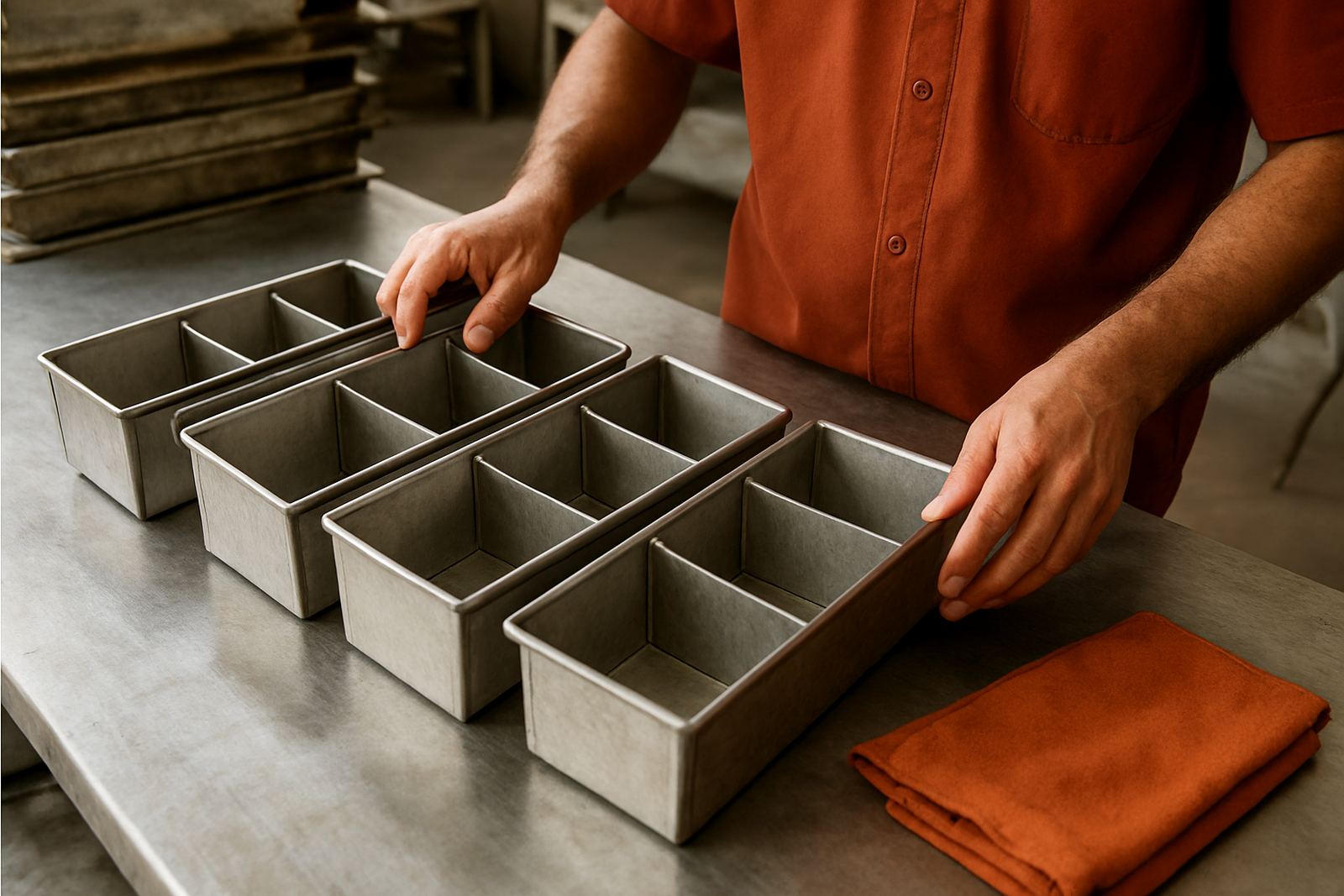
A Phoenix bakery needed pans that could keep up
The client was an in-store bakery team in Phoenix, serving daily foot traffic and steady repeat orders for rolls, savouries and small baked goods. Their old pans were past their best, with warped corners, tired coatings and a few trays that no longer sat flat in the oven. That meant uneven browning, more handling and wasted time during peak production.
The brief was straightforward but exacting. They needed sheet pans that would fit their oven racks properly, stack neatly on trolleys and hold up to constant use in a warm production room. They also wanted a finish that would clean up well after flour, oil and sugar build-up. In a bakery like this, every minute matters, so the pans had to work first time and keep working.
- Client type: in-store bakery production team
- Location: Phoenix, KwaZulu-Natal
- Use: daily baking for retail counter supply
- Problem: worn, warped and hard-to-clean pans
What we checked before we made the order
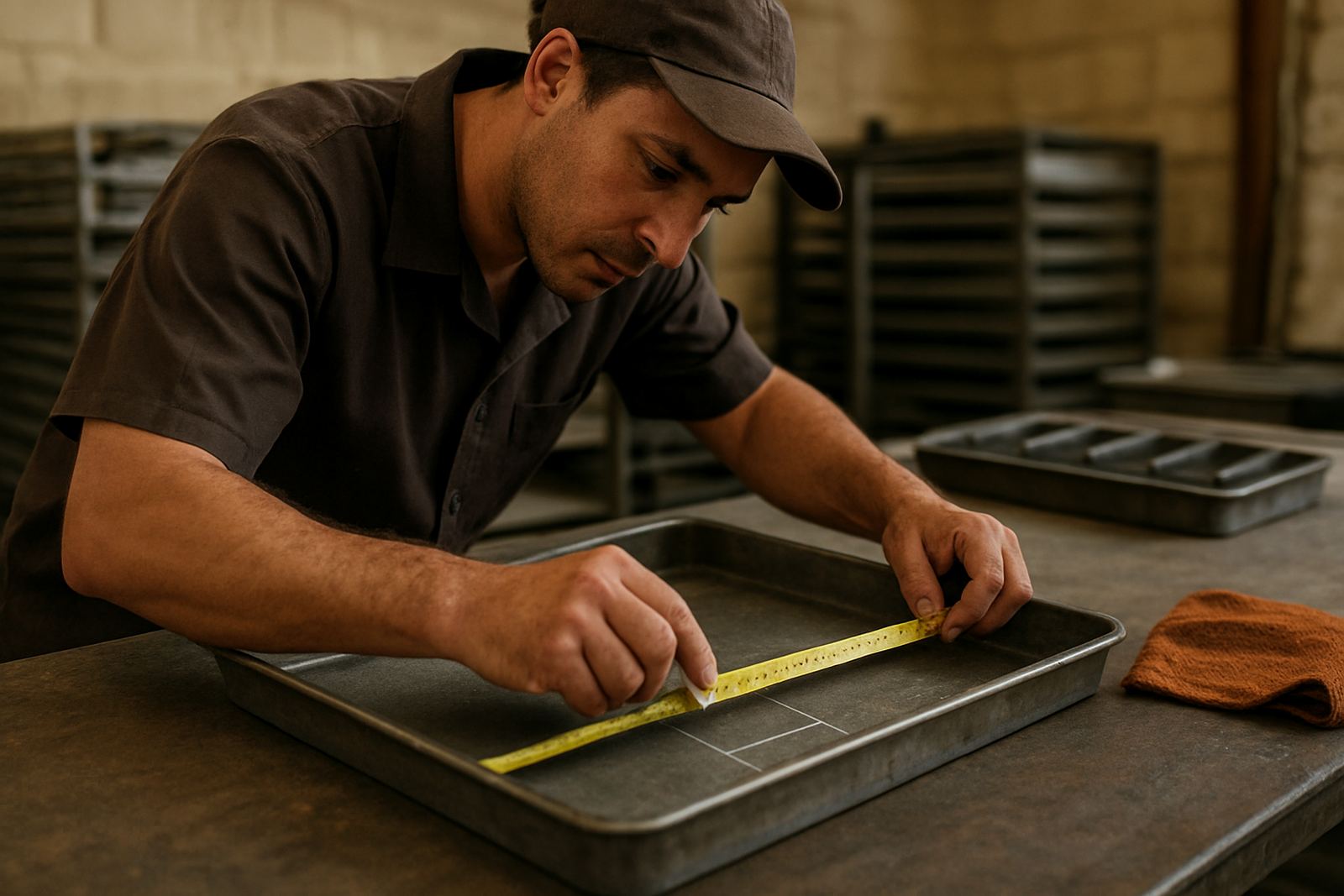
Before fabrication, we measured the rack spacing, checked the oven opening widths and confirmed how the bakery staff moved trays from prep tables to ovens and back again. The team wanted pans that would load easily on standard bakery trolleys and not snag when hot gloves were in use. We also looked at the wear pattern on the old trays so we could adjust the build for better support at the weak points.
The Phoenix site had the usual practical pressures. The bakery works early, gets warm quickly and depends on a clean changeover between products. That means pan edges, corners and surface finish all matter. The pans had to handle temperature shifts, regular washing and the occasional knock from fast-moving staff. We kept the specification simple enough for daily use, but precise enough to avoid rattling around in the oven.
- Measured for rack fit and oven clearance
- Checked trolley handling and stacking
- Reviewed worn areas on the previous pans
- Set the order up for repeat daily use
Sheet pan specification for daily production
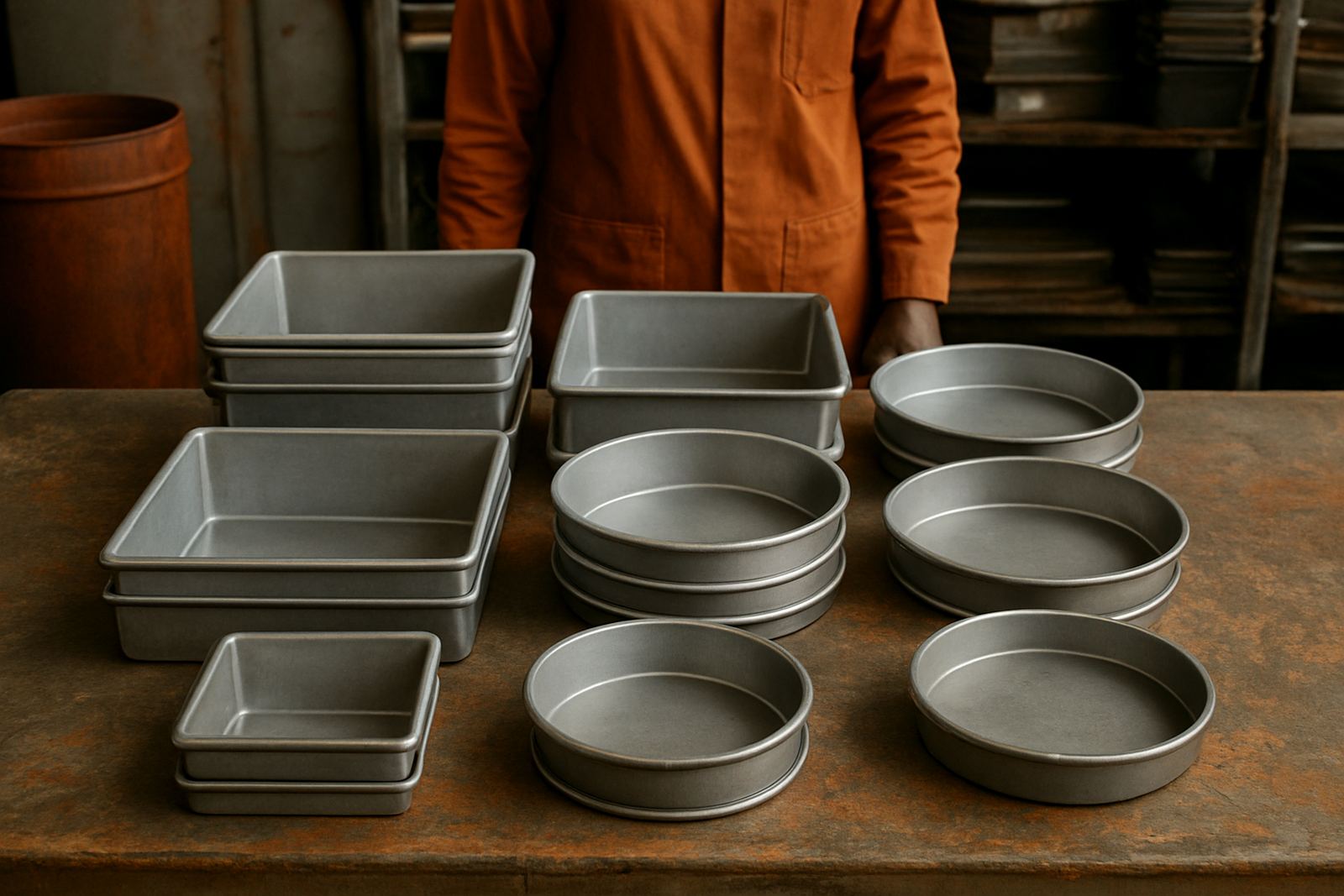
We supplied steel sheet pans made for bakery work, with a practical gauge selected for repeat handling and regular heat cycles. The pans were made to the agreed dimensions so the bakery could keep their batch sizes unchanged. Each pan was formed to stay flatter under heat, with clean folded edges that are easier to grip and less likely to catch on gloves or rack rails.
The finish was chosen for food production conditions and straightforward cleaning. For a site that deals with flour dust, oil and sugar syrup, that matters. The team also asked for a tray format that could be rotated across different product lines, so the pans were kept versatile rather than over-specialised. That gave them more value from the same set of trays and reduced the need for extra inventory.
- Steel construction for bakery heat cycles
- Custom dimensions matched to existing racks
- Folded edges for safer handling
- Flatness improved for more even baking
Build and delivery completed in two weeks
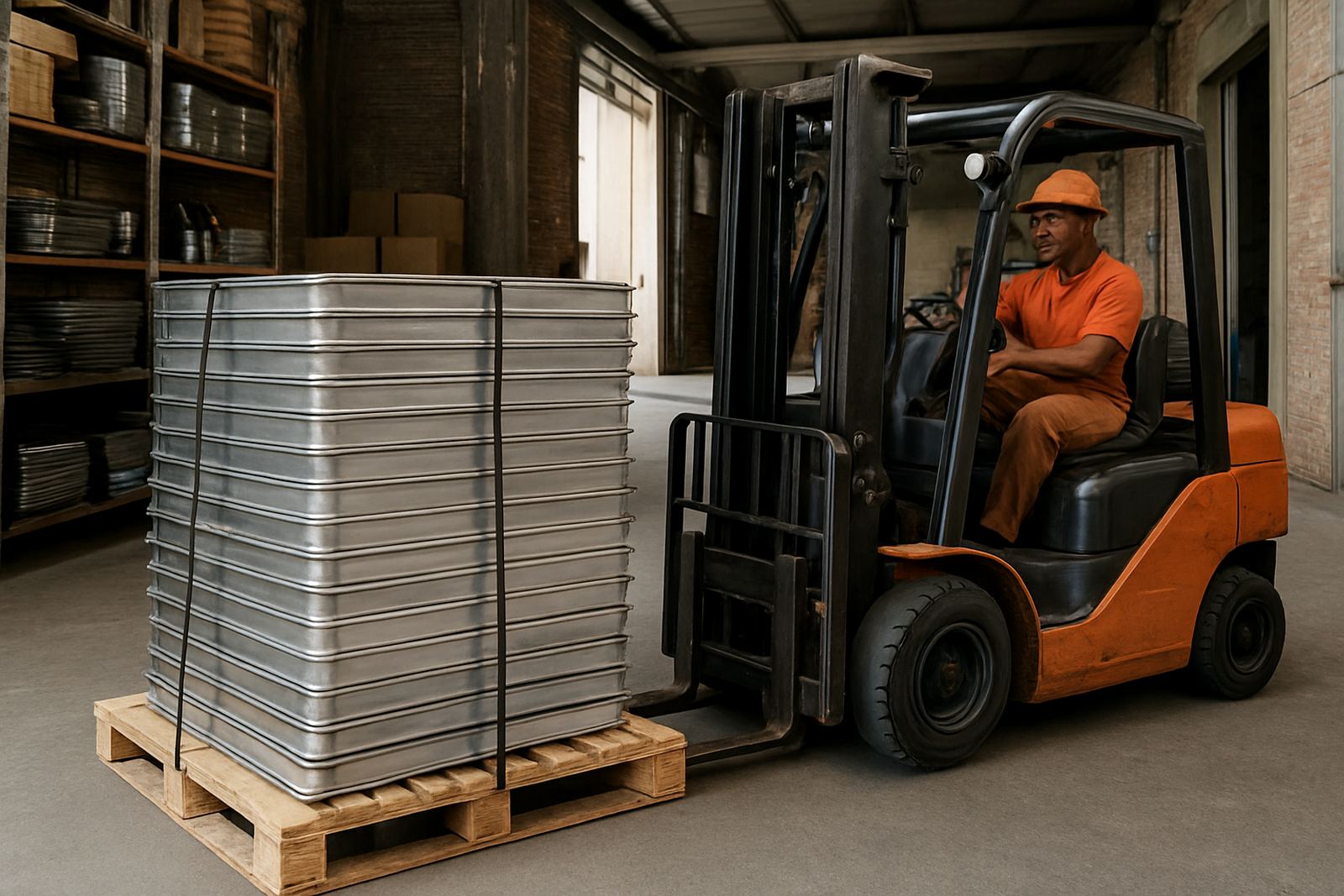
The order was completed over a two week turnaround, from final sign-off to delivery. That allowed the bakery to plan around their production roster and avoid a messy changeover during a busy trading period. Once fabrication was complete, each pan was checked for fit, edge alignment and finish before dispatch. We prefer to catch any issue at the workshop, not after the pans have been loaded with dough.
For a Phoenix bakery, timing also has to work around local demand peaks and supply runs into the Durban side of the market. The team wanted the pans on site before a weekend production run, and we kept the schedule to that. The handover was simple: the pans were delivered, inspected with the bakery lead and put straight into rotation.
- Turnaround: 2 weeks
- Quality check: fit, flatness and finish
- Delivery planned around production shifts
- Pans ready for immediate use on arrival
What changed after the first bake
Once the new pans went into service, the bakery reported a cleaner line from prep to oven and less fiddling with trays that no longer sat square. The staff found them easier to handle on the trolleys, and the even support helped with product consistency. When you bake at volume, small improvements show up quickly in the final product and in the pace of the team.
There was also a practical cleaning benefit. Smooth, well-formed pans are easier to wash down at the end of a shift, especially when a bakery is pushing through multiple product lines in one day. The team said the new pans gave them fewer hot spots and less hassle during turnaround. That kind of improvement does not sound dramatic, but it saves time every week.
- Better tray alignment in the oven
- Cleaner handling on bakery trolleys
- Less warp-related downtime
- Faster end-of-shift cleaning
What we would repeat on the next order
If we were doing the same job again, we would keep the same approach: measure the actual site conditions, confirm the rack and trolley fit, then build for the way the bakery really works. That includes checking how often trays are stacked, where they are lifted from and how hot they run through the day. Those details make a proper difference in a plant or retail bakery.
We would also keep the communication short and practical. The Phoenix team did not need sales talk, they needed pans that arrived on time and worked in a busy production setting. That is the right way to handle most bakery orders in KwaZulu-Natal and beyond. Whether the site is in Durban, Pinetown or further inland, the same rules apply: fit matters, durability matters, and the pans must earn their place on the rack.
- Start with site measurements
- Match the pan to the real batch size
- Allow for quick cleaning between runs
- Keep the specification practical, not over-complicated
Key facts
| Project | Phoenix Sheet Pans |
|---|---|
| Client type | In-store bakery production team |
| Location | Phoenix, KwaZulu-Natal |
| Product supplied | Steel sheet pans for bakery production |
| Turnaround | 2 weeks |
| Key outcome | Improved fit, handling and baking consistency |