A Richards Bay bakery adding premium loaves
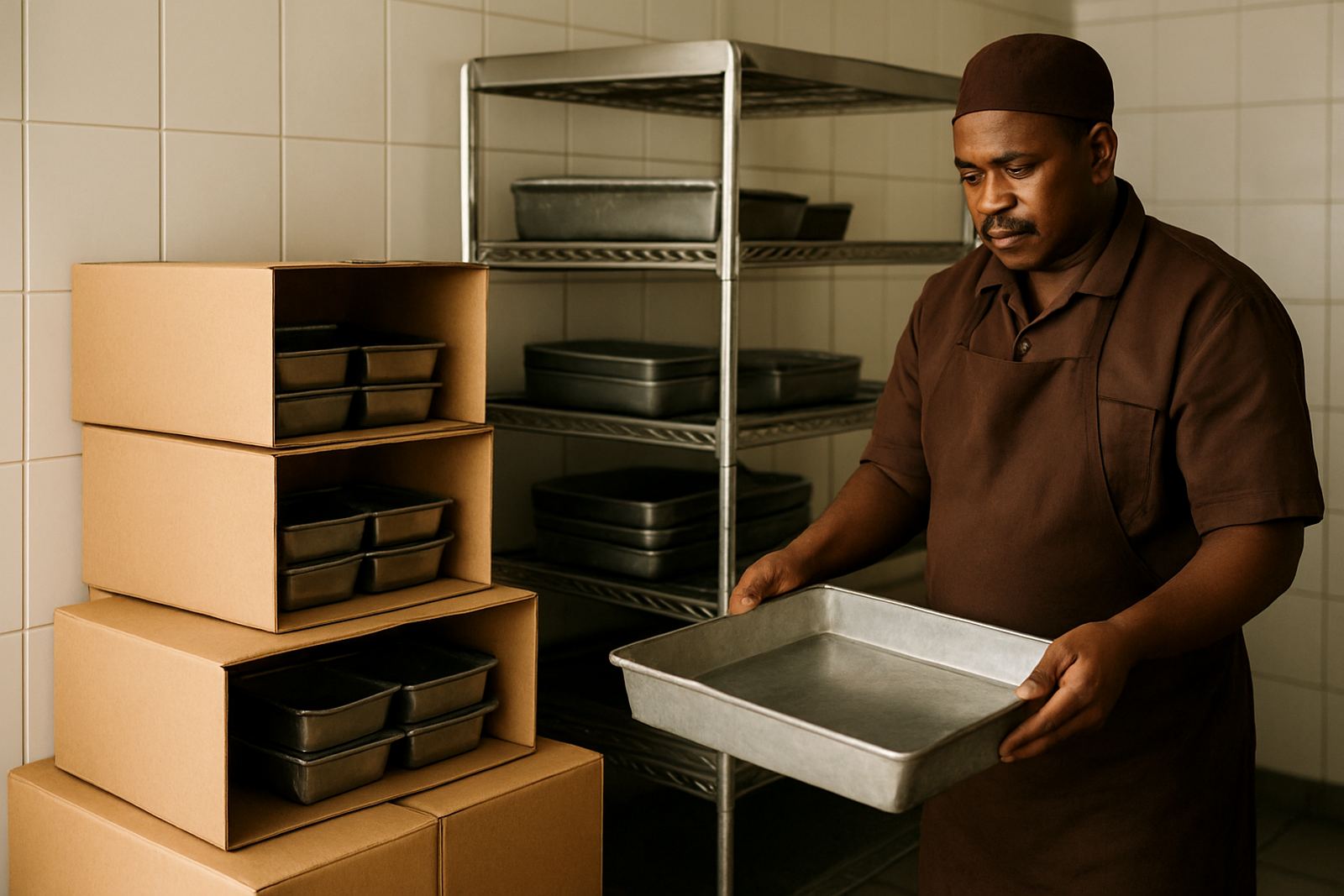
The client was a wholesale bakery in Richards Bay supplying retail counters, cafés and foodservice buyers along the north coast. They were moving into a higher value loaf range, so the pans had to give them consistent slice weight, neat rise and a good finish on every batch. Their existing pans had become uneven from years of heat, handling and repeat wash cycles, which showed up in side bulging and loaves that leaned in the tin.
They asked for a pan build that would suit daily plant baking, not light duty shop use. We measured the existing product, checked oven spacing and looked at how the pans were moved, stacked and washed. In a coastal bakery, salt air and constant moisture can shorten the life of pans fast, so the specification had to take that into account from the start.
Brief, limits and the production notes
The brief was practical: build loaf pans that could run in a busy plant, stack neatly on trays, and give a straight bake with no twisting at the corners. The bakery also wanted a pan that could be recoated or repaired later rather than thrown away when wear started showing. That matters when a site is running six days a week and every pan needs to earn its keep.
We had three main limits to work around. First, the pans had to fit the oven lane and cooling tables already in place. Second, the bakery wanted a standard size that would work for premium white loaves and seeded loaves without changing the rest of the line. Third, the finish needed to suit regular washing without holding too much residue. A shiny look on day one means little if the pan goes out of shape after a few months.
- Loaf pan format sized for plant bakery production
- Built for repeated bake, wash and stack cycles
- Made to sit square on standard trays and racks
- Suitable for humid coastal conditions in Richards Bay
What we supplied and how it was made
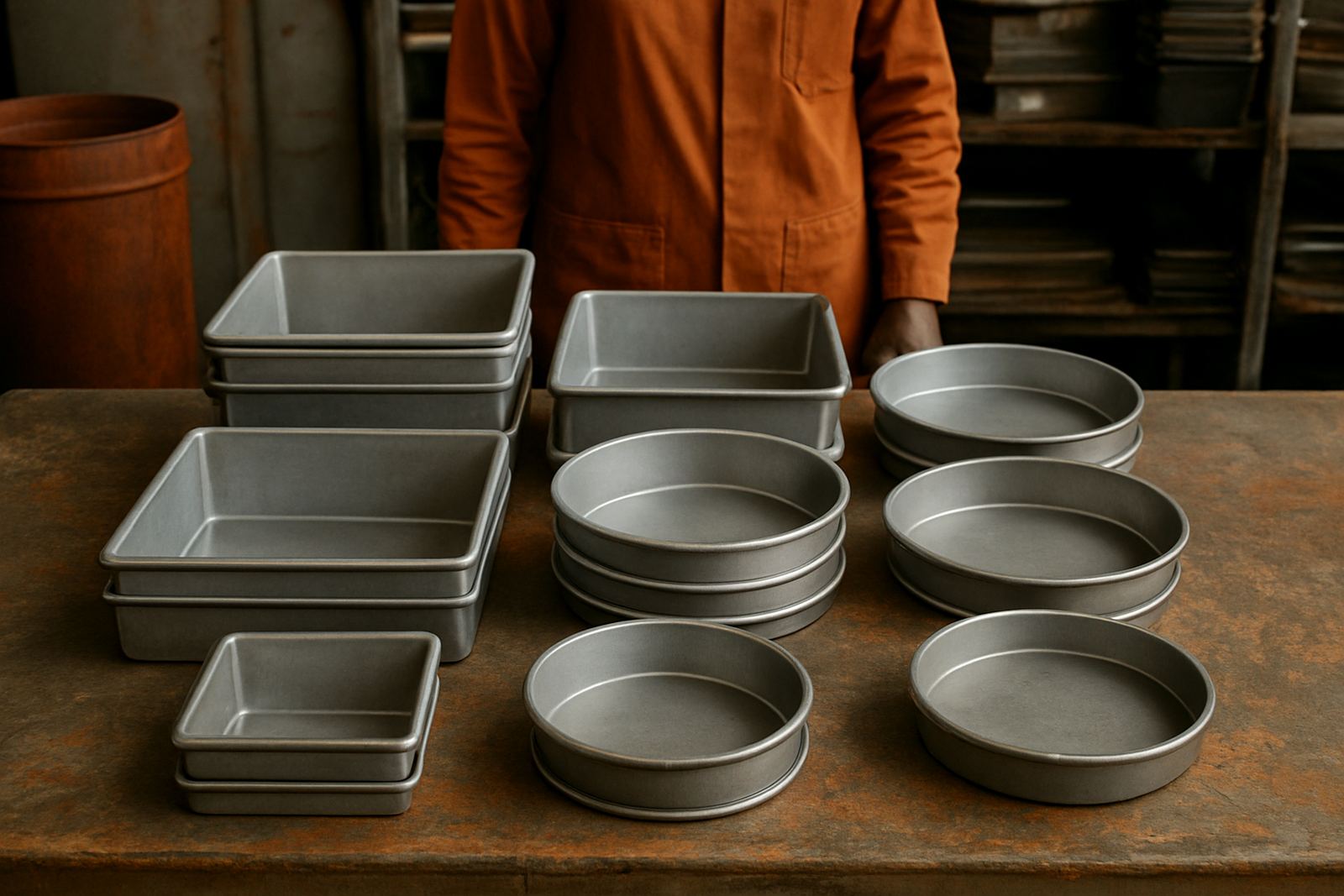
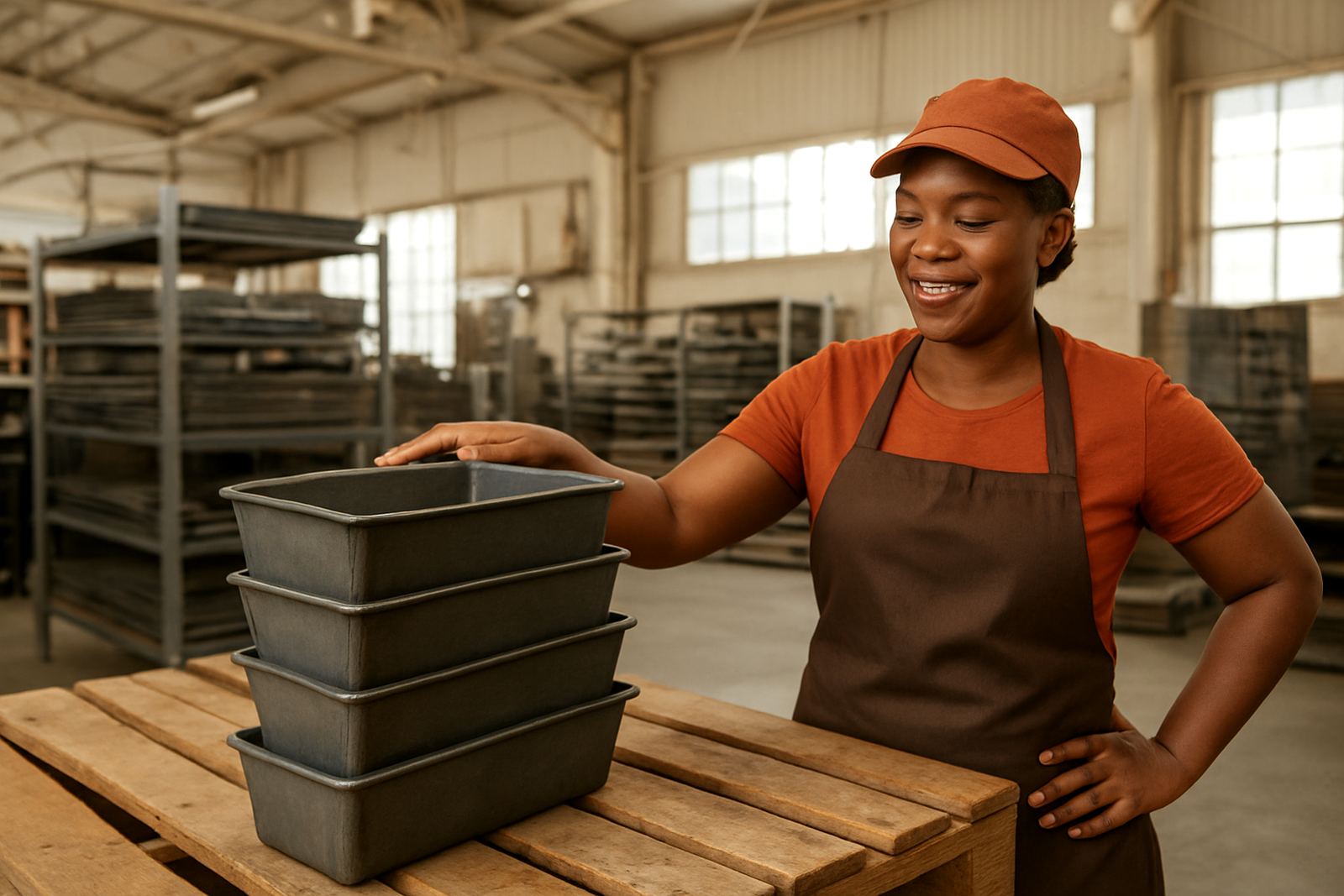
We supplied a batch of steel loaf pans made for commercial use, with straight sides, clean corners and a form that supports even dough lift. The pans were made to a standardised pattern so the bakery could swap them through the line without sorting for odd shapes. Each pan was checked for uniform depth, width and lip alignment before dispatch.
The build used heavy duty steel sections and formed edges to keep the pan true under heat. Welds and joins were finished smooth where product contact mattered, and the rim was set so handling staff could lift and place pans without sharp edges catching on gloves or racks. We kept the profile practical, not overworked, because simple shapes are easier to maintain and they hold up better in plants that run at pace.
To suit the bakery's premium line, the internal finish was set for clean release and easier brushing down between batches. That helped with the seeded loaves, which can leave more residue at the corners. The client also wanted the pans to be serviceable later, so the build allowed for recoating and straightening if the tins took knocks during movement or if heat distorted any units over time.
- Heavy duty steel construction for plant bakery use
- Smooth internal finish for cleaner release
- Consistent depth and side profile across the batch
- Edge and lip detail suited to manual handling
Timeline, fit checks and handover
The project ran over four weeks from first measurements to handover. Week one was the brief, site measurements and confirmation of the pan size. Week two covered fabrication and the first fit check against the bakery's tray and oven spacing. Week three was finishing, inspection and final corrections. Week four covered delivery and loading into the bakery's production flow.
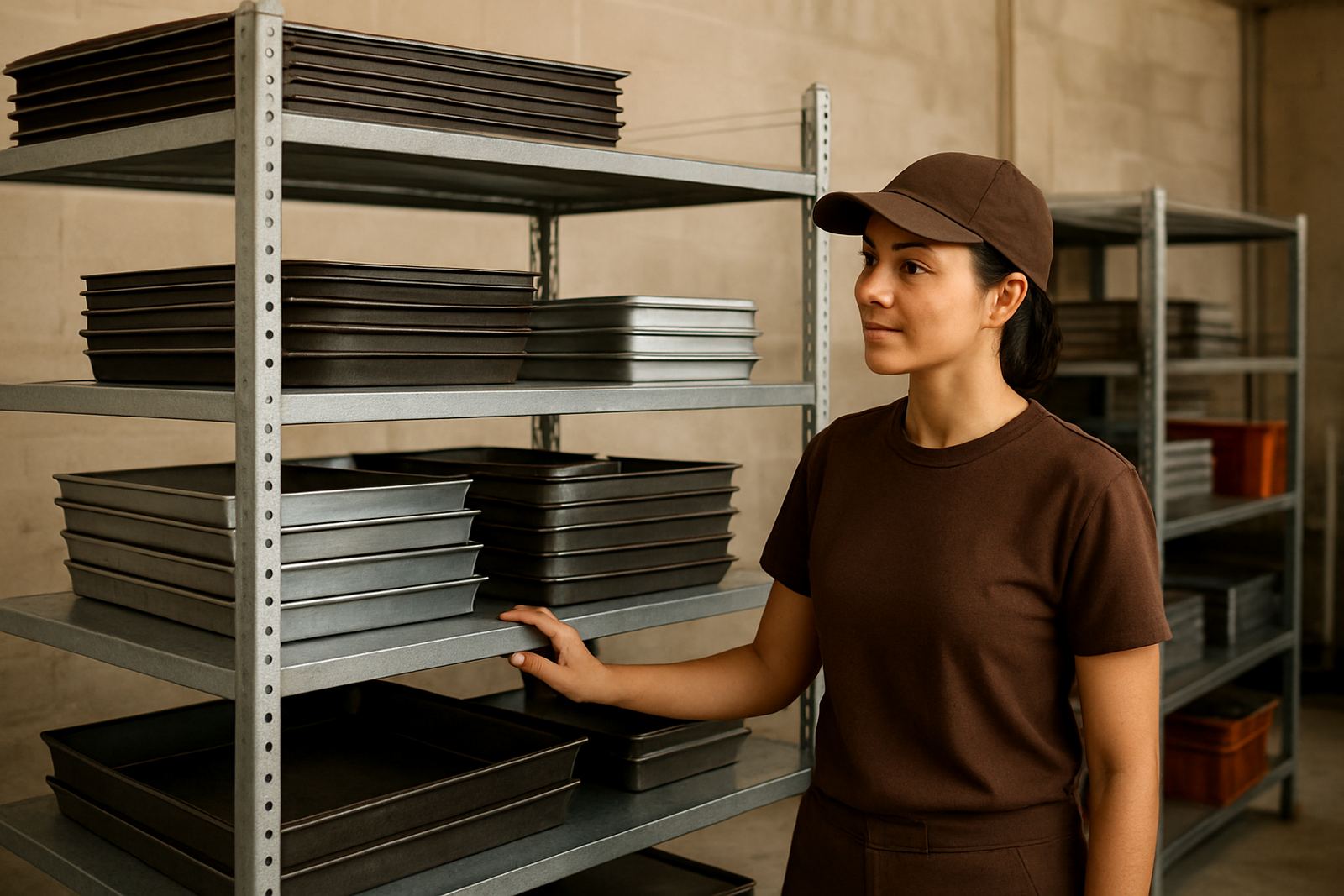
Before handover, we checked a sample set against the oven rails and the cooling area so the bakery could move pans through without snagging. That kind of fit check saves time later because even a few millimetres out can cause rubbing, poor stacking or extra handling. The client was looking for production discipline more than novelty, and that's exactly what the handover had to support.
For a coastal site, the timing also mattered because the bakery wanted the pans in before a scheduled product launch. Getting the pans in on time meant the new line could be trialled without disrupting their older range. There was a small amount of rework on one lip profile, nothing major, but it let us tighten the final stack height and improve handling at the dispatch table.
Results on the line
Once in use, the bakery reported better tray stability and more even loaf shape across the batch. The pans sat square, which helped the loaves rise straighter and reduced the number of rejects caused by leaning sides or distorted tops. That mattered especially for premium packs where presentation had to be consistent from loaf to loaf.
The bakery also saw easier cleaning and less time spent chasing bent tins around the wash area. Because the pans were built for service work, they held their shape through the usual heat and handling that comes with daily production. The staff noted that the pans were easier to stack and move during load shedding resets too, when production gets interrupted and everything has to be put down and restarted in order.
- Better loaf shape and side control
- Less reject stock from warped tins
- Cleaner stacking during shift changes
- Less handling delay after wash down
What we would do again for a coastal site
For a Richards Bay bakery, we would use the same approach again: start with the oven and handling layout, then build to the way the pans are moved every day. Coastal humidity means you cannot treat pan life as a straight line, and a bakery near the harbour needs equipment that can be maintained, recoated and repaired rather than written off early.
We would also keep the specification simple and serviceable. A well made loaf pan does not need extra features to do its job, it needs the right steel, the right shape and sensible finishing. If the client plans to add more product sizes later, we can build matched tray sets and spare lids where needed, or support the existing pans with recoating, corner repairs and straightening as wear starts to show.
Bakeries in Durban, Pinetown, New Germany and along the KZN coast often face the same issue: the line grows faster than the equipment list. This project worked because the pans were made for the bakery's real pace, not a showroom spec. That is the part we would repeat without changing much.
Key facts
| Project | Richards Bay loaf pans |
|---|---|
| Client type | Coastal wholesale bakery |
| Town | Richards Bay, KwaZulu-Natal |
| Build time | 4 weeks |
| Material | Heavy duty steel |
| Use | Premium loaf production in a plant bakery |