Older plant, high volume, tight shut-down windows
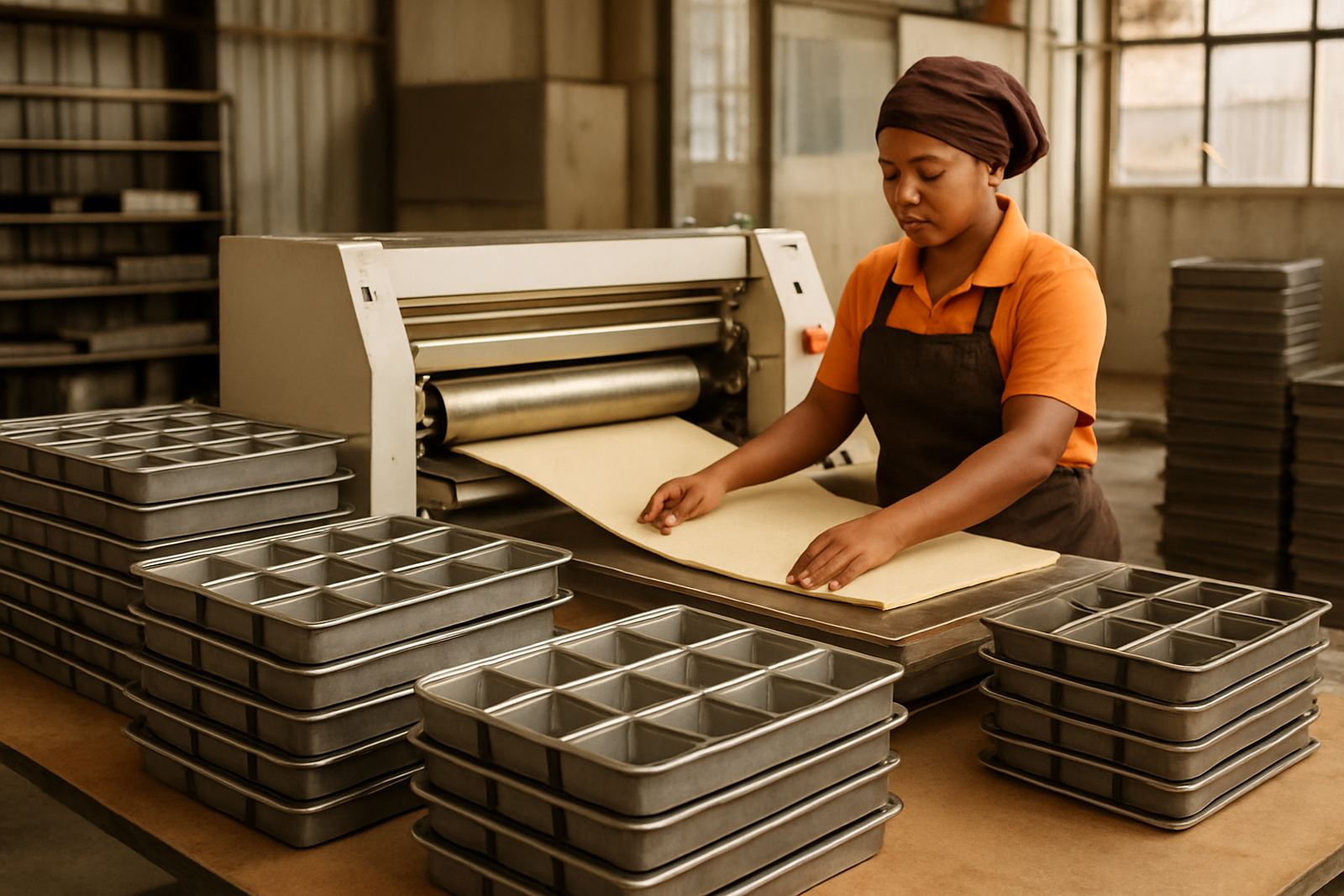
The client was a busy bread plant serving retail and wholesale routes from the greater Durban area, with enough daily volume that a full line stop was not practical. Their pan fleet had reached the point where flat bases, tired corners and damaged rims were affecting loaf release and handling. Some pans still had life in them, but many had seen years of heat cycling, wash-downs and rough tray stacking.
The brief was clear: replace the worst pans first, keep usable pans in service where possible, and avoid interrupting the bake schedule. The plant worked on narrow maintenance windows and could not afford a long clean-out or a messy swap-over. They also needed replacements that would fit existing trolleys, proofing routines and oven rails without forcing wider changes on the line.
What the plant was dealing with on the floor
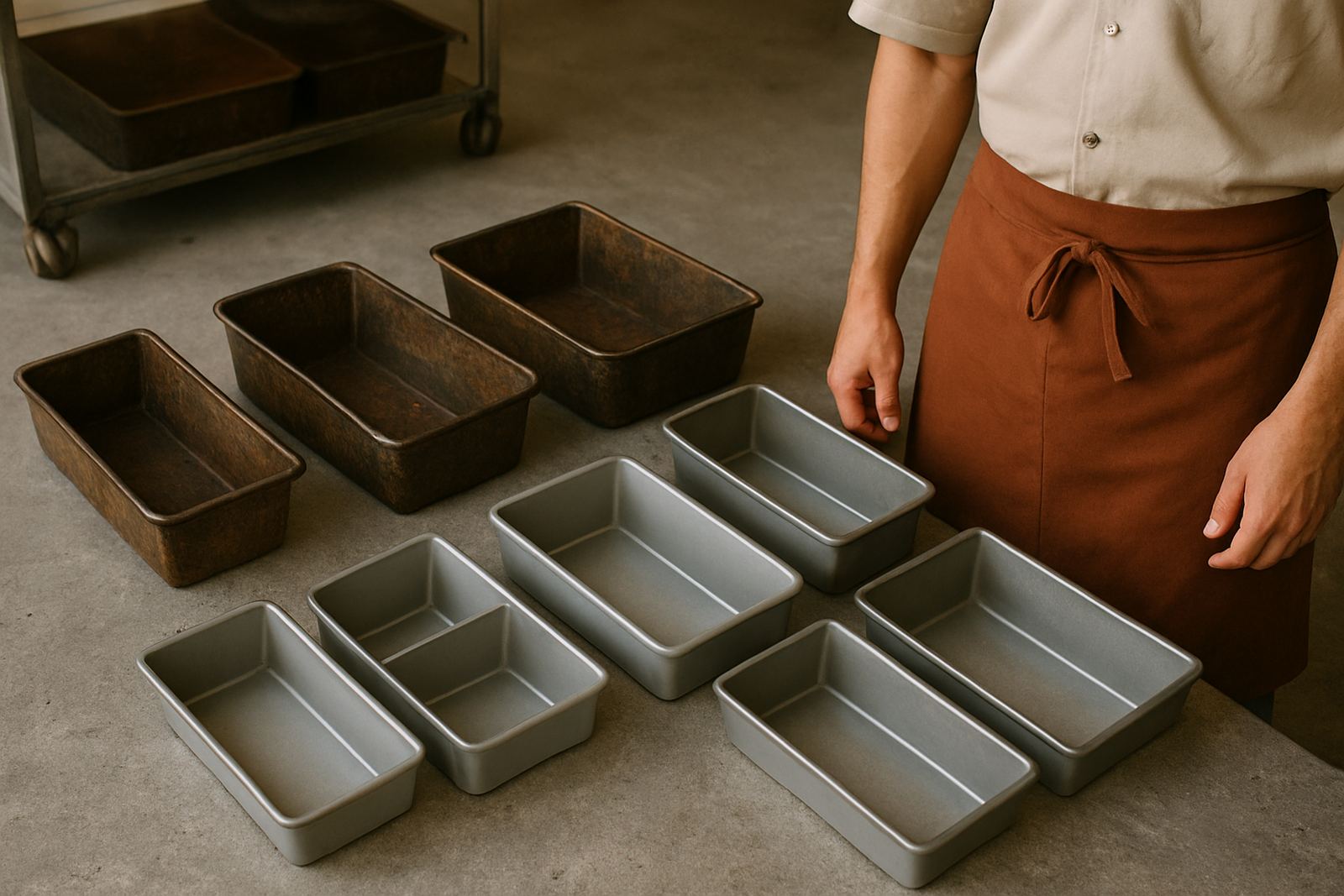
The main issues were not all obvious from a distance. A pan can still look serviceable until you check for twist, side-wall spread and small weld cracks near the corners. Once that starts, dough loading gets inconsistent and release becomes hit-and-miss. In a hot bakery, even a few poor pans can slow a whole shift because the team starts setting aside problem units and reworking the bake plan.
- Mixed pan condition across the fleet, with some units beyond repair and others suitable for straightening
- High heat exposure, repeated wash cycles and humidity from the coastal side of KZN
- Limited stop time, so changeovers had to be done in planned batches
- Need to keep existing rack, trolley and oven fitment unchanged
We also checked how the pans were being cleaned. Heavy alkaline wash and poor drying can shorten the life of steel pans, especially where air movement is weak after load-shedding or overnight shutdowns. That had to be factored into the replacement plan as well.
Phased replacement plan from Westmead
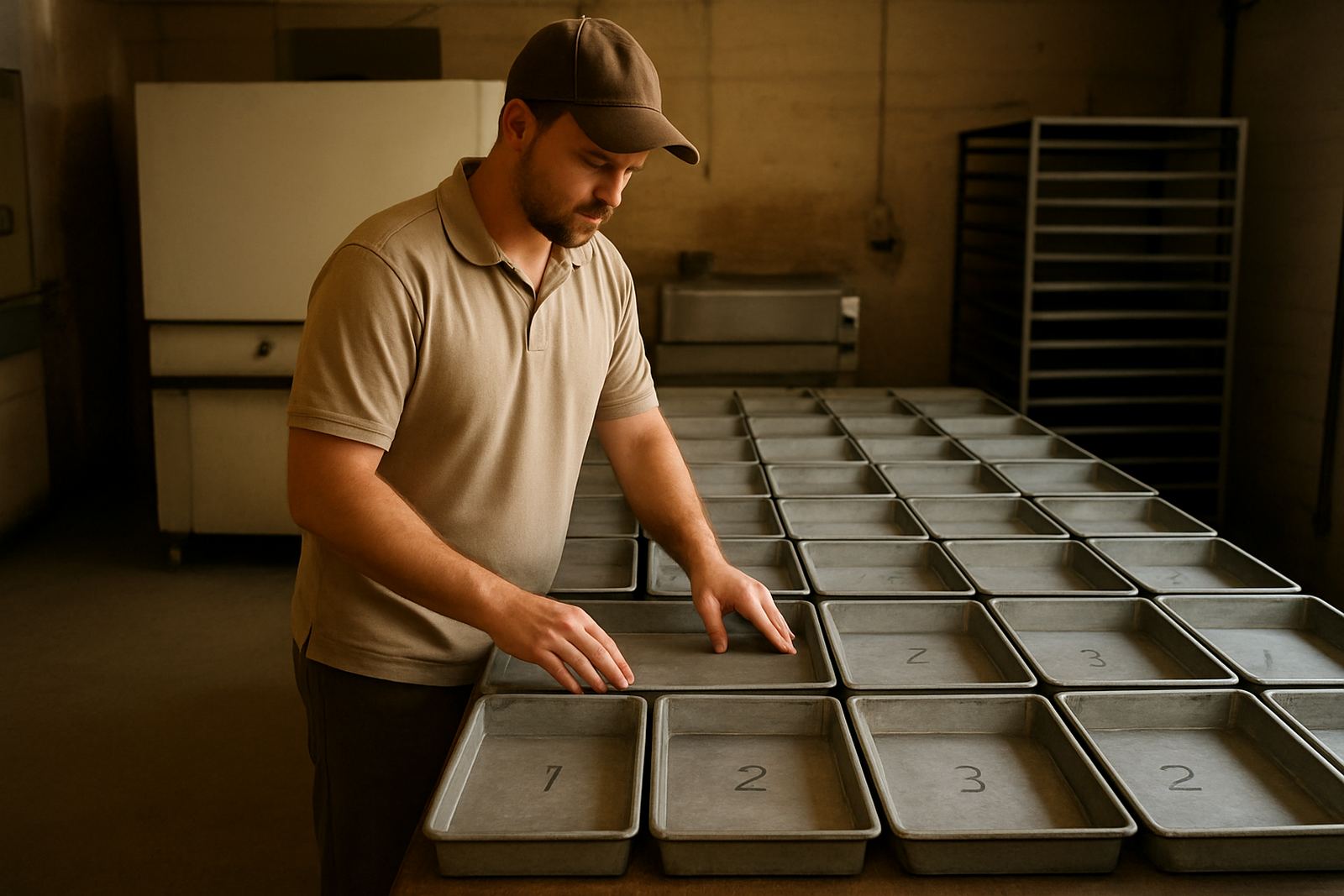
We split the job into stages over five weeks. The first week was a fleet assessment at the plant, with dimensions, wear points and repair candidates recorded. We then grouped the pans into three sets: keep and straighten, repair and return, and replace now. That made it easier for the client to manage stock during the swap.
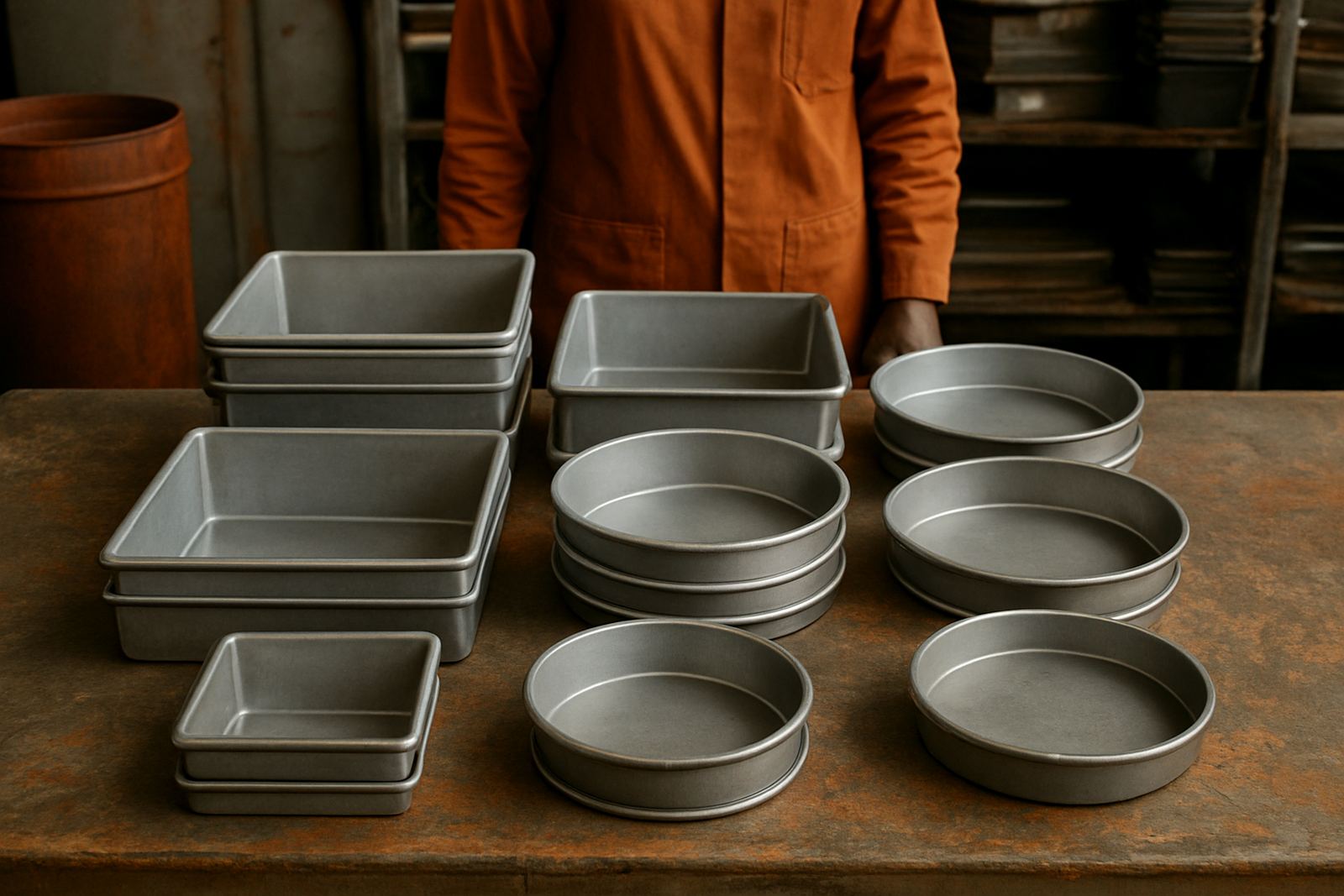
From our Westmead base in Pinetown, we manufactured the replacement pans to match the existing line. We supplied steel bread pans and custom trays in the required sizes, and where needed we adjusted rim profiles to suit the plant's handling pattern. On the units worth saving, we carried out pan straightening, corner repairs, rim repairs and weld repairs before they went back into the rotation.
- Week 1: fleet assessment and measurement
- Week 2: samples and fit checks on key sizes
- Weeks 3 to 4: production, repairs and first delivery batch
- Week 5: final delivery, sort-out and sign-off
Specs that mattered to the bakery team
The plant needed pans that would handle daily use without drifting out of shape. The new units were made in steel for even heat transfer and repeat use, with dimensions matched to the existing production line. We kept the fit consistent so the team did not need to change loading methods or train staff on new handling rules.
Key details included consistent wall height, reinforced corners where the abuse was heaviest, and smooth edges for safer handling during changeovers. We also paid attention to stacking clearance because the client stored cleaned pans in sets and could not afford binding or scraping on the racks. In a few cases, small adjustments were made after trial fit, which saved time later on.
- Steel bread pans and custom trays matched to existing line sizes
- Rim profiles kept compatible with current handling and stacking
- Repair work completed on reusable pans to extend fleet life
- Units checked for twist, corner movement and weld fatigue before return
How the changeover was managed on site
We worked around the production calendar and kept delivery to the plant in short, manageable drops. That meant the bakery could swap pans during planned downtime instead of taking a full line off shift. The operations team appreciated that approach because it reduced the pressure on oven staff, maintenance and dispatch all at once.
During the handover we sorted the old fleet into three piles: serviceable after repair, keep for emergency cover, and remove from circulation. That cut down on confusion in the pan store and gave the client a clearer count of what they actually had on hand. It also made stock control easier for Priscilla Naidoo and the plant team when future ordering came up.
- Short delivery drops to suit maintenance windows
- On-site sorting to remove unusable pans from circulation
- Clear counts for working stock, spare stock and repair stock
- Reduced handling pressure on the bakehouse team
Results after the first few bake cycles
Once the new pans were in service, the plant saw more consistent loaf release and cleaner pan handling at packing. The repaired pans also brought usable stock back into rotation, which helped bridge the gap while the replacement batches were being completed. The line moved better because staff were no longer stopping to separate bent units from the active stack.
The biggest gain was stability. Instead of dealing with random pan failures, the client now had a planned replacement path and a clearer view of future maintenance. That is what usually saves money over time, because a plant can budget for pan life instead of reacting to breakdowns when the line is already under pressure.
We would do the same approach again for any older high-output bakery in Durban, Pinetown, Richards Bay or inland. A phased programme works best where production cannot stop, and it gives the client time to decide what should be repaired and what must be replaced. The key is good measurement, honest sorting and no rush to throw out pans that still have years left in them.
Key facts
| Project type | Phased pan replacement programme |
|---|---|
| Client | Older high-output bread plant |
| Location | Westmead, Pinetown, KwaZulu-Natal |
| Programme length | 5 weeks |
| Supplied | Steel bread pans and custom trays |
| Services used | Fleet assessment, straightening, corner repairs, rim repairs, weld repairs |