What the Kokstad kitchen needed from its pie pans
The brief came from a regional savoury production kitchen serving retail and foodservice customers around Kokstad and the wider southern KZN route. The team was making pies in regular runs, with morning production, afternoon bake-off and packing to suit same-day delivery. They needed pie pans that would hold shape, keep their rim over repeated heat cycles and release cleanly without wasting pastry or filling.
The main problem was not just wear, but inconsistency. Some pans were getting tired on the corners, some had weak rims and a few had marks from hard washing and stacking. In a pie line that runs every week that starts to show up as uneven crusts, leaks at the seam and extra work at the bench. We looked at the production pace, oven handling and the way the pans were being stacked after wash-down before recommending the supply.
- Client type: regional savoury production kitchen
- Town: Kokstad
- Use: daily pie production for retail and foodservice supply
- Main need: clean release, shape retention and longer service life
How we set the spec for daily pie production
For this job we worked with standard steel pie pans suited to commercial baking and repeat handling. The aim was to keep the spec practical for a production line, not overcomplicate it. The pans were sized to suit the kitchen's current filling and crust weights, with enough depth for a full savoury pie and a rim that sits properly during crimping and baking.
We also discussed the surface finish because that affects both release and cleaning. In humid areas like Kokstad, and especially when pans are washed then stacked before they are fully dry, light surface care matters. If a pan is too rough it grabs dough, if it is too smooth without the right prep it can still stick. The balance has to be right for the oven temperature and the product mix.
- Material: commercial steel for repeated bake cycles
- Form: pie pans with a stable sidewall and defined rim
- Suitability: savoury pie production, batch work and stacked storage
- Care note: dry fully before stacking to avoid early surface wear
What we supplied from Westmead
We supplied the pie pans from our Westmead base and checked the order against the client's production notes before release. The kitchen needed a supply that could slot into their current routine without changing trays, oven spacing or packing cartons. We kept the order consistent across the batch so the bakers could move from one pan to the next without adjusting fill levels or bake times every few units.
Where needed, we also advised on future support options. Bakerite does pan recoating, tray recoating, pan straightening, corner repairs, rim repairs and weld repairs, which is useful for kitchens that want to keep a good pan in service instead of replacing it too soon. For a plant bakery or regional kitchen, that can make a real difference when power cuts, transport delays or seasonal demand put pressure on stock.
- Supply point: Westmead, Pinetown
- Coverage: national supply, with regular work into KwaZulu-Natal and inland routes
- Support options: recoating, straightening and repair work for existing pans
- Typical users: plant bakeries, retail kitchens, hotels and production bakeries
Timeline and handling from order to dispatch
The Kokstad order moved through in just over two weeks from brief to dispatch, which was important because the kitchen could not afford a gap in pie output. We first confirmed the working dimensions and the count required, then scheduled production and checked the batch before packing. That sort of timing matters in bakeries because one delayed delivery can throw out the full weekly plan.
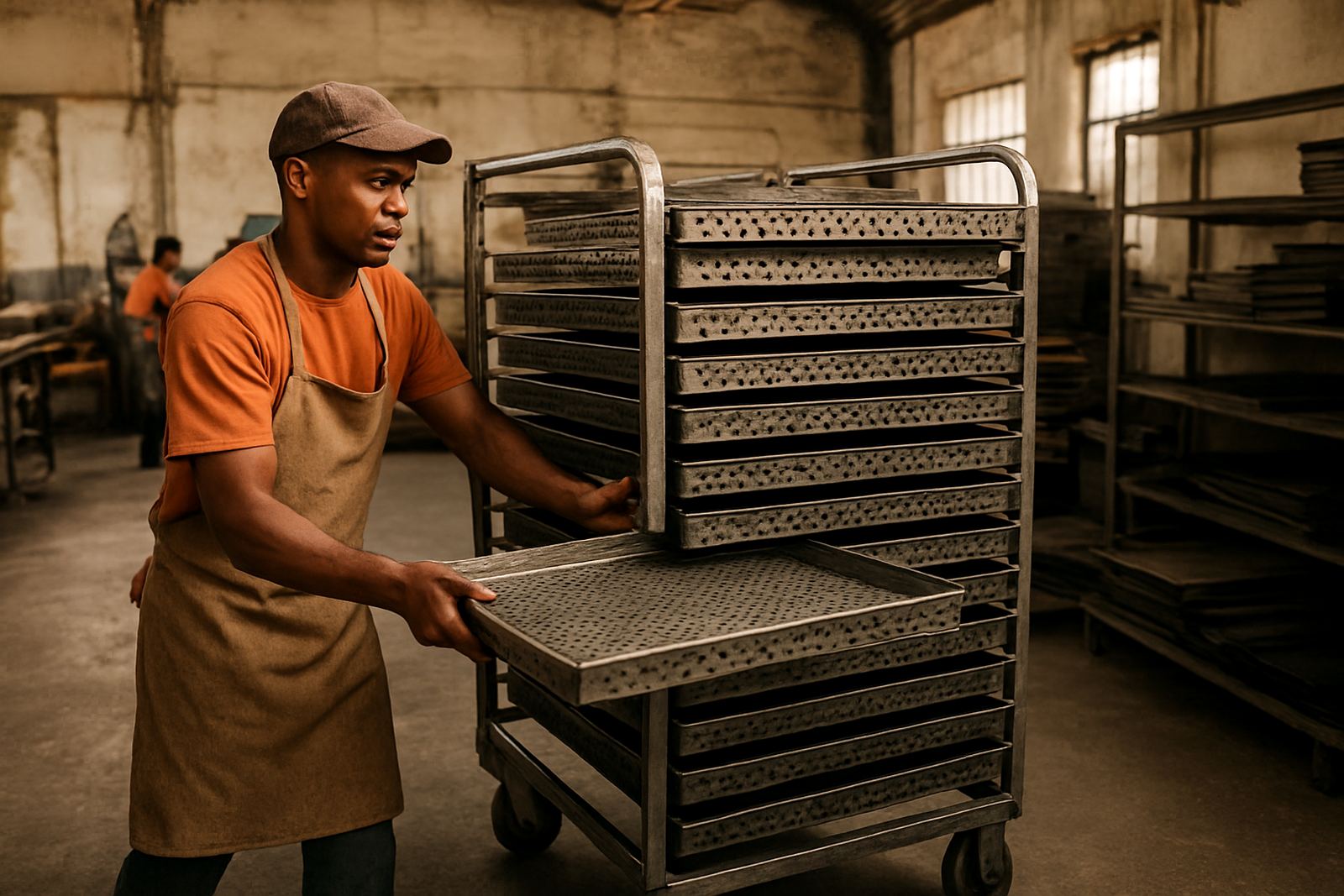
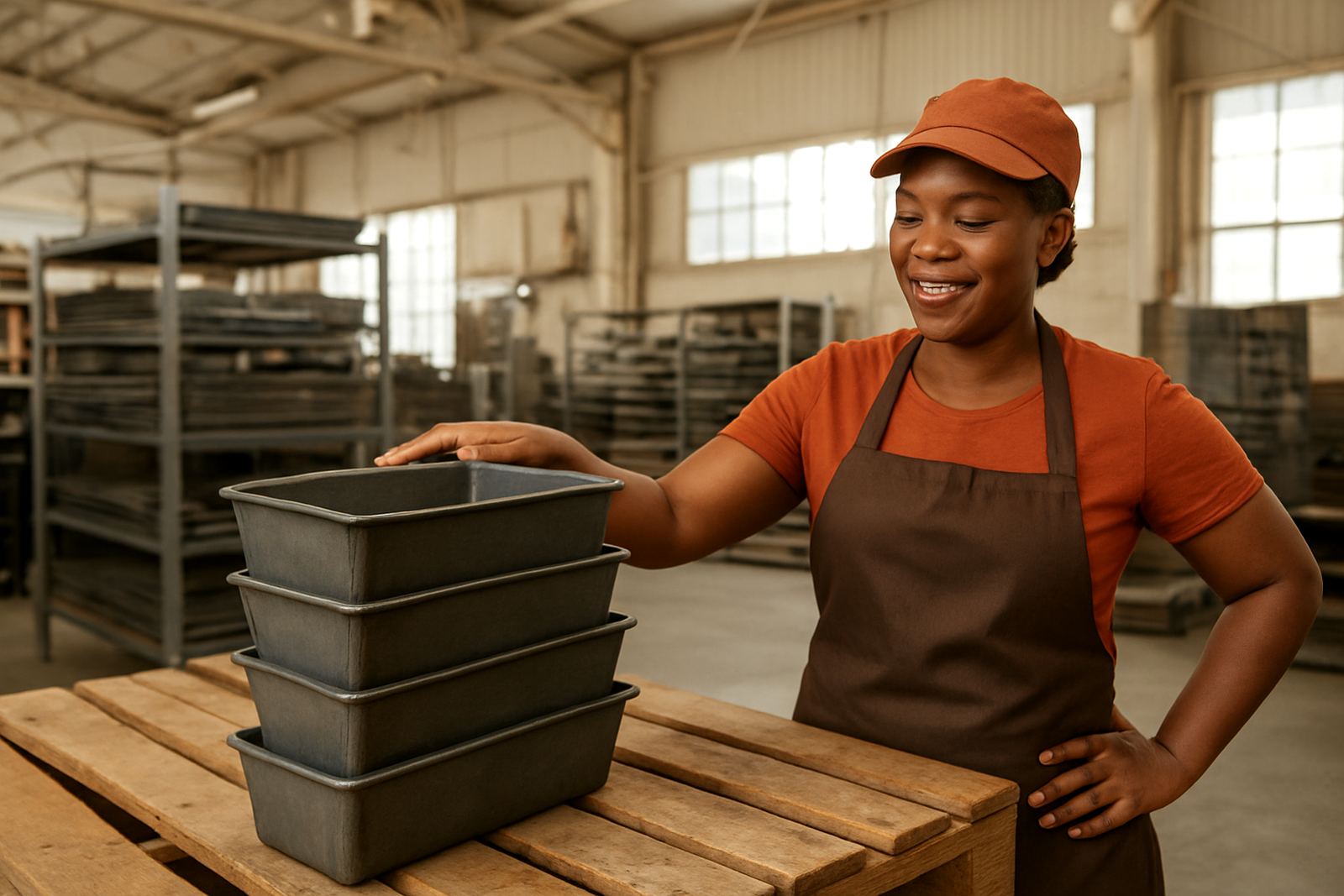
Once the pans were ready, they were packed to reduce scuffing in transport and to keep the rims from catching each other. We also made sure the client knew how to store them on arrival. A simple dry rack, some airflow and a quick inspection on receipt helps avoid issues later on. It is not glamorous but it saves a lot of trouble.
- Week 1: brief, sizing and production confirmation
- Week 2: manufacture and batch check
- Week 3: packing, dispatch and receipt planning
What changed on the production floor
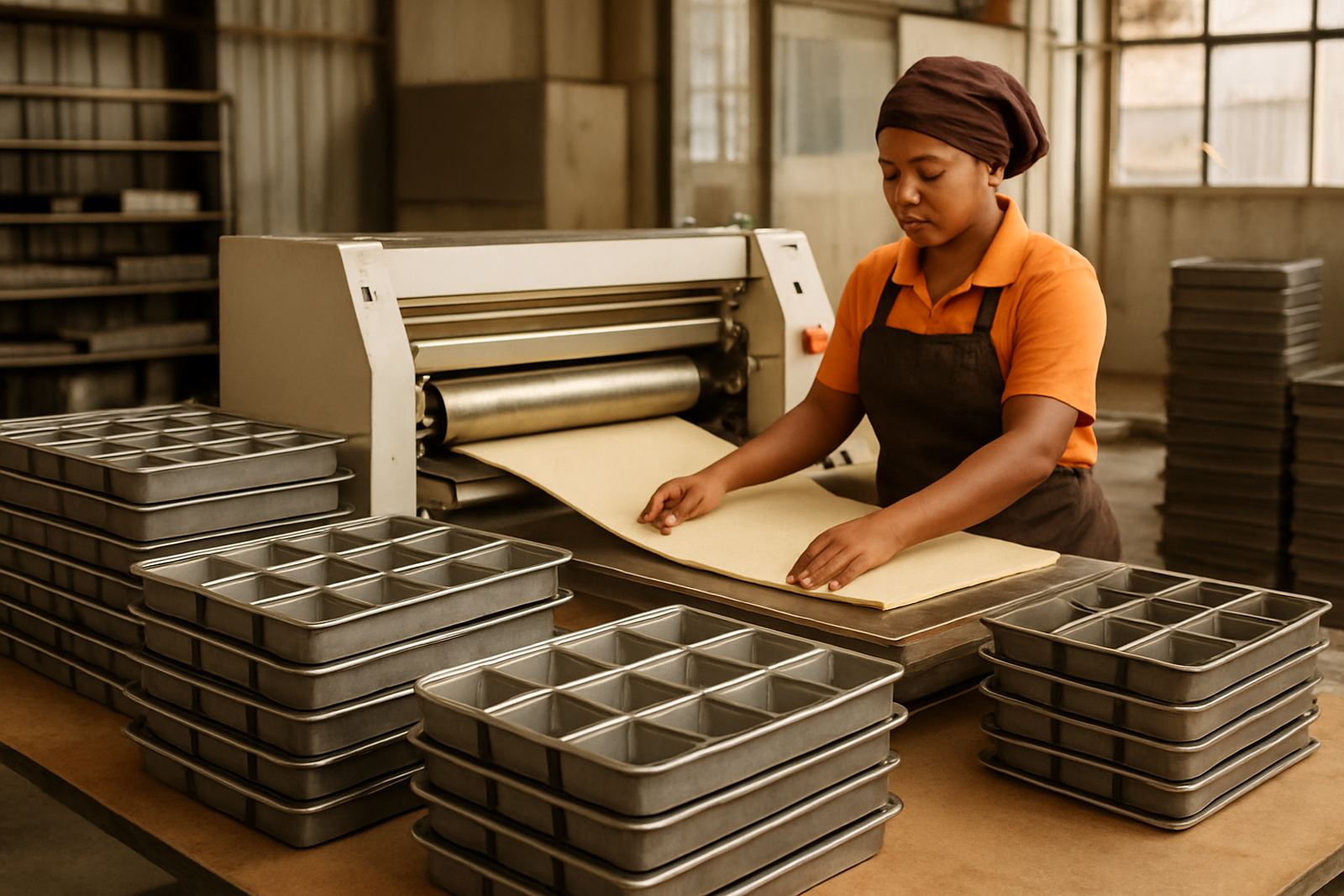
After the pans went into use, the kitchen had a steadier bake line and less breakage from tired bakeware. Pastry release improved where the pans were properly cared for, and the bakers spent less time scraping or correcting damaged edges. The output was more even, which helped with packing and with the look of the finished pies on the shelf.
There was also a handling benefit. New or refreshed pans stack better, move better and settle into a cleaner wash cycle. In a kitchen where staff change over and shifts can be busy, that kind of practical consistency matters. It keeps the team focused on product, not on fighting with the bakeware.
- Cleaner release from the pan surface
- Better shape retention during bake and cooling
- Less loss from cracked rims or bent edges
- Faster turn-around through wash, dry and stack
What we would do again for a similar Kokstad order
For a similar job we would do the same thing again: confirm the real production size first, then match the pan spec to the oven and the filling weight. That saves time later and keeps the order useful from day one. We would also ask about wash method, because hot water, detergent strength and stacking habits can shorten the life of any steel pan if they are not managed properly.
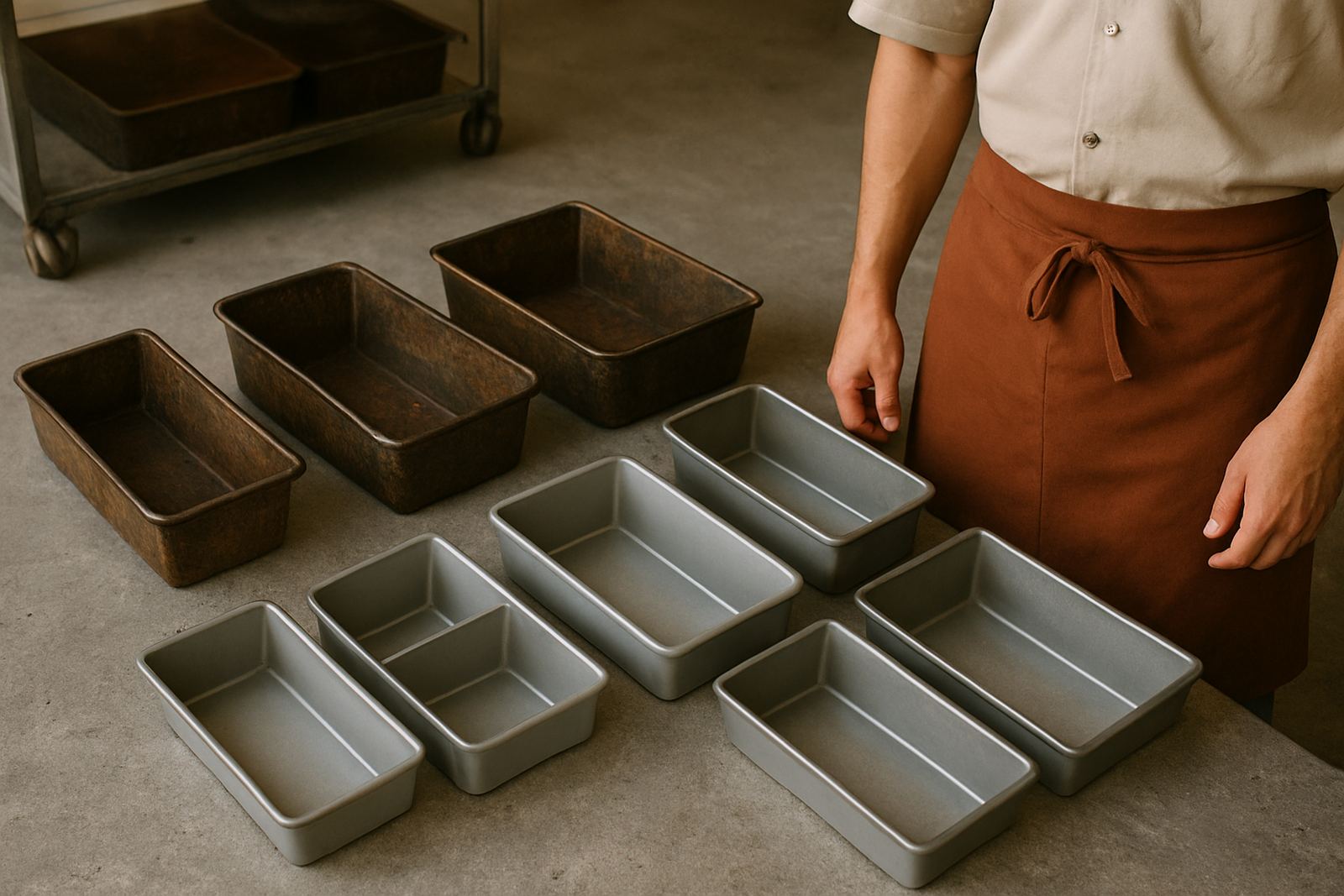
For a regional kitchen in Kokstad, or anywhere on a route that deals with transport distance and weather changes, we would keep a small buffer of spare pans on hand. That way a damaged pan can be pulled out quickly without stopping the line. If the client keeps older stock, we would also inspect it for straightening, rim repair or recoating before deciding to replace it.
- Match pan size to oven and fill weight before ordering
- Keep a small spare stock for busy weeks and breakdowns
- Inspect old pans for repair before replacement
- Dry fully before stacking to avoid surface issues
Key facts
| Project | Kokstad Pie Pans |
|---|---|
| Client type | Regional savoury production kitchen |
| Town | Kokstad |
| Supply area | Westmead, Pinetown to Kokstad and national routes |
| Product | Commercial steel pie pans |
| Timeline | Just over 2 weeks from brief to dispatch |