What a hotel bakery usually needs to cover each day
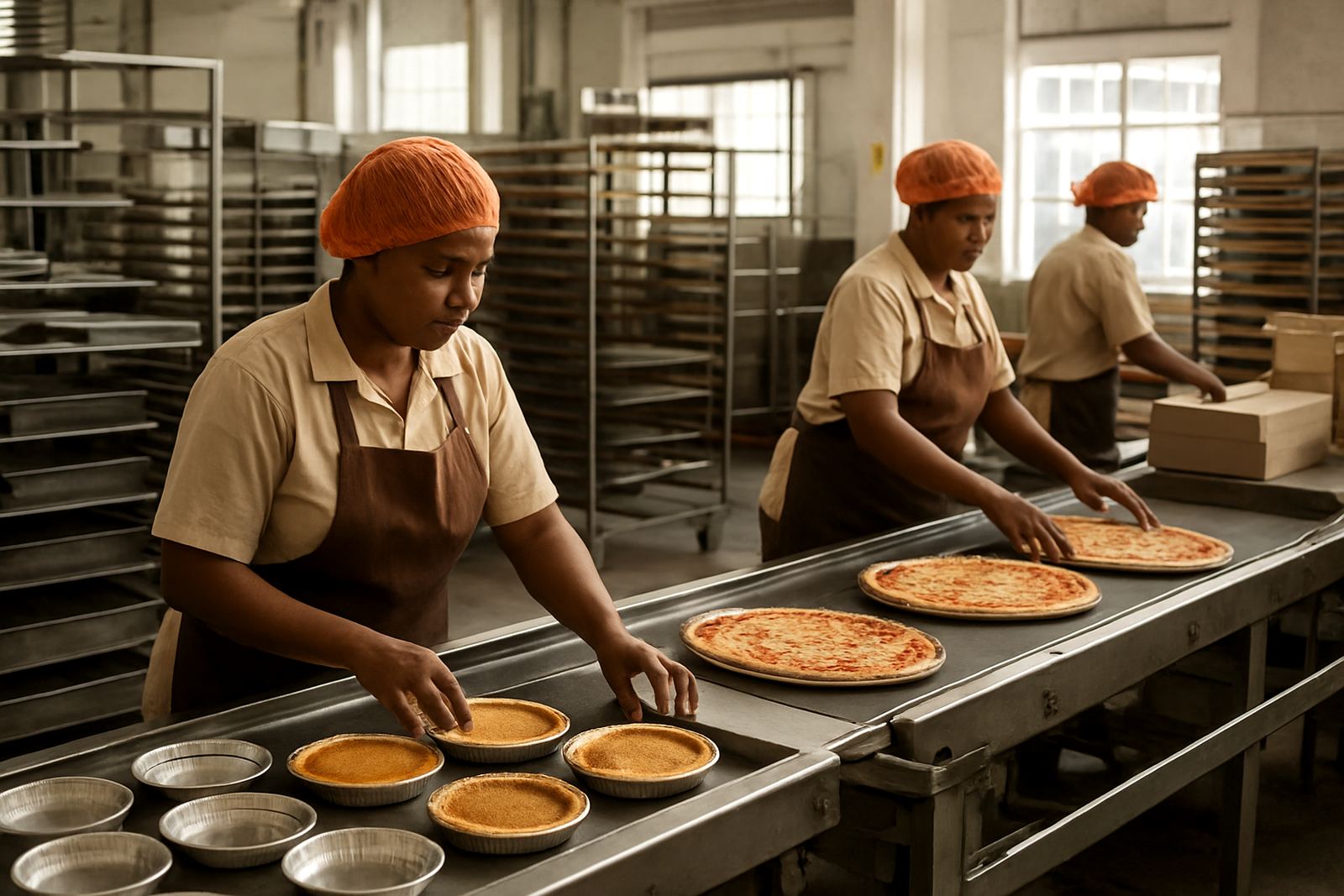
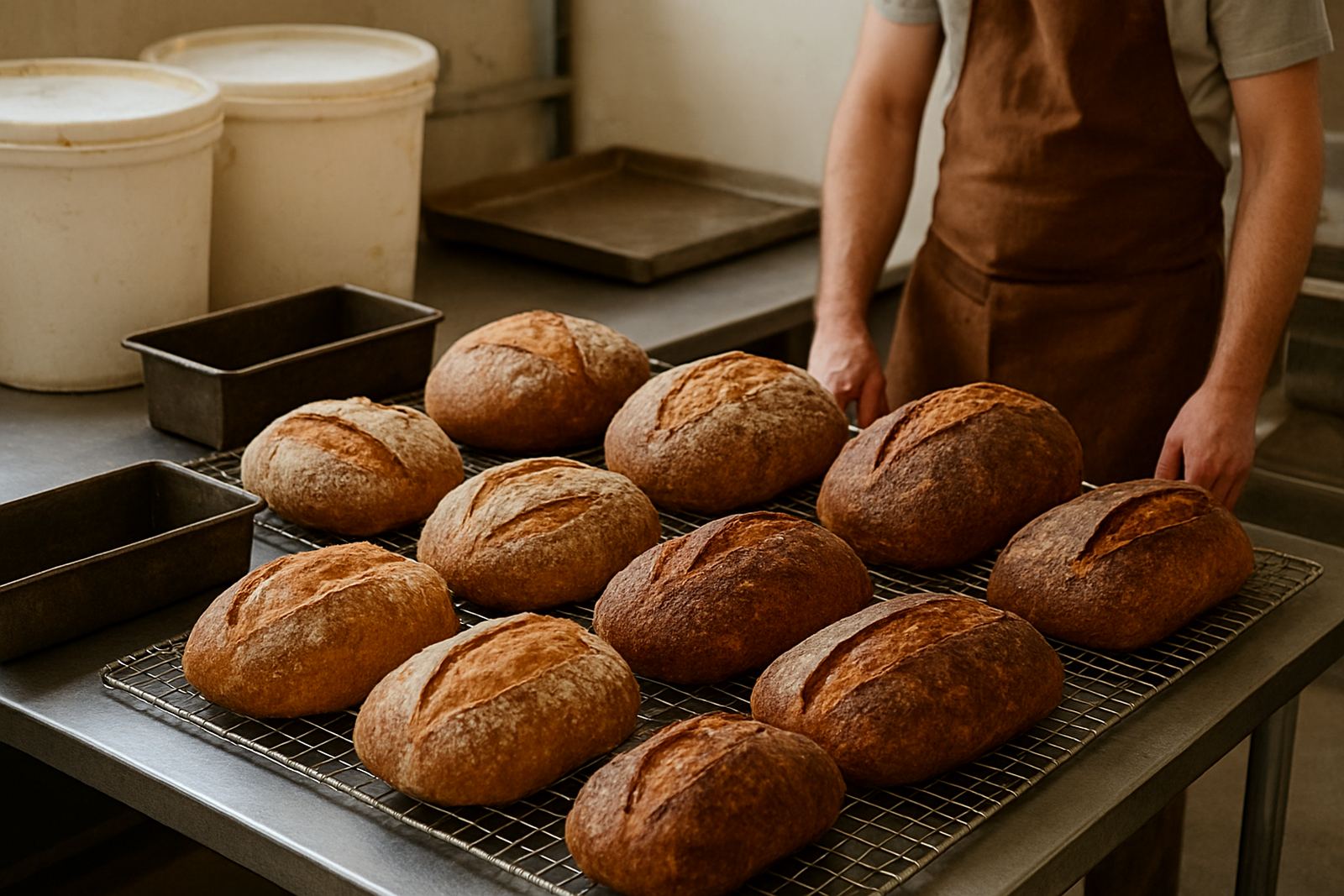
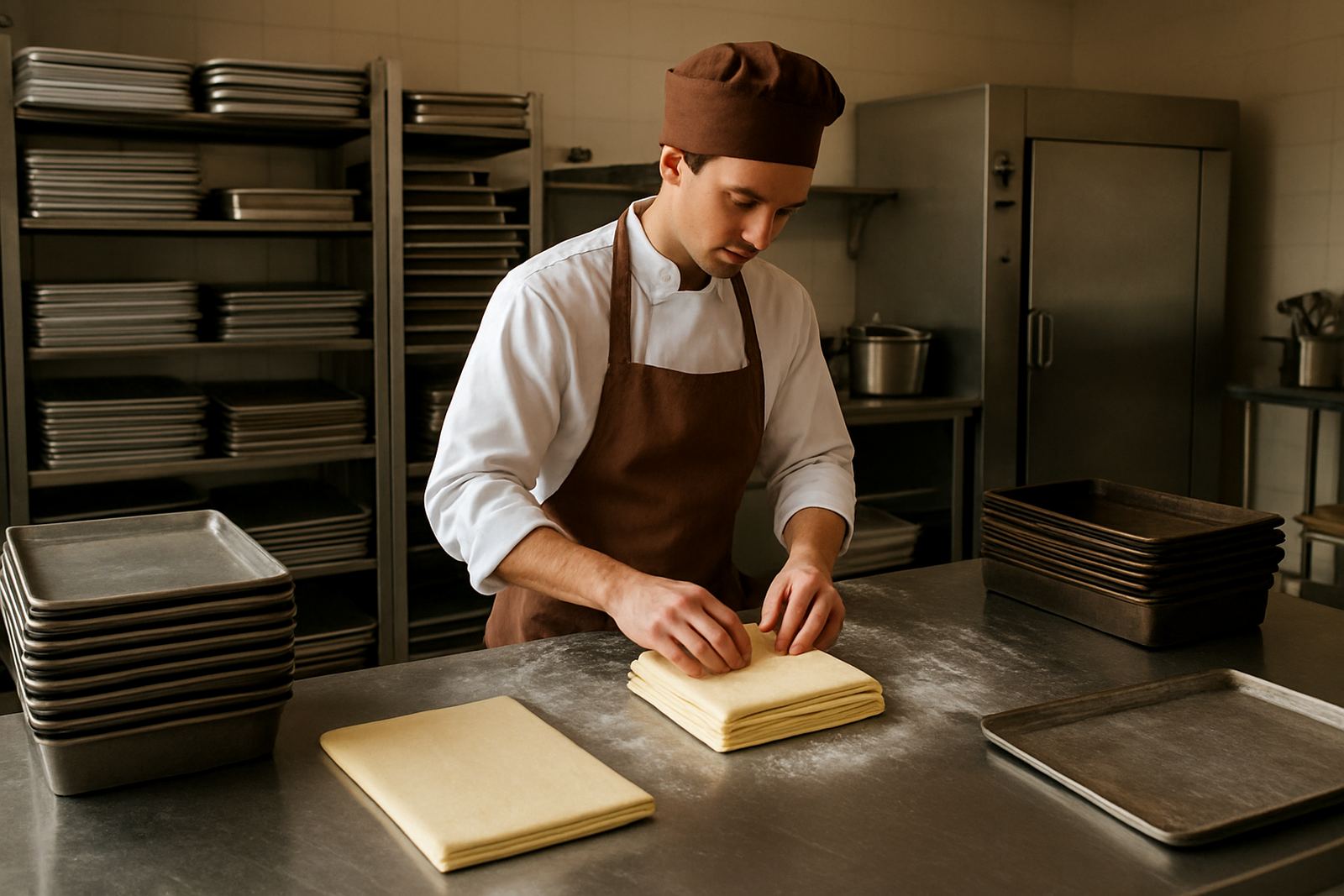
A hotel bakery is not only about loaves. It often starts before dawn with breakfast rolls, muffins, scones, croissants and sliced loaves, then moves into pastry items, sandwich bread and dessert work for functions. The equipment has to suit mixed batch sizes and quick turnarounds, with enough consistency for service teams to plate the same way every day.
Most hotel kitchens need pans and trays that work in deck ovens, convection ovens and proofing areas. In coastal towns like Durban and Umhlanga, humidity can affect dough handling and tray condition, so the bakeware has to be easy to clean, flat and simple to inspect after each shift.
Typical bakeware set for hotel production
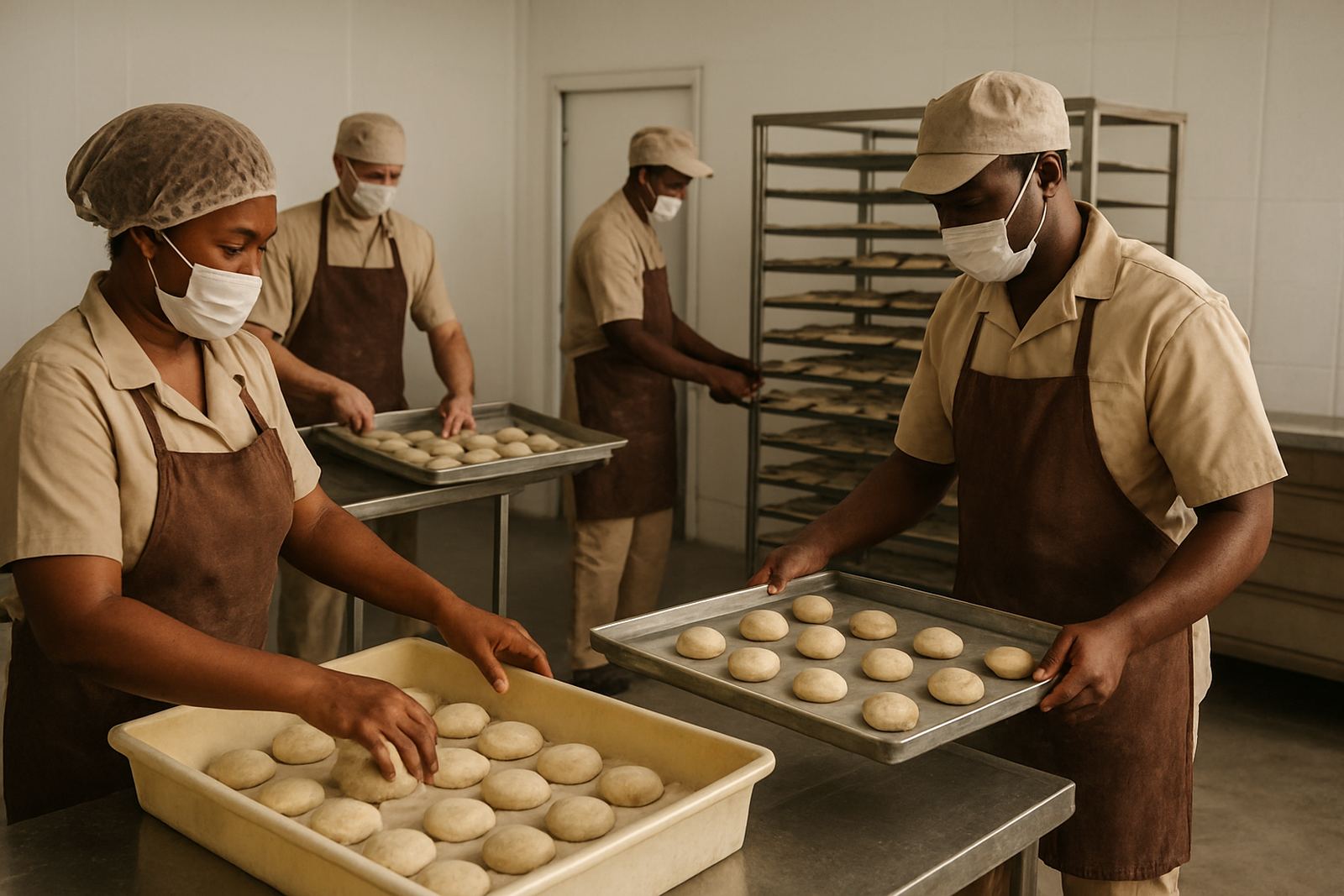
A practical hotel set usually includes bread pans, loaf tins, flat trays, bun trays and custom baking trays sized to the oven and the product mix. Some kitchens also need steel oven floor tiles for even heat transfer in larger ovens where base baking matters for rolls, pastry bottoms and oven spring.
- Bread pans for sandwich loaves and breakfast breads
- Flat trays for pastries, scones and rolls
- Custom trays for signature items and odd product sizes
- Steel oven floor tiles for stable baking in deck ovens
- Spare lids where covered proofing or storage is part of the process
If the hotel runs banqueting, extra trays help when the pastry section has to supply plated desserts, canapés and bulk bread service at the same time. A mixed tray set gives the kitchen more room to manage rush periods without overloading one format.
Layout and planning for a small hotel bakery room
Space is usually tight in a hotel kitchen, so tray storage and movement must be planned before new bakeware arrives. Keep the heaviest items close to the ovens and use clear stack points for clean, dirty and repaired pieces. If the room is split between pastry and hot kitchen, the tray route should avoid cross traffic near the pass and dishwash area.
For hotels in Pinetown, Durban and the Upper Highway area, Bakerite often looks at the full working pattern first. That means oven sizes, batch frequency, cleaning routine and how trays return from service. A small layout change can save time every day, especially when the team is short staffed or load-shedding shifts the production window.
- Measure oven width, depth and rack spacing before ordering
- Check if trays must pass through a narrow prep door or lift
- Keep repaired and new items separate during busy service days
- Allow for storage of dry trays away from steam and washing spray
Common mistakes hotel kitchens make with bakeware
One common mistake is using trays that are almost the right size. That leaves wasted oven space or causes jams on racks, and the team ends up forcing items in which bends the tray over time. Another issue is mixing old warped pans with new stock, because the oven result then changes from tray to tray and the pastry section spends more time checking than baking.
Hotels also tend to wait too long before repairing rims, corners or weld points. A small crack becomes a bigger fault quickly, especially where trays are washed often and stacked hard. If a pan is straightened or recoated early, it can stay in service much longer and the kitchen avoids emergency replacement costs.
Repairs and recoating that keep service moving
Hotel bakeware is usually in near daily use, so repair work needs to be planned into the year. Bakerite handles pan recoating, tray recoating, pan straightening, corner repairs, rim repairs, lid repairs, weld repairs, fleet assessment, deep cleaning and spare lids. That matters for hotels that run full breakfast service seven days a week and cannot afford gaps in the tray count.
Recoating helps where the surface has worn but the tray body is still sound. Straightening helps with items that have gone out of shape from heat and stacking. If the tray is still structurally acceptable, repair work is often better value than a full replacement, particularly for larger hotel sets.
Budget ranges for hotel bakery sets in Rand
Budgets vary by size and duty level, but most hotel bakery projects fall into three broad bands. A small refresh for a breakfast-focused kitchen may start around R8 000 to R25 000. A fuller replacement set for a busy hotel with pastry and banqueting support often runs from R25 000 to R75 000. Larger projects with custom trays, oven floor tiles and repair work on a wider fleet can move beyond R75 000.
The right budget should include not only new items but also assessment of what can be repaired. A hotel that spends a bit more on sizing and planning upfront often saves later, because the trays fit better and last longer. That gives the kitchen fewer surprises when occupancy rises or a conference week lands at short notice.
Working from Westmead, Pinetown to support hotel kitchens
Bakerite is based in Westmead, Pinetown and supplies hotel bakeries across KwaZulu-Natal and nationally. The team works with plant bakeries, hotel kitchens and retail food operations that need steady supply and practical follow through. For hotels, the service side matters as much as the item itself because a missing tray can disrupt a breakfast shift before the first guest sits down.
If you are setting up a new hotel bakery or replacing worn bakeware, send through your oven sizes, product list and estimated daily use. That makes it easier to quote properly and to suggest what should be made new, what can be repaired and what should be kept as spare stock.
- Base in Westmead, Pinetown
- Supply to Durban, New Germany, Upper Highway and beyond
- Email: sales@bakerite.co.za
- Useful for hotels, lodges and conference venues with mixed baking needs