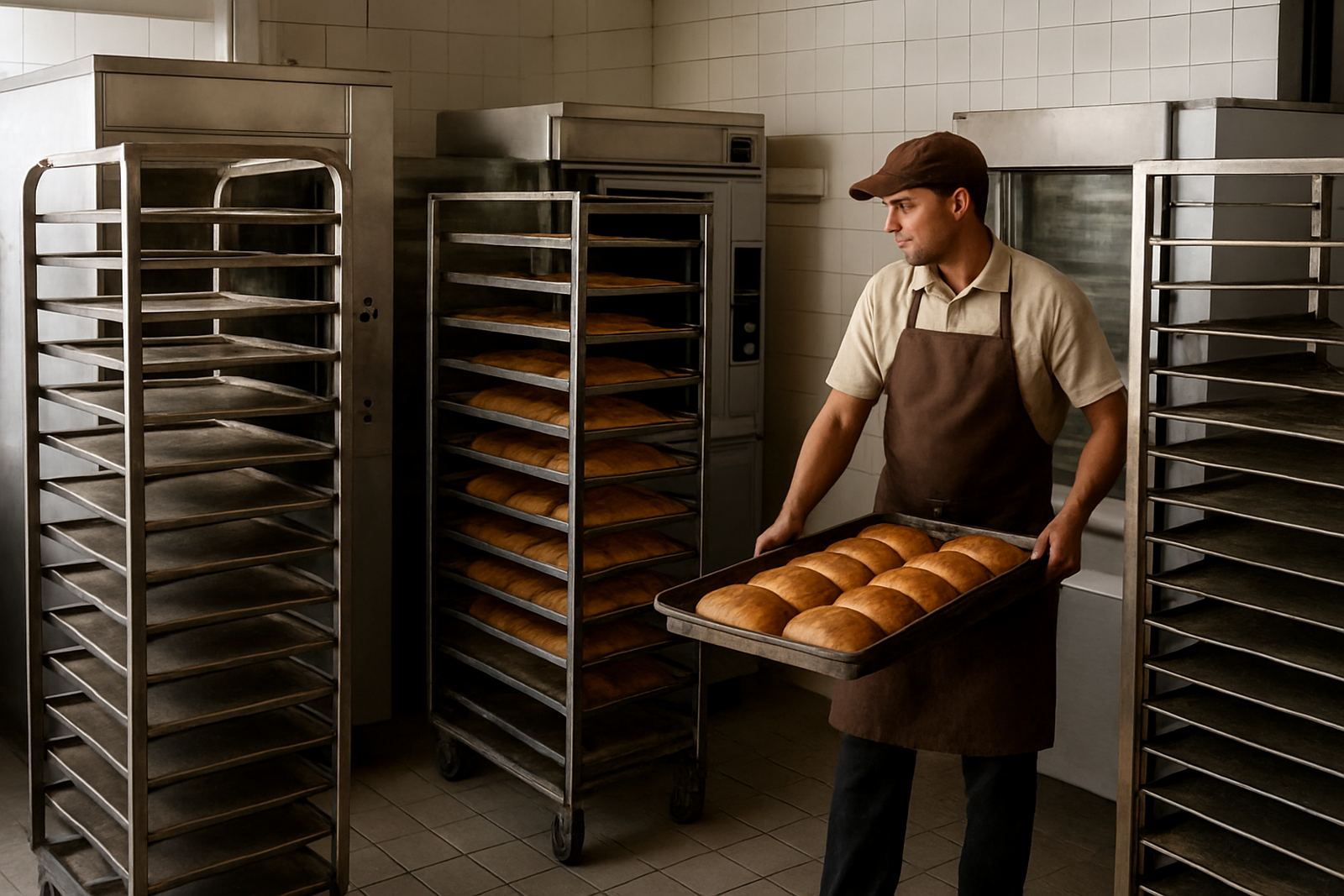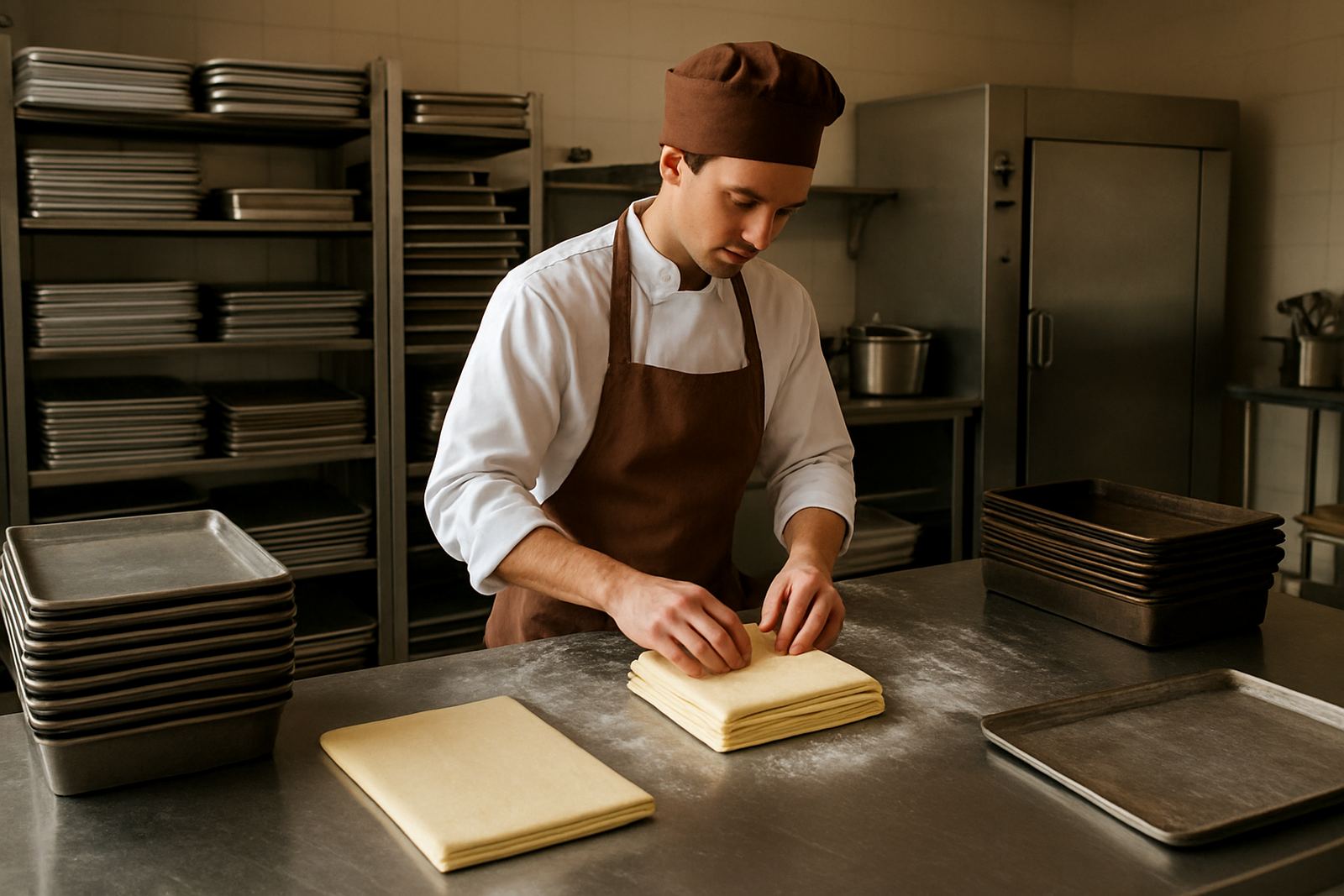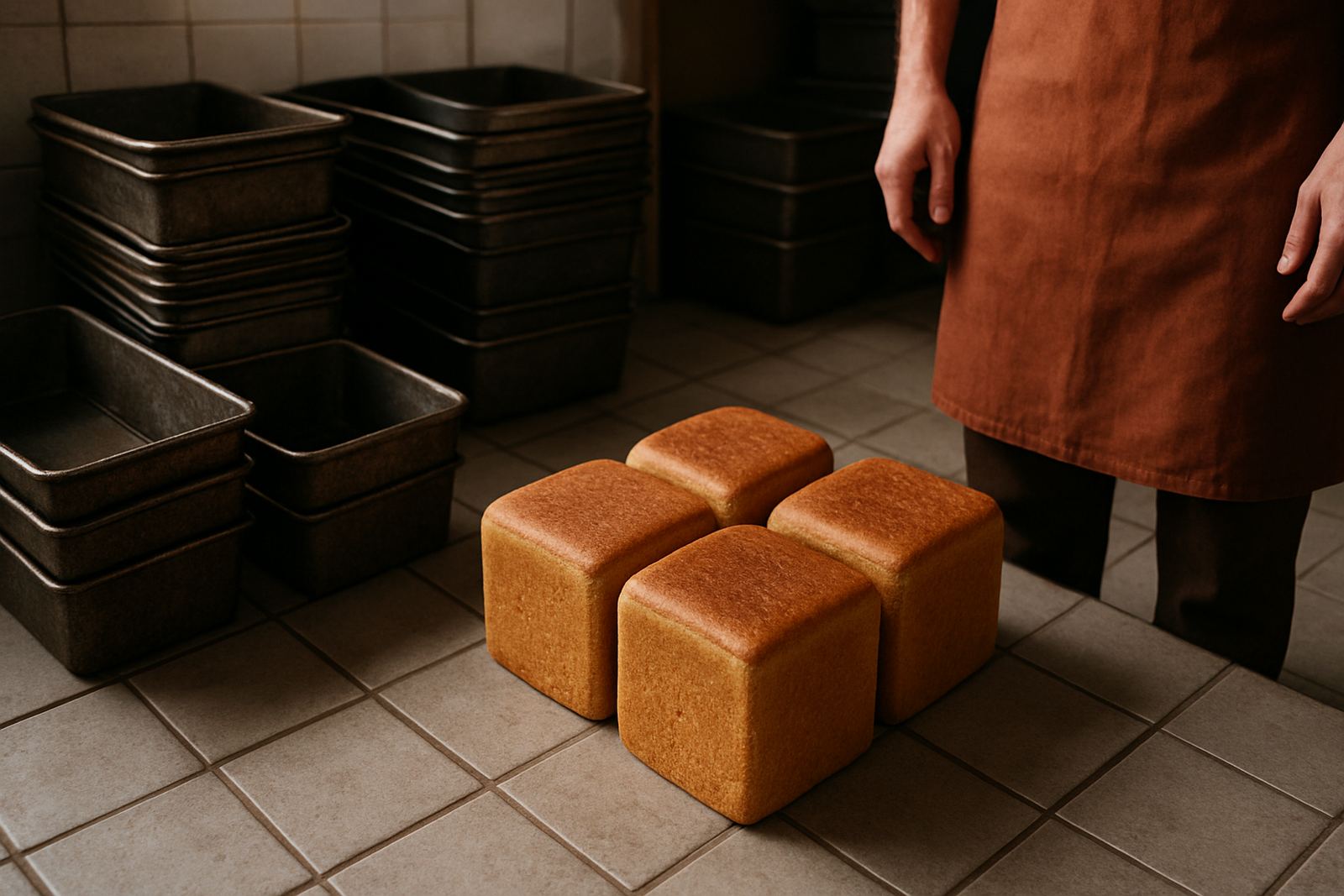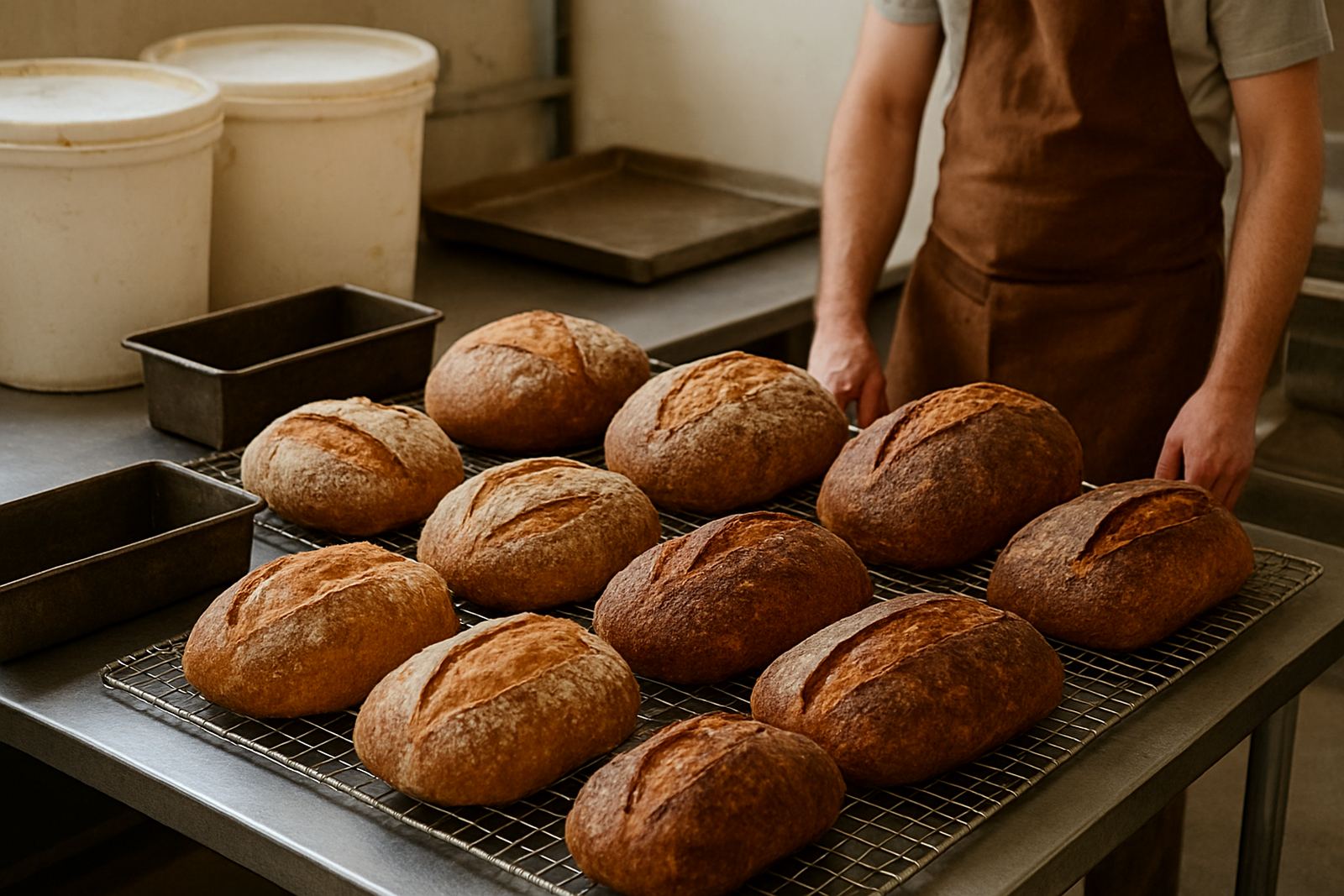
When a speciality bread line starts giving mixed results
Speciality bread is where small faults show fast. A rye loaf that spreads too much, a seeded batard that catches on the rim, or a premium tin loaf with dark corners usually points to the pan or tile rather than the recipe alone. In plant bakeries, hotels and retailer production kitchens, the equipment has to suit the dough weight, proof time and oven method every shift.
Bakerite has been making industrial bakeware since 1997 from Hillclimb Rd in Westmead, Pinetown. The work includes steel oven floor tiles, bread pans and custom trays for bakeries that need repeatable results, especially where ovens run long hours and cleaning windows are tight. For coastal sites around Durban and inland plants with drier air, the right finish and steel thickness can make a real difference.
Typical equipment for seeded loaves, rye breads and premium ranges
A speciality bread line often uses a mix of standard and custom bakeware. The final set usually depends on oven type, loaf shape, proof height and how the bakery moves product from make-up to bake. Some plants only need a few trial pieces at first, while others want full racks or matched tile runs for a new line.
- Steel bread pans for tin loaves, rye tins and multi-cavity runs
- Custom trays for seeded loaves, artisan shapes and premium pack sizes
- Steel oven floor tiles for deck ovens and direct bake applications
- Spare lids where covered bakes or crust control is needed
- Repaired and straightened pans for longer service life between full replacement cycles
For seeded breads, smooth release matters because seed mix can hold moisture and grip the pan edge. For rye, the pan has to keep shape under a heavier dough load. Premium ranges often need cleaner corners and a more even bake face, so the tray or tile must be made to the oven, not just the product name.
How to plan the layout before ordering new bakeware
Good planning starts with the oven and the handling flow, not the catalogue. Measure the usable deck size, rail spacing, tray clearance and any hot spots you already know about. In many South African plants, the real issue is not the pan size but the way the pans stack, cool and return to the line after cleaning.
If your bakery runs in Westmead, Pinetown, New Germany or anywhere in KwaZulu-Natal, factor in humidity and salt air. Coastal moisture can speed up corrosion on neglected gear, while poor storage after washing can lead to staining and warped edges. That is why Fleet Assessment, Deep Cleaning and Pan Straightening matter before you spend on a full replacement order. A small repair now can save a much larger outlay later.
- Confirm loaf weight, pan depth and target bake colour before manufacturing starts
- Check whether the oven needs open trays, closed pans or steel floor tiles
- Allow for handling gloves, rack width and cooling space at the pack-off area
- Keep one sample pan for line checks and future matching
Common mistakes that cost product and Rand
The most common mistake is choosing a pan by eye and not by finished loaf size. A pan that is 5 mm too shallow can affect crown height and slice count, while the wrong rim profile can slow filling and jam on the drop. Another mistake is leaving tired trays in service too long. Once a rim starts to twist, the fault usually gets worse under heat.
Some bakeries also overlook matching the pan finish to the cleaning method. Aggressive scrubbing, soak chemicals or rough stack handling can shorten life quickly. If you are running on a tight electricity schedule because of load-shedding, any extra rework after power returns hurts production even more. Better to plan the bakeware around the actual shift pattern and maintenance time available.
Bakerite’s repair services can help when the pan body is sound but the corners, lids or welds need work. That includes Tray Recoating, Pan Recoating, Corner Repairs, Rim Repairs, Lid Repairs and Weld Repairs. In many cases, those jobs restore usable equipment at a fraction of the cost of full replacement.
Budget ranges for speciality bread bakeware projects
There is no single price for speciality bread bakeware because thickness, steel grade, shape complexity and quantity all change the quote. As a working guide, a small order of custom bread pans or speciality trays can start in the low thousands of Rand, while larger matched runs for plant bakeries can move into the tens of thousands. Steel oven floor tiles for deck oven work are usually priced by size, thickness and finish, so a full oven set will cost more than a few replacement pieces.
For operations that want to phase the spend, a practical approach is to begin with samples, then move to a pilot batch. That reduces the risk of buying the wrong depth or draft angle. It also lets the production team test release, cooling and pack-off before a full rollout. Priscilla Naidoo and Lerato Mokoena usually handle the scheduling and service follow-up so delivery and collection fit the factory rhythm.
- Small repair jobs: usually the lowest-cost option and good for short-term recovery
- Sample or pilot pans: useful for recipe checks and oven trials
- Custom tray runs: suited to repeat production and retailer pack formats
- Full floor tile orders: best planned with maintenance shutdowns in mind
Who handles the work at Bakerite
The workshop team is built around the kind of job industrial bakeries actually need. Sibusiso Ntuli leads the business as Managing Director, with Johan van Rensburg supervising fabrication and Themba Zulu overseeing production. Ayesha Khan handles sales enquiries, while Lerato Mokoena coordinates service calls and collections. That mix keeps the work practical, from a single repaired lid to a full new tray run.
Because Bakerite is based in Westmead, Pinetown, the team can serve Durban Supply, New Germany Supply, Upper Highway Supply and wider KwaZulu-Natal Supply quickly, while also supplying plant bakeries nationally. For speciality bread clients, that local base matters when a pan must be checked, straightened or matched against an existing line before more steel is ordered.
What to send when you ask for a quote
If you need custom pans or tiles for speciality bread, send the product size, loaf weight, oven type and any photos of the current equipment. If the existing pans are worn, include the outside measurements and note any twists at the rim, corners or welds. The more accurate the first set of figures, the closer the finished piece will be on the first run.
Bakerite can work from samples, drawings or measured originals. For a fast response, use the sales email and mention whether the order is for new manufacture, repair or recoating. That helps the team quote correctly and avoid delays. In a plant bakery, that can save a full day of stoppage, and sometimes more.