When the line is feeding retail and food service
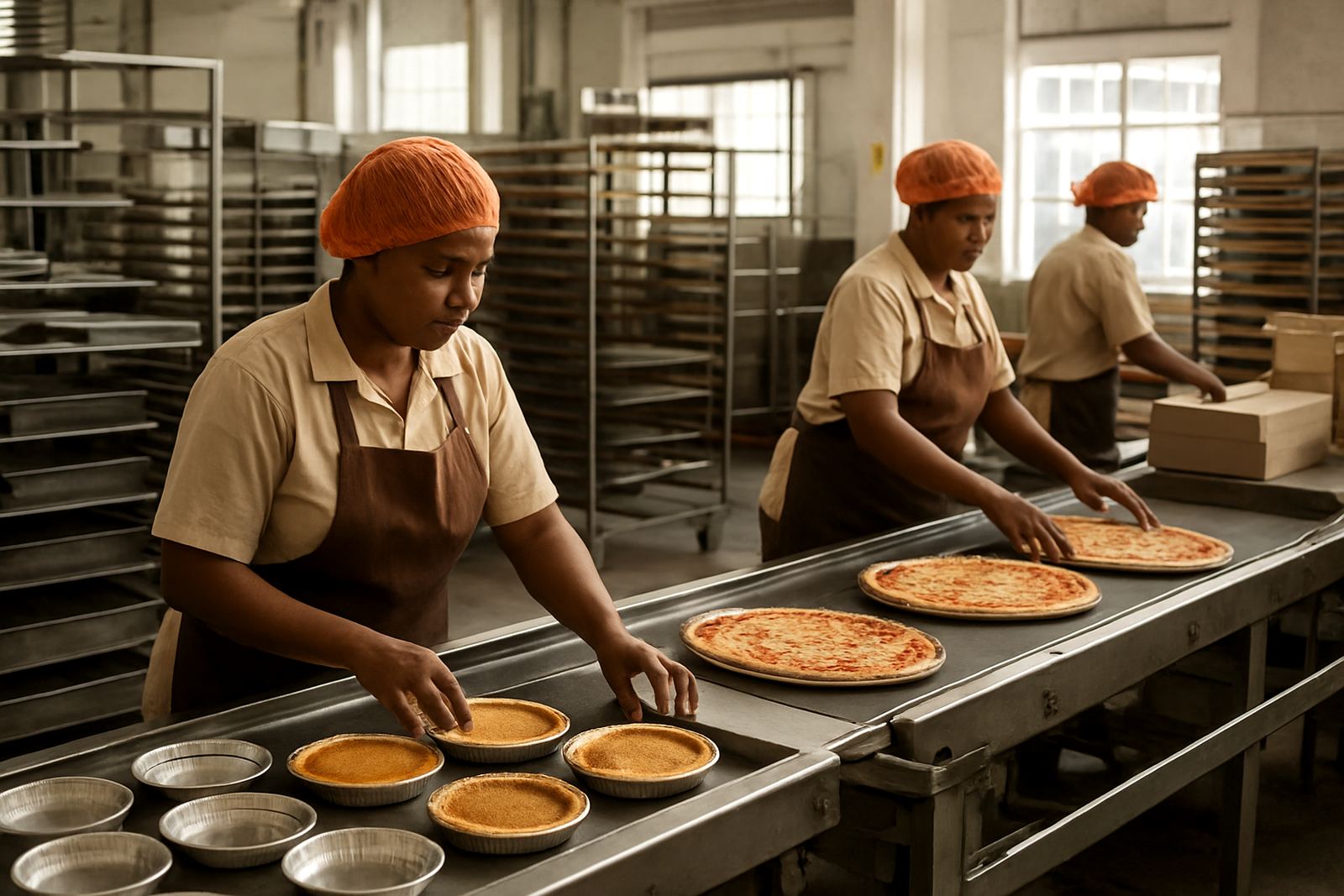
Prepared food production is not the same as a small bakery counter. A plant bakery may be turning out pie shells for supermarkets in Durban, pizza bases for national retail packs, or savoury pastry items for hotels and canteens with tight delivery times. The bakeware has to suit repeat production, quick turnarounds and ovens that run long shifts, often with load shedding backup and hot, humid conditions around KZN.
For this work, the wrong tray size or a weak corner can slow the whole line. If a tray twists, product moves. If the coating wears through, release gets messy and labour goes up. Bakerite has been supplying plant bakeries from Westmead, Pinetown since 1997, with made-to-order trays and repairs that keep established lines in use instead of forcing full replacement.
Typical bakeware on a prepared food line
Most prepared food lines use a mix of standard and custom steel items. The usual set depends on whether the plant is shaping, proofing, baking or freezing products before dispatch. In many factories we see a combination of open trays, lidded trays, formed pans and floor tiles for oven loading.
- Steel oven floor tiles for stable baking and even heat transfer
- Custom trays for pies, savoury slices, quiches and pizza bases
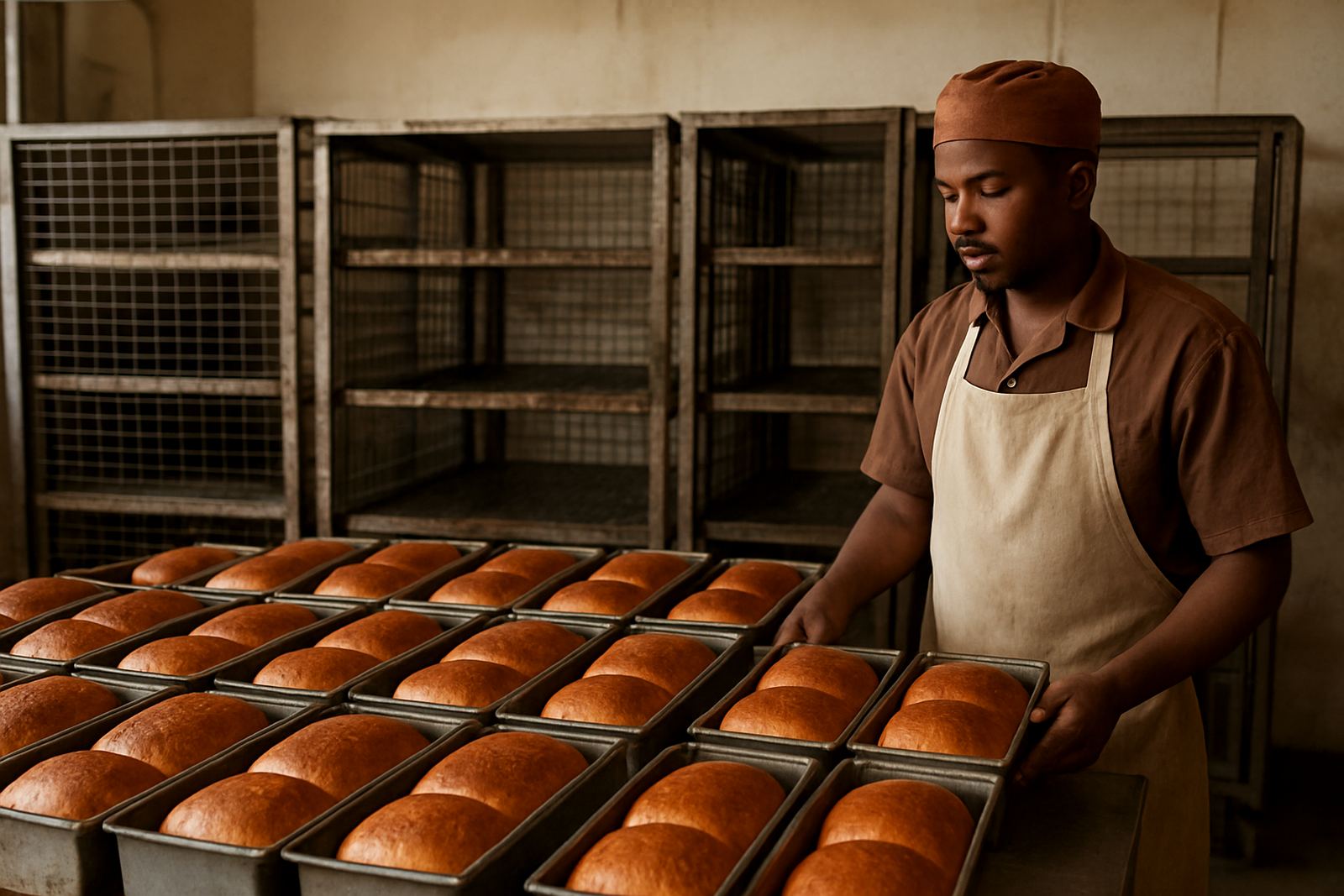
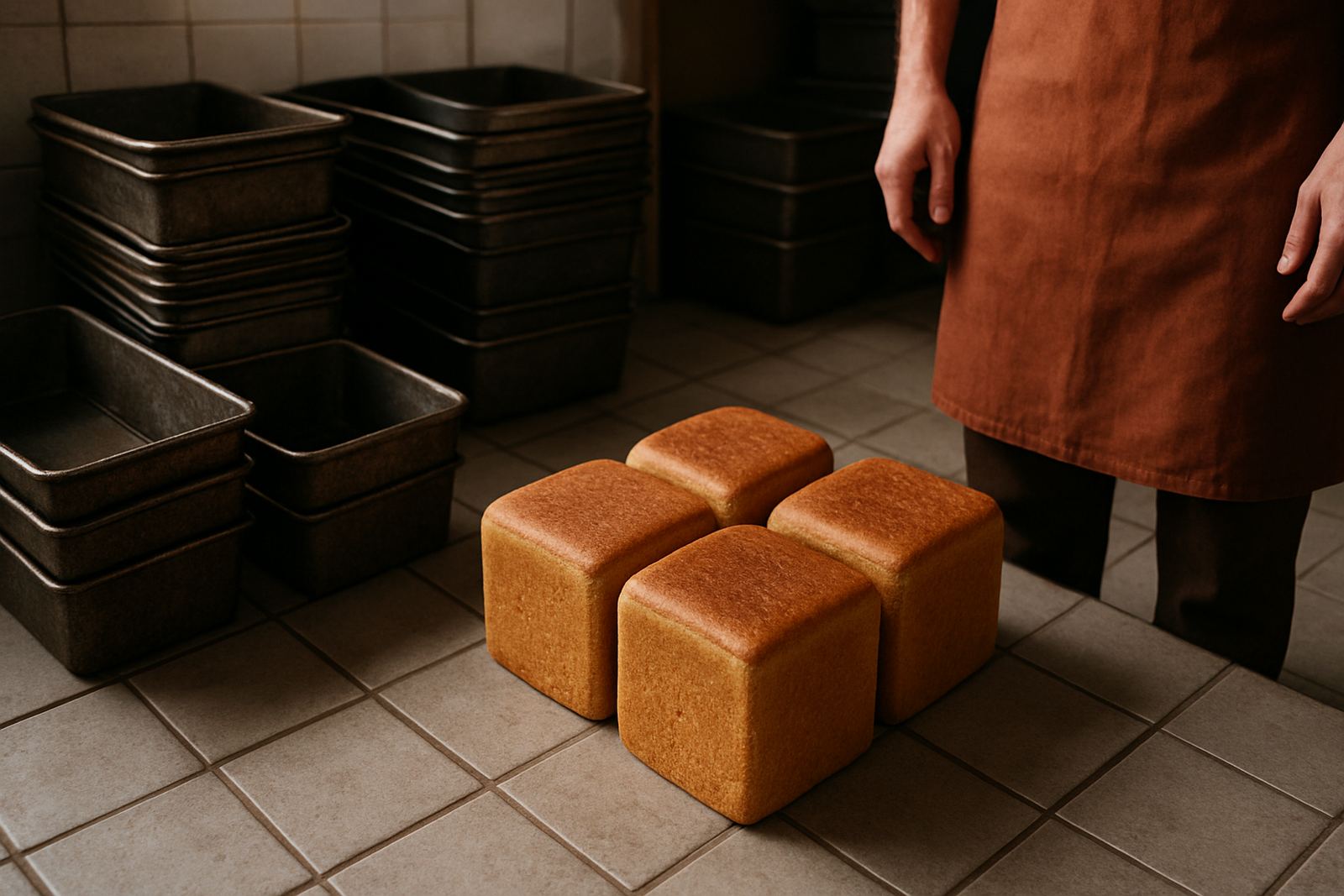
- Bread pans where dough support and sidewall strength matter
- Special inserts or lids where product profile must stay flat
- Spare lids and replacement sections for damaged lines
Some operations prefer a common tray footprint across several products so changeovers are quicker. Others want separate tray types for each item, especially where pack weights and finished sizes are controlled tightly. Both can work, but it helps to decide that before ordering new tooling.
How to plan the layout before ordering trays
A prepared food line should be planned from oven entry to cooling and packing. Measure the oven deck, trolley width, rack spacing and the way staff handle hot trays at shift change. A tray that is only 10 mm too wide can cause daily delays, while a tray that is too shallow may let filling spill during transfer. It is also worth checking if trays must fit existing cage trolleys, blast chillers or dispatch crates.
In Westmead and the wider Durban industrial area, many plants run mixed production in compact spaces. That means stack height matters almost as much as tray length and width. If your team is using manual loading, leave enough hand space for gloves and heatproof tools. If the line uses conveyors, make sure corner repairs and rim depth support smooth movement with no snagging.
- Confirm product dimensions after baking, not only before
- Allow clearance for gloves, racks and turning points
- Check whether trays need drainage holes or a solid base
- Match tray weight to how often staff lift them through the shift
Common mistakes that cost money on food plants
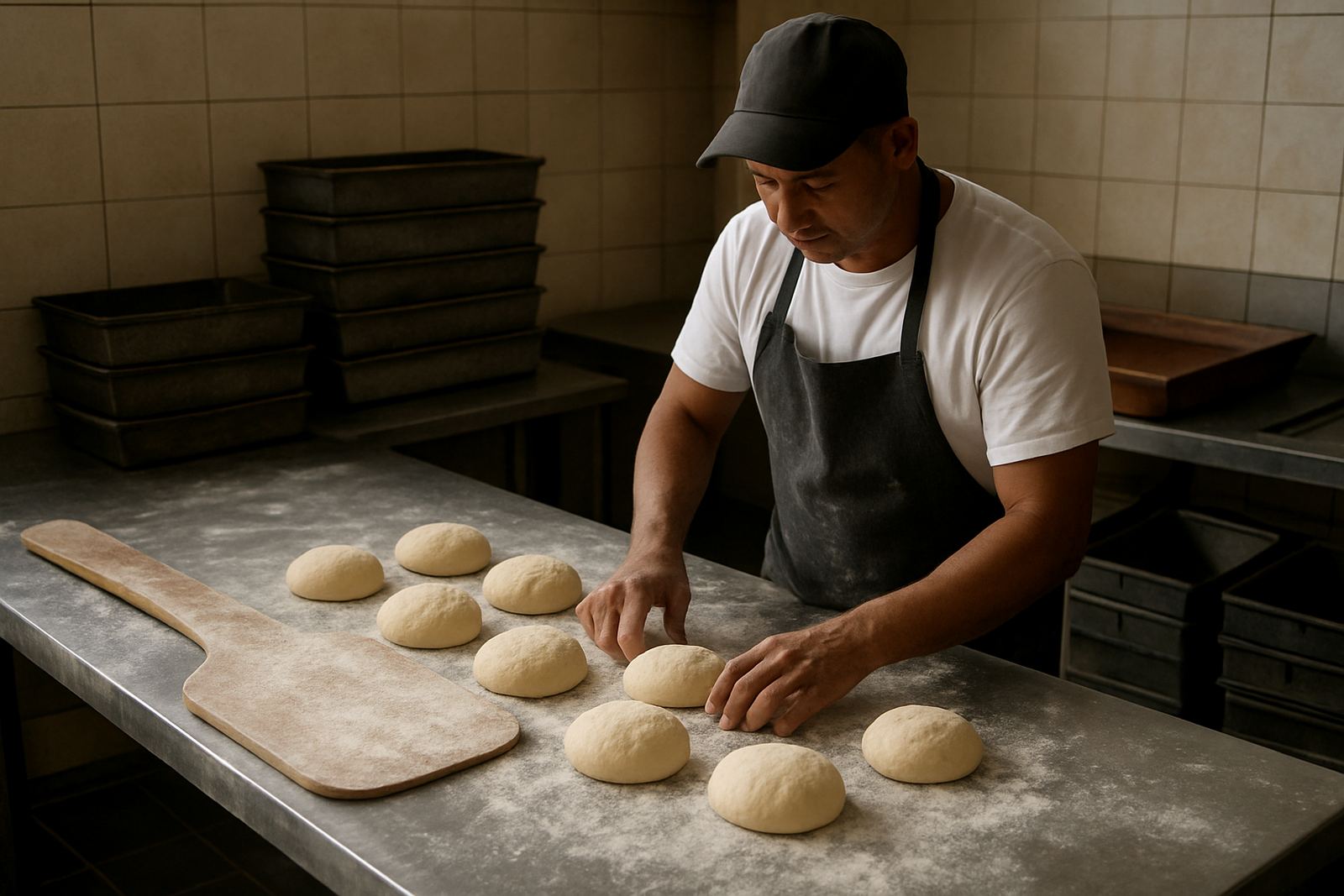
The biggest mistake is trying to make one tray do every job. Pies, pizza bases and savoury bakes all behave differently under heat. Deep filling needs stronger sides. Thin pastry needs flatter support. Pizza bases may need a tray that allows easy release, while enclosed items may need a lid or a different rim profile. When all of these are forced into one format, waste usually climbs.
Another common issue is waiting too long before repair. A bent pan can still look usable, but repeated use can worsen the distortion and affect portion control. Corner repairs, rim repairs and weld repairs are cheaper than replacing a whole batch, and recoating can extend life if the steel body is still sound. We often see plants in Pinetown and New Germany carrying on with damaged trays because the line is busy, then losing more in product loss than the repair would have cost.
It also pays not to ignore cleaning. Heavy carbon build-up makes release worse and can hide hairline damage. Deep cleaning before recoating gives a better result, and it helps the workshop assess whether the tray needs straightening or a simple service. A quick patch job is not always the cheapest option, it just looks cheaper at first.
Budget ranges for prepared food bakeware
Budgets vary by size, steel thickness, finish and whether the item is standard or made for one plant only. For planning purposes, smaller replacement pans or simple trays may start from a few hundred Rand each, while larger custom trays, floor tiles and reinforced sections can run into the low thousands per unit. Full line orders, especially when a plant is changing product ranges, should be costed against output per shift rather than only the item price.
For recoating and repair work, many plants find it better to do a batch at once instead of sending trays one by one. That reduces courier costs and keeps the line running with consistent spare stock. If a bakery in Durban or further inland needs to cover demand during school holidays, public holiday peaks or a retailer promotion, the sensible approach is often to hold a small spare set and rotate damaged items out for service.
- Small tray or pan replacements: usually from a few hundred Rand each
- Custom formed trays and lids: often from the low thousands depending on size
- Recoat and repair batches: priced best when handled in groups
- Spare stock allowance: worth building in for busy or seasonal lines
What Bakerite supplies from Westmead, Pinetown
Bakerite works from Hillclimb Rd, Westmead, Pinetown and supplies plant bakeries nationally. For prepared food lines, that includes steel oven floor tiles, bread pans, custom trays, spare lids and repair services for worn or damaged equipment. The team also handles Pan Recoating, Tray Recoating, Pan Straightening, Corner Repairs, Rim Repairs, Lid Repairs, Weld Repairs, Fleet Assessment and Deep Cleaning.
Because many food plants run in hard conditions, especially near the coast, equipment has to cope with moisture, heat and regular washing. If you are setting up a new savoury line or replacing a tired tray set, it helps to start with measurements, product details and the oven type. Sibusiso Ntuli and the Bakerite team can then advise on the right layout and practical spare quantities, without overbuying stock you will not use.
A practical way to start the next order
The best starting point is a simple list: product name, finished size, fill depth, oven type, loading method and how many pieces run per shift. From there, the plant can decide which items need new manufacture and which can be repaired. For many prepared food clients, a mixed order makes the most sense. Keep the strong frames, replace only the worn sections, and standardise the new trays where possible.
If your line is based in Westmead, Durban, New Germany or along the Upper Highway, local collection planning can save time. If it is further afield, good measurements and clear photos of damaged items usually speed up quoting. The aim is simple: keep the food line moving, keep the product shape right, and avoid buying more steel than the process needs.