Built for shift work, not weekend baking
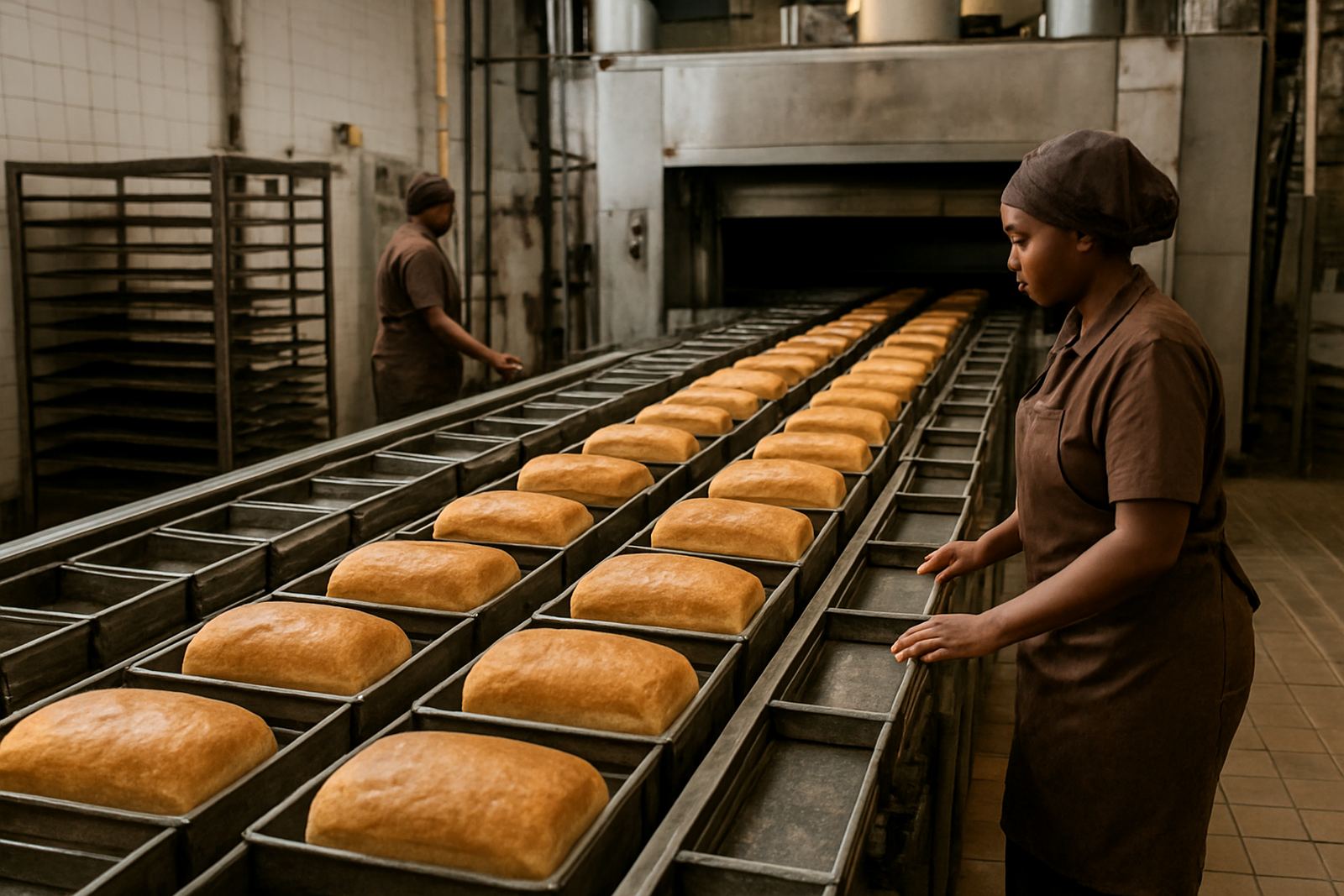
A plant bakery works to a fixed rhythm. Dough, proofing, loading, baking, depanning and return all have to line up or the line starts backing up. We see this in large bread plants, bun lines, confectionery bakeries and hotel production kitchens that run early mornings, night shifts and weekend catch-up. The bakeware has to stay square, release well and survive repeated heat cycles without warping.
BAKERITE has been making industrial bakeware since 1997 from Hillclimb Rd, Westmead, Pinetown. We are the sole maker of the original Bakerite steel floor tile, and that matters in plants where oven floors need to take heavy loading, repeated scraping and regular cleaning. For a plant bakery the question is not only what fits today, but what keeps fitting after six months of service and one too many hot washdowns.
Typical bakeware set for a plant line
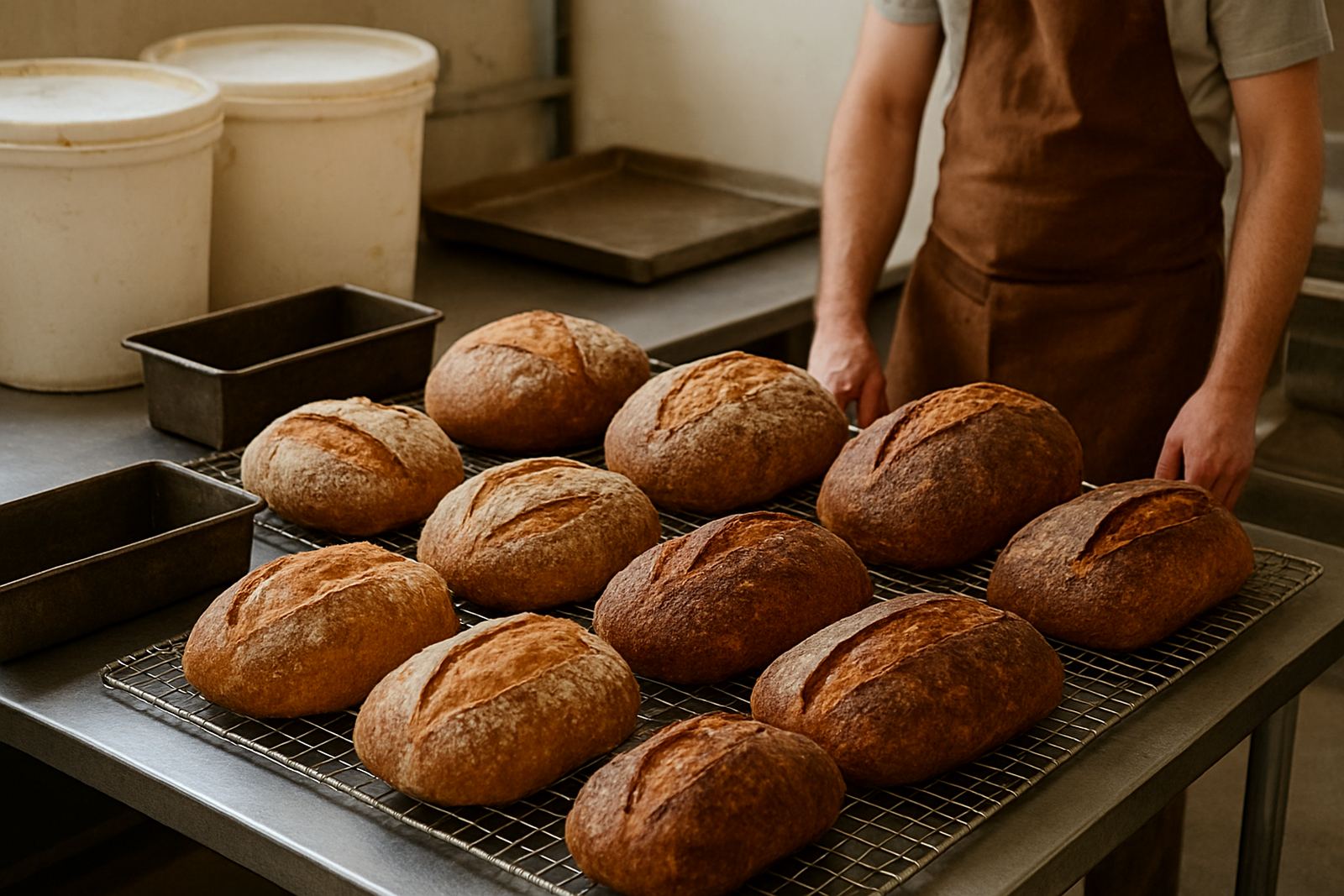
Most high-output sites use a mixed set of pans and trays, matched to loaf size, bun count and oven format. We supply standard and custom pieces for tunnel ovens, rack ovens and deck ovens, plus replacement parts when the site already has a working layout. In KZN humidity or coastal conditions, steel choice and coating condition make a big difference to release and cleaning.
- Steel oven floor tiles for deck oven bases and replacement sections
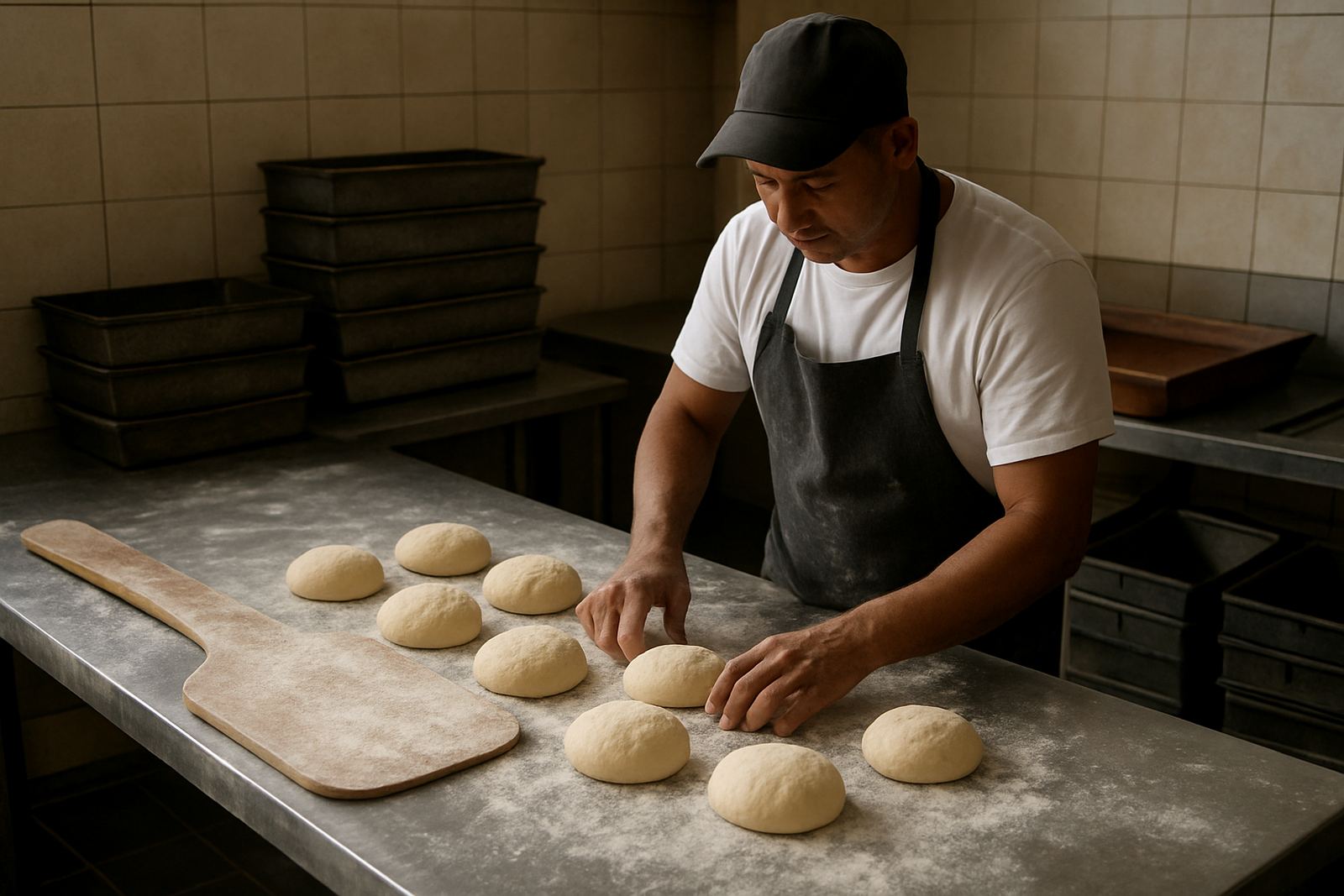
- Bread pans for sliced loaves, farm loaves and tin bread
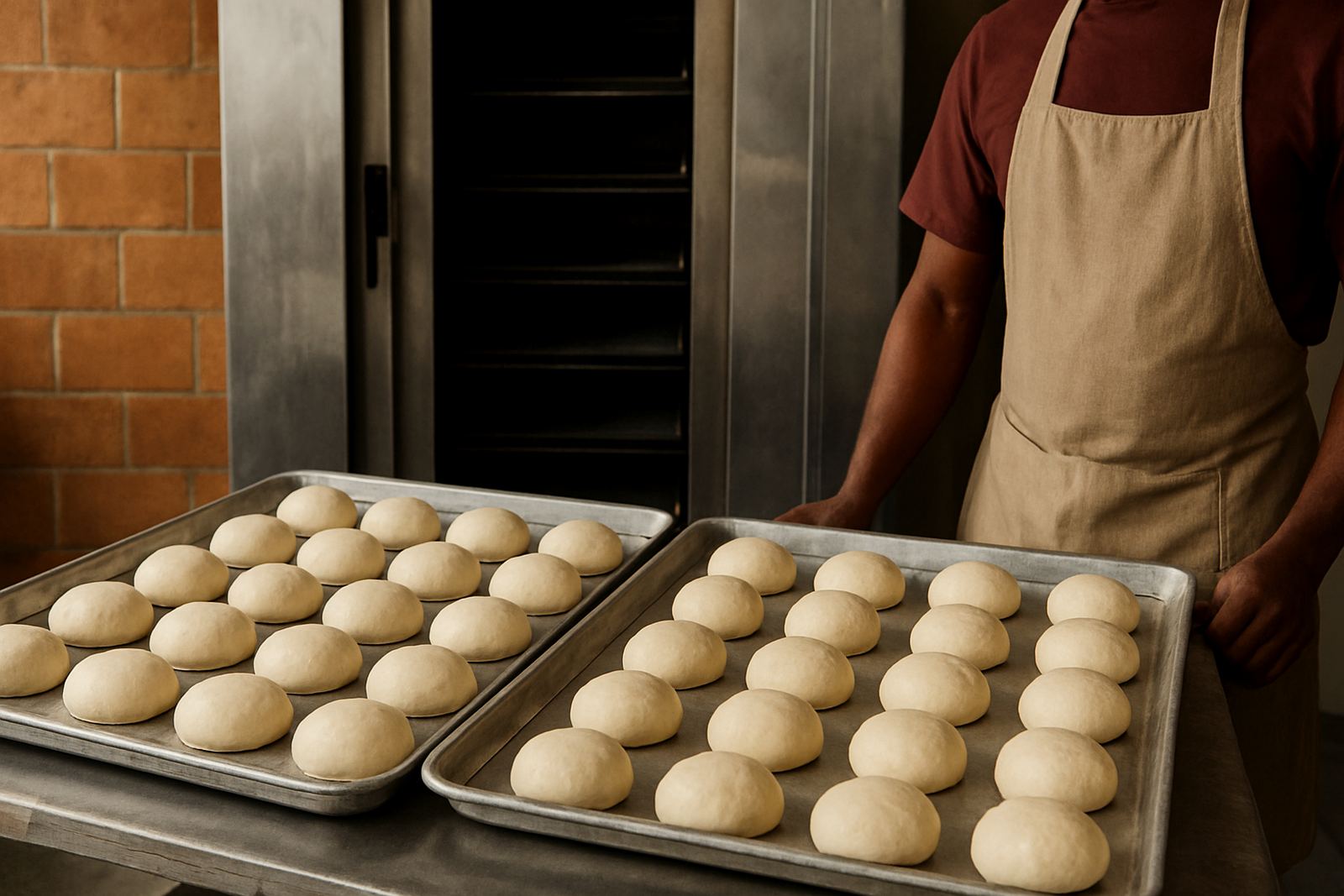
- Custom trays for buns, rolls, rolls-in-packs and speciality products
- Spare lids for lidded pans and production runs that need tighter control
- Repaired and re-coated items for plants extending the life of existing bakeware
If your production includes mixed formats, we can keep the range practical. A plant bakery does not need ten versions of the same pan, it needs the right sizes with repeatable results and enough spares to keep the line going when one batch is out for maintenance.
Layout and planning that saves money later
The biggest planning error we see is ordering bakeware before the oven line, handling route and cleaning method are properly set. A tray that works in a small provincial bakery can be awkward in a larger plant if the loaders, trolleys and cooling space do not match. We look at how trays move from makeup to proofing, into the oven, then out to cooling and dispatch. If one aisle is too narrow, the delay shows up every day.
Good planning also means thinking about wear points. Corners get knocked during stacking, rims get bent in depanning, lids take damage in storage and floor tiles suffer where scrapers and cleaning tools hit the same line repeatedly. It is cheaper to allow for those weak points at the start, rather than replacing whole sets later. In older plants, a measured upgrade with corner repairs, rim repairs and straightening can buy time before full replacement is needed.
- Measure oven openings, trolley widths and rack clearances before ordering
- Keep a spare pool of pans and trays for peak production weeks
- Allow for cleaning methods, especially where water use and heat are tightly controlled
- Check whether the site needs standard pieces or custom dimensions for one-off product runs
- Plan storage so lids, trays and pans do not get bent in stack-ups
Common mistakes that create downtime
Plant bakeries usually lose time in the same few places. One is using bakeware that is too light for the product weight, which leads to twist and distortion. Another is buying a mixed batch from different sources, so stacking is uneven and the handling team spends time sorting pieces by hand. On busy shifts, that sort of delay becomes expensive very quickly.
We also see pans kept in service long after the coating is worn or the corners have gone soft. Once release becomes unpredictable, operators add more grease or force the product out, which only makes the finish worse. Another issue is poor cleaning discipline. Heavy carbon build-up makes pans run hotter in patches and can shorten the life of the whole set. A deep clean, followed by recoating where needed, is often a better option than scrapping everything at once.
If you are running in Durban, Pinetown, New Germany or further inland, it is worth checking the local loading and storage conditions too. Coastal humidity, hot rooms and rough handling all shorten bakeware life if the site is not set up properly.
Repair, recoating and replacement budgets
Budgets depend on size, thickness, finish and whether you are replacing a full set or only the problem items. For plant bakeries, a small trial batch of custom trays might start in the low thousands of Rand, while a full production order can run into the tens of thousands or more, depending on volumes. Recoating and repairs are usually far cheaper than replacement, especially when the base steel is still sound.
As a rough guide, many sites set aside separate budgets for new bakeware, maintenance and emergency cover. A sensible plan is to keep a repair budget for pan recoating, tray recoating, pan straightening, weld repairs and lid repairs. That way the line can stay moving while the next production batch is prepared. For larger plants, it also helps to do a fleet assessment so you know what can be fixed, what should be retired and what needs a full remake.
We work from Westmead, Pinetown and supply plant bakeries nationally. If you need a straight quote, we normally ask for the product size, quantity, oven type and the condition of the existing items. That gives a practical price range without wasting time on guesses.
Why plant bakeries call us back
Plant sites come back when they need consistent dimensions, local backup and direct contact with people who understand production pressure. Our team includes Sibusiso Ntuli, Priscilla Naidoo, Themba Zulu, Ayesha Khan, Johan van Rensburg and Lerato Mokoena, so the call does not have to bounce around. From Westmead Supply to Durban Supply and Upper Highway Supply, the same focus applies: get the right bakeware in place and keep the line working.
For plant bakeries, the value is practical. Steel floor tiles that fit, pans that release properly, trays that stack neatly and repairs that extend service life. If your site is scaling up, changing product sizes or replacing worn stock, it helps to speak with a maker who already knows the daily wear patterns. That saves time on site and keeps the ovens earning their keep.