What retail bakeries usually need on the floor
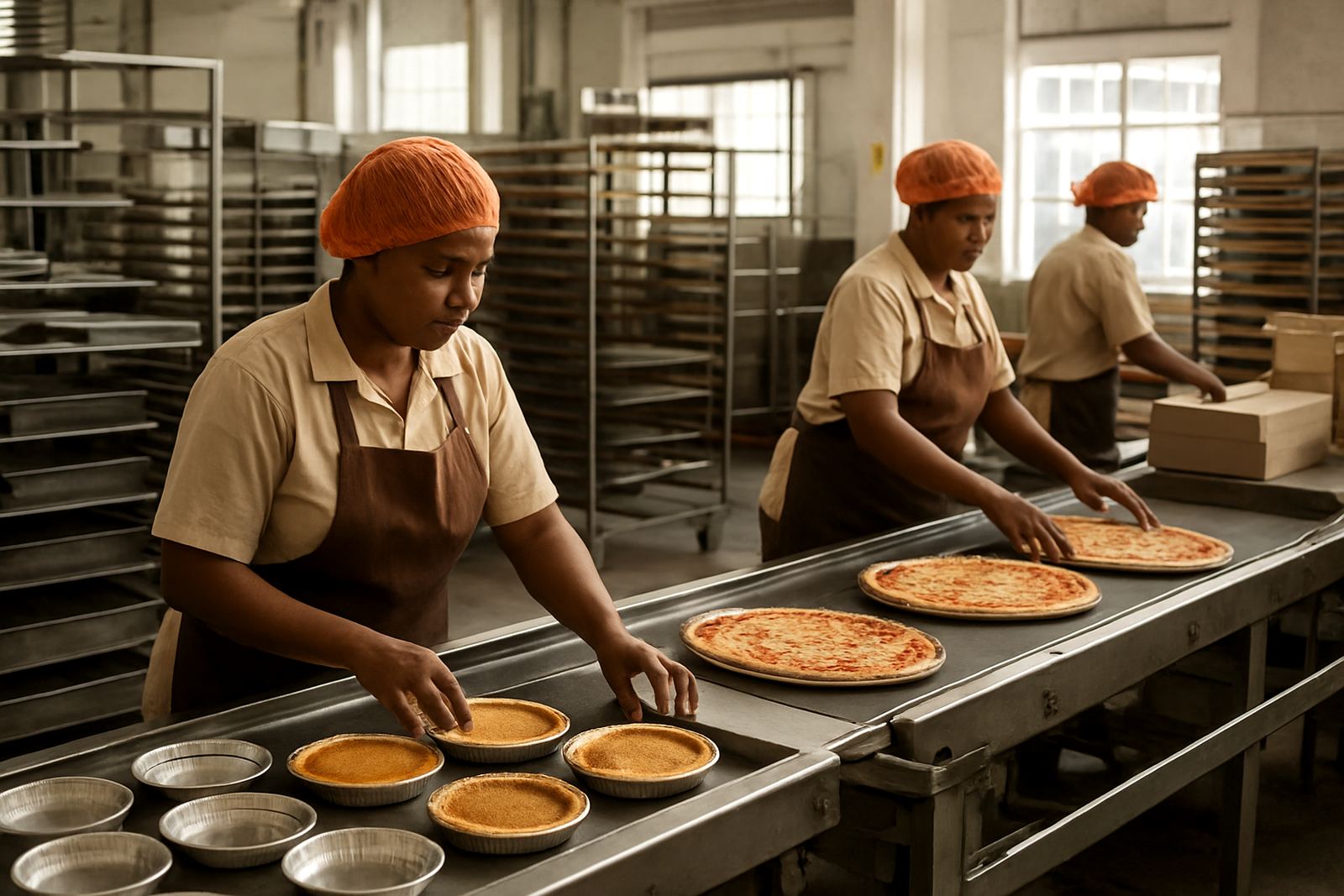
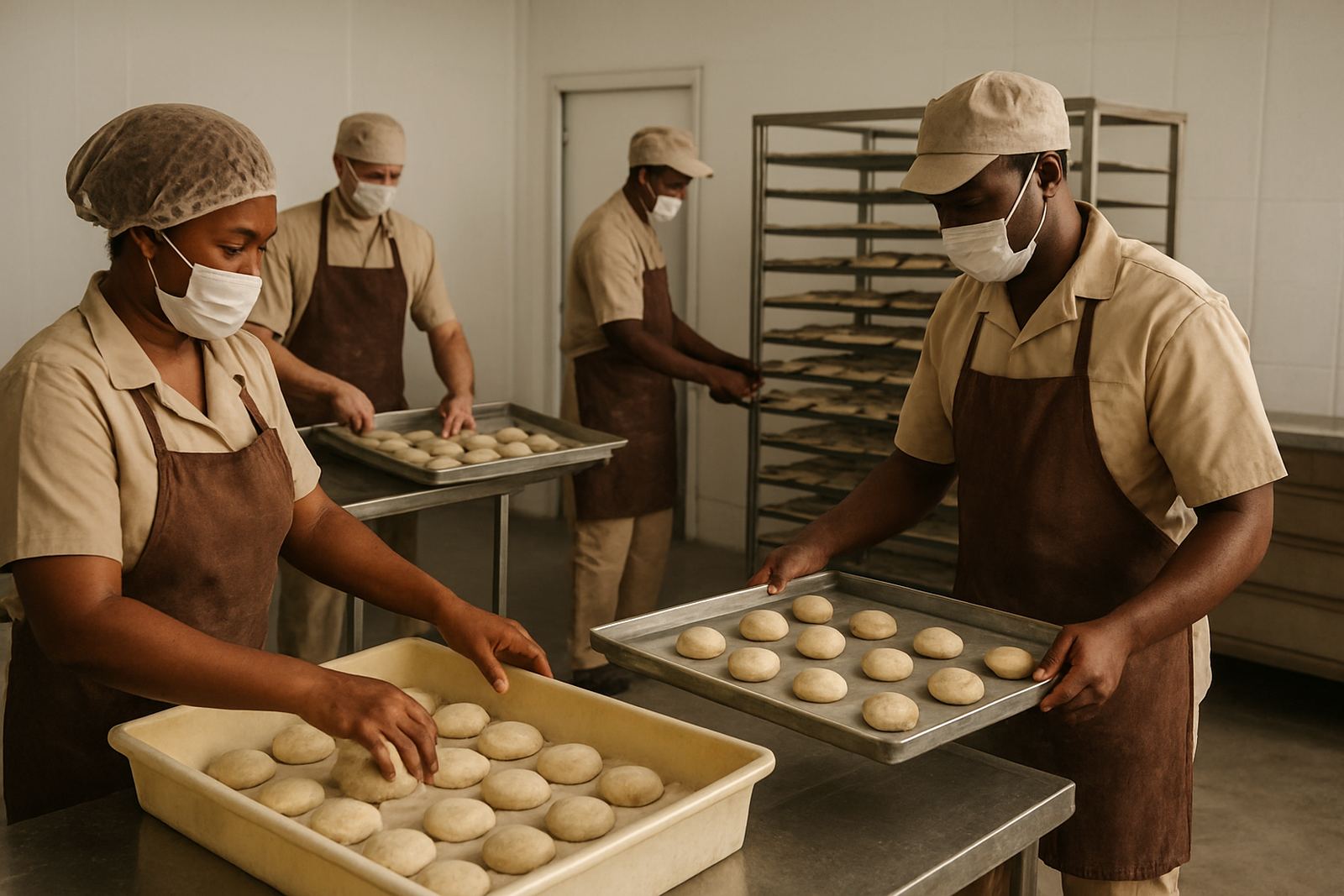
In-store bakeries work with tight space, mixed product lines and people changing shifts through the day. A retail bakery often needs enough trays and pans to cover bread, rolls, savouries, cakes and seasonal lines without overbuying equipment that sits idle. The practical setup is usually a mix of standard bread pans, flat trays, oven floor tiles and a few custom pieces for store-specific products.
From our Westmead base in Pinetown, we supply bakeries that need equipment for high turnover and quick turnarounds. The common problem is not only wear, but inconsistency. One bent pan can change loaf size, crust colour and bake time. That means wasted product, more trimming and more pressure on the team during peak trading periods.
- Bread pans for sandwich loaves, farm-style loaves and bun packs
- Flat trays for rolls, sweet goods, savoury items and bake-off lines
- Steel oven floor tiles for plant ovens and deck-style baking
- Custom trays for retailer-specific pack sizes and display products
- Spare lids and replacement parts for covered products and proofing needs
How to plan bakeware around store production
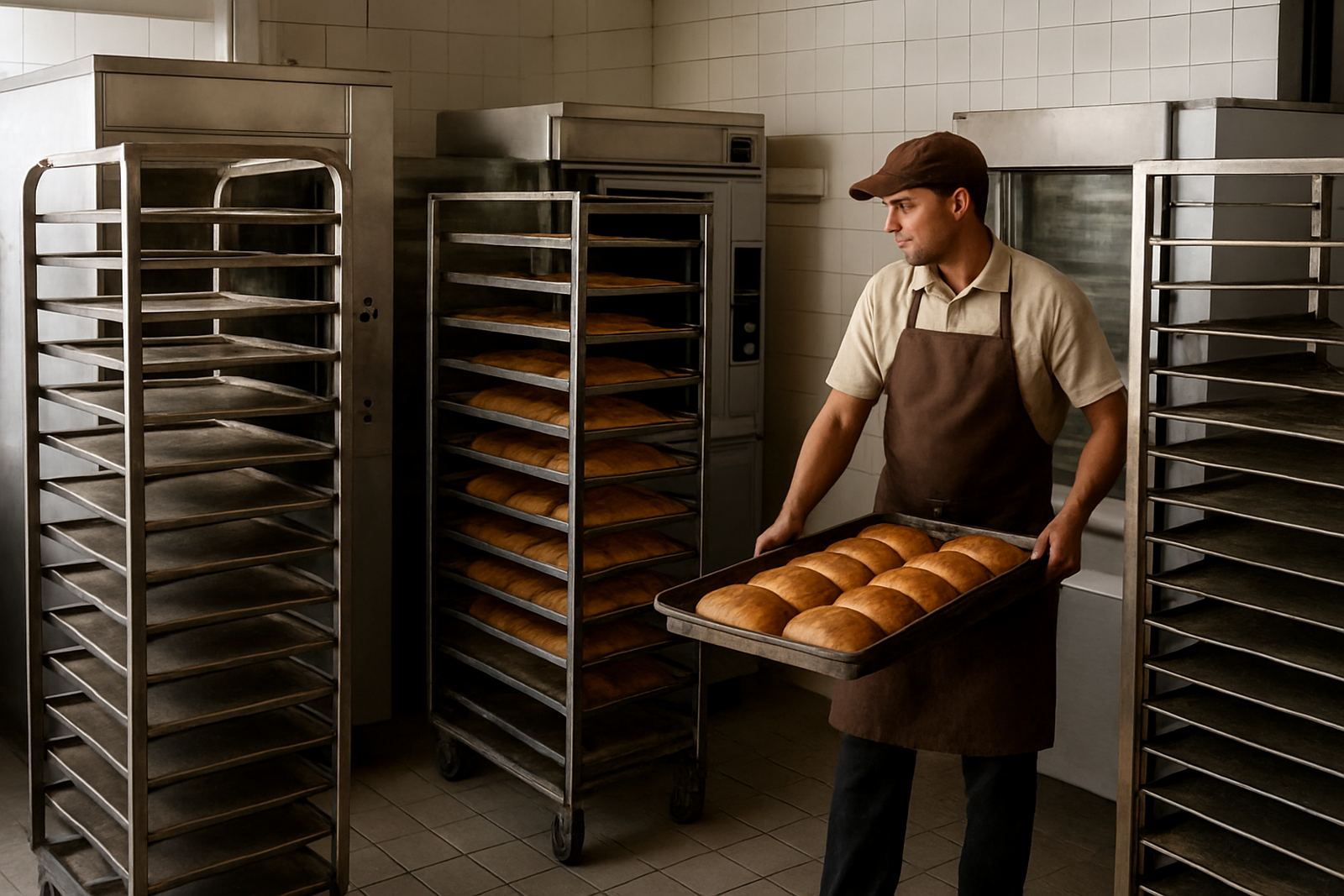
A good tray and pan plan starts with the actual production rhythm. In retail baking, the morning bake, lunch top-up and late afternoon replenishment all need different capacity. If the store runs with one oven and one team, the bakeware has to move quickly between loading, cooling, cleaning and re-use. If there are multiple branches, each site should not be forced to share the same worn set of pans.
We normally look at how many batches go through in a day, how long cooling takes, and whether the store bakes from frozen or from scratch. This affects how many trays are needed on hand. In humid coastal areas like Durban, even stored bakeware can corrode faster if it is not cleaned and dried properly. Inland stores see less rust, but more damage from rough handling and stacking. A simple site plan helps avoid shortages and pan mix-ups.
- Count peak day output, not only average week volume
- Keep separate sets for bread, sweet goods and savouries where possible
- Allow for cleaning rotation so trays do not go back hot and damp
- Store heavier pans low down to avoid bending and handling injuries
- Plan for load shedding with enough bakeware to recover after an interrupted bake
Choosing the right steel pans and trays
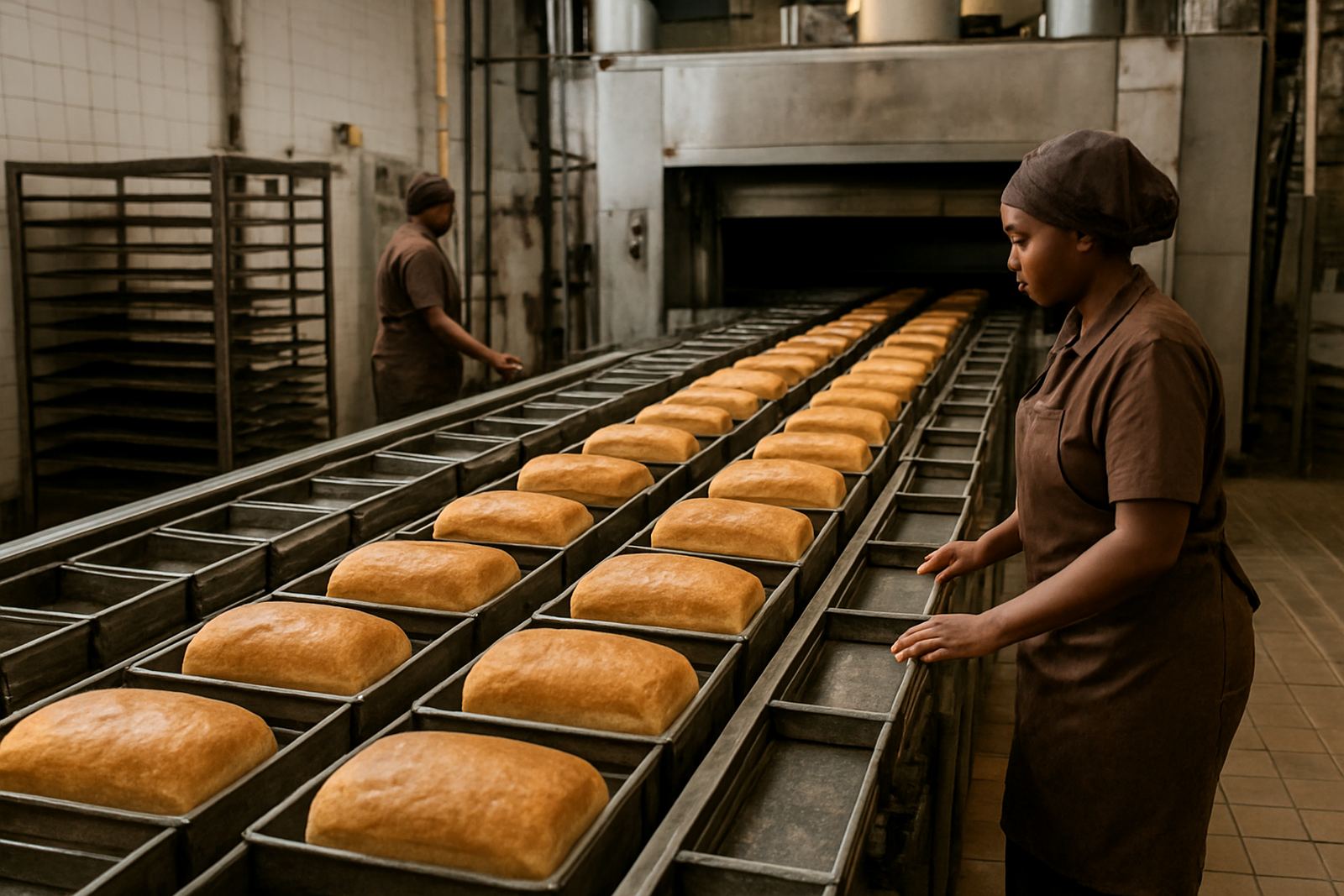
Retail bakeries need bakeware that holds shape under repeated heating and cooling. Thin pans may be cheaper at the start, but they often warp and start giving uneven loaves or tray bake spread. Heavier steel bakeware costs more upfront, yet it usually lasts better in a store environment where items are handled many times a day.
For sandwich loaves, the pan size and wall finish matter because they affect crumb structure and release. For trays, the edge height and corner strength are important when products are moved fast between prep and the oven. If a store sells pre-packed items, tray dimensions also need to fit the cooling rack and the display workflow. Bakerite can make custom trays for awkward product sizes, and we can help match pans to the existing oven opening so there is no wasted space.
We also look at whether the store is near the coast, because salt air can shorten the life of poorly cared-for steel. A regular clean, full dry-off and sensible storage goes a long way. Small detail, but it saves money.
Where retail bakeries lose money on bakeware
The biggest losses usually come from bent pans, badly repaired trays and mismatched stock. A store might keep using a pan that is slightly twisted because it still works, but that pan can cause uneven proving and poor release. Staff then add more flour, more grease or longer bake time and the cycle gets worse.
We also see a lot of trays pushed beyond their useful life because the bakery team is under pressure and repairs keep being postponed. Straightening, rim repair and weld repair are often cheaper than replacement if the base steel is still sound. Recoating is useful when the tray or pan is still structurally good, but the surface has become hard to clean or is starting to stick.
- Do not stack hot trays straight after baking if they are still wet
- Do not keep using pans with cracked welds or open corners
- Do not mix old and new pans in the same batch if rise and colour must match
- Do schedule fleet assessment before the busy season, not after losses start
Budget ranges for retail bakery operations
Budget depends on volume, size and whether you are buying new equipment or repairing what you already have. A small store bakery might only need a few replacement pans and some tray repairs, while a larger retail chain may need a full fleet assessment and a planned replacement cycle across branches in KwaZulu-Natal or nationally.
As a rough guide, basic bread pans and simple trays can start at a few hundred Rand each, while custom items and heavier steel builds sit higher. Recoating, straightening and rim repairs are usually lower cost than full replacement, and they make sense when the body of the pan is still usable. For a retail site managing monthly budgets, it is often better to spend on targeted repairs and staged replacement than to buy everything at once. A practical plan can keep spend in the low thousands for minor work, or move into larger budgets when a full store refresh is needed. We quote to the actual item list, size and condition, so the bakery knows exactly what is going out.
If the store has multiple ovens or branches, it can help to phase the work so one site stays operational while another set is repaired. That keeps the production side calm, especially during month-end promotions and school holiday spikes.
What Bakerite supplies to retail bakery teams
Bakerite works from Westmead, Pinetown and supplies retail bakery teams through Durban, New Germany, the Upper Highway and wider KwaZulu-Natal, with national supply for bigger groups. We make steel oven floor tiles, bread pans and custom trays for plant bakeries, retailers and hotels, and we handle repair work too. That means one team can buy new pieces and bring worn ones back into service without dealing with separate suppliers.
Our service list is practical and specific to the way bakeware fails in daily use. If a tray has a twisted frame, a damaged rim or a lid that no longer fits properly, we can assess it and advise whether repair or replacement makes more sense. For stores with fleet issues, we can assess the lot and help separate quick fixes from items that should be retired.
- Pan recoating and tray recoating
- Pan straightening and corner repairs
- Rim repairs, lid repairs and weld repairs
- Fleet assessment and deep cleaning
- Spare lids and custom fabrication support