What training bakeries need from bakeware
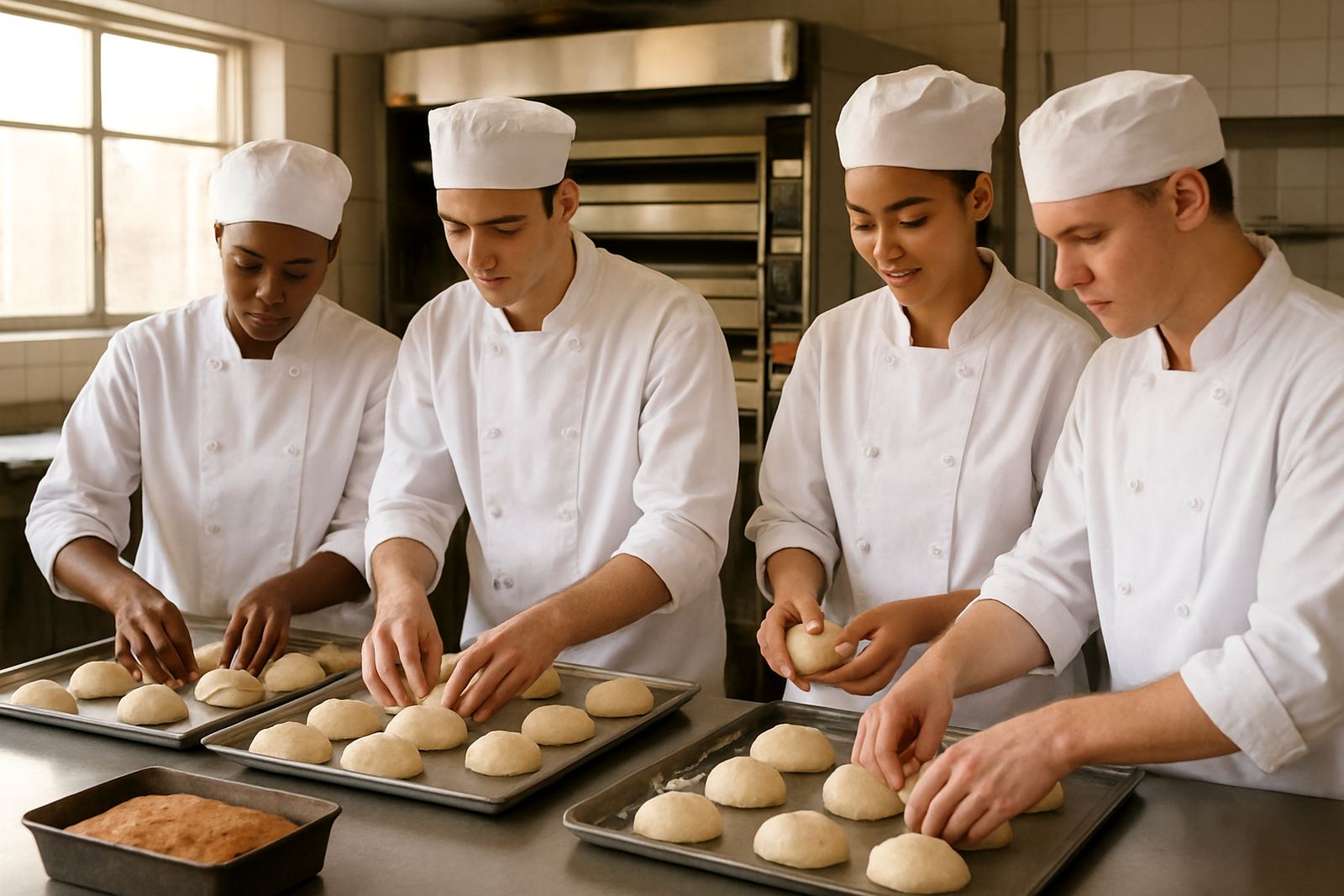
A bakery school is not the same as a retail production line. Learners drop pans, scrape tray edges on racks and often bake smaller batches while they are still learning timing and oven control. That means the bakeware must be simple, heavy enough to hold shape and easy to replace when a class is rough on it.
For training sites in Durban, Pinetown, Pietermaritzburg and inland centres, we usually see a mix of standard bread pans, flat trays, loaf tins and oven floor tiles. The aim is to keep the equipment practical so instructors can focus on technique rather than constant repairs.
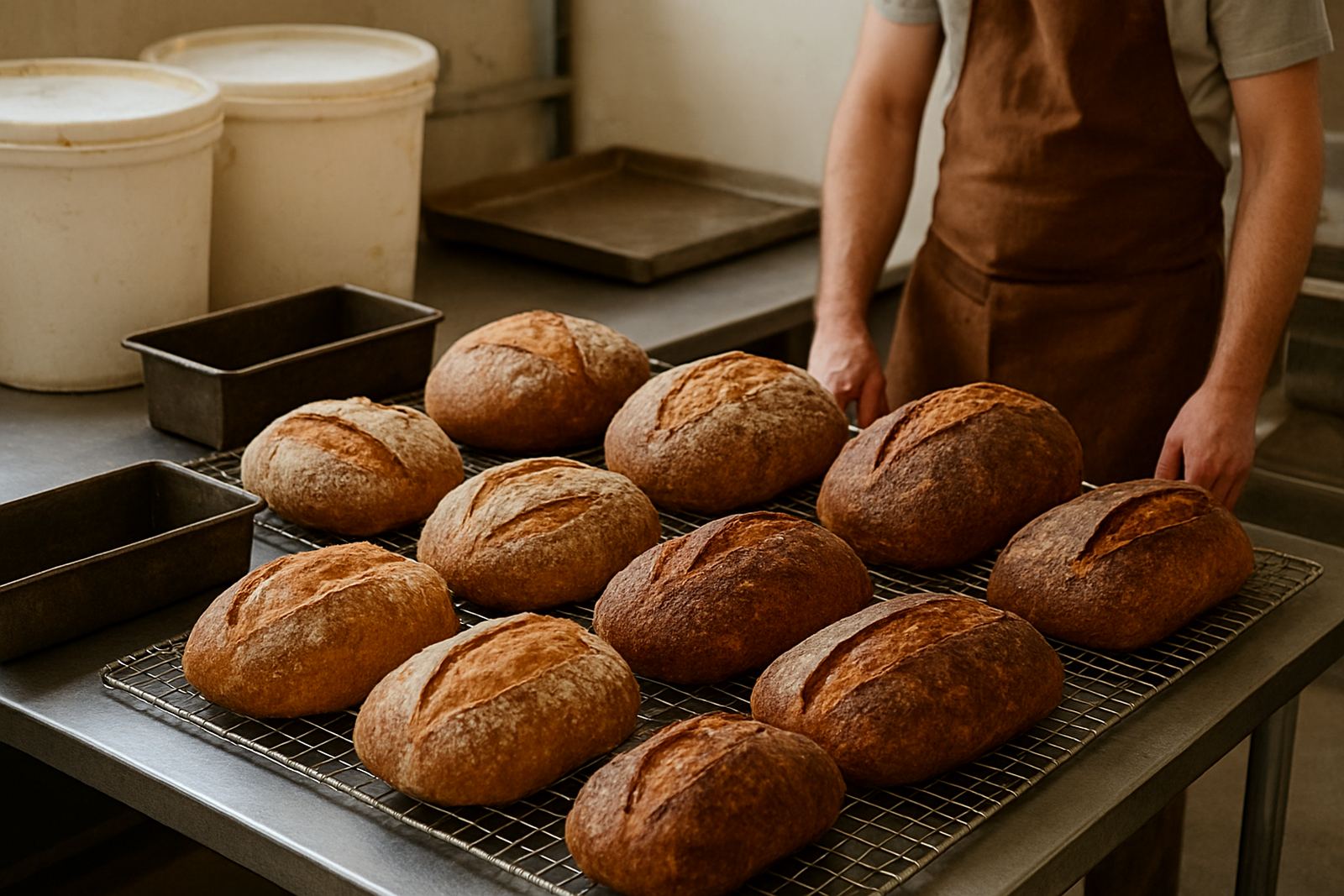
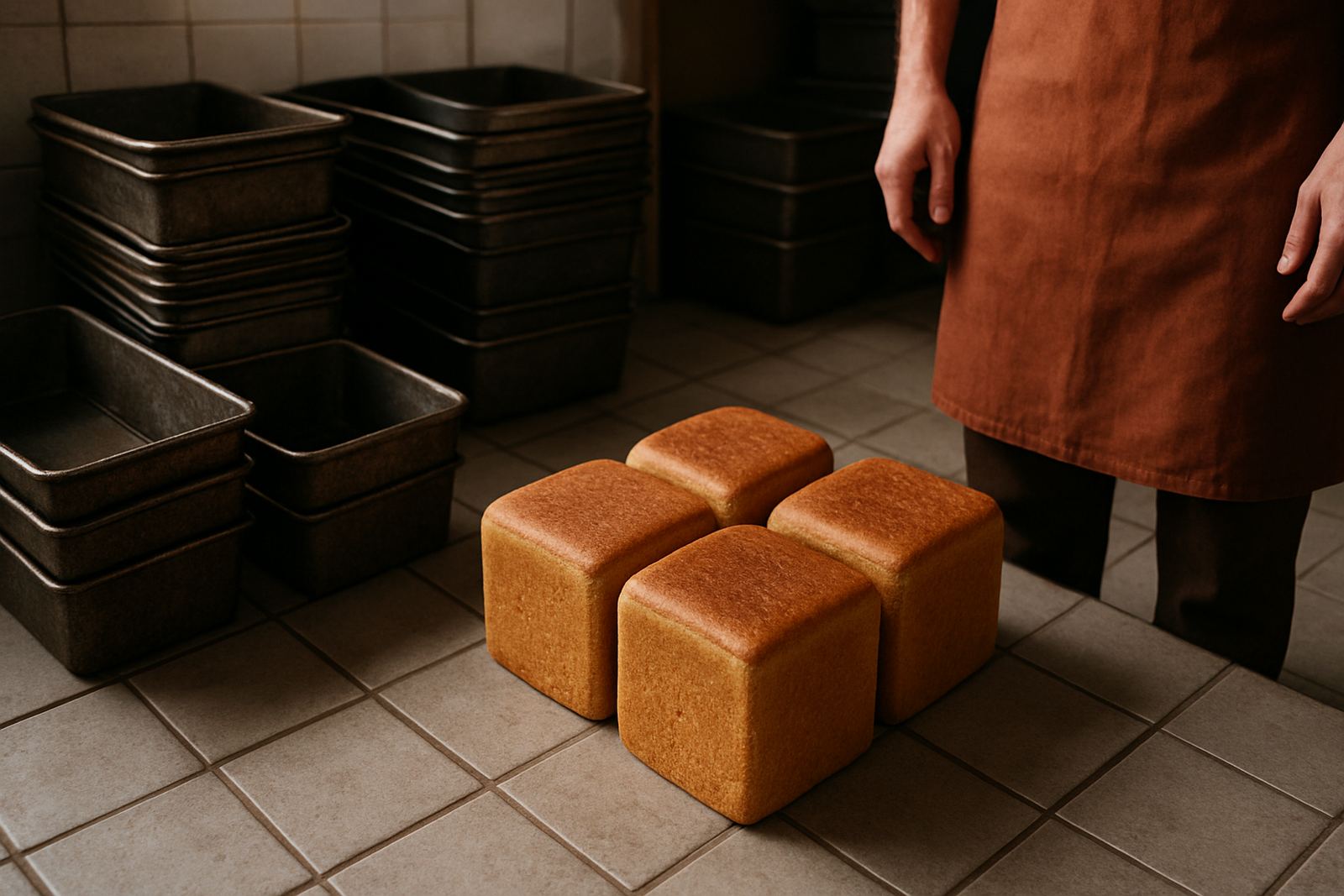
- Steel bread pans for loaf work and sandwich loaves
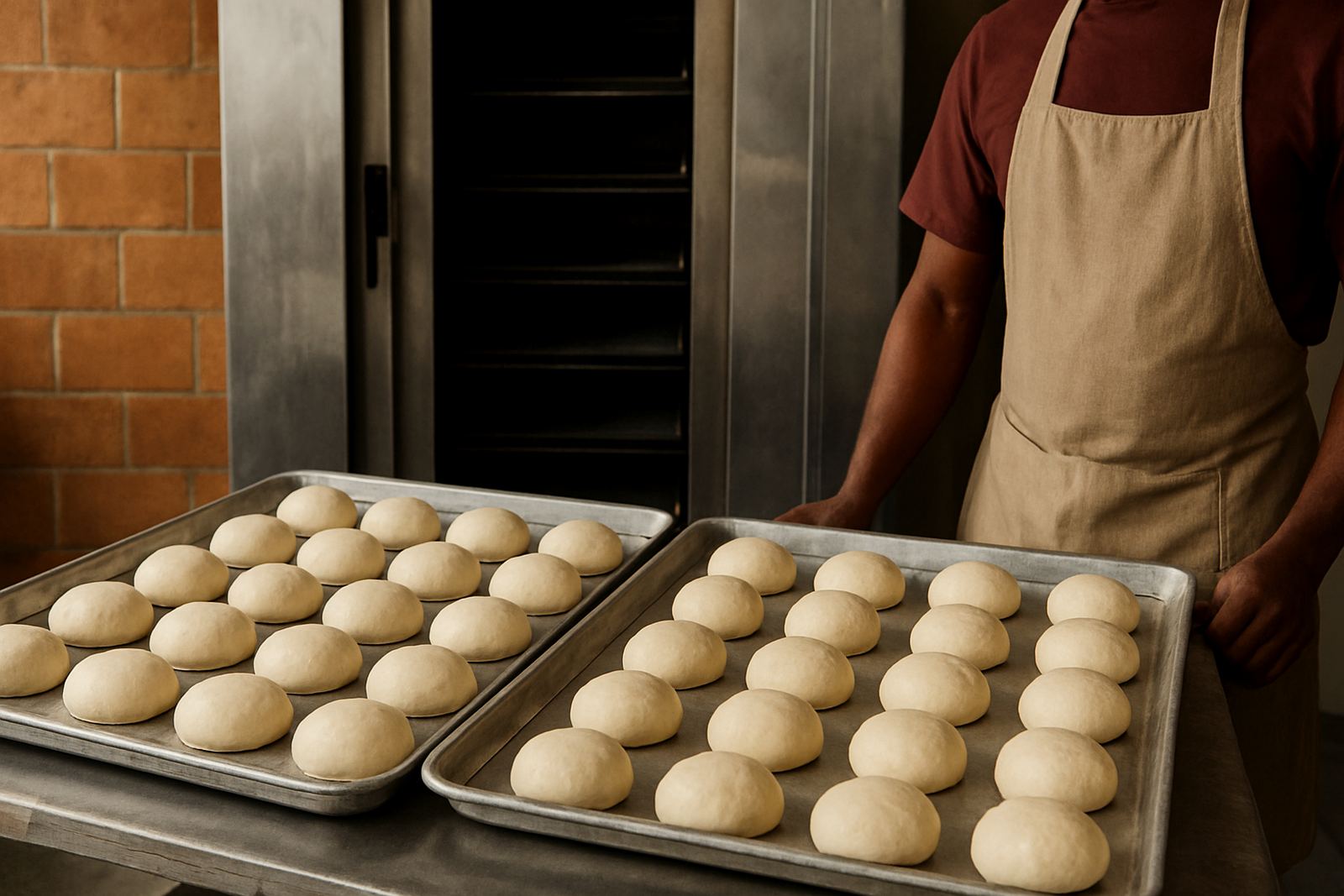
- Custom trays for buns, rolls and sheet products
- Oven floor tiles for deck ovens and plant training rooms
- Spare lids where covered baking or proofing work is taught
Layout and planning for a teaching bakery
A good training room starts with clear movement. Learners should be able to move from mixing to dividing, shaping, proving and baking without crossing each other too much. If the ovens sit too close to the prep tables, you get congestion and burnt hands. If the racks are too far away, product cools and the lesson slows down.
We normally advise schools to map the room by batch size first, then by oven size. A small class of eight to twelve learners may only need a few trays per station, while a larger skills programme may need enough bakeware for two full shifts. In Westmead and New Germany, where space is often tight, wall storage and labelled rack positions help a lot.
- Keep a straight flow from prep benches to proving area to oven
- Allow enough aisle width for trays on racks and learner movement
- Store spare pans and tiles close to the teaching oven, but not in the heat path
- Mark equipment by batch or class group to reduce mix-ups
Typical equipment sets for bakery schools
Most training bakeries do not need complicated equipment. They need enough pieces to let every learner practise the full process, and enough spares to keep lessons going when something bends or gets dropped. For bread training, the common set is a group of steel pans in repeatable sizes, a number of matching trays and a few floor tiles for deck ovens.
For facilities teaching hotel bread, retail loaves or plant bakery basics, we often suggest a starter set that can be expanded later. A school in KZN may begin with a modest order and add more pieces once enrolment grows. That keeps spend under control and avoids equipment standing idle.
- Steel loaf pans in standard lengths for daily class use
- Tray sets for rolls, buns and laminated items
- Floor tiles for oven bases that need even heat and easy swap-out
- Special sizes for test recipes, assessment days and supplier demos
Common mistakes in training kitchens
The biggest mistake is buying bakeware that is too light for repeated use. Thin trays may be fine for a short course, but they twist when learners load them unevenly. Another common issue is choosing sizes that do not match the ovens on site. If a tray hangs over the shelf by even a little, it slows the class and causes spills.
We also see schools underestimate the need for spares. In a teaching space, someone will bend a rim, dent a corner or misplace a lid. If the programme stops while a repair is arranged, that affects every lesson after it. Good planning means holding backup pieces and using recoating or straightening before an item fails completely.
Another mistake is ignoring cleaning and storage. Coastal humidity in Durban and the Upper Highway can make neglected steel look tired quickly, so drying and stacking matter. A quick wipe down after class and proper racking saves money over time and keeps the site tidy.
Repair and maintenance during the course
Training sites work well when they have a repair plan, not only a purchase plan. Bakerite handles pan recoating, tray recoating, pan straightening, corner repairs, rim repairs, lid repairs and weld repairs. That means a school can keep older pieces in service instead of replacing everything at once.
For long-running skills centres, a fleet assessment is useful. We check what still has life left, what needs recoating and what should be retired. In many cases, a deep clean and a few straightening repairs can bring a class set back into use for another term. That is usually more practical than buying a full new set every time damage appears.
- Inspect pans weekly for warping, loose seams and sharp edges
- Keep a separate box for damaged items so they do not return to class by mistake
- Recoat before rust gets deep into the surface
- Replace missing or damaged lids early, not after repeated leakage
Budget ranges for schools and skills centres
Budget depends on class size, oven type and how much custom work is needed. A small starter set for a local training room may begin at around R15 000 to R35 000, especially where the site only needs a few trays, pans and some spare pieces. A mid-size programme with more stations and mixed product lines can sit in the R40 000 to R90 000 range.
For a larger bakery school, hotel training kitchen or plant bakery learning facility, the spend can move beyond R100 000 when there are many sizes, custom trays and oven tiles to be fitted across several ovens. It is usually better to phase the order, starting with the main teaching line and adding extras once the intake is confirmed.
Schools with older equipment often save money by repairing what can still work. A tray recoating job is far less costly than replacing a whole rack set, and a straightened pan can stay in class use for many more months if it is looked after.
Supplying training bakeries from Westmead, Pinetown
Bakerite has been making industrial bakeware since 1997 from Hillclimb Road, Westmead, Pinetown, and we continue to support training bakeries across KwaZulu-Natal and further afield. Because training sites often need repeat orders and specific sizes, it helps to work with a supplier that understands both daily classroom use and the way learners handle equipment.
If your site is in Durban, New Germany, the Upper Highway or another part of the province, we can help plan a practical set around your ovens and class numbers. For plant bakeries that run internal training, we also supply equipment that can move between teaching use and production use without creating extra admin.
Call sales@bakerite.co.za when you need new bakeware, repairs or a check on what your current set can still do. A good training bakery does not need fancy kit, it needs gear that keeps its shape and keeps the class moving.