General-purpose pans for busy bake rooms
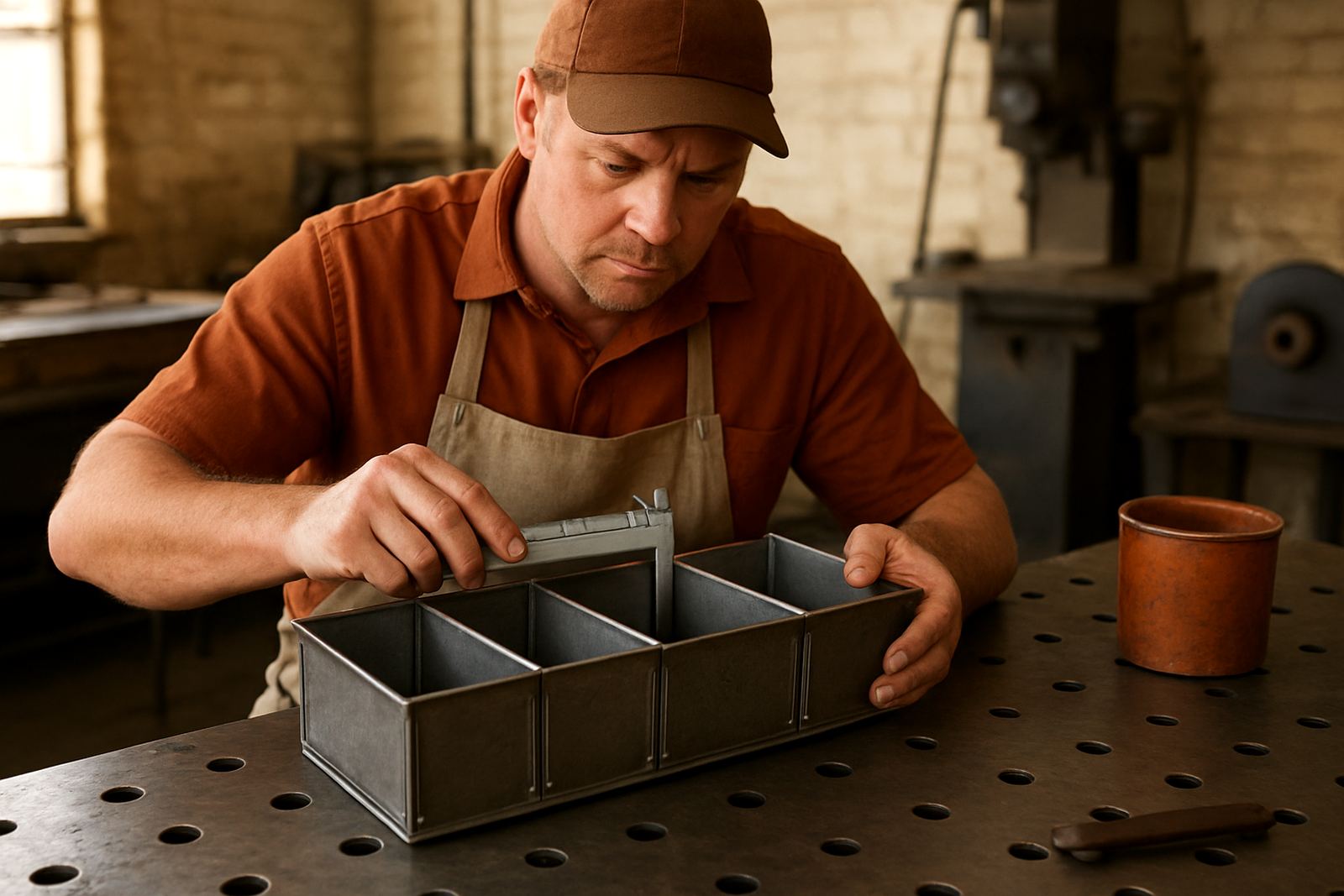
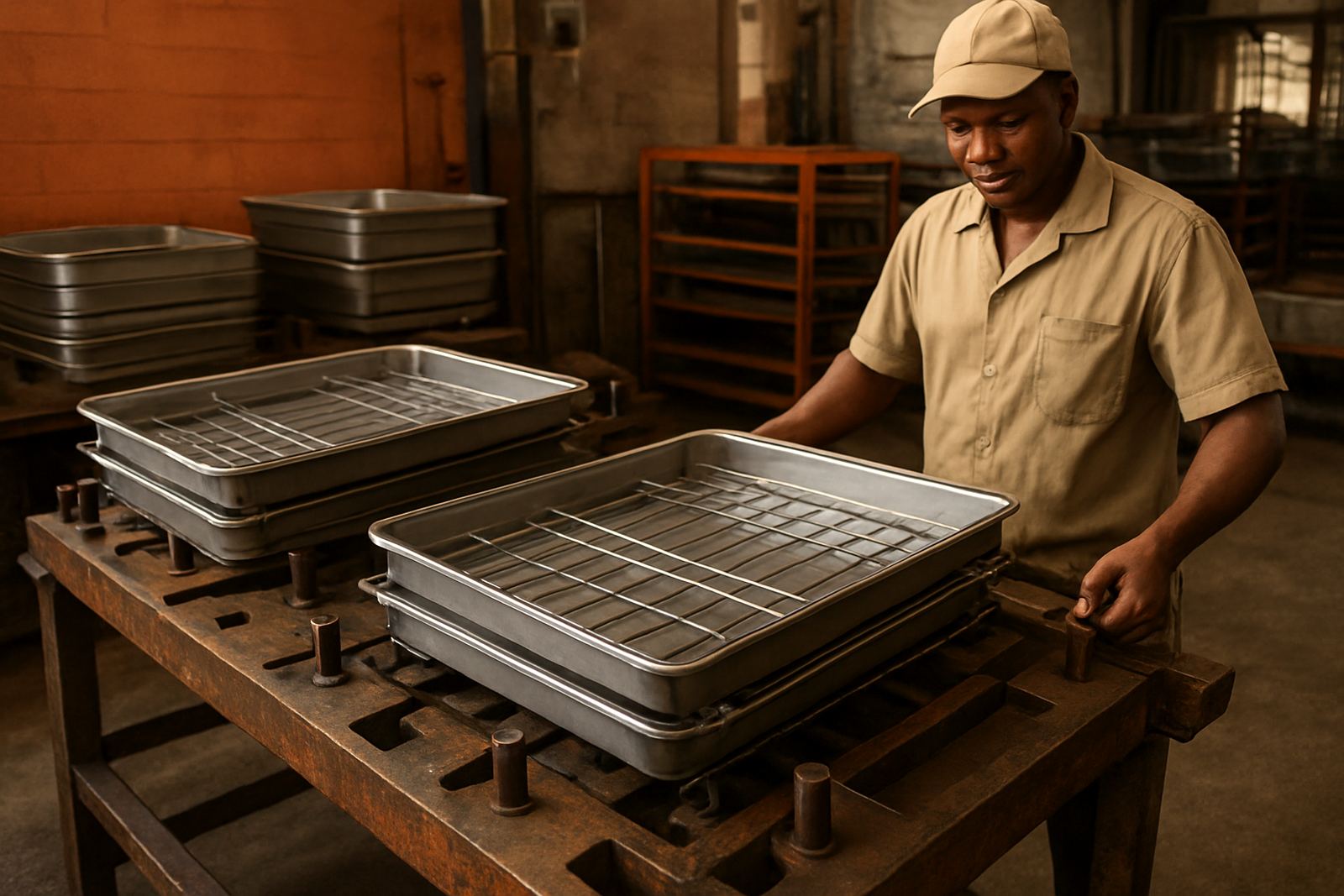
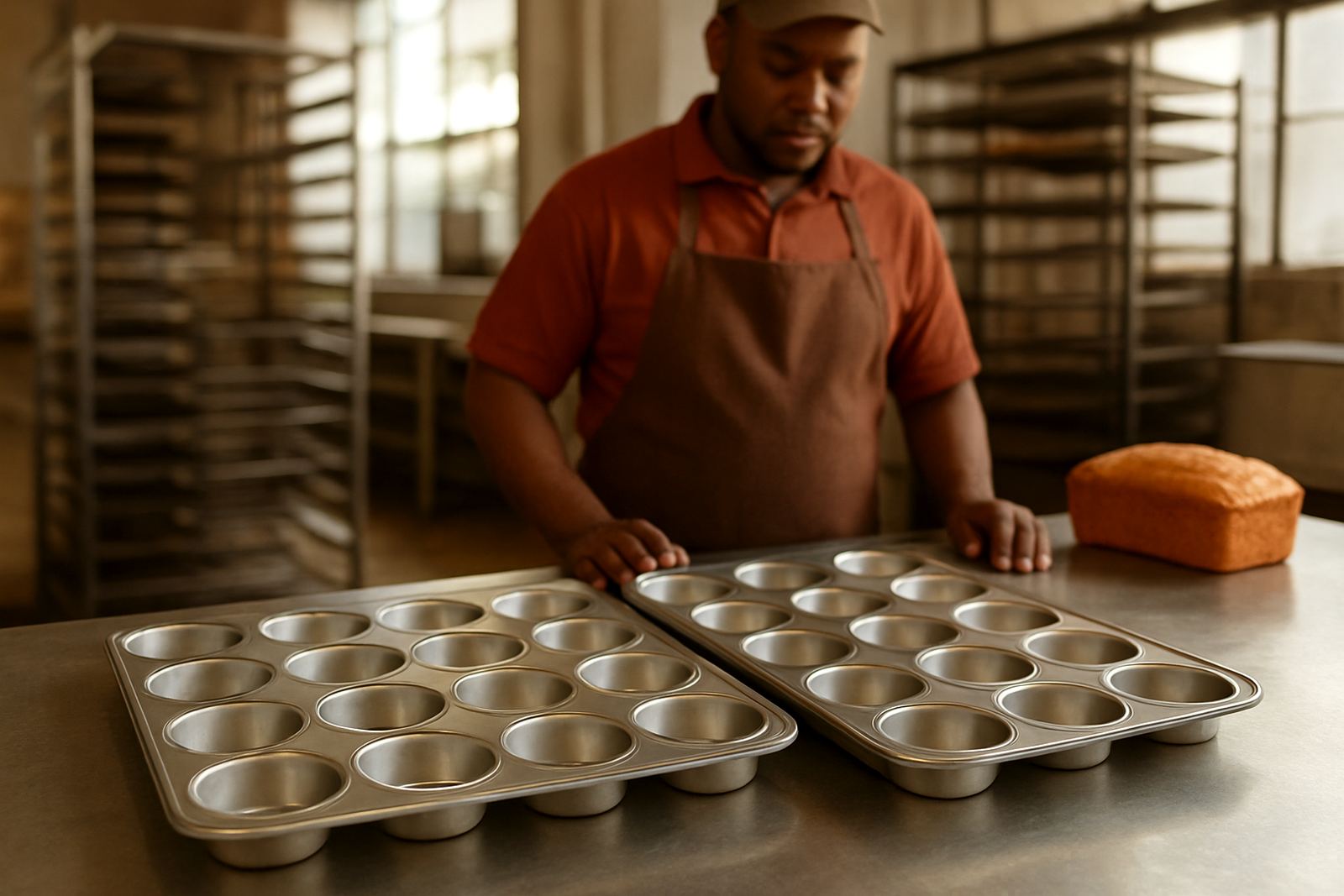
Sheet pans are the workhorse trays used for a wide range of baked goods, from pastry and buns to slices, seed loaves, quiches and savoury trays. At Bakerite, we make steel sheet pans for operations that need consistent tray size, good heat transfer and the kind of handling that stands up to daily use in busy bake rooms. The pans are formed for regular oven loading and repeat production, so the tray sits properly on racks, slides well on peel boards and keeps its shape through repeated heating and cooling.
These pans are suited to plant bakeries, in-store bakeries, hotel kitchens and food production sites that need trays for direct bake or lined bake work. They can be used with parchment, silicone liners or light oiling depending on the product. In many cases the same tray line can handle a morning run of buns and later a batch of savoury items, which helps when production changes through the day.
Sizes, steel thickness and finish options
Sheet pans are made in standard tray sizes and can also be built to suit your oven deck, rack spacing or production method. We supply plain flat trays and formed-edge trays with different lip depths, depending on how the tray will be handled. The steel gauge is selected for the load, the oven temperature and how often the pans are moved while hot. For higher-volume use, a heavier gauge helps reduce flex and keeps the base flatter over time.
Typical options include narrow, medium and full-size bakery trays, plus custom lengths and widths for special racks or automated lines. Edge height can be set for light pastry work or for products that need a little more tray containment. Finish can also be matched to the application, for example a clean bare steel surface for direct bake use or a coated finish where product release and cleaning are important.
- Standard and custom lengths available
- Plain or formed rim styles
- Different steel thicknesses for light or heavy duty use
- Matched to rack, oven and divider spacing
Where sheet pans work best
These pans are best where the bakery needs one tray type to do many jobs. Pastry shops use them for sweet and savoury pastries, while wholesale bakeries use them for buns, slices, scones and baked toppings. Hotels and catered kitchens often need tray sizes that move from prep to oven to display with as little handling as possible. In the coastal parts of KZN, many buyers also look for trays that can be cleaned and dried quickly, because humidity can make poorly cared-for steel mark up faster.
Sheet pans are also useful in operations that must plan around load-shedding. If the oven cycle is interrupted, trays that stay flat and handle repeated loading make restart easier, especially where batches are small and production has to be kept moving. The same applies in plants that run both gas and electric ovens, where tray weight and heat response can affect bake times and colour.
- Plant bakeries with daily batch runs
- Retail bakeries and supermarket back rooms
- Hotels, kitchens and catering units
- Products that need direct bake, lining or light greasing
Oven fit, handling and power or gas needs
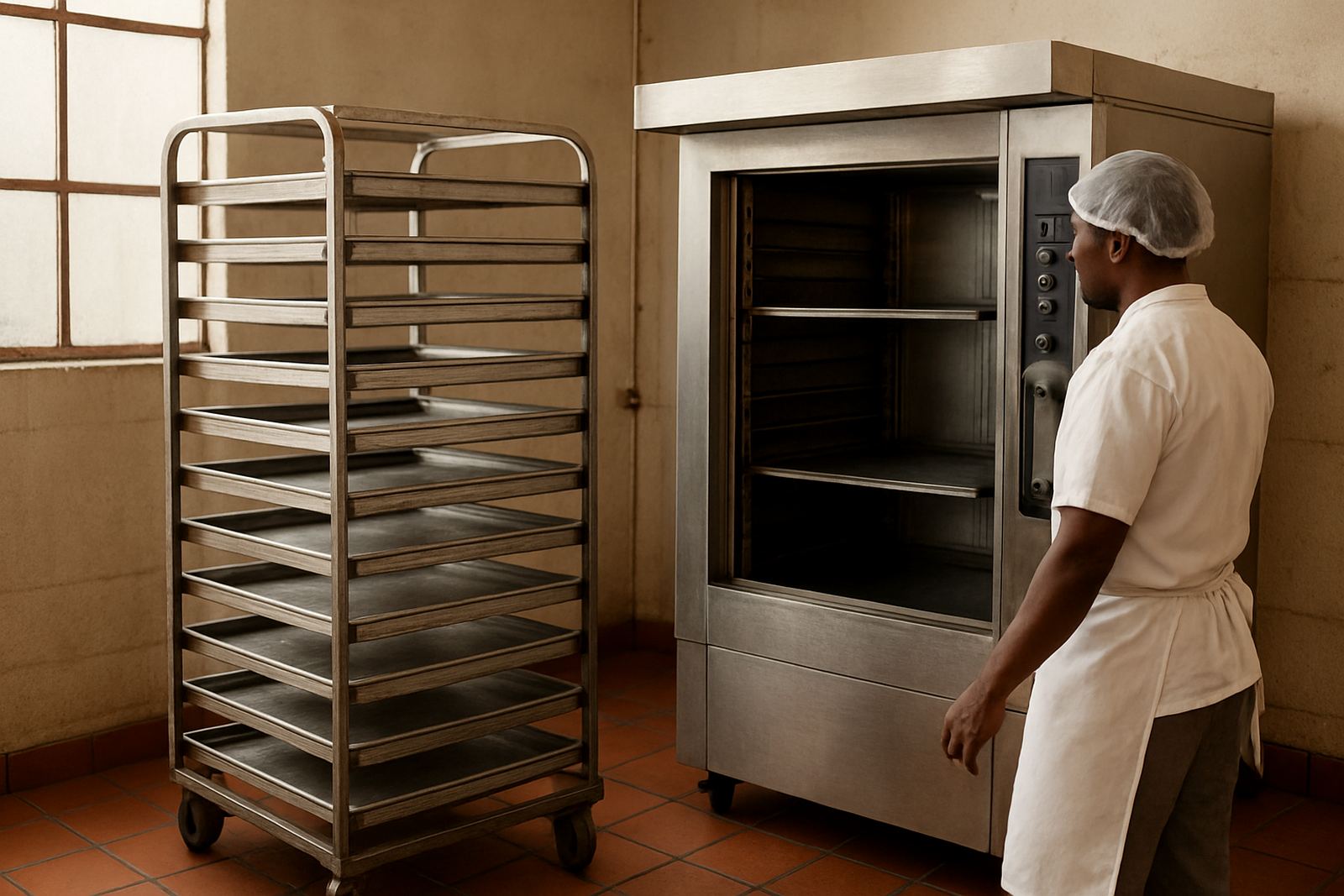
Sheet pans do not need any special installation, but they do need to suit the oven and the way the bakery works. The main checks are rack width, shelf spacing, oven deck size and whether pans are loaded by hand, trolley or conveyor. A tray that is too wide wastes time and can catch on runners. A tray that is too thin may distort if it is repeatedly moved while loaded and hot. For that reason, we ask clients to measure the internal clear opening, the usable rack depth and the space needed for safe handling with mitts or tongs.
There is no separate power or gas requirement for the tray itself, but the product being baked will respond to the oven type. Gas ovens can brown differently from electric units and forced-air ovens can dry the surface faster. If you are ordering for a mixed-site operation, it helps to note the oven type at each branch so the tray spec can be matched properly.
- Measure oven deck, rack and trolley clearances
- Confirm loading method and tray handling points
- Tell us if the oven is gas, electric or mixed
- Check whether pans must fit existing dividers or guides
Care, cleaning and tray life
Good tray care makes a real difference to service life. After use, pans should be allowed to cool properly, then cleaned to remove flour, sugar, fat and salt residue. Where product is baked directly on the tray, it helps to keep a regular cleaning routine so build-up does not affect release or heat transfer. Harsh scrubbing can damage finishes and bend thinner trays, so the cleaning method should suit the steel grade and the coating if there is one.
In humid areas or where trays are stored near wash bays, drying matters. Stacking trays while damp can cause staining or spotting, and it can lead to sticking at the next bake. If a tray starts to bow, twist or wear on the rim, it may still be repairable depending on the condition. Bakerite also assists with tray recoating, deep cleaning, corner repairs, rim repairs and weld repairs where the tray body is still worth saving.
What to check before placing an order
Before ordering sheet pans, it helps to have the tray use, oven type and product list in front of you. Small differences in size or edge height can affect loading speed, bake colour and how much product fits per batch. If you are replacing older trays, send the old dimensions and, if possible, a sample or clear measurements from the worn tray. For new work, tell us the product weight, whether the tray is for direct bake or lined bake, and how many trays you need per day.
We also recommend checking the finish requirement, stack height and whether spare lids or matching covers are needed for your process. Some sites want a tray that is easy to wipe down after use, while others need a heavier tray for repeated high-heat cycles. If the order is for a branch network, it is worth standardising the spec so all sites can swap trays without issues. That saves time later, and less confusion at dispatch.
- Internal tray size and rim style
- Product type and average load weight
- Oven type and rack spacing
- Cleaning method and storage conditions
Key facts
| Product type | General-purpose industrial sheet pans |
|---|---|
| Material | Steel bakeware |
| Typical use | Pastry, buns, slices, savoury bakes |
| Size options | Standard and custom sizes to suit ovens and racks |
| Finish options | Plain, formed-edge and application-matched finishes |
| Service support | Recoating, straightening, repairs and deep cleaning |