Start with the loaf size your line must hold
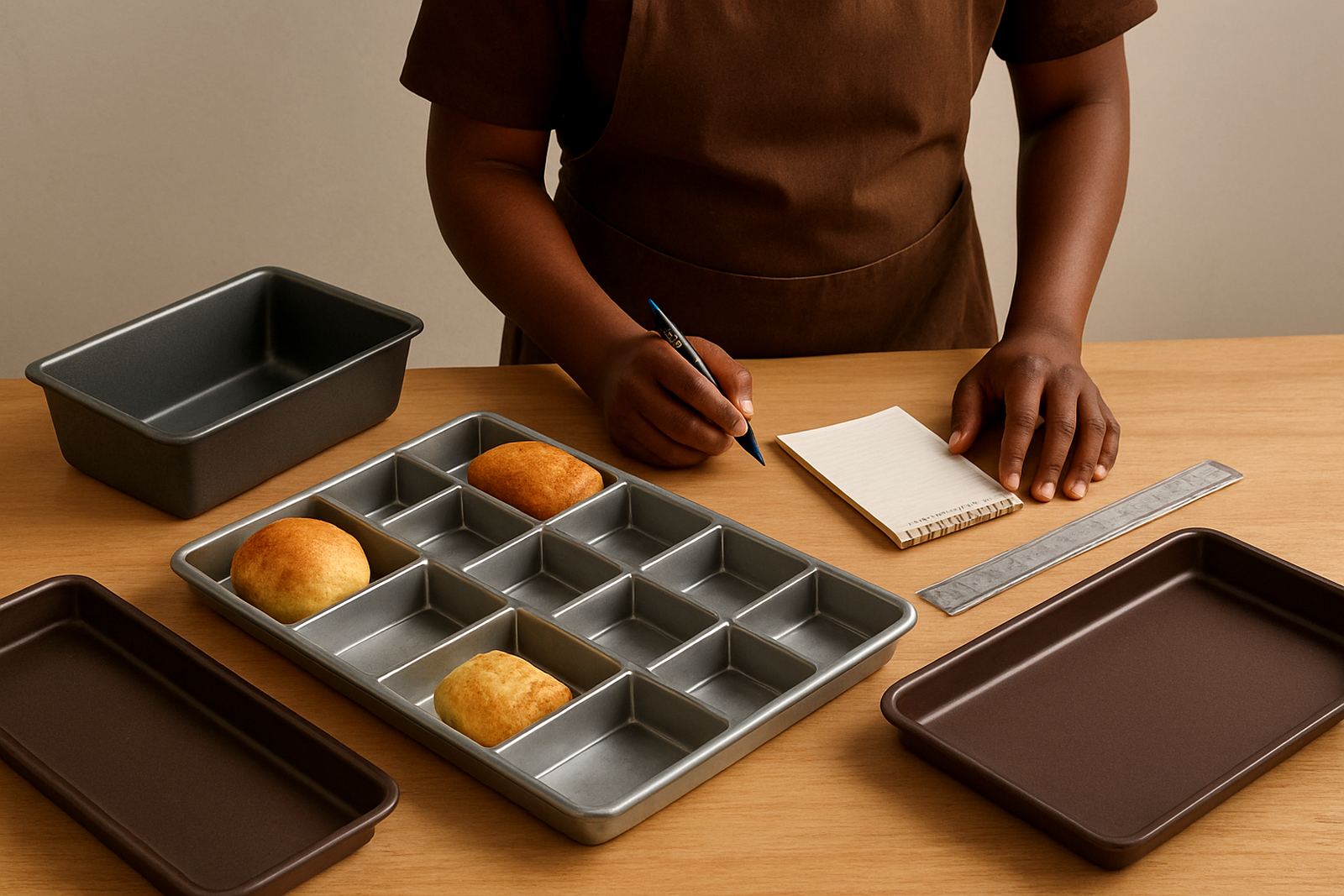
Before you look at steel thickness or link type, write down the loaf you need to produce. Measure the finished loaf length, width and height, then allow for dough rise and the crumb shape your bakery wants. A pan that is too tight gives poor lift and can stick at the sides, while a pan that is too wide makes the loaf spread and waste oven space.
For plant bakeries in Durban, Pinetown and further inland, we normally ask for the target dough weight, proof time and oven tin arrangement. That gives a better match than guessing from an old pan. If your recipes change through the week, choose the largest regular loaf first and check whether the same pan can carry the lighter batches too.
Check the inside size and wall profile
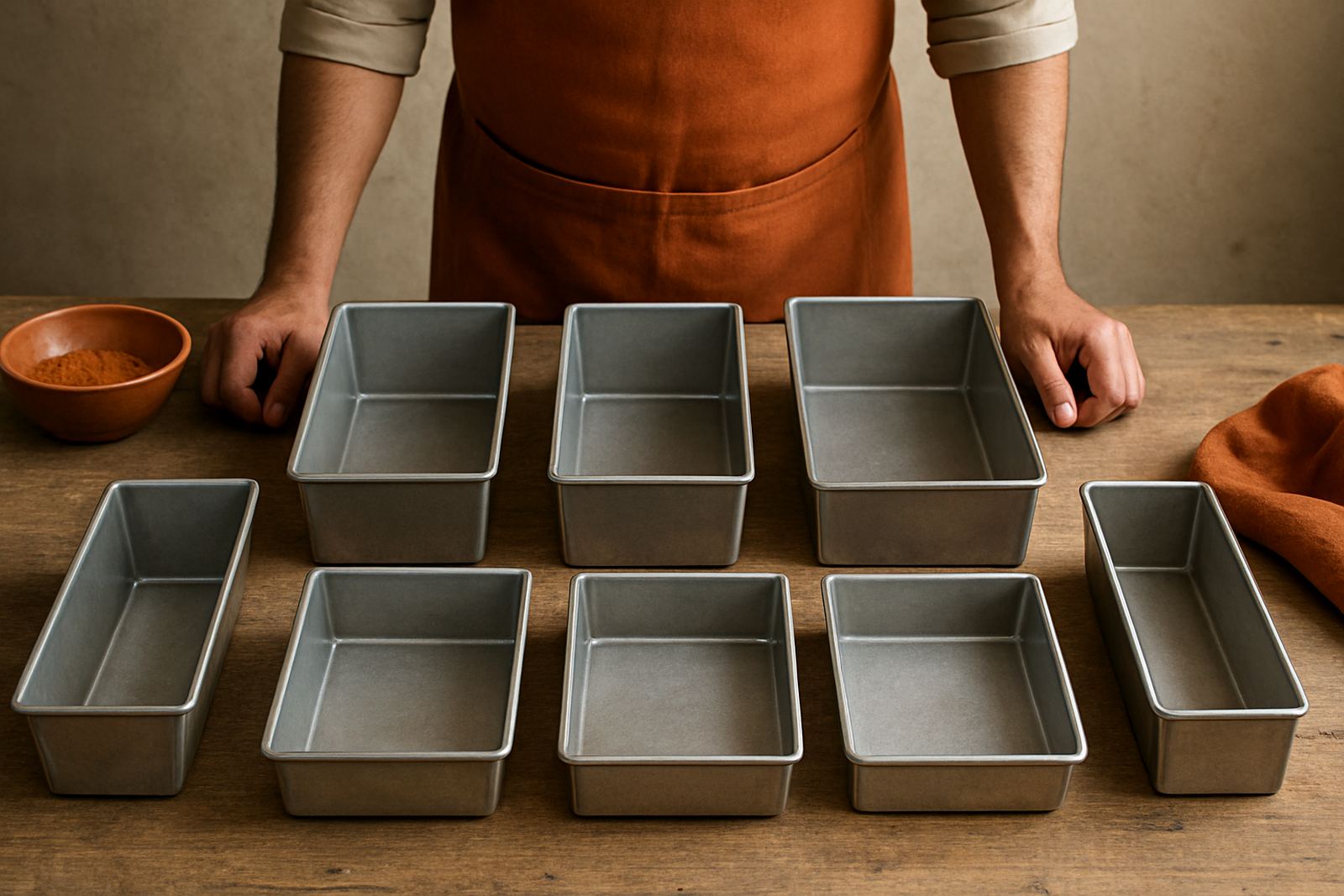
When comparing bread pans, measure the inside length, inside width and inside depth. Do not use the outside size on its own, because the steel thickness changes the usable volume. A few millimetres may sound small, but it can affect dough contact, browning and whether the loaf releases cleanly after baking.
- Measure the clear inside opening, not just the outer frame.
- Check whether the side walls taper or run straight.
- Confirm the base depth from inside floor to top rim.
- Ask how many loaves fit across the oven floor or trolley.
At Bakerite, we also look at how the pan sits during handling. A pan with poor wall shape can twist when hot, which causes sticking and uneven cooling. That is a common issue after long service in humid coastal stores and it is often easier to fix at the spec stage than later.
Choose the link style that suits your plant
Linked pans save handling time because crews can load and unload a full set rather than individual tins. The link style must match your conveyor, trolley or oven floor layout, otherwise the pans snags, shift or scrape. If your team moves pans by hand, keep the set manageable. If the line runs fast, a tight, repeatable link is more important than saving a few grams of steel.
Common points to confirm are the pitch between pans, the way the links sit under heat, and whether the chain or connector can be cleaned properly. Dirty links collect flour, oil and crumbs, and that becomes a hygiene issue during inspections. Ask for a sample set if your bakery is changing from loose tins to linked pans.
Match the pan to the oven and handling method
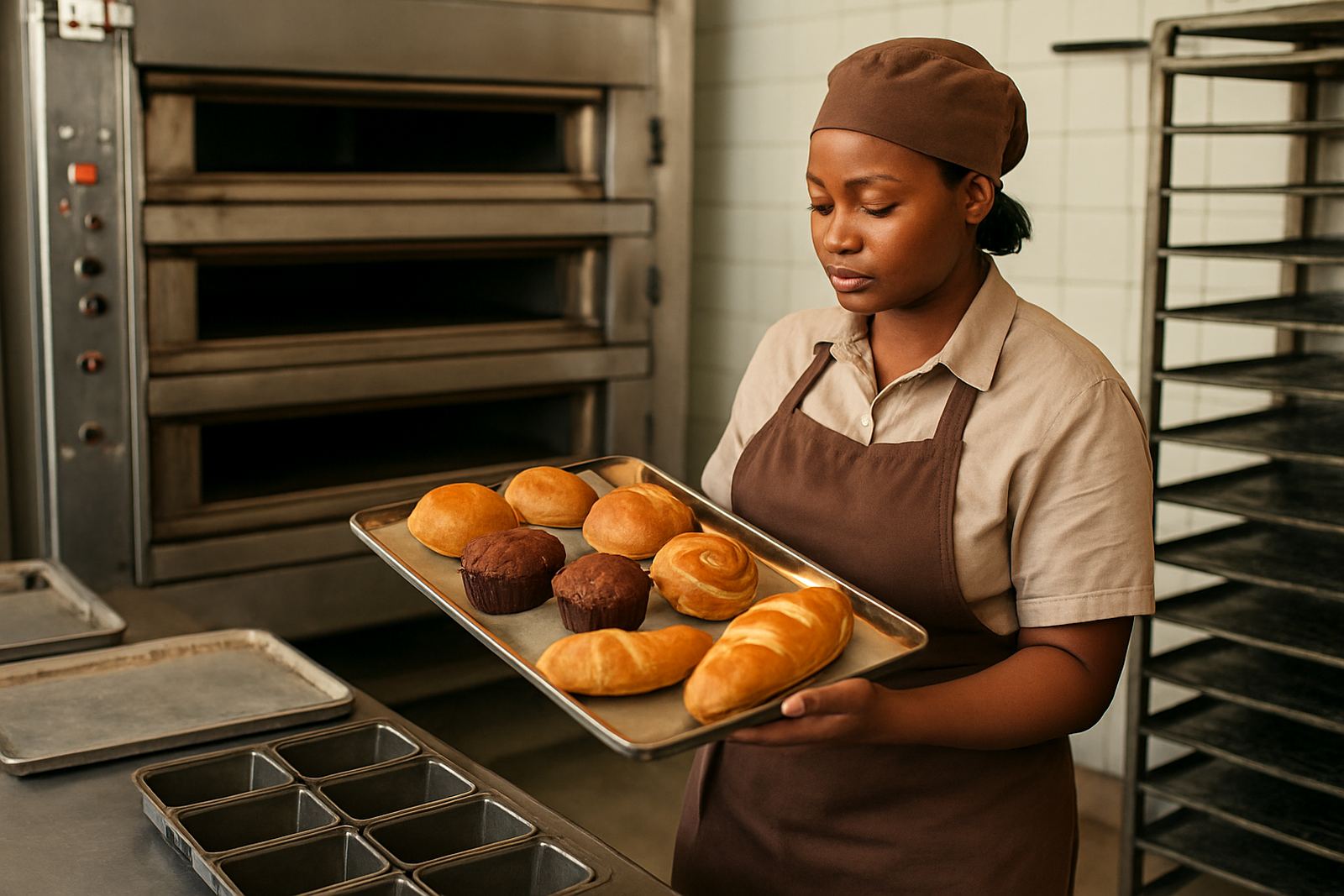
Oven floor tiles, deck ovens and tunnel lines all place different demands on bread pans. If the pan sits directly on a hot surface, the base must be flat and even. If it travels on trays or trolleys, then stackability and corner strength matter more. In plant bakeries with load-shedding back-up systems, pans often get moved between different ovens, so one size may need to work across more than one line.
- Confirm oven floor spacing and entry clearance.
- Check trolley width, shelf pitch and rack height.
- Allow enough room for gloves and lifting tools.
- Make sure the pan can be cleaned without trapping water.
Where steam and coastal humidity are part of daily work, the finish matters as much as the shape. Bare steel can behave differently after washing, while coated or recoated pans need care to keep the surface even and food safe.
Specify steel thickness, finish and repairs up front
Bread pans work hard, especially in bakeries that run early starts, long shifts and repeated wash cycles. Ask what gauge of steel is being used and whether the pan can be straightened or repaired later if it goes out of shape. Thicker steel usually lasts longer under heat, but it also changes weight and heat transfer, so the balance has to suit your operation.
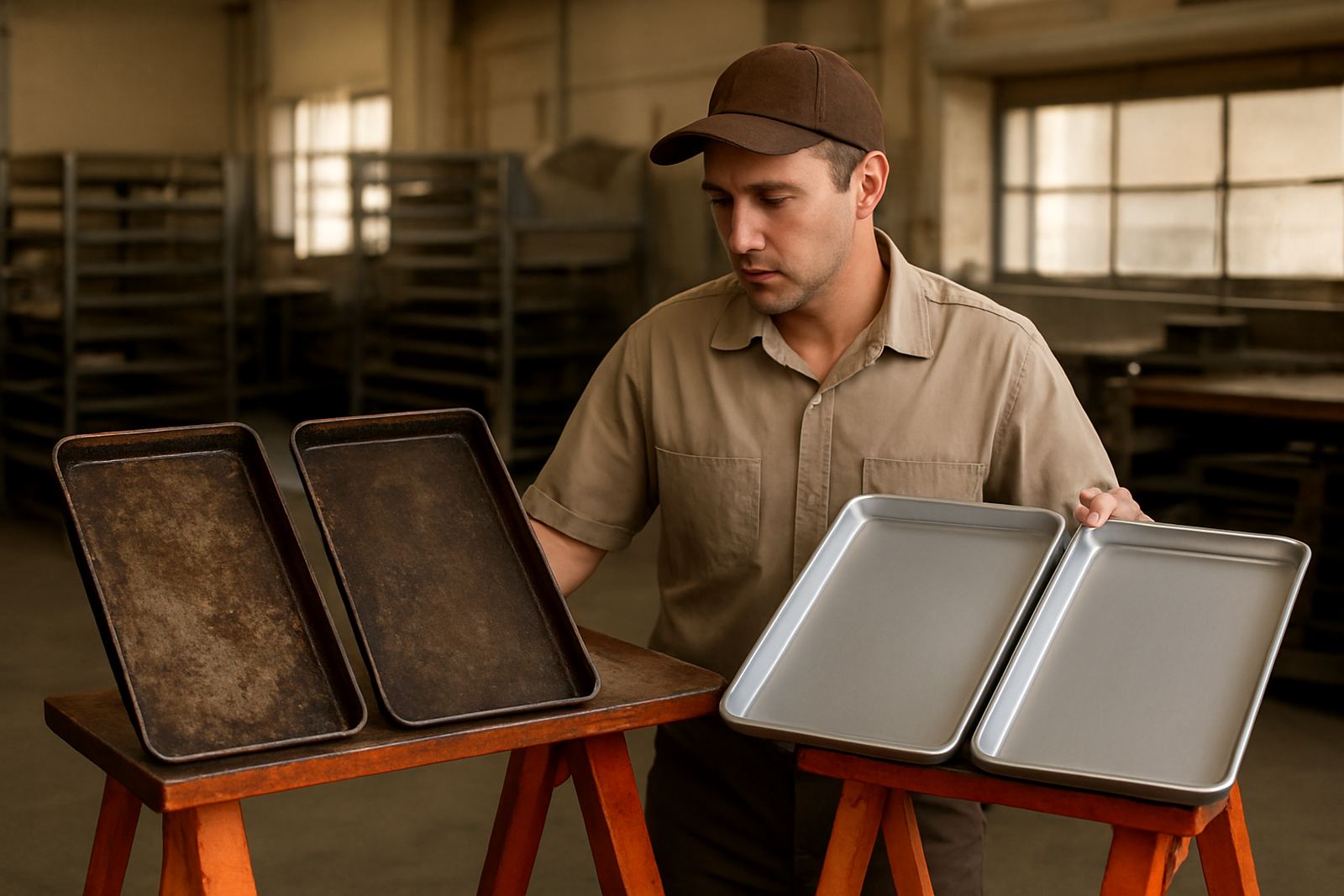
If you already use older pans, inspect them before ordering replacements. Look for rim cracks, bent corners, dented bases and weld fatigue. A pan that is still sound may only need straightening or corner repair, not a full replacement. That saves money and reduces changeover risk on the line.
Use a simple buying checklist before you order
When you are ready to specify bread pans, keep the order clear and practical. The best orders include sizes, quantities, link style and the cleaning method. If you send only a photo, you may get a close match but not the exact fit.
- Finished loaf size or recipe batch weight
- Inside pan measurements in millimetres
- Single pans or linked sets
- Oven type and tray or floor layout
- Finish required and repair history
- Delivery site and timing, especially for plant shutdowns
For bakeries from Westmead to KwaZulu-Natal branches, timing matters because production windows are tight. A clear spec helps avoid rework, delays and extra freight. It also makes future replacements easier when the first set is worn and you need a like-for-like match.