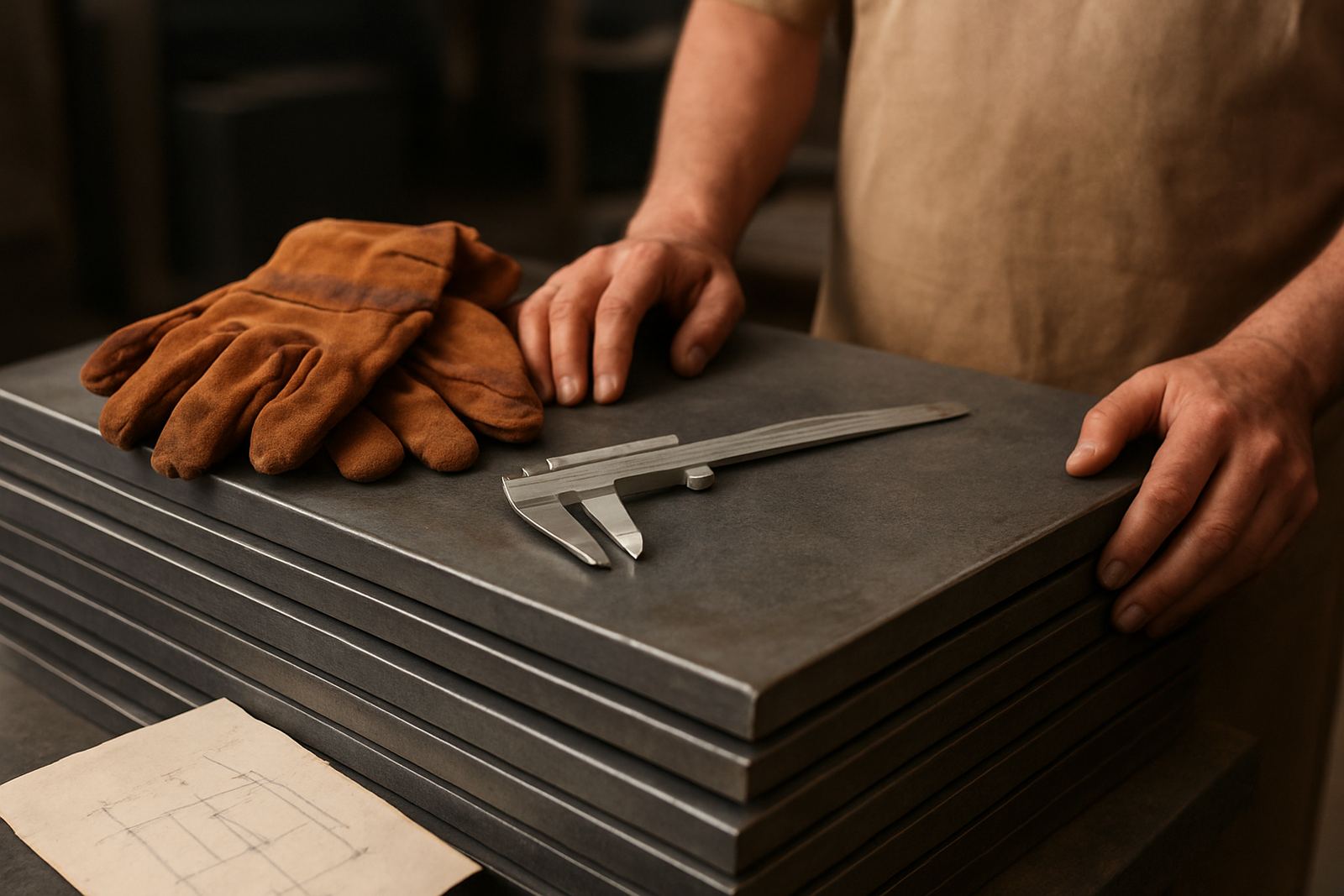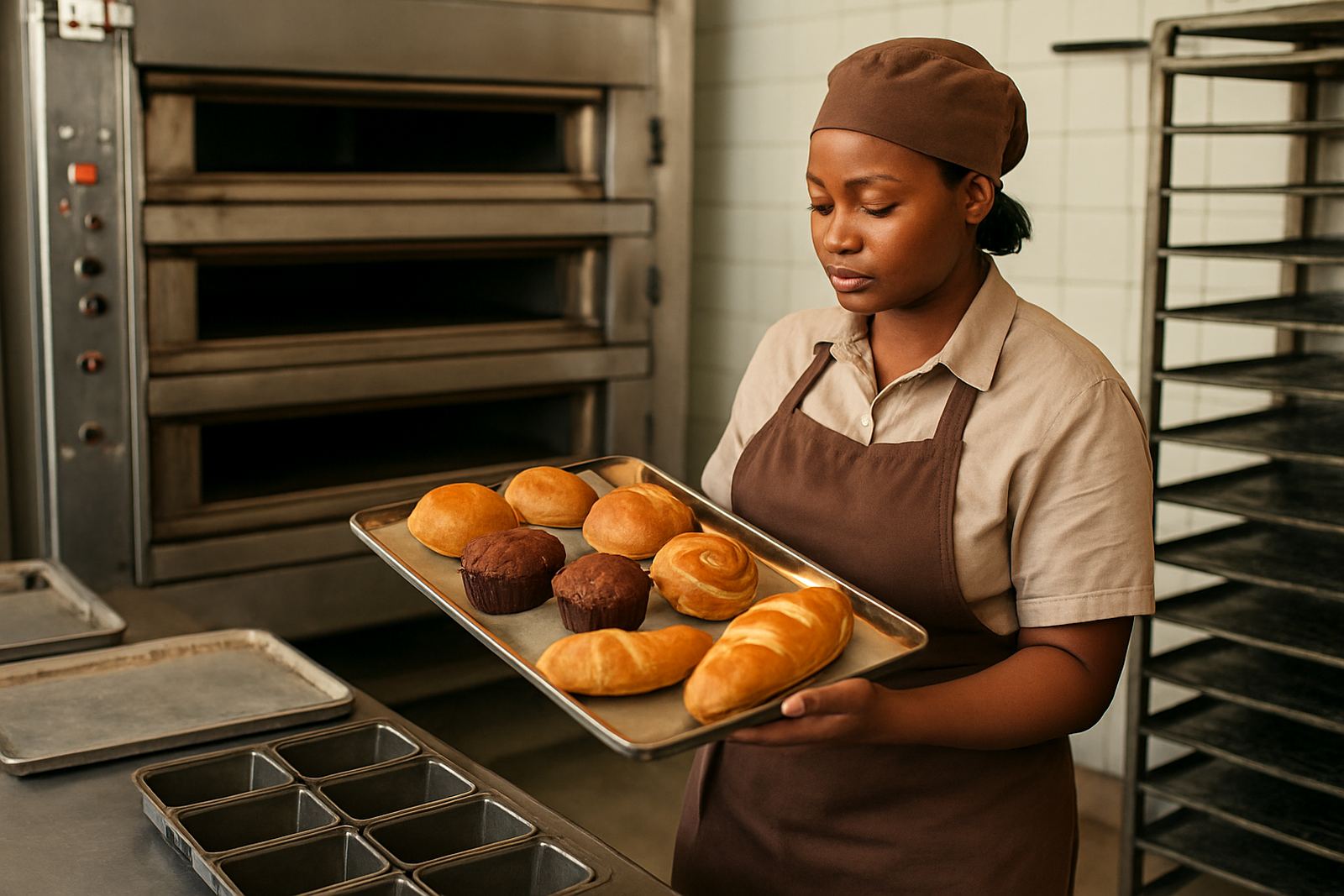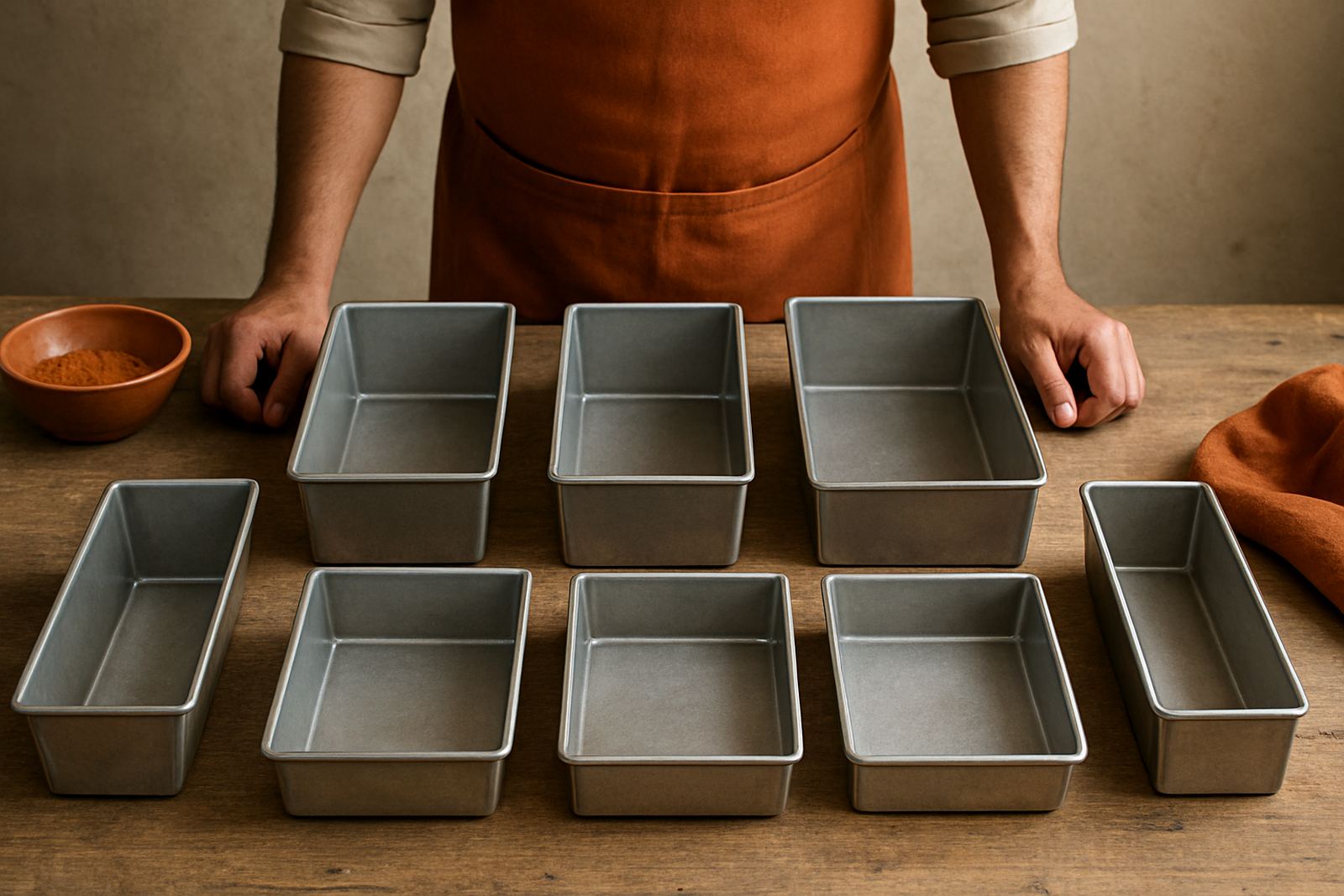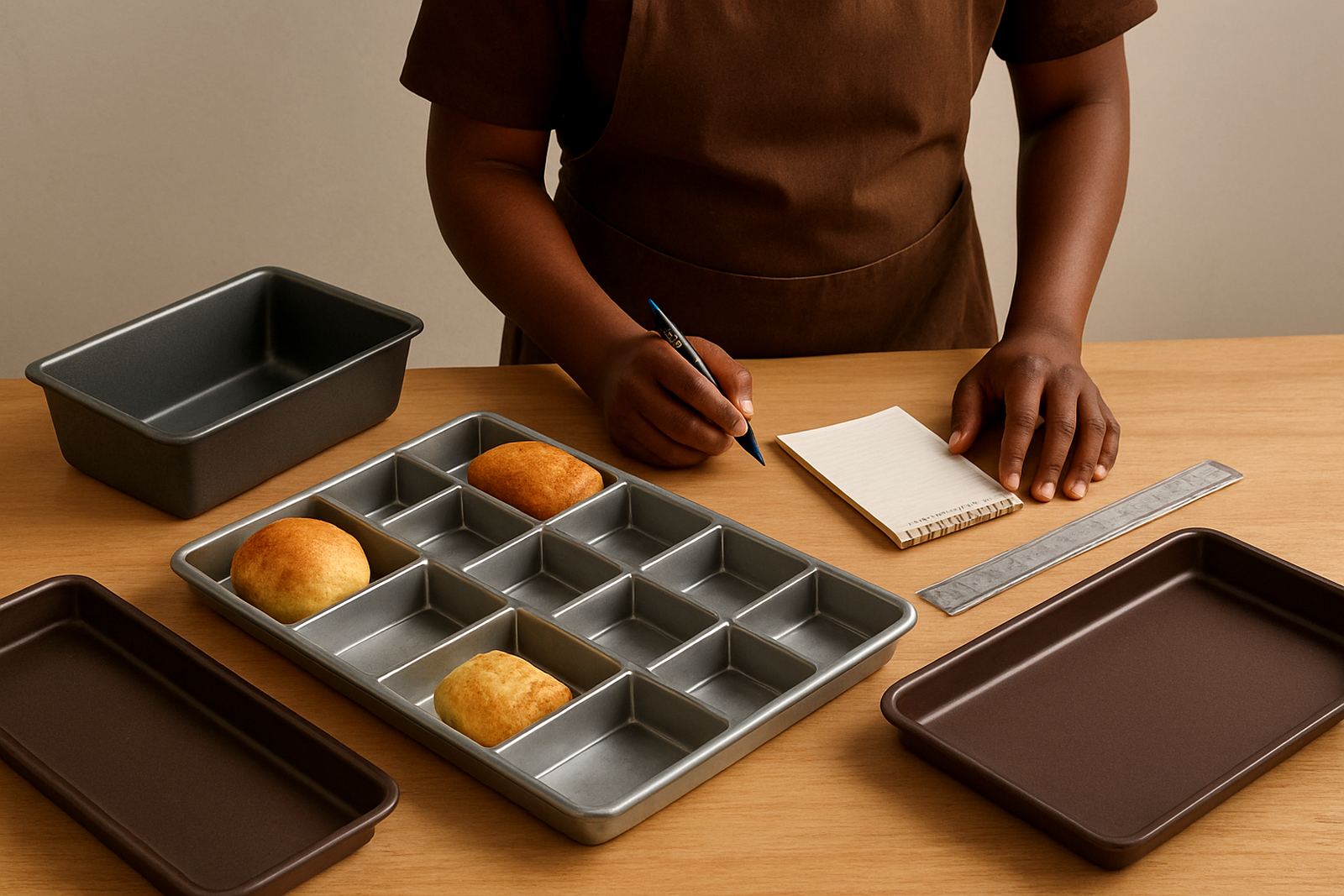
Start with the tray job and where it will run
Before you ask for a quote, write down exactly what the tray must do. A tray for buns, rolls, loaves, biscuits, frozen goods or proofed dough may look similar from a distance, but the load, heat and handling are not the same. If the tray will run through a conveyor oven, be stacked by hand, or used in a trolley system, say so early.
Also note where the trays will be used. Westmead, Durban, Pietermaritzburg and coastal sites often deal with heat, humidity and salt air, while inland plants may have different wear patterns. If the trays will sit in a high-traffic plant bakery with shift work and fast turnarounds, say that too because it affects thickness, edging and the type of strengthening needed.
- Product type and portion size
- Tray handling method, manual or mechanical
- Oven type and operating temperature
- Site location and working conditions
Measure the space the tray must fit into
The most important part of a custom tray order is the fit. Measure the clear internal size where the tray must sit, not the outside size of the trolley or rack. If you have an old tray, measure that too and tell us if it has warped, bent corners or worn edges. Even a few millimetres can cause jamming on guides or poor stacking.
Give measurements in millimetres if possible. Include length, width and depth, plus flange sizes, lip height, radius corners and any cut-outs. If you are not sure which side is the leading edge, mark it on a sketch and send a photo. A quick hand drawing on paper is often enough, just make sure the dimensions are clear and the scale is sensible.
- Overall tray length and width
- Internal depth and wall height
- Flange or rim size
- Corner style, square or rounded
- Any holes, slots or drainage points
Tell us what material and finish you need
Different bakeries ask for different tray builds depending on heat, product release and cleaning routines. If the tray is for heavy duty use, mention whether you want plain steel, coated steel or another specified finish. For bread pans and oven trays, surface condition matters because a rough finish can trap residue and make cleaning harder. A smooth surface may help with release, but it still has to cope with the line speed and the weight of the load.
If the tray will be washed often, exposed to caustic cleaner, or used in a wet wash area, say so. Coastal humidity in places like Durban and Pinetown can speed up wear if the wrong finish is chosen. If your team oils trays between runs, that also changes the spec. The more honest the use case, the better the quotation will be, and the less chance of rework later.
- Material type if already decided
- Preferred finish or coating
- Cleaning method and chemicals used
- Expected life span or replacement cycle
Share the load, weight and production rate
Custom trays fail early when they are built too light for the job. That is why we ask how much product sits on each tray and how often it cycles. Tell us the approximate weight per tray, the number of loaves or items per tray, and whether the tray carries an even load or a concentrated load in the centre. A tray that only carries a small batch still needs proper support if it is handled many times a day.
Also give your production rate. If a line is running on double shifts, the trays need to stand up to more movement, more heat cycles and more cleaning. If the tray is part of a national plant bakery supply chain, it should be designed for repeat use without constant straightening or corner repairs. That saves time and keeps output steady, especially when load-shedding disrupts production schedules.
- Approximate product weight per tray
- Number of items per tray
- Batch size and shift pattern
- Expected tray turnover per day
Send drawings, samples or photos if you have them
You do not need a full engineering pack to ask for a quotation, but any extra reference helps. A photo of the current tray, a sample tray, or a sketch with measurements can prevent confusion. If you want the new tray to match existing racks, trolleys or oven rails, show the contact points clearly. We can work from old parts too, as long as they are still close enough to use as a guide.
If the tray is based on an old design, tell us what must stay the same and what must change. Some customers want a stronger rim, others need a shallower depth or a different spacing pattern. If there is a lid or insert involved, include that as part of the request rather than adding it later. Small changes made at the start cost less than changes made after production has started.
- Clear photos from top and side
- Any old tray or sample part
- Marked-up sketch with measurements
- Notes on what must stay unchanged
Check the quote details before you place the order
Once the quotation comes back, read it carefully and check that the size, quantity and finish match your request. Confirm whether the price is per tray, per batch or per production run. Ask about lead time, collection or delivery, and whether the quote includes changes to the tooling if special forming is needed. If your site needs trays in stages, say so before the order is approved.
It also helps to confirm how the trays will be packed for delivery. Trays stacked badly can arrive bent, even if they were made correctly. If your bakery is in a busy area like New Germany or Upper Highway and you need timed delivery, mention access limits, loading bay rules and receiving hours. That avoids delays and keeps the job moving without extra calls.
- Price basis and quantity
- Lead time and delivery point
- Packing and transport method
- Any special site access rules