Start With What the Kitchen Actually Bakes
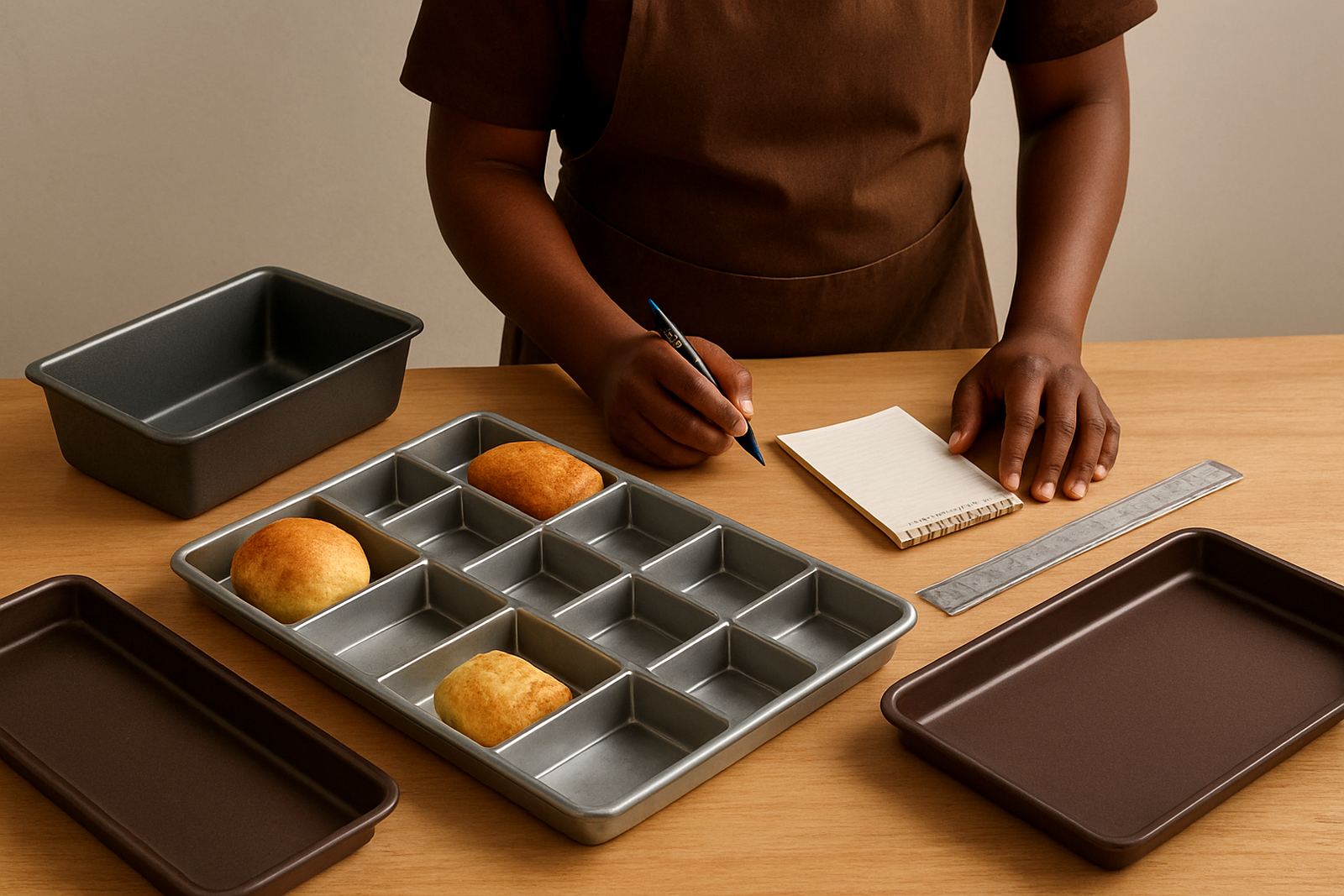
Before you order anything, write down the items that leave the oven every day. A hotel breakfast kitchen may need bread tins, muffin trays, sheet trays for roasting, and deeper pans for savoury bakes or desserts. If the same oven is used for rolls in the morning and plated service at night, the bakeware has to move fast between tasks and hold its shape.
In South African hotel kitchens, the most common mistake is buying one type of tray for all jobs. A flat tray is fine for pastries and toasting, but it is not the same as a formed pan for loaves. If your pastry section is baking close to the coast, you also need material that copes with humidity and daily washing without losing finish too quickly.
- List every product baked in a normal week
- Note the size and weight of each item
- Check whether the tray must fit a trolley, rack or deck oven
- Allow for peak occupancies, conferences and banqueting
Match Tray Size To Oven Space And Handling
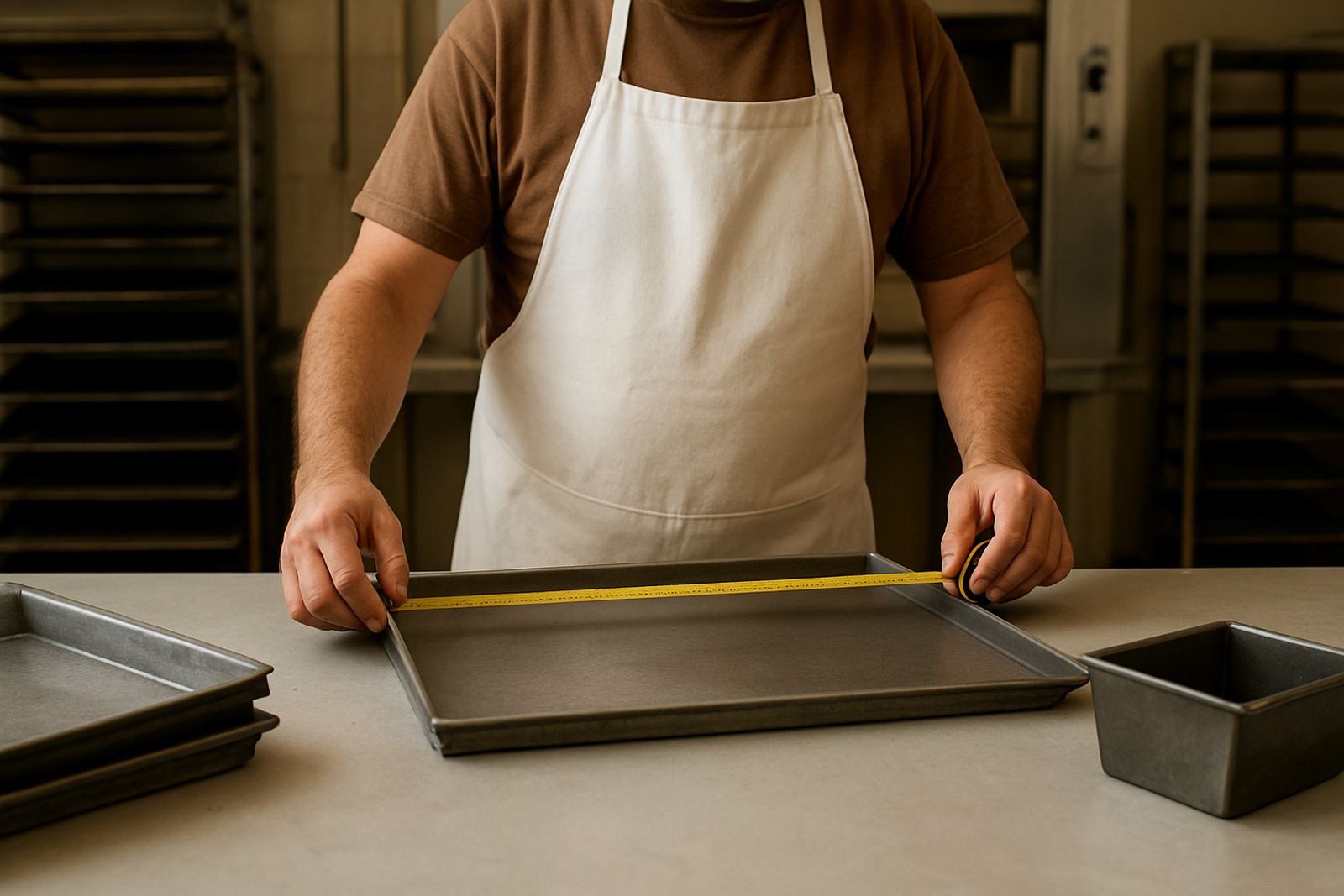
Good bakeware starts with the oven, not the catalogue. Measure the internal oven width, depth and shelf spacing in millimetres. Leave enough clearance so trays slide in and out without scraping the sides. In hotel kitchens, a tray that is 10 mm too wide can hold up service every morning, especially when the first shift is moving quickly.
Also think about handling. A heavy steel tray may last well, but if it is too big for one person to lift safely it can slow the line and raise the risk of spills. For Durban, Umhlanga and other busy hospitality areas, we often see kitchens choosing a practical mid size that one staff member can carry when the oven is hot and time is tight.
- Measure oven opening width and depth
- Check shelf spacing for tall pans and risen loaves
- Confirm trolley fit before placing bulk orders
- Choose sizes that staff can handle safely when full
Choose Materials For Heat, Cleaning And Daily Wear
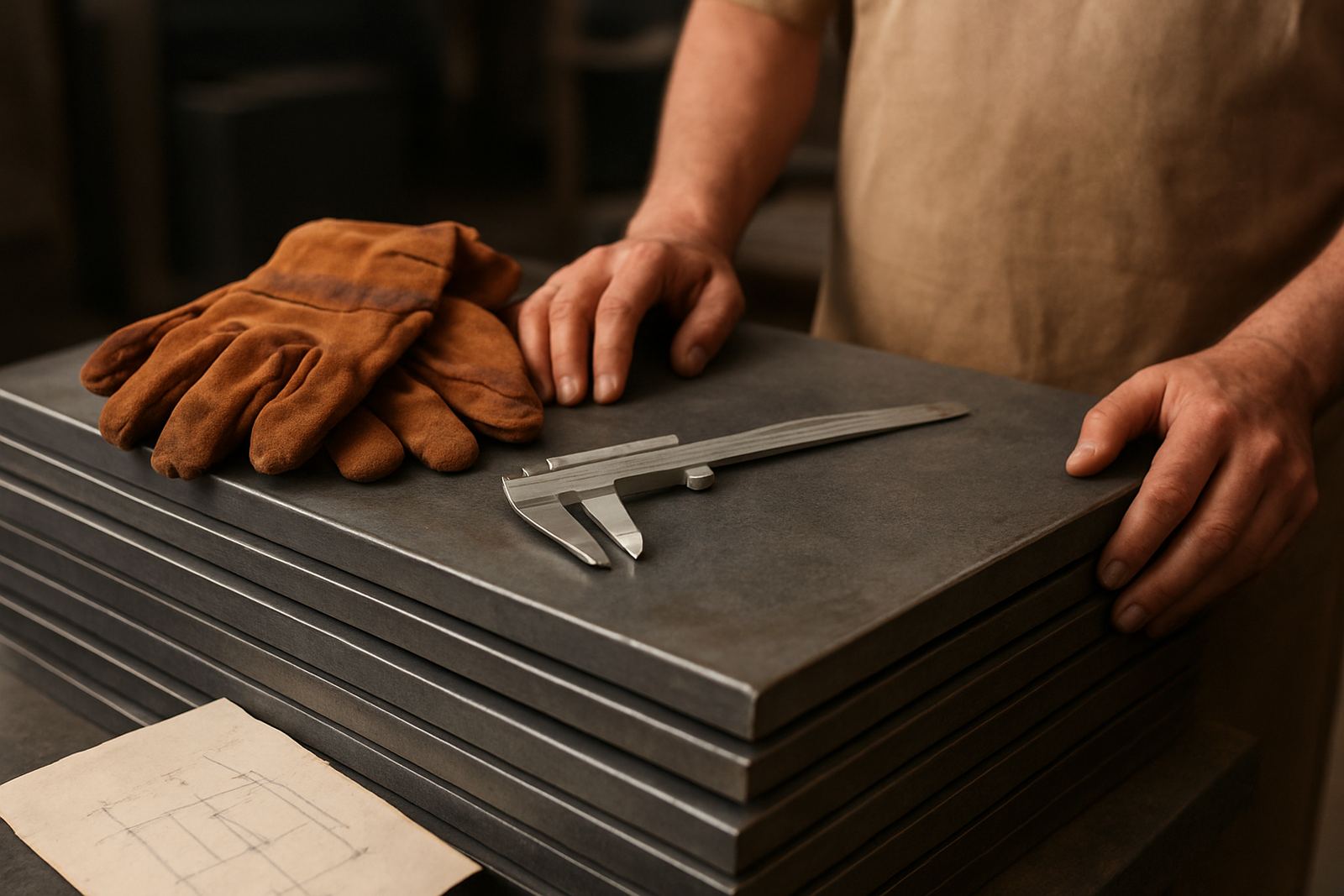
Hotel bakeware gets washed, stacked, knocked and heated more often than homeware. Steel pans and trays are usually preferred where straight heat transfer and long service life matter. They suit bread lines, hotel bakeries and production kitchens that need dependable results during load-shedding recovery and long breakfast runs.
If trays are being used near steam, dishwash areas or coastal air, the finish and care routine matter just as much as the base metal. A tray that is not cleaned properly can pick up baked-on residue and create uneven browning. Straightening, rim repairs and weld repairs can also extend working life, which helps where kitchens are busy and replacement budgets are tight.
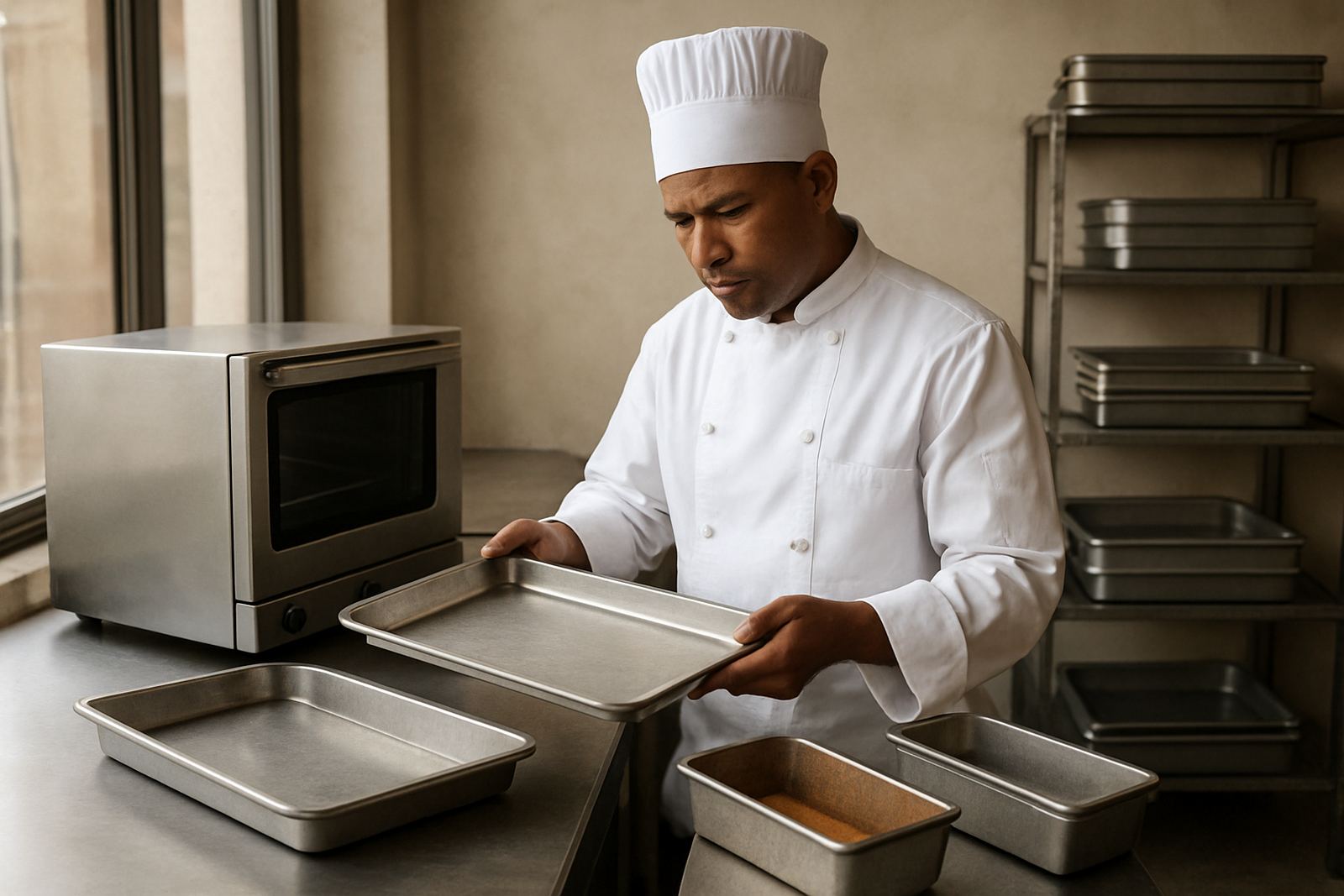
Ask whether the tray will be used for direct baking, proofed dough, roasting or cooling. The answer changes the thickness, depth and edge detail you need. For example, a tray for croissants does not need the same structure as a heavy bread pan that will be filled and lifted many times a day.
Build A Buying Checklist Before You Place The Order
A clear checklist saves money and cuts back-and-forth. Hotels often buy in a rush after a few pans fail, then end up with mixed sizes that do not stack well or fit the same rack. A better way is to approve one standard, then keep a small spare stock for weekends, conferences and school holiday spikes.
- Tray or pan type: bread pan, sheet tray, specialty tray or custom size
- Metal thickness and finish required
- Quantity needed for daily use plus spares
- Stacking and storage needs
- Cleaning method and drying space
- Replacement plan for bent or worn items
It helps to keep one person responsible for reordering. In many hotel kitchens that role sits with the chef or the stewarding manager. That way, when a pan starts to twist or a rim opens up, it can be recorded before it causes a service problem.
When Repair Makes More Sense Than Replacement
Not every damaged pan needs to be thrown away. If the body is still sound, pan straightening, corner repairs, rim repairs and weld repairs can put it back into service. This is useful for hotels with older equipment, especially where ovens and racks are still in good condition and only the bakeware is wearing out.
Reconditioning also helps where a kitchen wants to keep a matched set. Mixed trays can make baking uneven and create issues with portion control. A repaired set that still fits the same oven and trolley layout is often easier to manage than replacing everything at once.
If you are not sure what can be saved, a fleet assessment and deep cleaning inspection will show which items are worth repairing and which should be retired. Spare lids are worth holding for covered pans used in banqueting and buffet work.
Plan Supply Around Service Peaks And Local Conditions
Hotels in Johannesburg, Pretoria, Durban and along the KwaZulu-Natal coast all face different conditions, but the pressure points are similar. Friday check-ins, Sunday breakfasts, conference blocks and wedding functions all put extra strain on the bakery. If you only buy for normal trade, you will run short exactly when the house is full.
Plan for local conditions too. Coastal humidity can affect drying and storage, while inland kitchens may face dust and temperature swings in back-of-house areas. Where power interruptions are common, it helps to have bakeware that can return to service quickly after the oven restarts and cleaning is complete. That means simple forms, practical stacking and fewer parts that trap residue.
From the Westmead base in Pinetown, supply can be planned for hotel groups, independent properties and plant bakery operations that need consistent trays across more than one site. That consistency makes stock control easier and cuts waste.
A Simple Final Check Before You Buy
Before approving a purchase, run through the basics one last time. If the answer is yes to most of these, you are usually on the right track. If not, adjust the size or construction before the order goes out.
- Will the tray fit the oven and the trolley
- Can staff lift and clean it safely
- Does it suit the product and baking temperature
- Will it stack neatly with the current set
- Can damaged items be repaired later if needed
The best hotel bakeware is not the fanciest, it is the one that keeps service moving and does not give trouble during the breakfast rush. That is what matters when the kitchen is full, the ovens are hot and the next tray must go in now.