Start With The Product You Need To Bake
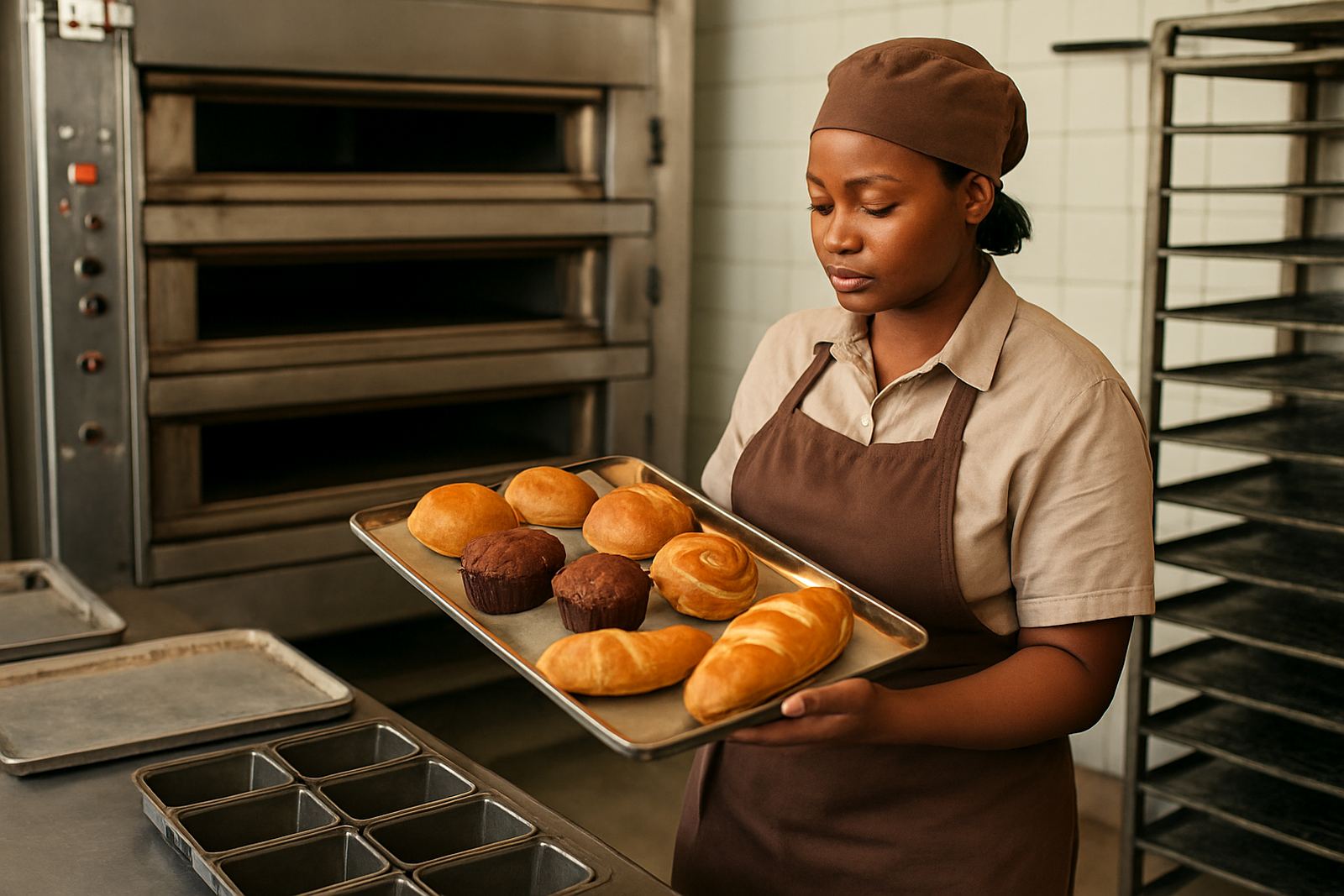
The first step is to define what the pan must do in production. A bread pan for a high output plant bakery is not set up the same way as a tray for rolls, rusks or sliced loaf tins. We need the product type, loaf weight, portion count, fill level and whether the pan is for direct oven heat, a floor tile layout or handling between proving and baking.
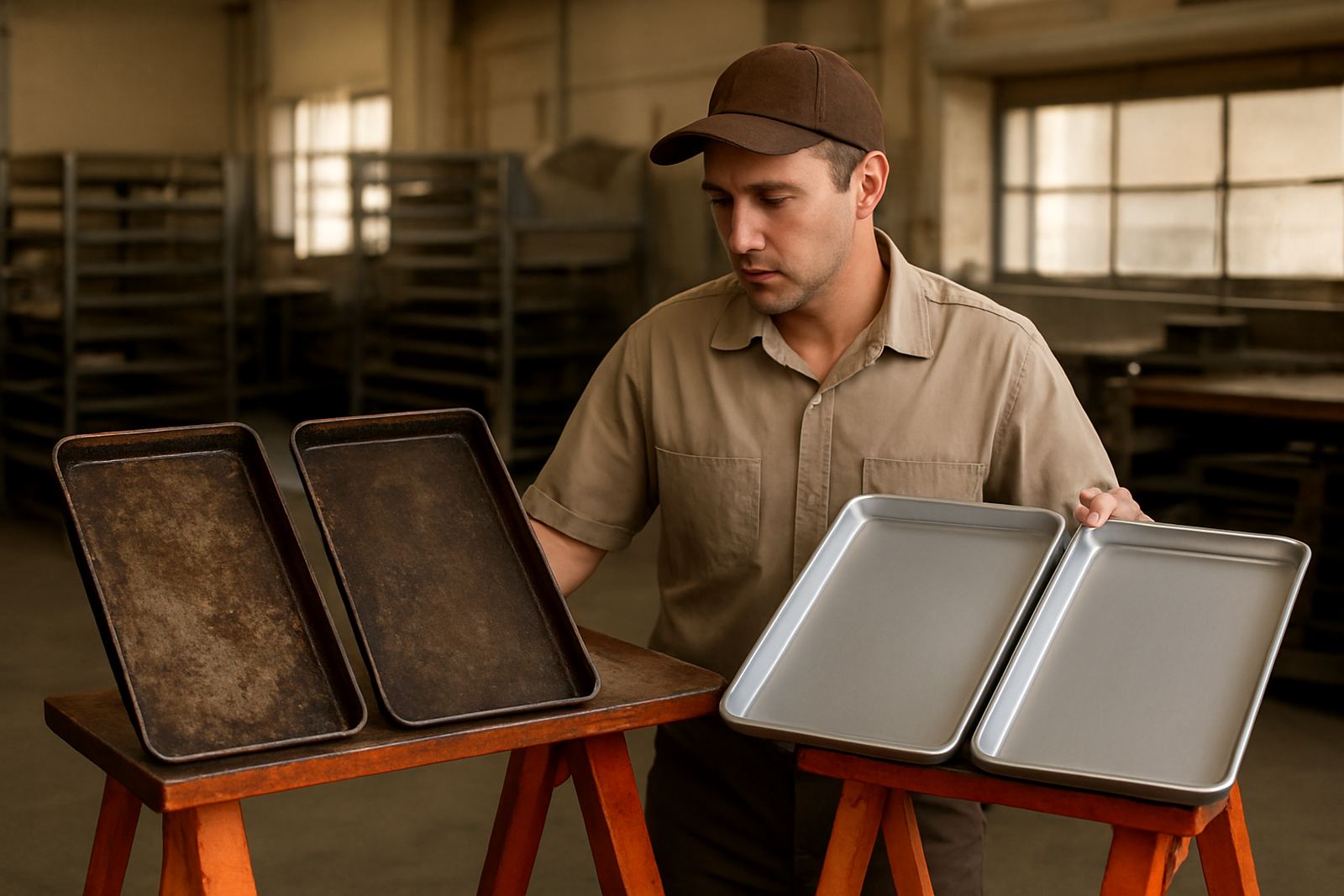
If you are replacing an old pan, send the worn unit if you can. We can measure the original shape, flange, corners, seam positions and any distortion from years of service. That saves time and helps avoid guesswork, especially when your line already runs to fixed rack sizes and oven spacing.
Measurements We Need Before Manufacture
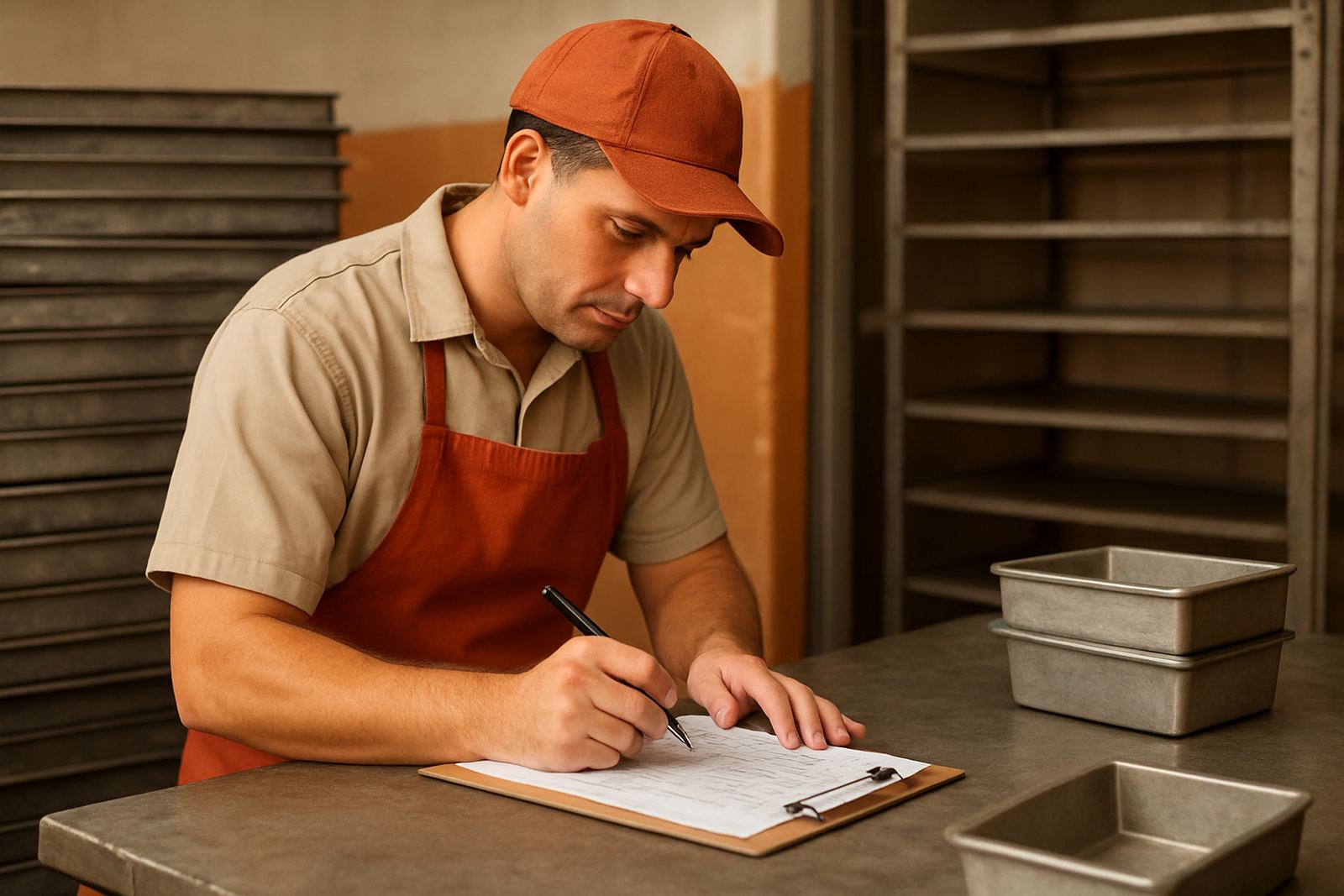
Accurate dimensions are the base of a good custom order. Measure the internal size, outside size, depth, rim width and any taper. If the pan nests, stacks or sits on a tray rack, include the clearances as well. A few millimetres can matter when a pan has to move through conveyors or fit into a gas or electric oven with tight side clearance.
- Length, width and depth in millimetres
- Wall thickness or preferred steel gauge
- Top rim style, folded edge or plain edge
- Corner style, square, radiused or reinforced
- Handle, lifting tab or no handle
- Stacking, nesting or single use
Also tell us if the pan must be heavier for floor baking, lighter for hand carrying, or shaped for quick release. If there is a matching tray rail or oven door opening, include those dimensions too, it avoids problems later.
Oven Conditions And Heat Exposure
Operating conditions change the way a pan is made. Tell us the oven type, maximum temperature, heating method and cycle time. Constant heat in a commercial bakery, plus cooling and washing, can put more strain on corners and seams than most people expect. In Durban and along the coast, humidity and salt in the air can also affect storage and finish, so that is worth mentioning.
If the pans are used in a plant that shuts down for load-shedding, say how long they may stand hot or unused between cycles. That helps with material choice, coating, and whether the pan needs extra support against warping. If your team uses steam, spray oil or dry flour release, include that too. It all changes the way the pan wears.
Material Choice And Finish Requirements
Most custom pans are made from steel because it handles heat well and gives a good service life in busy production. The finish can be left plain, recoated, or prepared for easier cleaning depending on what the line needs. If the pan is going into a hotel kitchen or a retail bakery with frequent washing, say how it is cleaned and how often.
- Plain steel for general bakeware use
- Heavier sections for oven floor tiles and repeated loading
- Recoat-ready finish for worn pans being returned to service
- Repair work for rims, corners, welds and lids when a full replacement is not needed
We also look at how the pan is handled off the line. Manual handling by staff in Westmead, Pinetown or farther afield calls for different edge treatment than a pan moved with trolleys or conveyors. Small details matter here, even a slight twist can cause sticking or poor stacking.
Give Us The Line And Workflow Details
A custom pan should fit into the way your bakery actually runs. Tell us whether the product is mixed, proved, baked, cooled and packed on separate lines or in one area. If you use fixed racks, trolleys, cages or oven hearth loading, we need those dimensions and the direction of movement. It helps us plan the pan shape so staff are not forcing pieces into place.
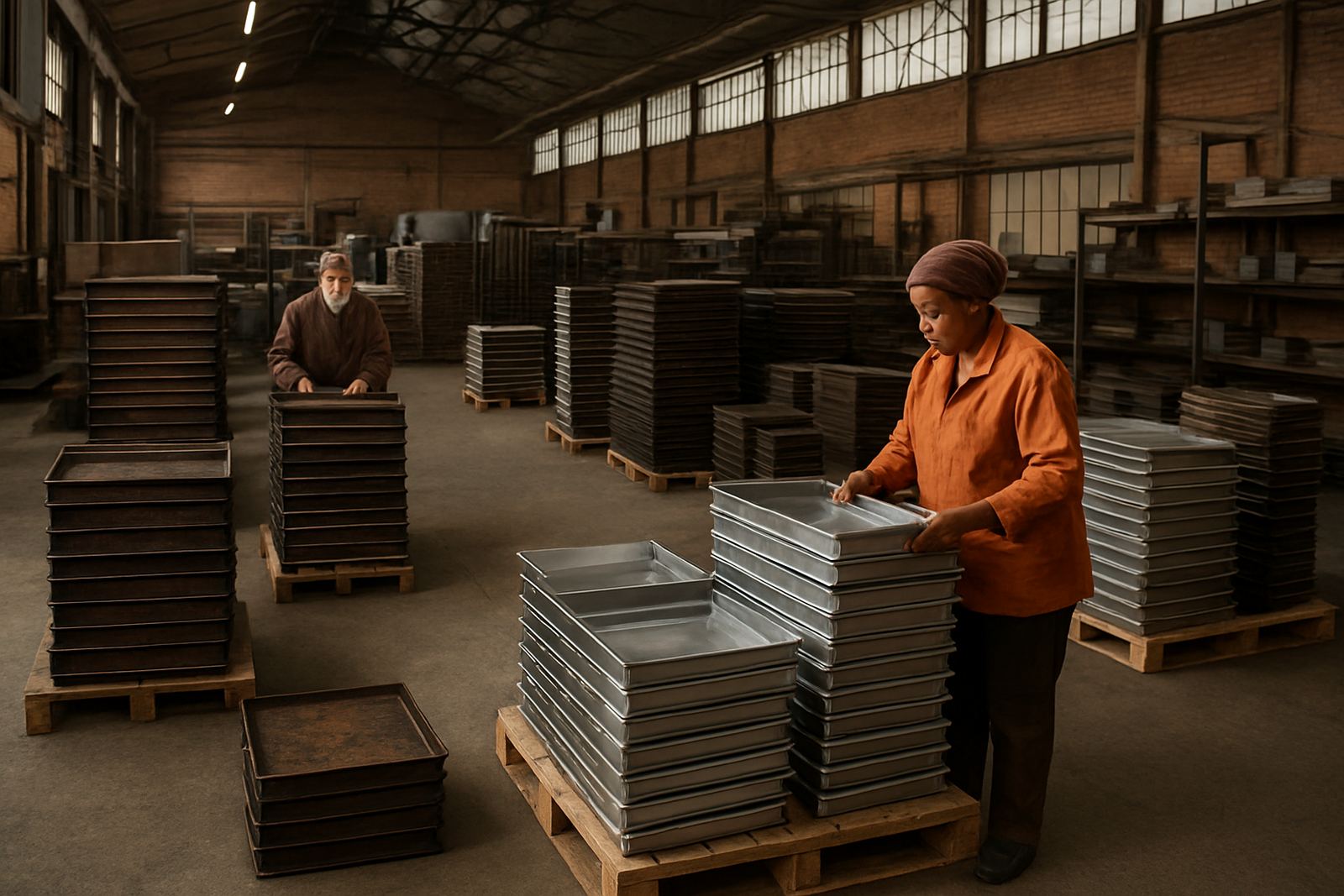
For bigger orders, include your daily output target and whether you need spares on hand. A hotel may want a few extra pans for busy weekends. A plant bakery may need a batch that matches full shift production with spares for maintenance. The more exact the workflow details, the better the fit on the floor.
What To Send For A Clean Quote
A good quote depends on clear information from the start. When you send a request to sales@bakerite.co.za, include the basics below so we can price and plan properly.
- Product name and pan type
- Measured dimensions in millimetres
- Quantity needed now and later
- Use site, bakery, hotel or retail line
- Oven type and temperature range
- Samples, photos or a damaged original
- Any repair work or recoating needed
If you are not sure about one item, send what you do have and we can work through the rest with you. A quick site picture often answers more than a long email, and it saves back and forth.
Before You Place The Order
Check the finished pan against the real job it must do. Measure the oven opening, confirm the load bearing points and make sure the pan size suits storage, cleaning and transport. If the pan will be used across branches in KwaZulu-Natal or shipped nationally, confirm how it will be packed and stacked so it arrives without bent edges.
A final check now is cheaper than changing the pan later. If the old pans are already worn, we can also look at pan straightening, rim repairs, corner repairs, weld repairs or spare lids where that makes more sense than starting over. That approach often keeps production moving while new items are made.