Why repeat orders fail when nobody checks the old item
In a bakery plant, repeat work is not only about making the same shape again. It is about making sure the tray still fits the oven rack, the pan still releases cleanly, and the finished loaf lands at the same height and weight as the last batch. When one item is copied from memory instead of from a measured sample, small errors creep in. A 2 mm change in flange height or a slight bend in the side wall can affect handling and bake evenness.
That is why the best repeat order process starts with the physical piece, not just a description on paper. For plant bakeries in Durban, Pietermaritzburg or farther inland, heat, handling and cleaning chemicals all leave marks. Over time steel shifts, corners open up and rims wear thin. If that is ignored, the next order may look right but behave differently in the oven.
Keep one master sample and record the details that matter
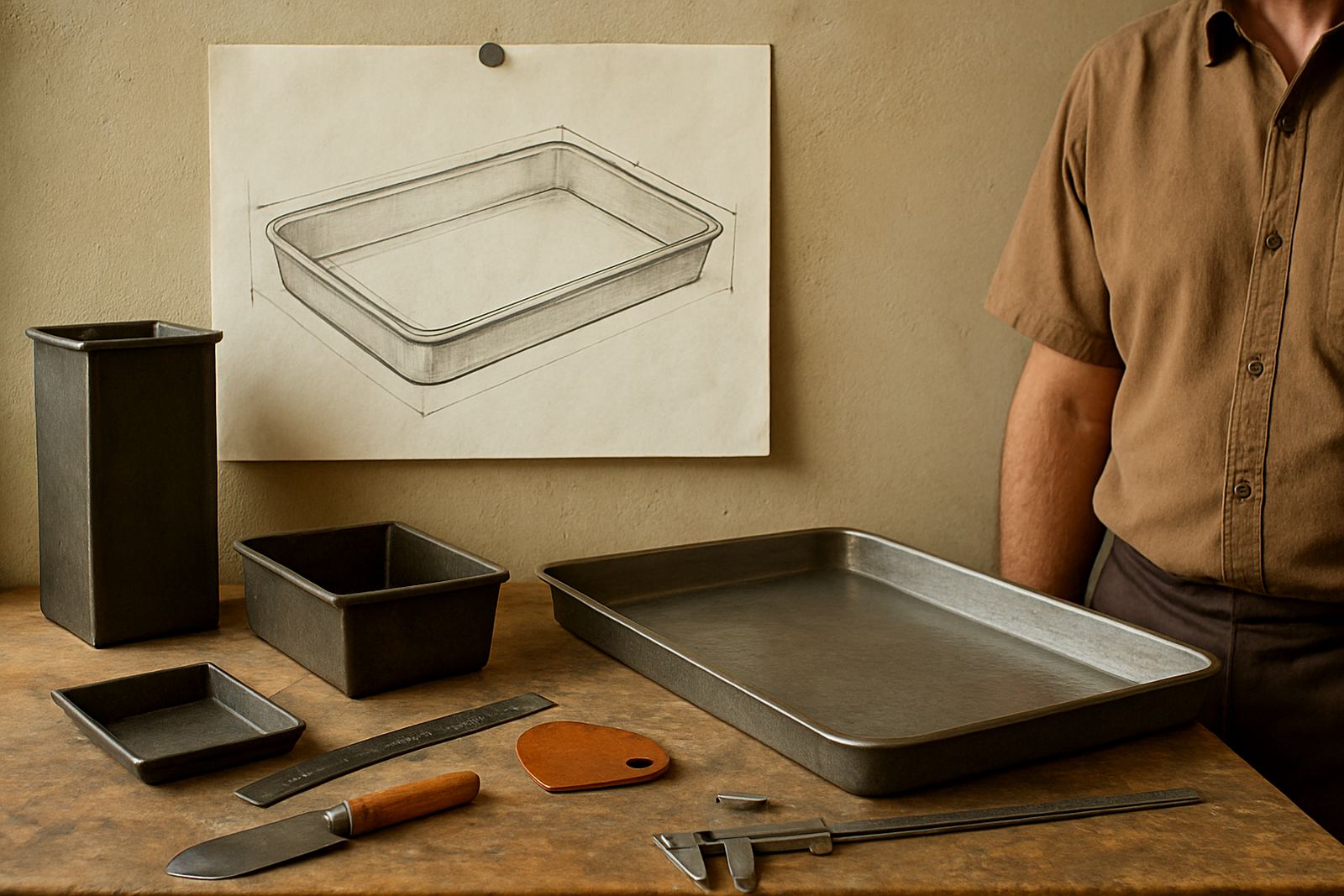
The simplest way to hold a repeat order steady is to keep one master sample in good condition. It should be clean, tagged and stored where it will not get knocked around. From there, the practical details need to be captured every time. Length, width, depth, lip profile, corner style, material thickness and weld positions all matter. So does the finish, especially on items that move through high humidity in coastal areas like Durban and Richards Bay.
- Measure the item in more than one place, not only at the widest point.
- Note any bends, repairs, recoating or patching that may change the original size.
- Record the oven or rack it must fit into, including clearance on each side.
- Keep the same callouts for handles, rims, lids and stacking points.
When these details are written down properly, the next order can be checked against a clear standard instead of a guess.
Why wear checks matter before every repeat batch
Even a well-made tray or pan changes over time. Heat cycles, scraping tools, wash chemicals and trolley movement all take a toll. A tray that once sat flat may start rocking on a bench. A bread pan can pull slightly out of square and then the loaf shape changes. In some plants, repeated exposure to steam or damp storage also causes surface breakdown, which is common in coastal factories and hotel bakeries near the sea.
Before a repeat batch is approved, the old item should be checked for wear and damage. That tells the manufacturer whether the new batch should copy the current condition or restore the original size. If the base line is wrong, every following order will keep the same fault. That is why services such as pan straightening, corner repairs and rim repairs are often part of a repeat order conversation, not an afterthought.
How Bakerite handles repeat orders for plant bakeries
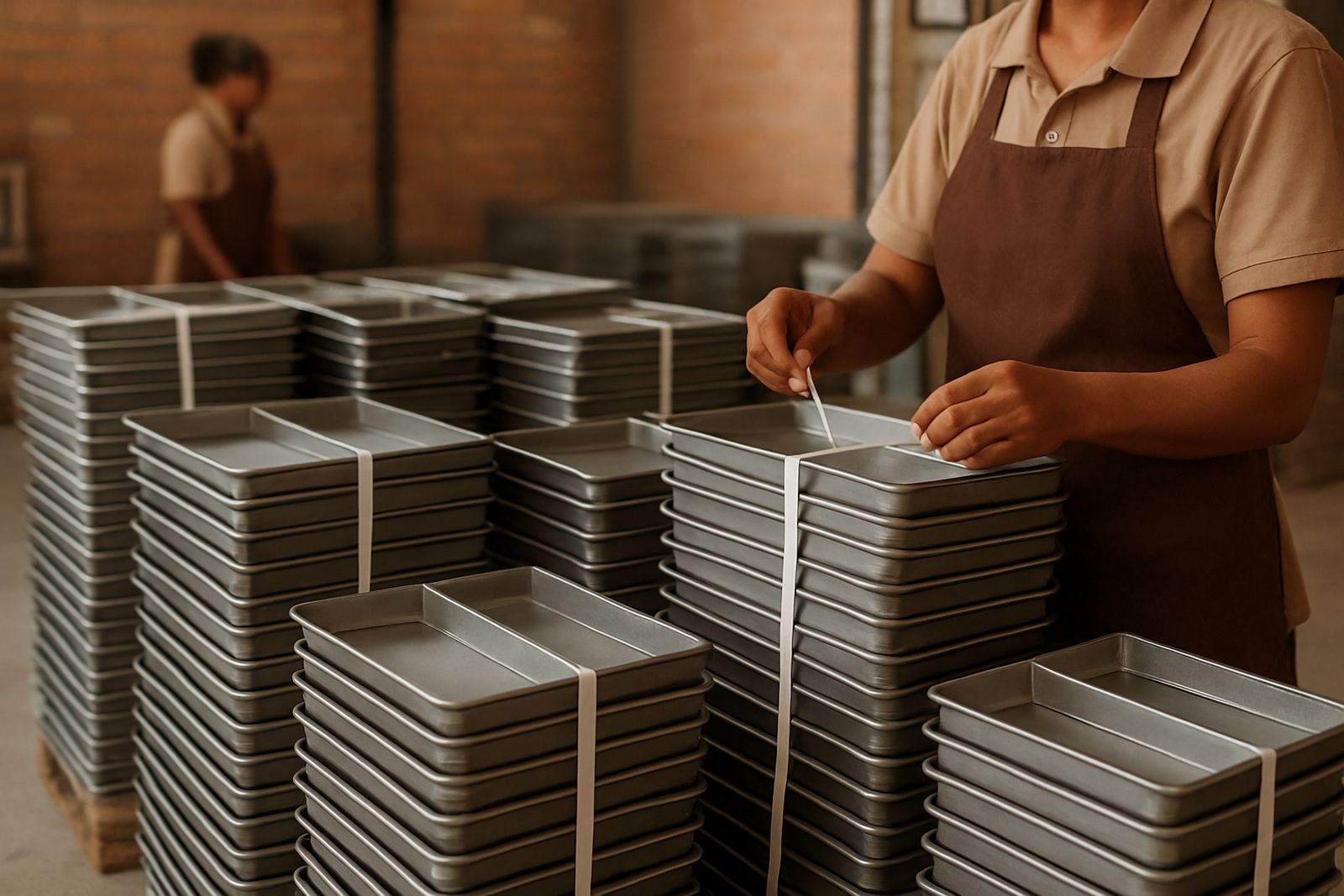
At Bakerite in Westmead, Pinetown, repeat orders are handled with the same practical approach used for new work. The team checks the sample, compares it to past notes where available, and confirms what must stay exact. For large plant bakeries, consistency is often more important than one-off speed because the line has to keep running and the packaging team expects the same loaf, tray after tray.
This is where the local setup helps. Being based in Westmead means the team can support bakery operations in Pinetown, New Germany, Upper Highway and wider KwaZulu-Natal without a long wait for basic checks. Where needed, the work can include pan recoating, tray recoating, deep cleaning, spare lids and weld repairs so the repeat order starts from a sound piece, not a tired one.
- Existing samples are checked for size and condition before production starts.
- Wear, repairs and coatings are assessed so the next batch matches the right version.
- Custom trays can be adjusted for the actual line setup, not a generic drawing.
- One contact point helps keep notes clear across future orders and replacements.
The local example: a Durban bakery keeping one pan standard
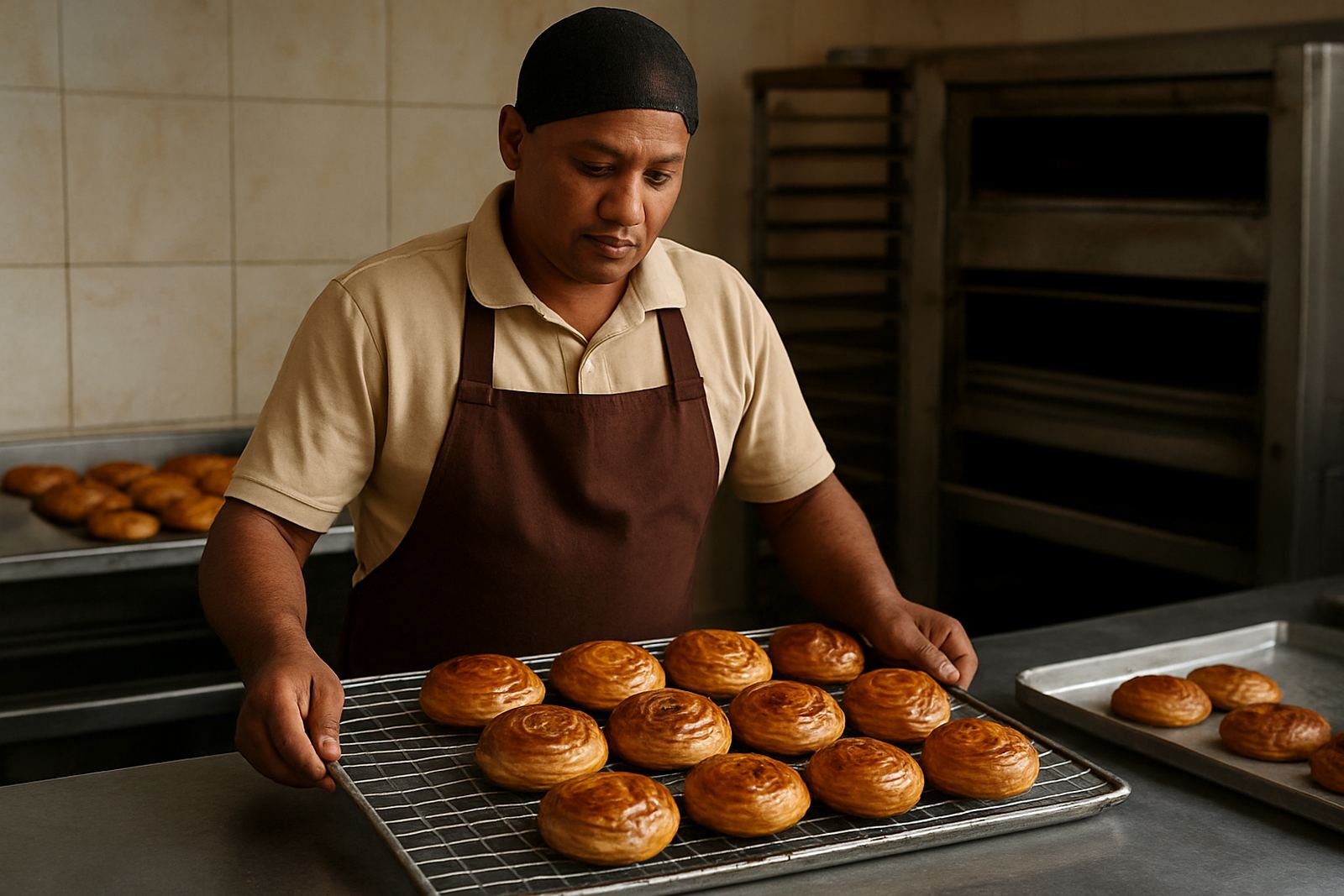
A plant bakery in Durban may run the same bread pan hundreds of times a week. If the pans come back from cleaning slightly bent, one corner may catch on the rack. That means staff spend extra time straightening pans by hand, and the loaf height changes from batch to batch. Over a month, those small issues become lost time and waste.
With a repeat order process, the bakery can send in a sample for checking. The measurements are confirmed, the worn areas are identified, and the replacement batch is made to the same working standard. If the original pan had already been repaired, that fact is noted too. The result is a repeat order that fits the line, stacks properly and gives the same bake result, which is what the bakery actually needs. It sounds simple but it saves many small headaches.
What to send with a repeat order enquiry
The clearer the first enquiry, the faster the repeat order can be confirmed. A good brief does not need fancy wording, just practical facts and a photo if possible. If the item is used in a plant bakery, hotel kitchen or retailer production room, include where it is used and what problem has been showing up. That gives the workshop enough detail to check fit, finish and durability before production starts.
- Item name and use, such as floor tile, bread pan or custom tray.
- Approximate quantity needed and whether the order is for replacement or expansion.
- Any old sample, drawing or photo showing the current size and wear.
- Delivery area, for example Westmead, Durban, Upper Highway or elsewhere in South Africa.
For repeat orders, the best result usually comes from calm checking at the start. That is what keeps the next batch close to the last good one, instead of close to a memory.