Why Pan Geometry Matters More Than People Think
In a plant bakery, small differences in pan depth, width, corner shape or lip height can show up in the finished loaf. One pan may hold slightly more dough, another may release heat at a different rate, and soon the bakery is chasing inconsistent slice weight, uneven browning or loaves that pull sideways in the tins.
Uniformity starts with the container. If the steel oven floor tiles, bread pans and trays are all made to the same spec, the dough sees the same conditions each time. That gives the team a better chance of keeping proof times, bake times and release behaviour steady even when the line is running hard.
What Changes When Pan Shape Starts To Drift
Wear and tear is normal in busy bakeries. Corners open up, rims get bent, lids stop seating properly and weld points take strain from repeated handling. In coastal areas like Durban or Pinetown, moisture can speed up surface issues if pans are stored damp after washdown. After a while, the problem is not just cosmetic, it affects the loaf.
When pan geometry drifts, the bakery may notice any of these:
- One side of the loaf rising higher than the other
- Loaves sticking more often after cooling
- Weight variation between products on the same run
- Crust colour changing from pan to pan
- More rejects during slicing, packing or dispatch
In practical terms, that means more labour spent checking product, more scrap and more pressure on the oven team to keep adjusting settings that should not need constant attention.
How Plant Bakers Keep Results Steady Shift After Shift
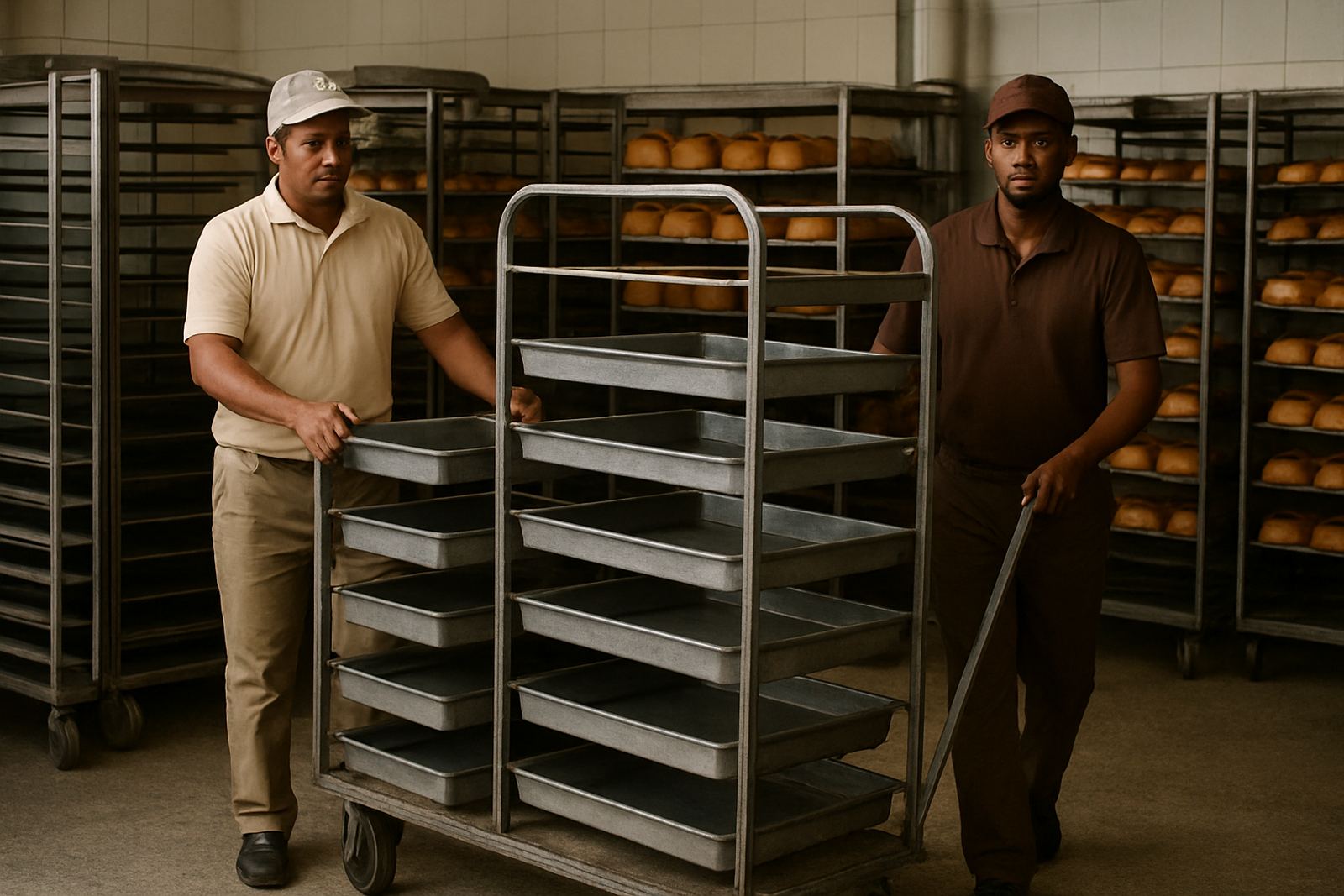
The best control starts before the dough is mixed. A bakery should keep an eye on pan condition, rotation and cleaning routines, then pull out damaged items before they start affecting the line. A fleet assessment helps identify which pans can be repaired, which need recoating and which are past the point of return.
Good habits also make a real difference in hot, busy plants where load-shedding can disrupt the normal rhythm. When power returns, cold starts and rushed restarts often lead to rough handling. That is when rims get knocked, trays get dropped and lids get forced. A short inspection at changeover can save a lot later on.
- Check pans for twist, bowing and dents before production starts
- Sort out bent trays and damaged lids during planned downtime
- Keep wash bays and drying areas dry enough to avoid standing moisture
- Rotate pans so wear is spread evenly across the fleet
- Match replacement pans to the existing dimensions, not just the old sample
Why Repairing A Pan Properly Beats Guesswork
Once a pan is out of shape, it should be brought back to spec by someone who understands bakery equipment. Straightening a pan is not just about making it look neat. The corners must sit square, the rim must hold its form and the base needs to support the dough evenly in the oven. If the repair is off by even a small amount, the same problem returns on the next cycle.
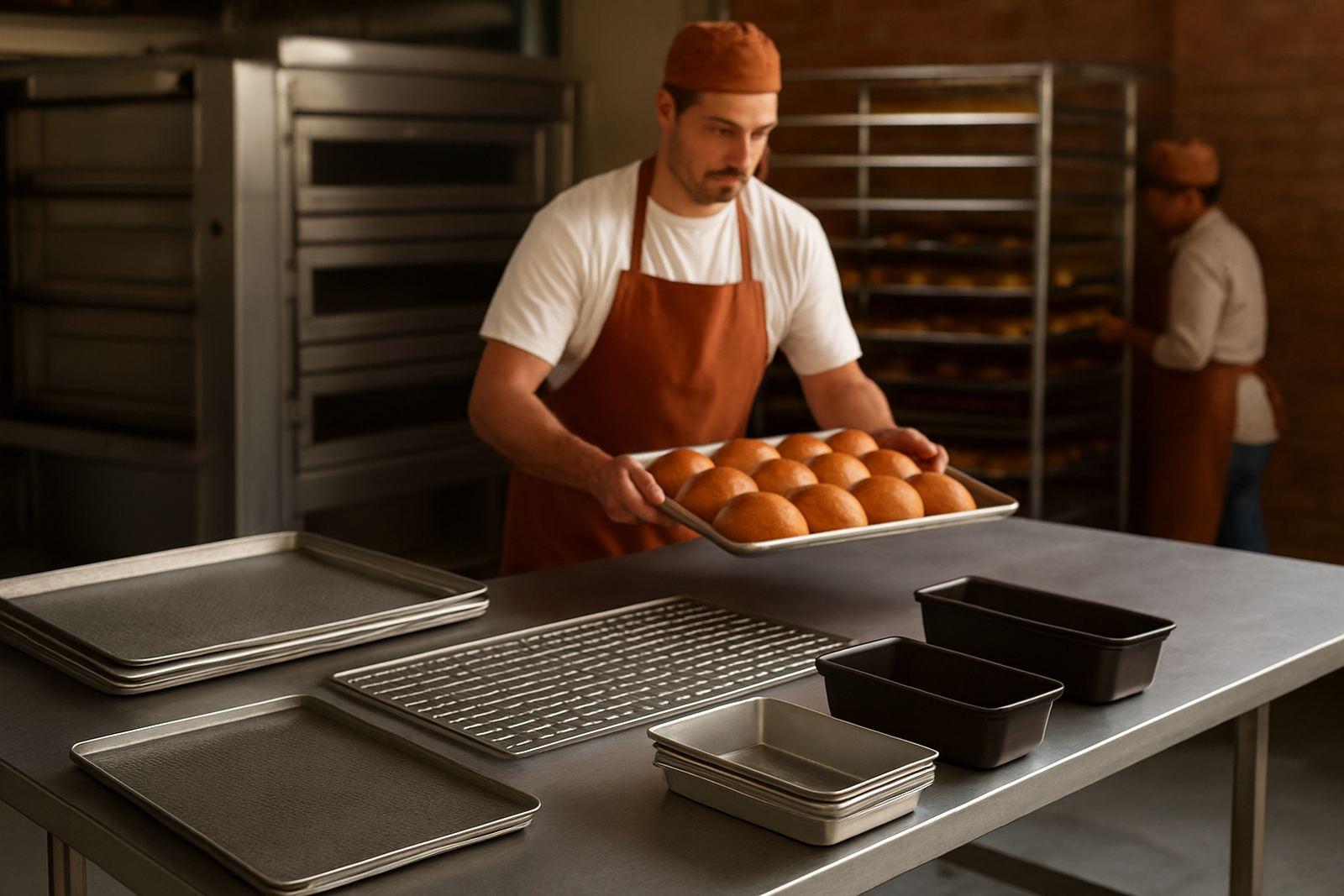
That is where services like pan recoating, tray recoating, pan straightening, corner repairs, rim repairs, lid repairs, weld repairs, deep cleaning and spare lids help. They keep existing equipment in service for longer and help the bakery keep product uniform without replacing every item at once.
For a plant in Westmead supplying stores across KwaZulu-Natal, a careful repair programme can mean fewer emergency orders and less disruption to production. It is much easier to keep a standard loaf standard when the pan under it is still true.
A Westmead Example: Same Loaf, Same Tin, Same Result
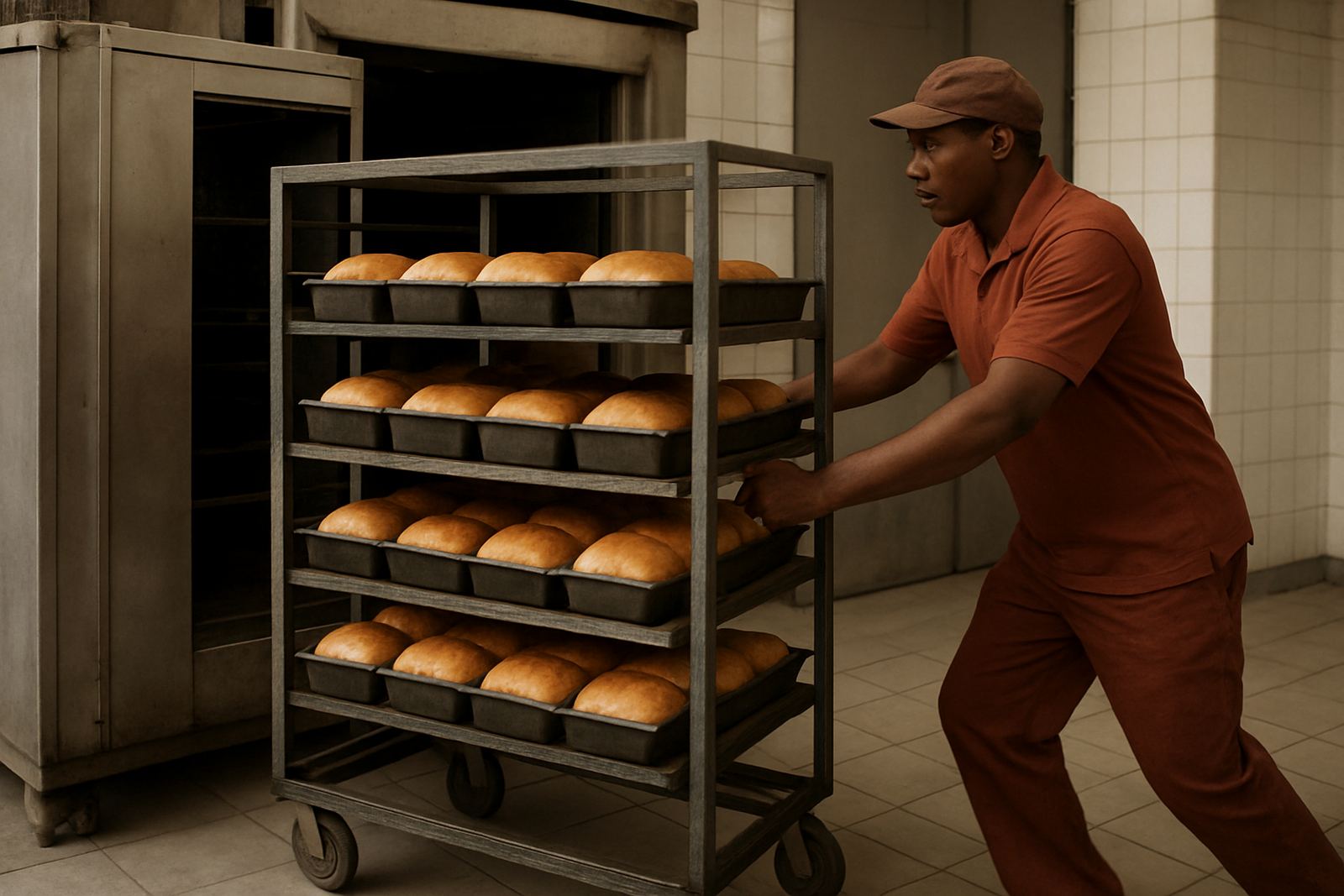
Think of a bakery running at plant level in Pinetown with product going to retailers in Durban, New Germany and the Upper Highway area. The mixer team can do everything right, but if half the bread pans have tired corners and mixed depths, the bake room will still fight variation. One batch may dome too much, another may sit flat, and the packing team ends up sorting through product that should have been consistent from the start.
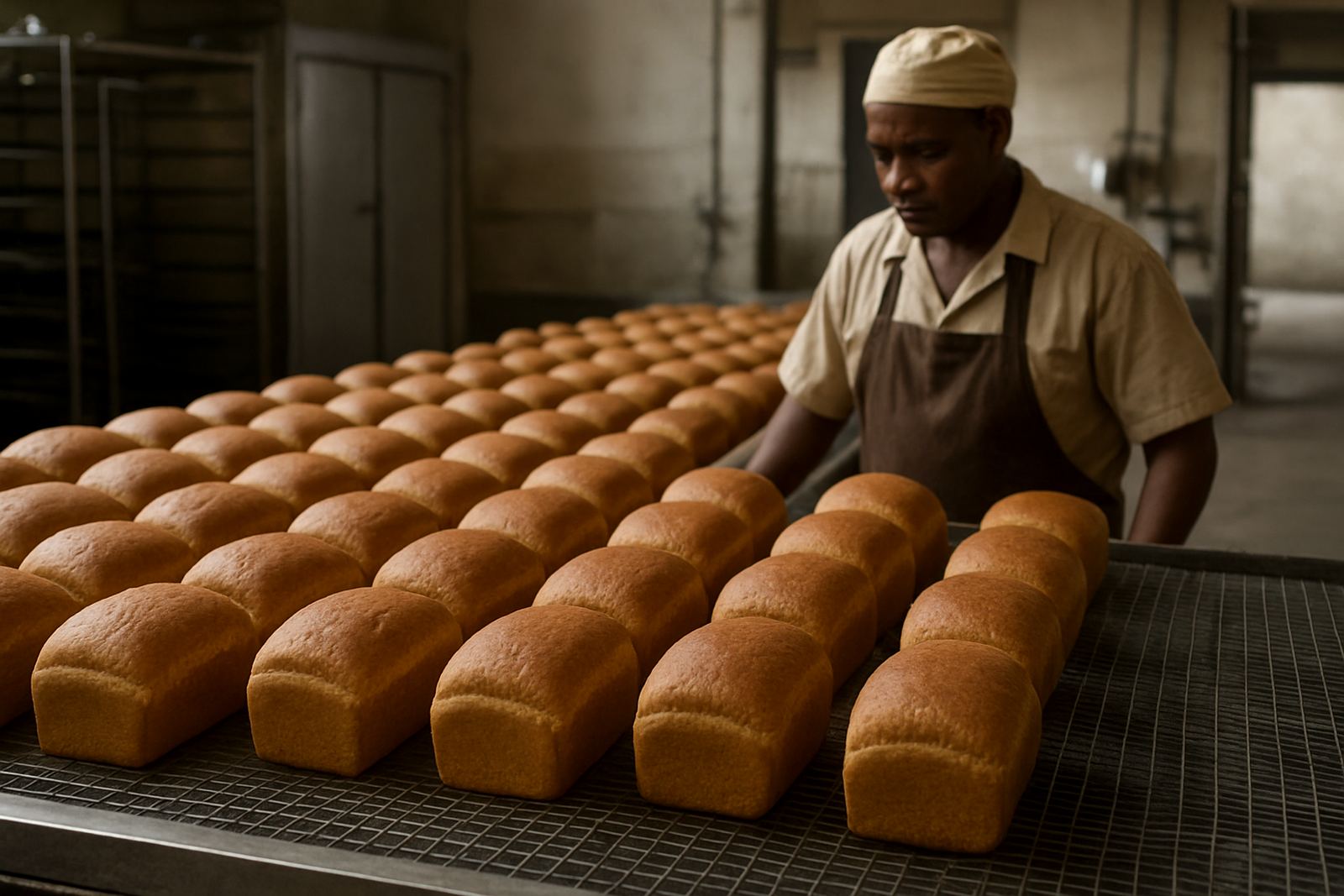
In that setting, uniform pans are not a luxury, they are part of production control. Keeping the same geometry across the fleet helps the bakery standardise release, colour and slice profile. It also makes training easier because staff are not having to remember which pan behaves differently from the rest.
BAKERITE has been making industrial bakeware from Hillclimb Rd, Westmead, Pinetown since 1997, and the focus has always been practical: make the steel floor tile, bread pan or custom tray hold its shape under real bakery conditions. That kind of consistency matters when the oven is hot, the clock is tight and orders have to leave on time.
Choosing Bakeware That Holds Its Shape
Uniformity is easier to maintain when the original equipment is made properly and matched to the bakery line. For new or replacement items, it pays to check dimensions carefully, especially where pans must fit automated handling, proofing racks or oven floors with limited clearance. A few millimetres here or there can slow down the whole process.
Before placing an order, a bakery team should confirm:
- Internal length, width and depth needed for the recipe
- Whether the pan must fit a lid or a specific rack spacing
- How often the item will go through washdown and handling
- Whether the site is coastal, inland or exposed to heavy humidity
- What level of recoating or maintenance support will be needed later
That way the bakery is not just buying steel, it is buying repeatability. For plant bakeries, hotels and retailers alike, repeatability is what keeps the product looking and baking the same from batch to batch.
Keeping The Standard Through Every Batch
Uniformity in baking is really about control. Control over the pan, control over the product and control over the outcome. When the bakeware stays true, the team can focus on mixing, proving and baking instead of chasing defects that start at the pan level.
For bakeries that want the same loaf shape, the same release and the same finish, the safest path is simple: keep the pans in good condition, repair them properly and replace them with items that match the original standard. That is how a bakery protects its process and its product.