What bakeware gauge means in plain terms
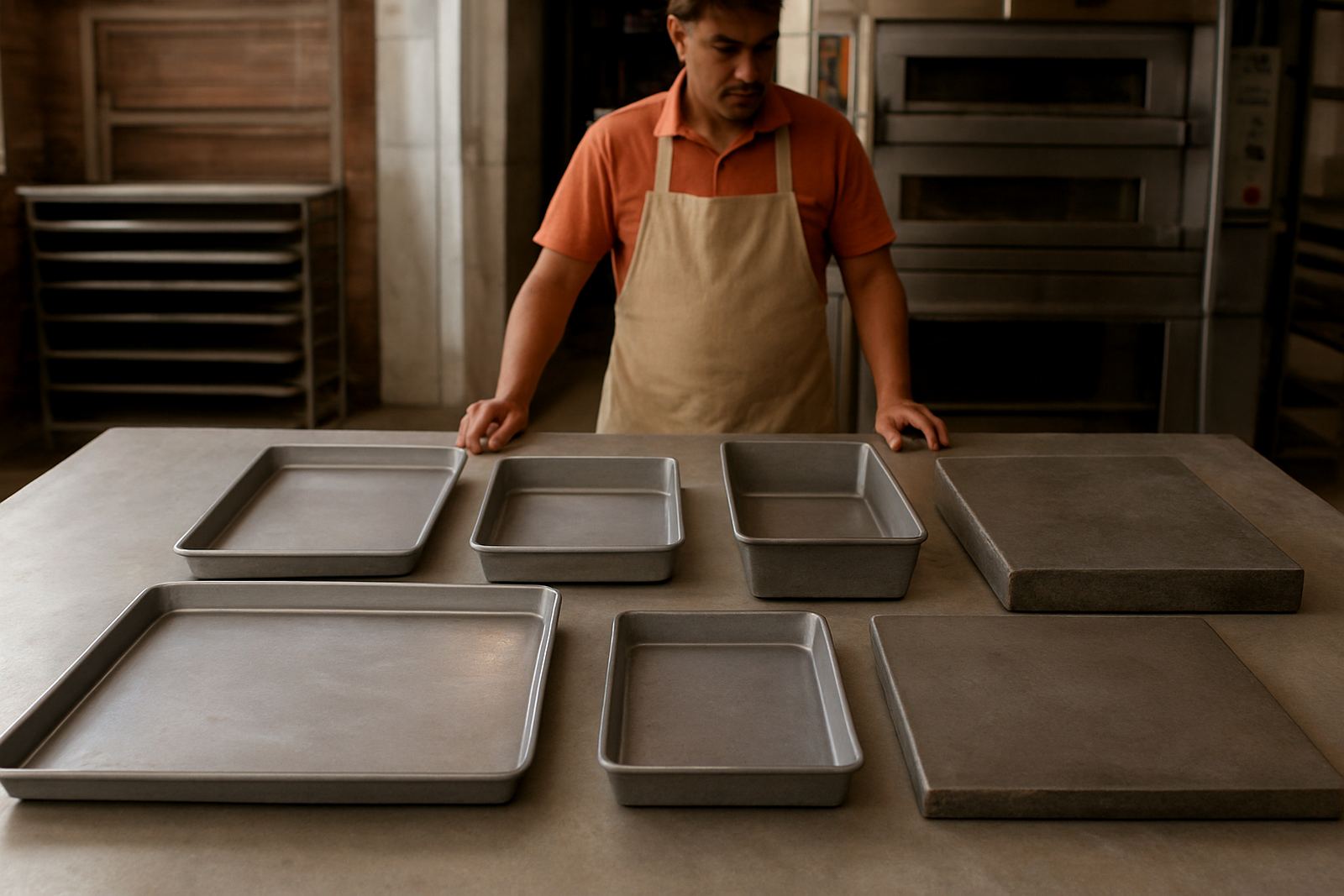
When people in bakery manufacturing talk about gauge, they are talking about how thick the steel is. Thinner steel is lighter and usually cheaper, while thicker steel holds shape better and copes with harder daily use. In practice, the gauge you choose must suit the product, the oven, the team handling it, and how many cycles it will see each day.
For plant bakeries in South Africa, this choice matters more than many people think. A tray used a few times a day in a hotel kitchen is a very different item from a bread pan running through a commercial line from early morning to late evening. If the steel is too light, it can warp, twist or go out of square. If it is too heavy, staff can struggle with lifting, stacking and cleaning.
How thickness changes baking performance
Steel gauge affects how heat moves through the bakeware. A lighter tray heats up faster, but it can also lose shape faster. A heavier pan takes a little longer to heat, but it usually gives steadier performance and better support for repeated use. That can matter when you need the same loaf shape or tray finish from one shift to the next.
In humid coastal areas such as Durban and Pinetown, moisture and cleaning practices also play a part. Thin steel can suffer faster when pans are washed, stacked wet or left near open doors. With power interruptions and load-shedding, bakeries often run ovens harder once electricity is back, so the bakeware gets more thermal stress. That is where the right thickness saves trouble.
- Thinner steel can suit light duty handling and lower cost runs
- Medium thickness is common for general bread pans and custom trays
- Heavier steel is useful where shape retention and long service life matter most
Common gauges used in bakery manufacture
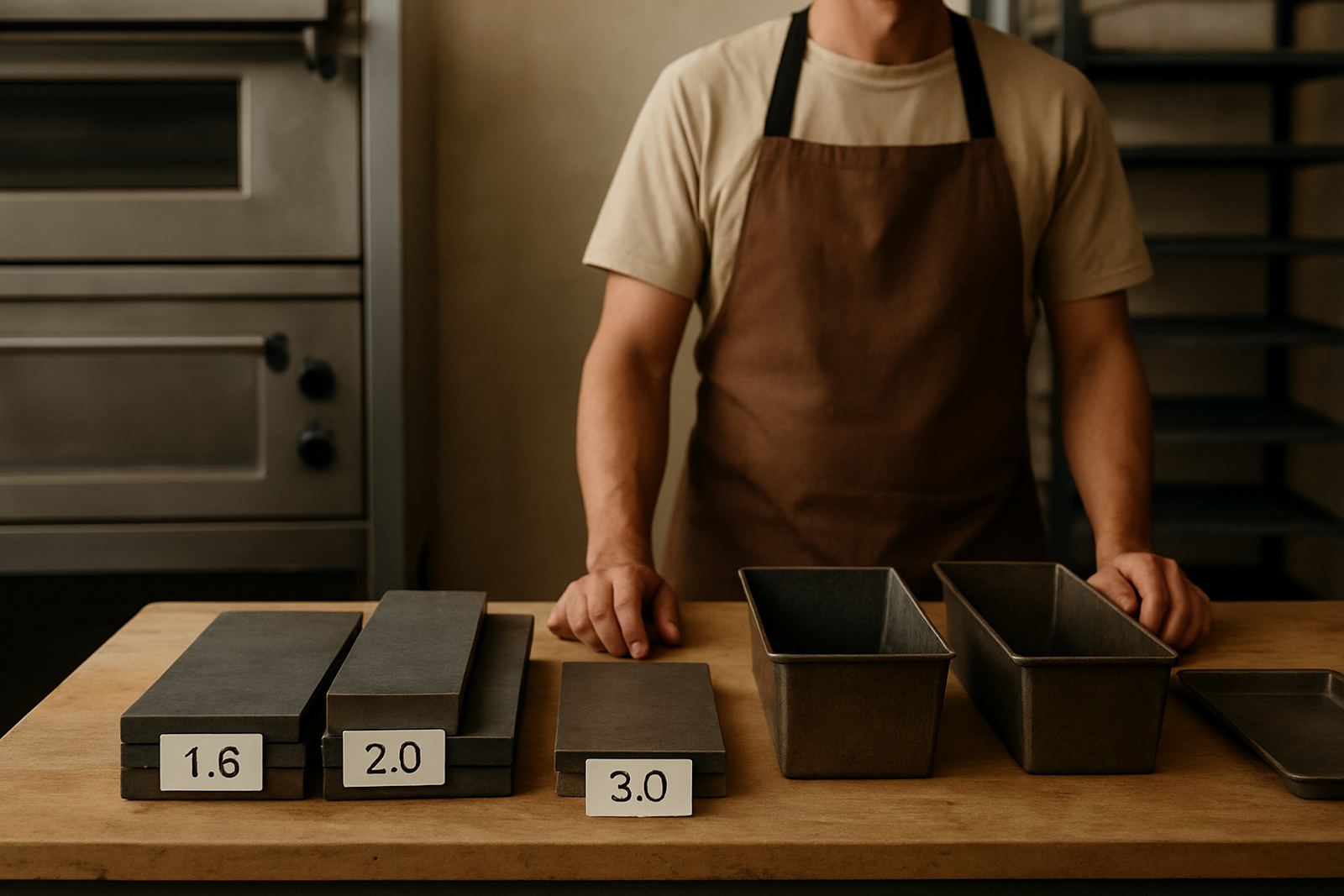
There is no single correct gauge for every bakery, but most buyers will be comparing a few practical options. A thinner sheet may suit a light tray or non-critical insert, while a thicker section is usually chosen for bread pans, floor tiles and items that see daily knocks. The key is to match the gauge to the load, the oven size and the way the item is handled on the floor.
As a rule, you should ask three questions before choosing. How often will it be used? How much weight must it carry? How much abuse will it take during cleaning, stacking and transport? In a busy bakery, those answers matter more than a number on paper.
- Light duty: useful where weight matters more than long life
- General duty: suited to most plant bakery pans and trays
- Heavy duty: better for floor tiles, large trays and repair-prone items
Choosing the right gauge for bread pans and trays
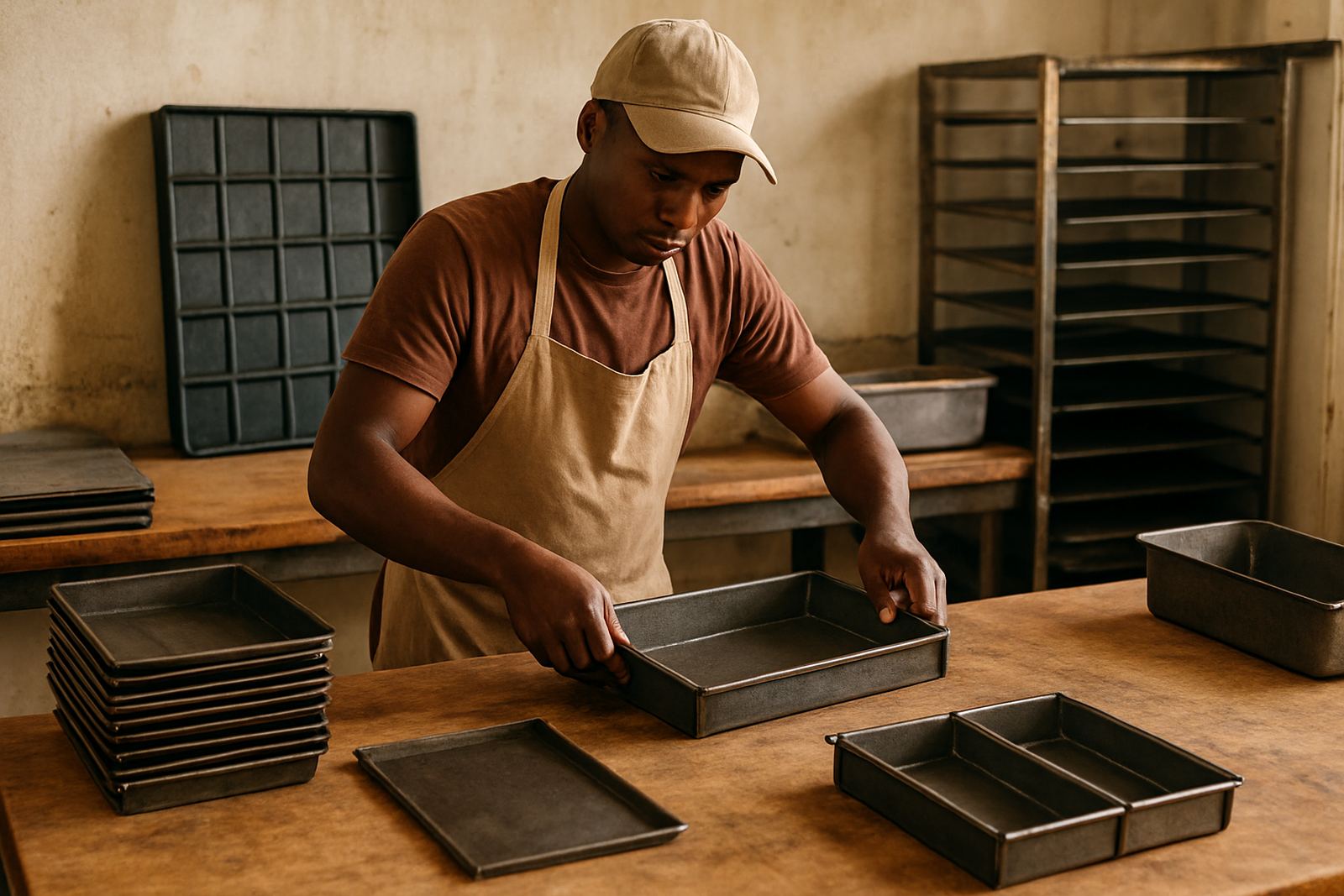
Bread pans need enough steel to keep their form under heat and handling. If the sides spread or the base bows, you start getting uneven loaves and more waste. For trays, the gauge depends on the product being baked. A tray carrying buns, rolls or small pastries may not need the same thickness as a tray carrying dense dough pieces or heavy tin loads.
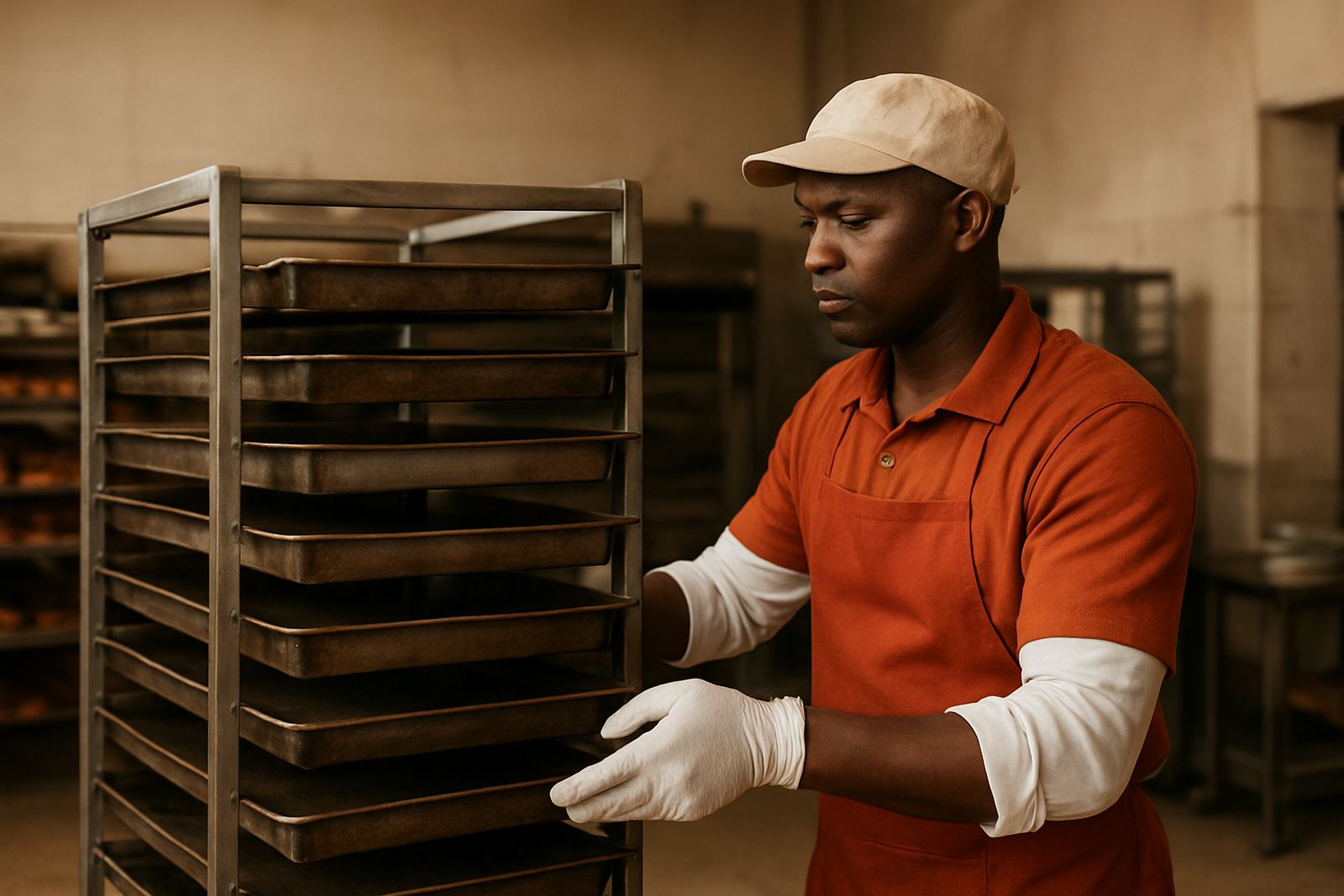
Hotels and retailers often look for an item that is light enough for staff to move safely but strong enough to survive repeated washing and stacking. Plant bakeries usually lean toward thicker sections because the pan or tray is in constant use and often handled quickly. That extra thickness can reduce corner damage and limit the need for frequent straightening.
- Check whether the item must hold wet dough, proofed loaves or dry goods
- Consider lifting height and stack weight for staff safety
- Ask if the tray must run through the same process all day or only once a shift
Why oven floor tiles need a different approach
Steel oven floor tiles are not just another sheet of metal. They sit under heat, weight and movement, and they are expected to keep a stable surface. In many bakeries the tile takes constant loading, scraping and cleaning, so a heavier gauge is usually the better answer. The old Bakerite steel floor tile earned its place because it was made for that sort of work, not for light duty use.
When floor tiles are too light, they may flex under load or shift over time. That can affect baking consistency and make cleaning harder. A well chosen floor tile should stay flat, support the oven load and reduce the chance of hot spots. In some bakeries the best savings come not from buying thinner steel but from buying the right thickness once.
Repair, recoating and straightening can extend service life
Gauge is important, but so is maintenance. A pan or tray that has gone slightly out of shape can often be brought back into service with straightening, corner repairs, rim repairs or weld repairs. Recoating can also help when the steel is still sound but the surface finish has worn down. This is especially useful where the basic body is still good and only the wearing surface needs attention.
At the Westmead base in Pinetown, many bakery teams ask whether to replace or repair. The answer depends on the metal thickness, the amount of damage and the daily workload. A thicker item usually gives more repair life because there is enough steel left to work with. Thin items can become uneconomical quickly, especially if they have been bent, patched and heated many times.
- Ask for a fleet assessment if several pans or trays are wearing at once
- Check for twisting, rim failure, cracked welds and damaged lids
- Deep cleaning can help reveal hidden distortion before it becomes a bigger fault
A practical local example from Westmead to the coast
A bakery in Durban may run early shifts, salt air and frequent wash cycles. A hotel in the Upper Highway may need smaller production volumes but still wants neat, reliable trays for daily service. The gauge choice for both will differ, even if the products look similar at first glance. One may need more weight for life span, while the other may need lighter handling for kitchen staff.
That is why a supplier should not talk only about steel thickness in the abstract. It helps to look at the oven type, the product, the cleaning method, the route the trays take through the plant and how often the items are repaired. With the right gauge, the bakeware lasts longer and the bake line runs with fewer stoppages, which matters when production is already under pressure.
How to specify bakeware gauges correctly
When you place an order, be specific. Say what the item is for, where it will be used and how much daily handling it will see. If you are replacing old pans or trays, send a sample or a clear measurement. If you need custom trays, give the finished size, the load and any special edge or corner detail. That makes quoting more accurate and helps avoid a mismatch later.
For bakeries in KwaZulu-Natal and beyond, the best gauge is the one that fits the job and the maintenance plan. Thicker is not always better, but too thin is usually a false saving. A practical choice upfront means fewer bent pans, fewer warped trays and less downtime in the long run.