Why small runs can solve a very real baking problem
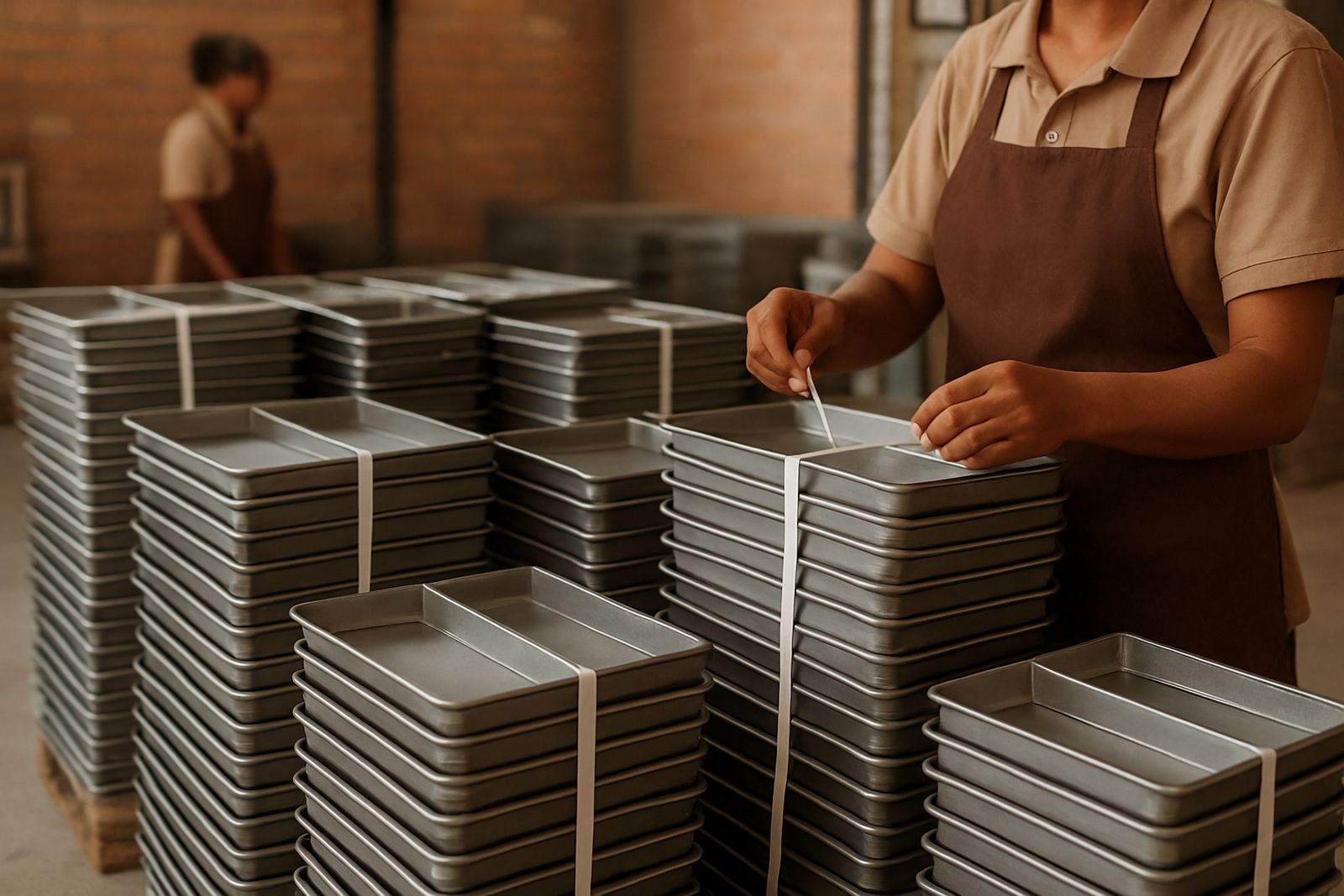
Not every bakery needs a full truckload of identical trays. Some sites need 24 pans for a new product trial, others need 60 custom loaf pans for a hotel breakfast line, or a short run of steel oven floor tiles for a replacement section in a plant bakery. Small run custom work lets a team test, replace, or expand without locking money into stock they may never use.
In South African baking, that matters. Electricity cuts, older ovens and mixed equipment all make it risky to force a product into the wrong pan. If the tray is too shallow, the loaf spills. If the steel is too thin, it warps. If the size is off by even a few millimetres, loading trolleys and oven rails start giving trouble.
BAKERITE has seen the same pattern for years in Westmead and beyond: a customer does not always need more quantity, they need the right quantity. Small batch work is often the practical choice when a line is being changed, a customer spec is being updated, or a damaged section needs to be matched exactly.
When a custom batch makes more sense than standard stock
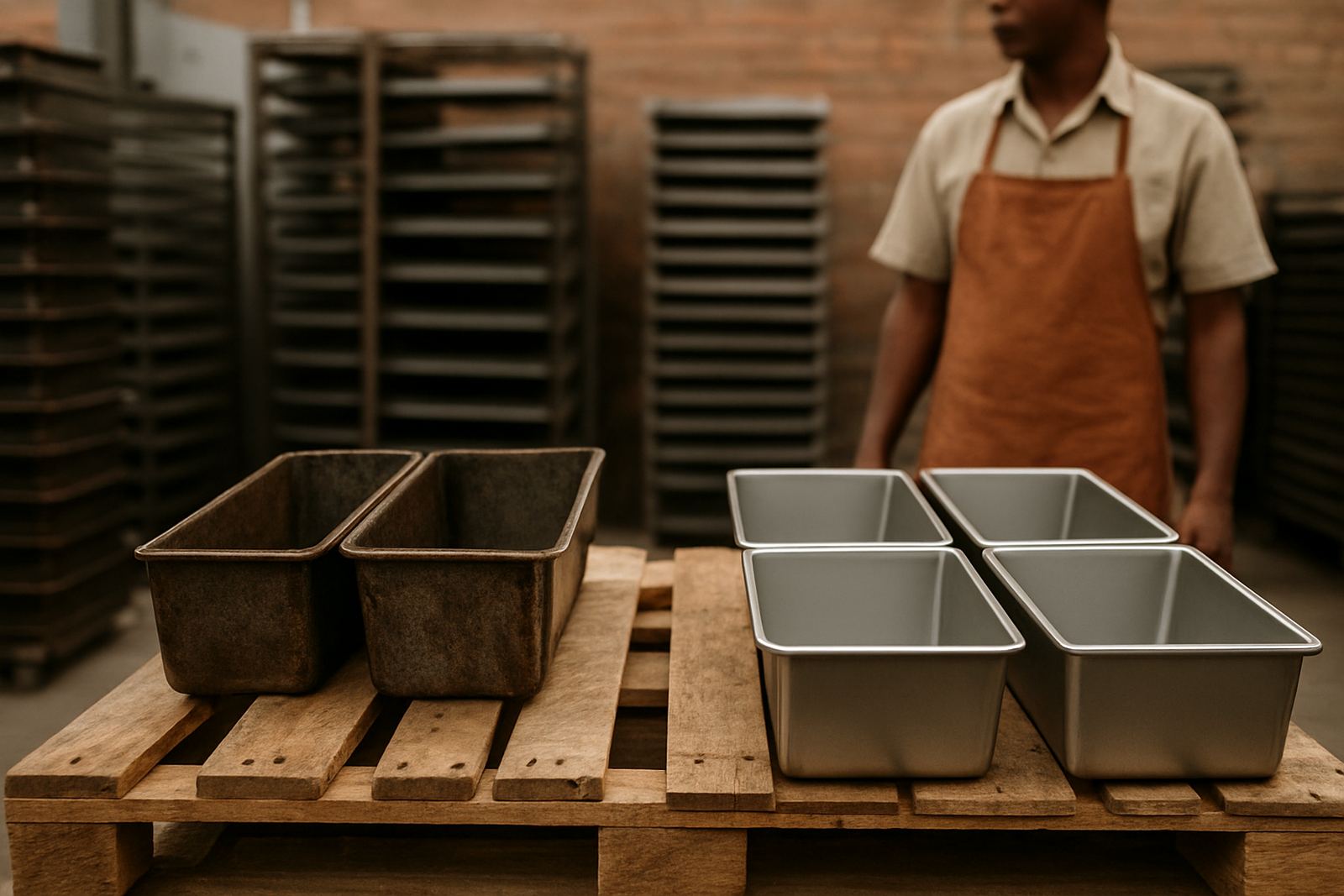
Standard pans are useful, but specialist baking often has its own footprint. A retail bakery may need trays sized to suit a proving trolley. A plant bakery may need a steel floor tile to match an oven deck opening. A hotel kitchen may want narrower bread pans so handling is easier during busy service. That is where a custom batch earns its keep.
- New product launches with a limited first run
- Replacing old pans that are no longer available
- Matching a specific oven, trolley or rack spacing
- Testing whether a new portion size will sell
- Filling a short term gap after damage or wear
Small run work is also helpful when a site is not ready to commit to a large order. Maybe the recipe is still being refined. Maybe the oven is due for servicing and nobody wants to order in bulk before the final measurements are confirmed. A short batch gives room to adjust without wasting material.
What needs to be right before steel is cut and formed
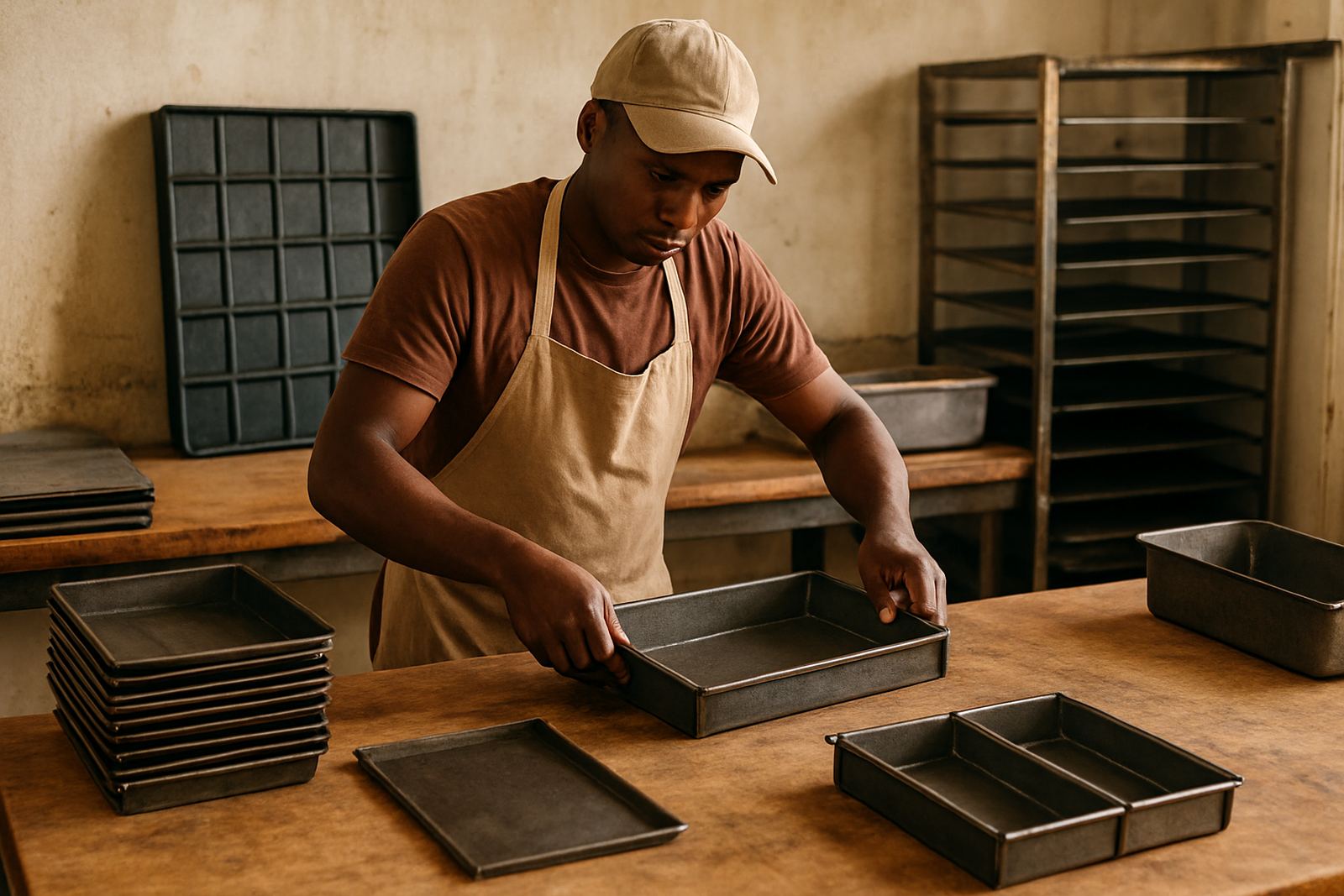
Good custom work starts with measurements and a clear picture of how the tray will be used. Width, depth, lip height, corner shape and handle clearance all affect how the pan performs on the line. The team also needs to know the oven temperature range, whether the pans will be stacked, and if the bakery runs high humidity storage near the coast.
At the Westmead base, the first questions are usually practical ones: What is the product? How heavy is the dough? Will the tray sit on rails or on a solid floor? Does it need to fit a specific conveyor or loader? That information matters because a pan that is fine for one site may fail at another if the steel thickness or reinforcement is wrong.
For bakeries in Durban and Pinetown, coastal moisture can speed up corrosion if the finish is poor or cleaning is harsh. For inland sites, load shedding and cold starts can change how fast the oven recovers. A custom batch needs to suit the real working conditions, not just a drawing on paper.
- Exact internal and external measurements
- Desired steel thickness and finish
- Expected heat level and cleaning method
- Number of pieces needed for trial or replacement
- Any local fitting issues, like rails, trolleys or deck sizes
The value of small batches in a tough operating week
When production is under pressure, waiting months for a large order can cost more than the tray itself. A small run can keep a product in the market while the bakery sorts out a bigger procurement plan. It can also help a maintenance team keep ovens and pans working while repairs are scheduled.
We often see this with plant bakeries that are balancing old and new equipment. A line may have one section of worn trays and a few sections still serviceable. Instead of replacing everything at once, a short custom batch lets the site keep going in stages. That is easier on cash flow and reduces disruption.
For retailers and hotels, small run work is useful when seasonal demand changes. Easter, Christmas and school holidays all create different volumes. A custom batch can support a promotion or a menu change without leaving the business with surplus stock in the back room.
Local example: matching a replacement tray run in Durban
A Durban-based bakery came in needing a small batch of trays for a product that was doing well on weekends but not yet ready for full scale rollout. The old trays had started to twist on cooling, and the oven operator was spending too much time adjusting spacing. The site did not want a large order because the recipe was still being tested and the oven deck layout was due for review.
After measuring the existing setup, the team supplied a short run that matched the rail spacing and baking depth. The result was not glamorous, just cleaner handling and fewer rejects. That is the point. Small run custom work is often about keeping the line steady, not making noise about it.
The same approach works for a hotel in the Upper Highway area that needs a small number of bread pans for buffet service or a retailer in New Germany wanting a limited tray run for in store baking. The job is smaller, but the standards are the same.
How to order small run custom work without wasting time
A clear brief saves both sides time. The best jobs arrive with samples, measurements and a plain explanation of what has gone wrong or what must be matched. If a tray is being copied, send the worn one in. If a pan has failed at the corners, say where the stress is showing. If the oven floor tile must match an existing section, provide the opening size and photos of the seat.
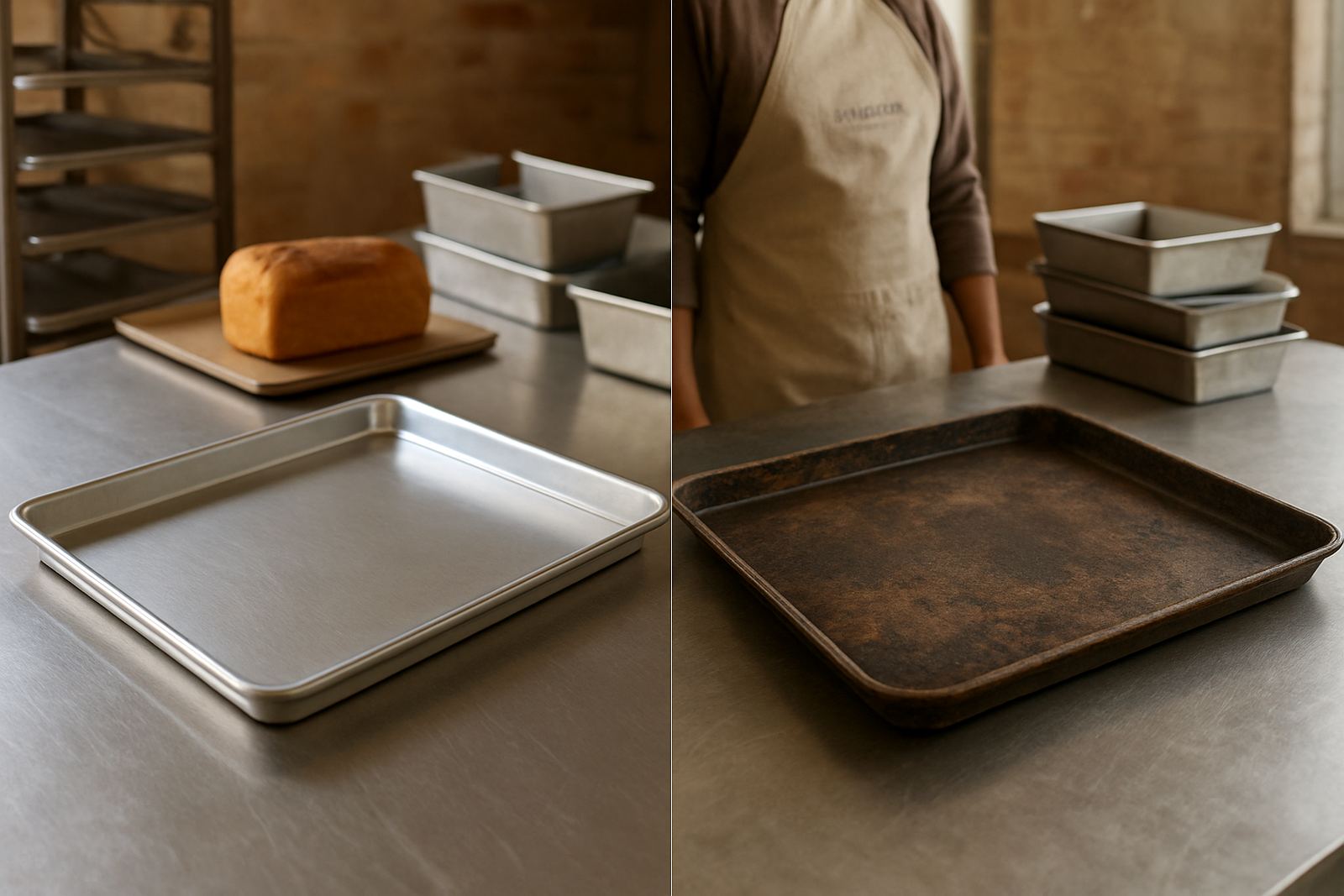
Small runs are also the right time to ask about repair options. In some cases a pan can be straightened, corner repaired, rim repaired or weld repaired instead of replaced. A deep clean or pan recoating may also extend the life of a batch while a replacement plan is being worked out. That kind of decision is often better than ordering new too early.
- Send a sample or clear photos
- State the quantity you really need, not a guess
- Explain the oven or trolley it must fit
- Tell us whether it is for trial, replacement or expansion
- Include your town and any delivery constraints
For bakeries working in Westmead, Pinetown, Durban and across KwaZulu-Natal, that direct approach helps keep the turnaround realistic. It also means the finished trays are more likely to work first time, which is what matters on a busy floor.