Why a clean unit tells the real story
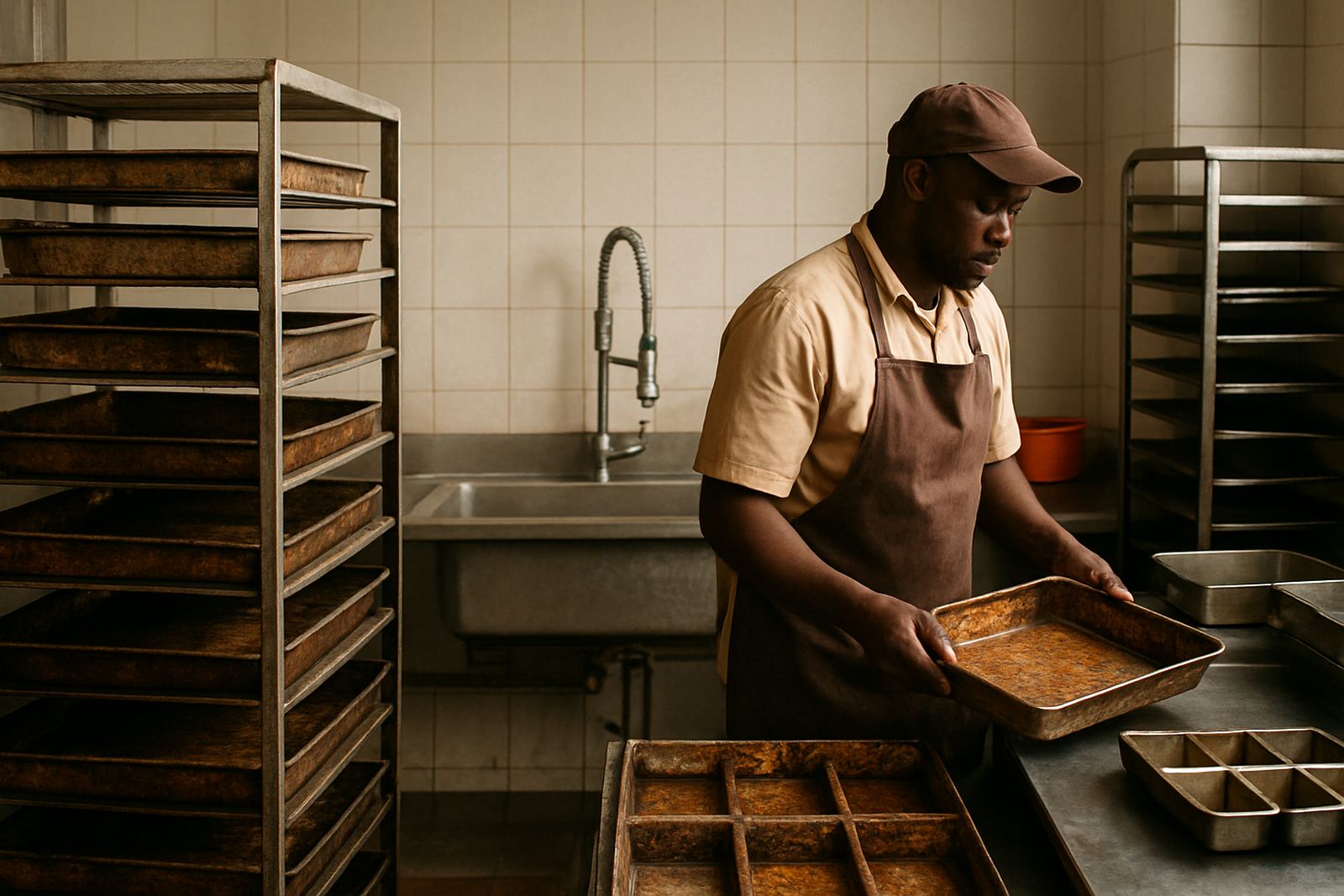
When a pan or tray comes in caked with old fat, carbon build-up or baked-on dough, the first problem is not always the one you can see. A bent rim, a cracked weld, a warped base or thinning steel may be hiding under layers of residue. If the item is cleaned before service, the team can measure it properly and decide whether it needs straightening, repair, recoating or replacement parts.
This matters for plant bakeries, hotel kitchens and retailers that run tight production schedules. A quick pre-clean can save time later because the inspection starts with the metal itself, not the dirt on top of it.
What gets missed when items arrive dirty
Grease and baked-on flour can make a tray look sound when it is not. It can also make a pan seem worse than it is, which leads to the wrong recommendation. In our workshop, dirty items often hide:
- hairline cracks in corners and seams
- lifted welds on handles, rims and joints
- twist in the frame that affects stacking
- hot-spot burn marks where the steel has been stressed
- corrosion starting under old coating or residue
If the item is only lightly cleaned, these faults are easier to catch on the first pass. That gives a better result and avoids repeat trips for the same pan.
A practical pre-service clean that works in the plant
You do not need a polished finish. What helps most is a practical clean that removes loose debris, grease and burnt product from all contact areas. For many customers this means a washdown at site, then a proper degrease before collection. In coastal areas like Durban and Pinetown, where humidity keeps moisture on steel for longer, drying after cleaning is just as important.
A simple method is to brush off loose crumb and flour first, then use hot water and a suitable degreaser. Rinse thoroughly, dry well and stack the items so air can move between them. If pans are left wet in a crate, rust can start before they even reach the workshop. That is a costly delay for something that was avoidable.
- remove loose product before washing
- clean corners, seams and handles by hand
- dry fully before packing
- separate damaged items from serviceable stock
Cleaning helps us quote the right repair, not the guess
Once an item is clean, we can do a proper fleet assessment and record the real condition. That supports accurate pricing for pan recoating, tray recoating, pan straightening, corner repairs, rim repairs, lid repairs and weld repairs. It also helps us decide whether an item can be restored economically or whether the damage is too far gone.
For plant bakeries, this saves money in the long run because the quote matches the actual work needed. For hotel kitchens and smaller operations, it keeps the turnaround honest and clear. There is no point paying for a repair that should have been spotted earlier, or missing a fault because residue hid it.
How a local bakery in Westmead cut repeat repairs
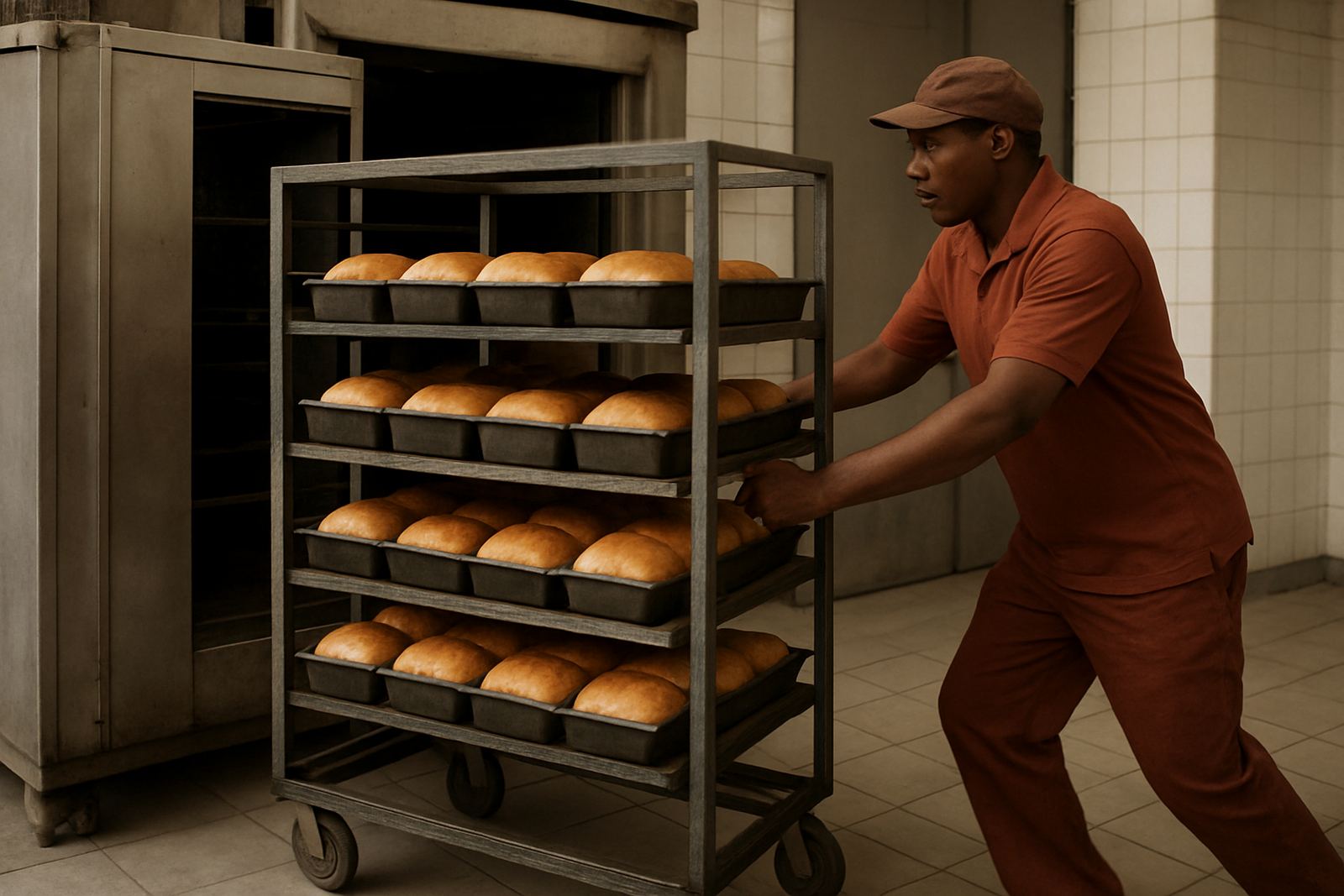
One Westmead plant bakery sent in a mixed batch of bread pans after a busy month. The first delivery was full of grease build-up and hardened dough around the corners. Several pans looked like they only needed coating, but once cleaned properly the team found split seams and twisted rims on a number of them. After that, the bakery changed its process and started sending pans in after a quick site clean and dry-down.
The result was simpler assessments, faster repairs and fewer surprises on collection. Their production team also found it easier to track which items were worth recoating and which ones needed more work. It was a small change, but it made the servicing cycle much cleaner, and less disruptive.
What to send with the cleaned items
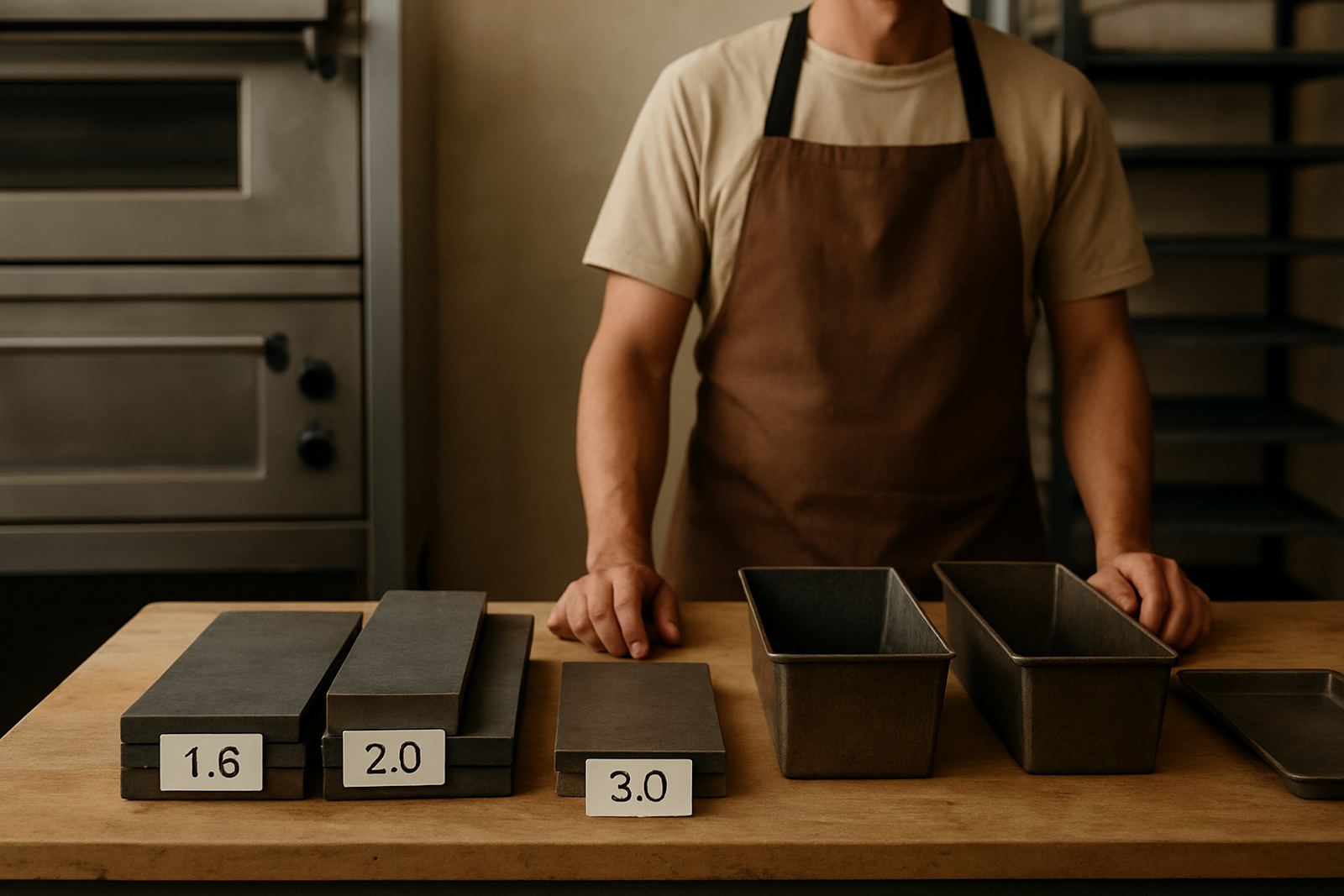
Good cleaning is only part of the process. It also helps to label or group the items before they leave site. Keep similar trays together, separate bread pans from custom items, and note any recurring faults. If a particular rack, oven line or product causes repeated wear, say so at handover.
- item counts by type and size
- notes on cracks, bends or leaks
- the oven or line where wear is happening
- whether the item is for recoating, straightening or welding
This kind of information lets us work more accurately and keeps the job moving. It also helps if you are running across more than one site, whether that is in Durban, New Germany, the Upper Highway or elsewhere in KwaZulu-Natal.