Why Straight Bakeware Starts With Dispatch
At a plant bakery, a delivery that arrives with twisted trays or dented pans can stop a shift before the ovens are even warm. That is why dispatch is part of the product, not an afterthought. When steel floor tiles, bread pans or custom trays leave Westmead, they should be secured so they can handle hand loading, forklift movement and the bumps that come with local and long distance freight.
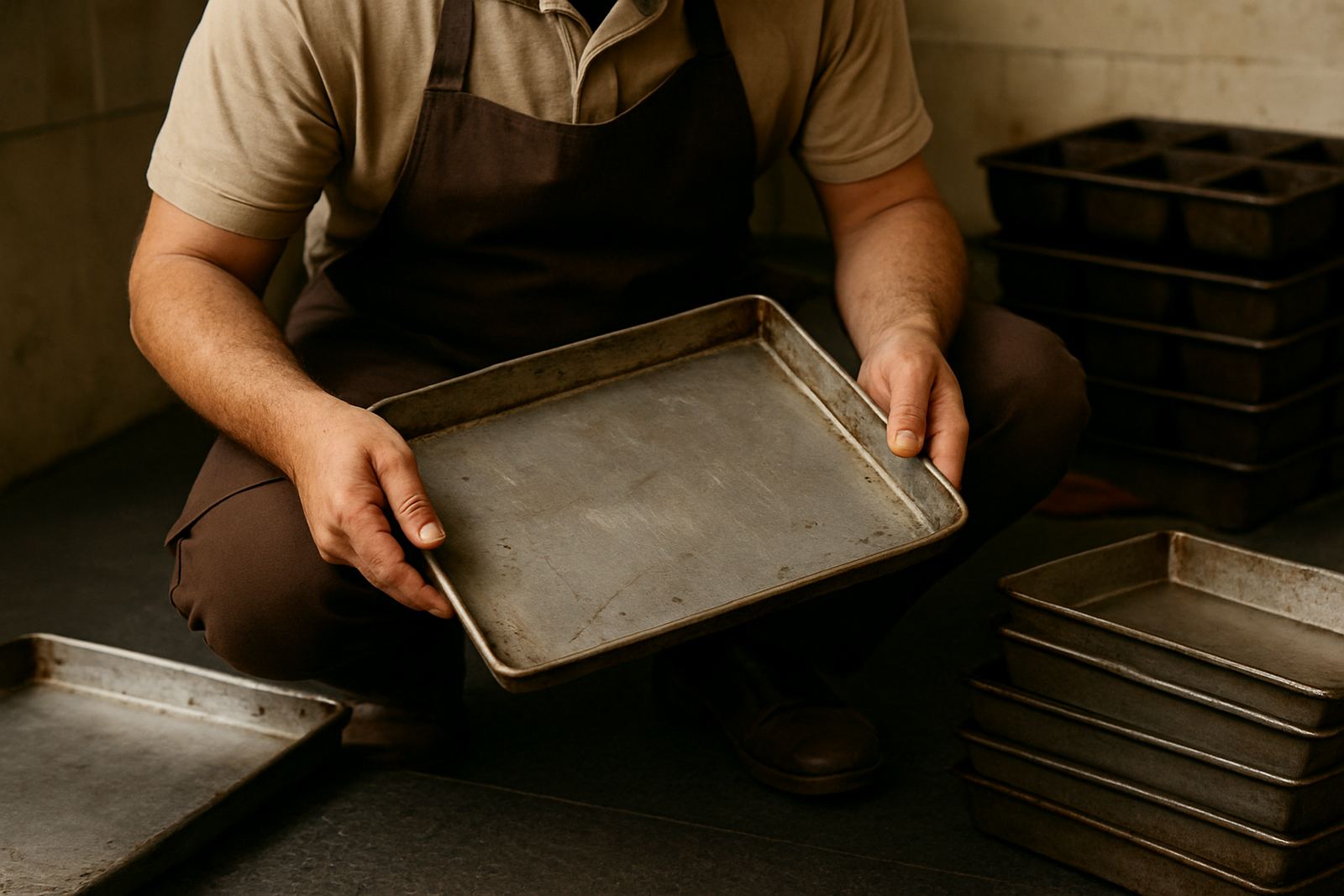
Most damage happens in small ways. A tray edge rubs against another tray, a lid shifts in transit, or a strap is pulled too tight on one corner and the frame takes the strain. By the time the load reaches Durban, Cape Town or a bakery in Limpopo, the item may still look fine at first glance, but it no longer sits square in the rack. That is the kind of fault that shows up only when the shift is under pressure.
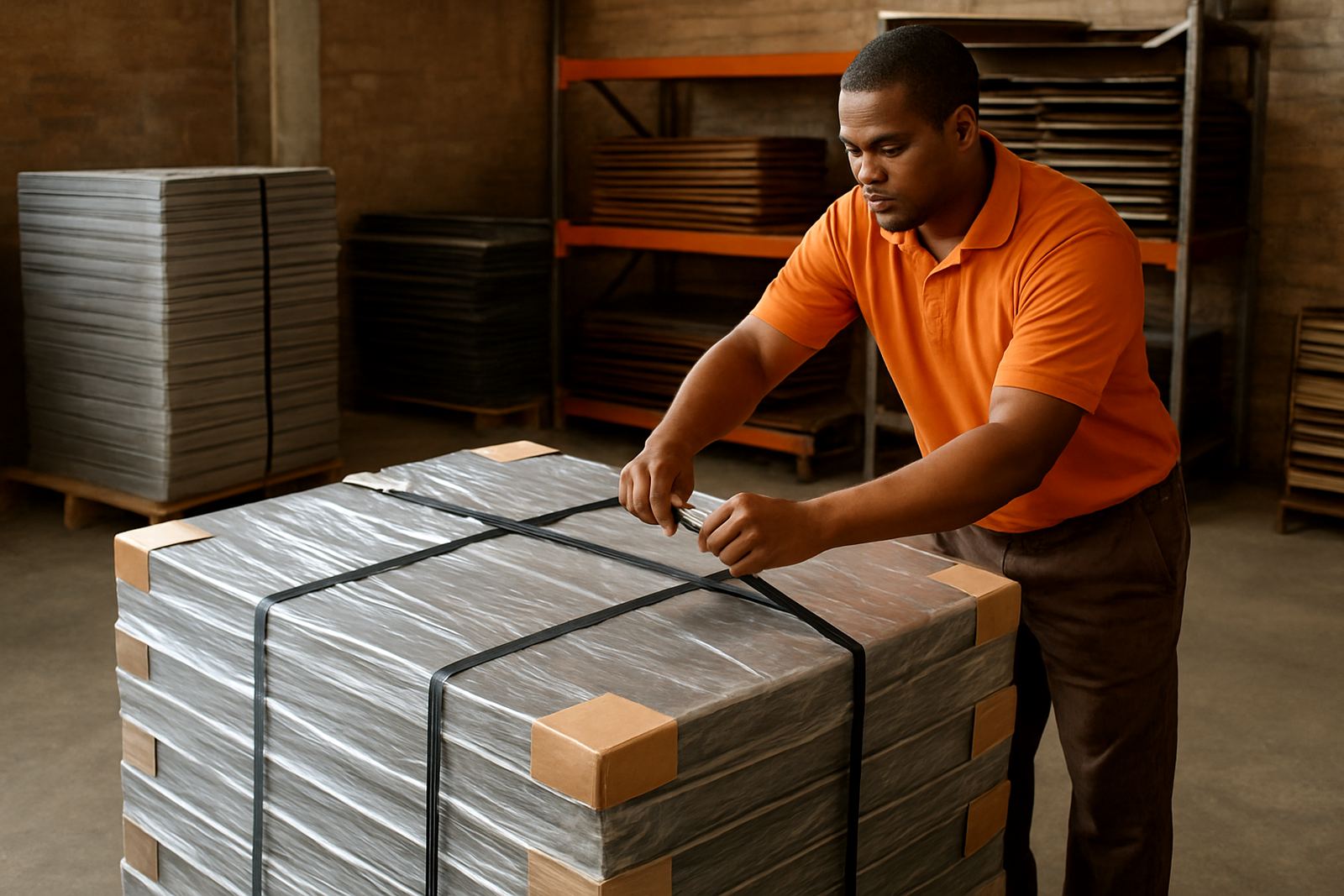
Good dispatch starts with matching the packing method to the item size, weight and shape. A bread pan needs support along its full length. A custom tray may need corner protection. Steel floor tiles need separation so the working faces do not scrape each other. If the load is going to a coastal area, the packing should also guard against humidity and salt air during the road trip and while the consignment waits offloading.
Pack For The Trip, Not Just The Yard
Many packing problems come from assuming the journey will be short and gentle. In practice, a load can be handled three or four times before it reaches the customer. It may move from the workshop to staging, onto a truck, off at a depot, then into a plant store. Every handover is a chance for a lid to pop loose or a bundle to shift.
- Separate pans and trays with cardboard, foam or clean slip sheets so metal does not rub metal.
- Stack like sizes together and do not mix light duty items with heavy pieces in the same bundle.
- Protect corners with timber offcuts, angle protectors or folded board.
- Use straps that hold the load firm without crushing rims or distorting shallow trays.
- Mark the top side clearly so the receiving team does not flip the load by mistake.
If a consignment includes recoated pans, the coating should be fully cured and dry before packing. Fresh surfaces can mark easily, especially in warm weather or if the truck stands in the sun at a loading bay. A simple sheet of protection between layers saves more money than rework later, and it keeps the finish usable from the first bake.
How To Protect Steel Floor Tiles
Steel oven floor tiles are made to sit flat and carry heat, so they need special care in transit. Their biggest enemy is edge damage. A small bend at one corner can make the tile rock in the oven bed and create an uneven surface. That affects airflow, heat transfer and bake consistency, which is not something a plant bakery can ignore when volumes are high.
Each tile should be packed so it cannot slide against the next one. If the tiles are being sent to a hotel group or retailer with several stores, the load should be grouped by size and clearly labelled by site. That makes offloading easier and reduces the chance of a tile ending up on the wrong rack. It also helps maintenance teams keep matching sets together, which matters when replacements are needed months later.
- Place a divider between every tile or every few tiles, depending on thickness.
- Use a rigid base so the stack stays flat from pallet to truck floor.
- Keep the stack within the pallet footprint to avoid overhang.
- Band the load in a way that does not mark the working surface.
Westmead, Pinetown is not far from the N2 and the freight routes into Durban, but even a short run can shake a poorly packed stack. In KwaZulu-Natal humidity, any pause at a depot or yard can also bring surface moisture. Dry packing material, clean wrapping and sensible spacing are basic safeguards, not extras.
Lids, Repairs And Recoated Items Need Extra Care
Items that have been repaired or recoated often need more protection than new stock because their value is in the restored finish and correct fit. A repaired rim, straightened pan or lid with a fresh weld point should never be packed loose in with heavier pieces. One knock at the wrong angle can undo careful work. That is particularly true for spare lids, which can dent easily and then fail to seat properly on the pan or container.
For recoating work, we recommend a clear handover process before dispatch. The item list should show what was done, what still needs checking and whether any surfaces must not be stacked directly on another item. If there are small parts, they should be bagged and fixed to the main bundle so nothing goes missing in transit. It sounds basic, but it saves hours when a site receives several pallets at once.
When a bakery in Pietermaritzburg or on the North Coast orders multiple repaired items, a labelled dispatch note helps the receiving team separate straightaway usable stock from items that need a final inspection. That matters during load shedding too, when receiving windows can be short and stores may need to close before the whole delivery is unpacked.
Local Delivery Means Thinking About Real Conditions
South African deliveries deal with a mix of road conditions, long distances and weather changes. A load leaving Westmead can face stop-start traffic, warehouse handling in Durban, then a long highway run inland. The packing has to cope with vibration, heat and the chance that the truck will stand for a while before offloading. If the load is going to a bakery near the coast, it should also be protected from salty air while in transit and during storage.
One Durban bakery once received a mixed delivery of trays and pans packed too tightly against each other. Nothing looked broken, but several items had slight edge distortion that only showed when they were placed on the rack. The team had to spend time sorting, flattening and checking fit before production could start. That lost time is avoidable. Proper packing means the receiving crew can move straight to storage or production, not workshop triage.
- Choose pallet sizes that suit the load, not the other way round.
- Keep heavy items low and centred.
- Label each pallet with item type, quantity and site name.
- Use clean wrapping so grease, dust and grit do not transfer to the working surface.
Good dispatch protects more than the steel. It protects schedules, labour and oven time. For plant bakeries, hotels and retailers, that is the real value of careful packing.
What To Check Before The Truck Leaves
Before dispatch, there should always be a final check against the order. The team should confirm quantities, sizes, finish type and any special handling instructions. If the consignment includes custom trays or multiple pan sizes, the packing list needs to be clear enough for someone at the other end to identify each item without opening every bundle.
A simple departure check should cover stability, wrap condition and corner protection. It should also confirm that straps are tight but not damaging the goods. If there is a chance of rain, the load should be covered properly from the start rather than by a loose sheet thrown over the top at the last minute. In our line of work, a small bit of prevention is cheaper than straightening and resending damaged items.
The goal is easy to state: the bakeware should arrive straight, dry and ready to use. If dispatch is handled with the same care as fabrication, the customer starts with equipment that fits the rack, holds its shape and gets straight into service.