Start with the pan as it really is, not how it should be
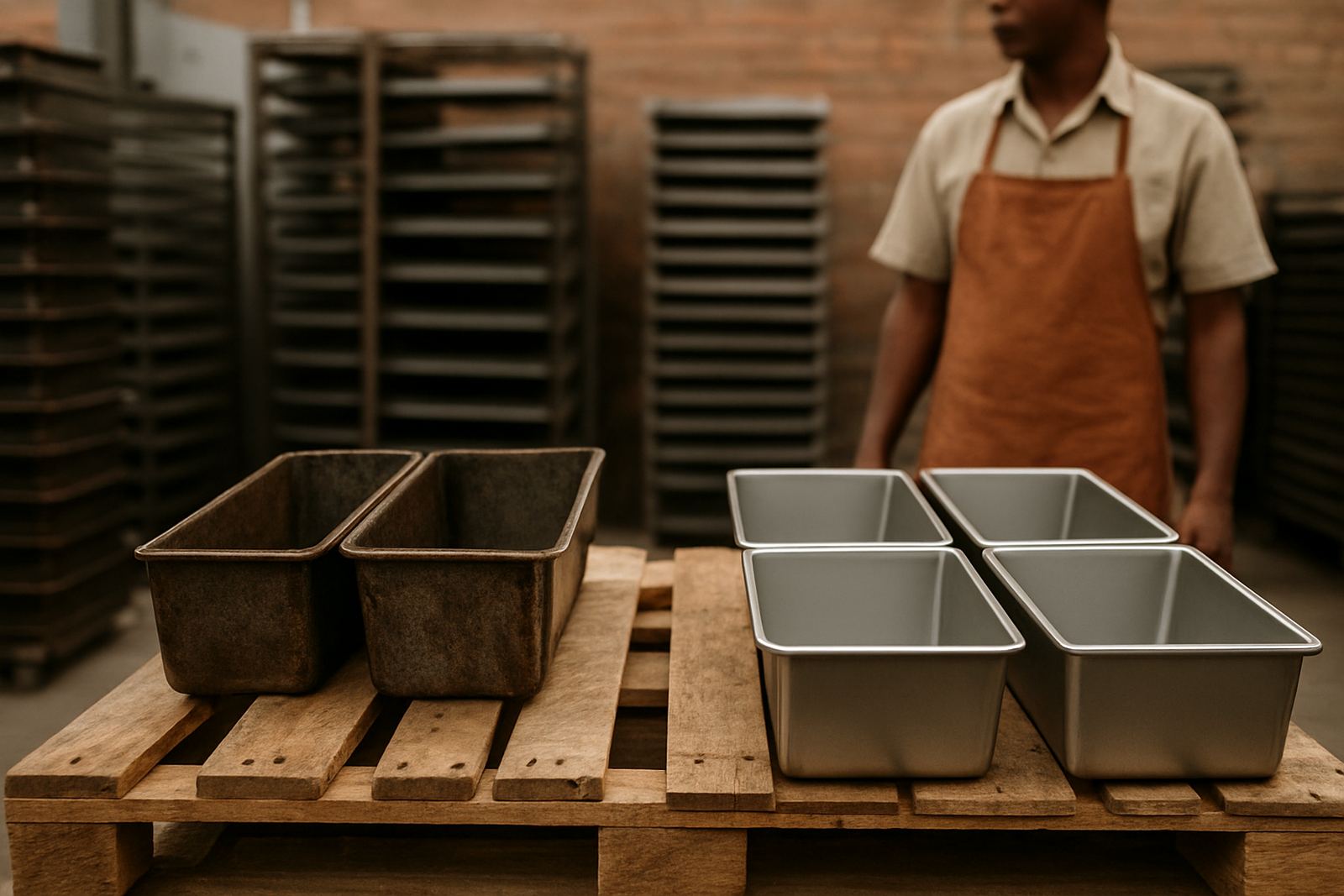
Old bakeware usually tells a story. A bread pan may have a bowed base, worn corners, a slightly flared rim or a lip that has taken a knock over years of use. Before any replacement is made, that wear has to be noted. If you measure only from a damaged edge and treat it as original, the new pan can end up too tight in the oven rack or too loose on the tray line.
The best approach is to clean the item first, remove baked-on build up and look for bends, cracks and heat damage. In many cases, the customer wants a matching replacement because the old batch still sits correctly in the oven or on a trolley. That means we measure the working shape, then compare it with the wear. It is simple, but it prevents a lot of waste later.
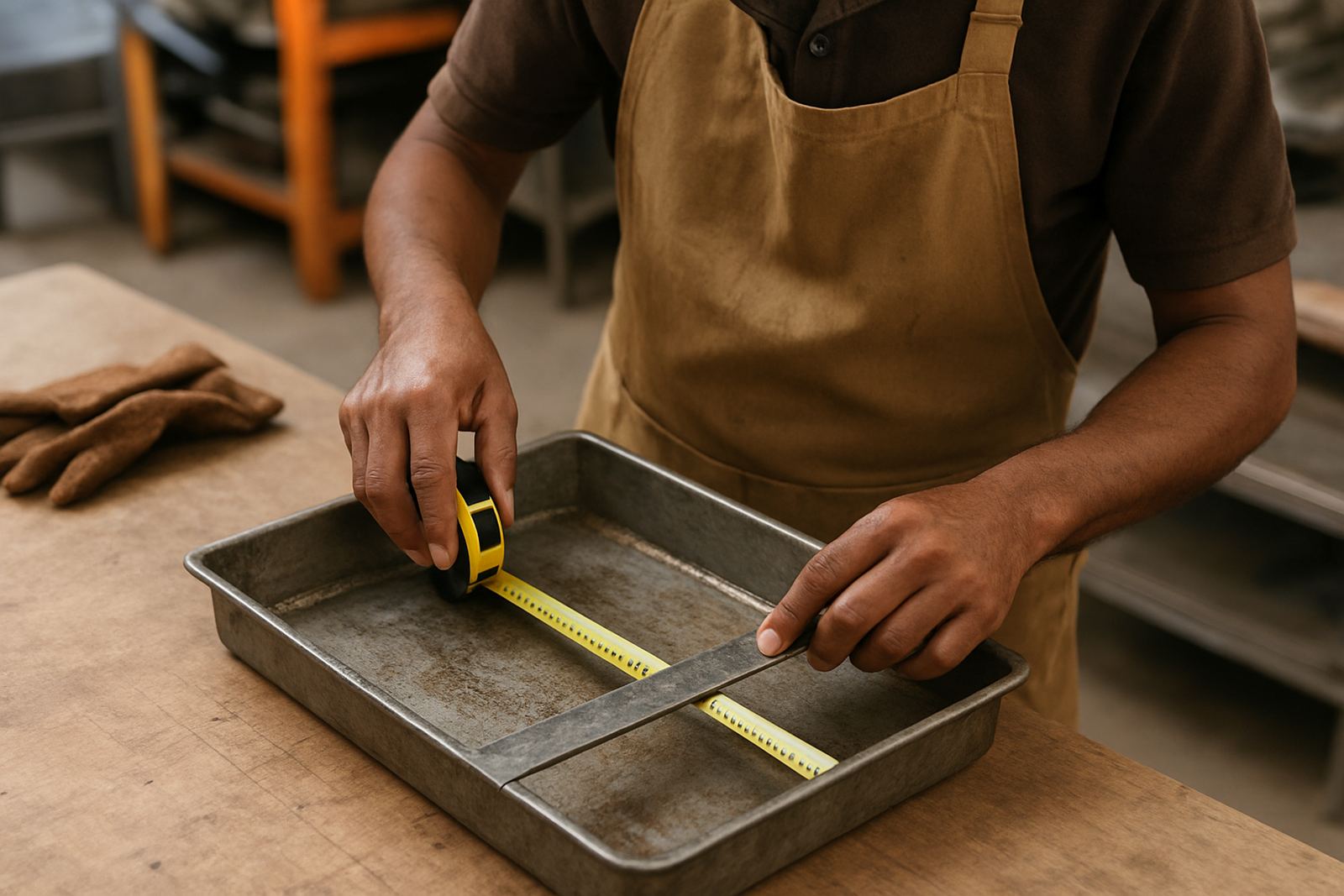
The key measurements we check every time
For bread pans, trays and floor tiles, the important sizes are not always the same. A pan can look standard until you put a tape on it and find the base is 3 mm out, or the rim has spread over time. That small difference can stop a whole production line from stacking properly.
- Overall length, width and height
- Internal depth and usable cavity size
- Base size and corner radius
- Rim width, fold type and lip return
- Wall thickness and material condition
- Any handle, flange or locating feature
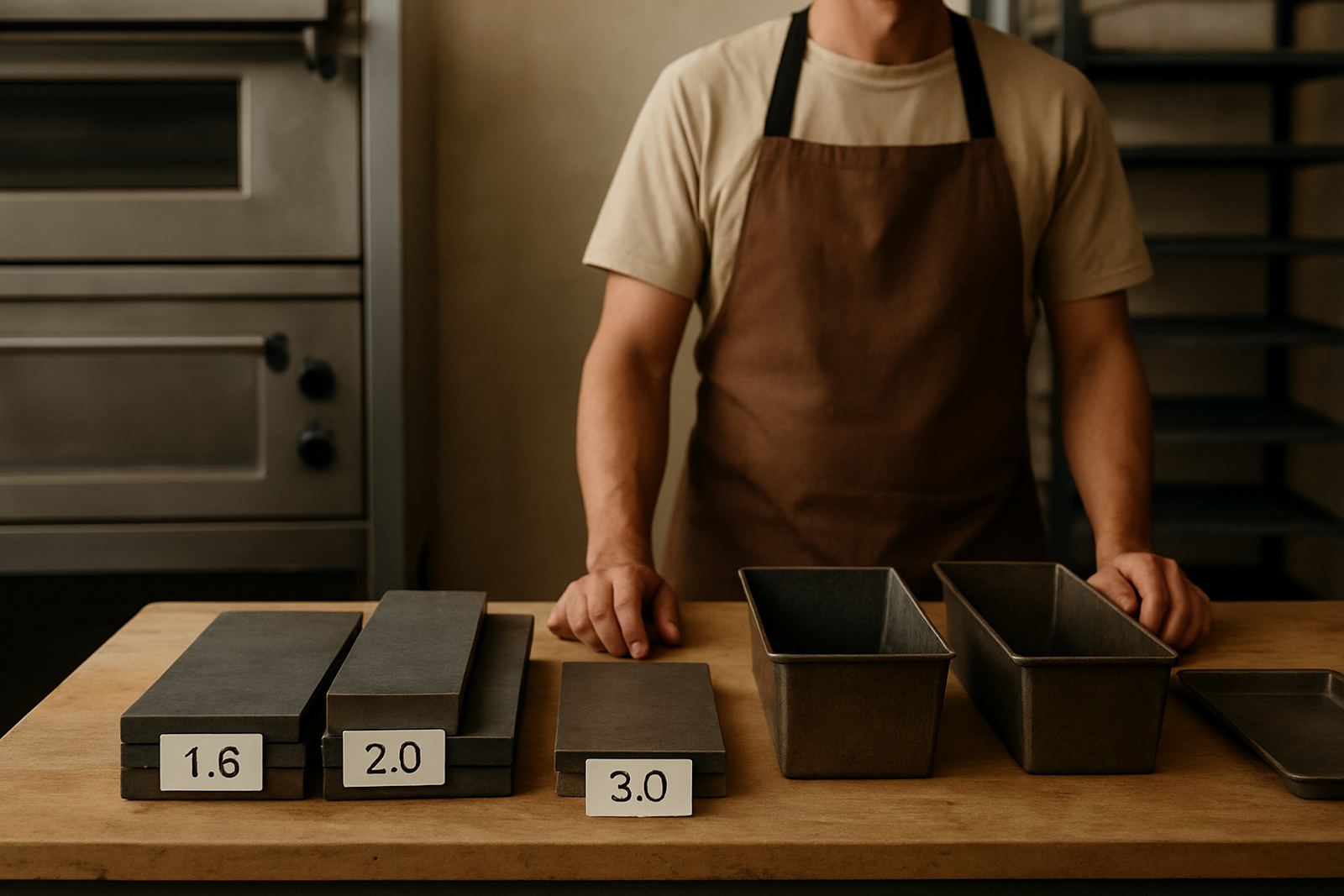
For steel oven floor tiles, the measurement must include the tile thickness, edge finish and any bend or return on the sides. Where tiles sit in a frame or on an oven deck, even a few millimetres can affect installation. We often ask for the full set of adjoining tiles so the new one lands correctly without forcing.
How wear and repair history change the reading
Many old pans have already been straightened, welded or recoated more than once. That matters. A repaired corner may no longer match the original mould line, and a reheated weld can pull the metal slightly out of shape. If a tray has been straightened badly in the past, the side may measure correct in one place and wrong 30 cm away.
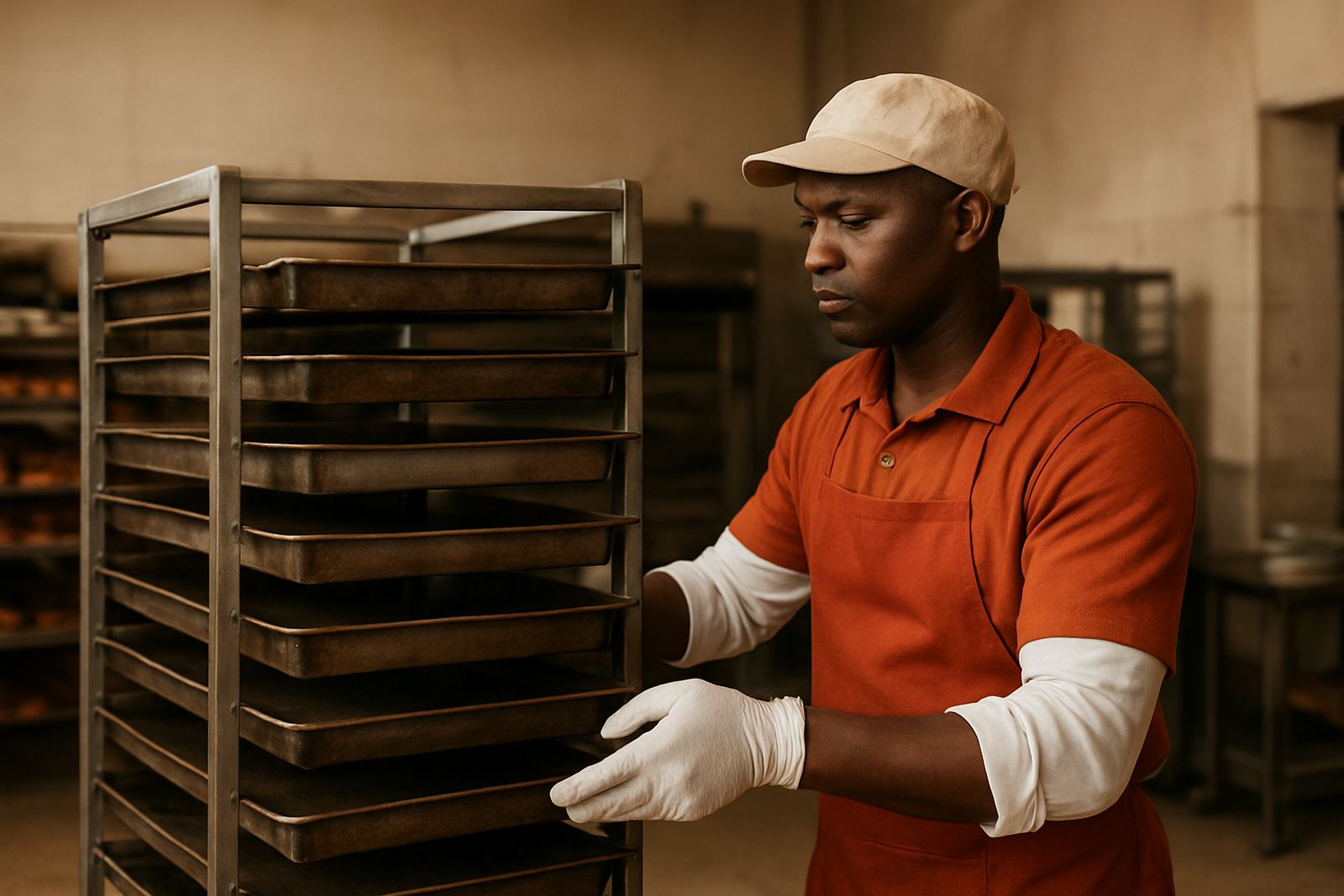
That is why we do not rely on one single measurement. We check the item end to end, then mark the points that are true and the points that have drifted. On older plant bakery pans, the base often sags from heat and load, while the rim stays nearly right. In those cases we measure both the damaged item and the fit it must still achieve in the oven or trolley. It is a practical job, not a paper exercise.
What customers should send us before asking for a match
Clear information speeds up the quote and helps us avoid guesswork. If the item is a common pan, we may already know the style. If it is an older or custom piece, photos and a few direct measurements make a big differnce.
- One clean sample pan or tray if possible
- Top, side and base photos in good light
- Measured length, width and depth
- Any markings, weld points or special folds
- How the pan sits in the oven, trolley or rack
- Whether the item must match an existing set
For plant bakeries around Durban, Pinetown and New Germany, we often work from a sample delivered to our Westmead base. For customers further afield, a couriered sample is usually the safest route. A quick phone call helps too, especially when the old pans have been in service for years and the original spec is long gone.
A local example from Westmead to a bakery line
A bakery in the Pinetown area came to us with a run of old bread pans that had lasted through hard daily use. Some pans were still serviceable, but the rims had spread and the bases were not sitting evenly on the oven deck. The production team wanted replacements that would fit the same racks, because changing the full line would have interrupted baking for too long.
We measured one sound example, then checked the worn pans against it to allow for the small changes from heat and repeated cleaning. The replacement pans were made to suit the line as it was actually running, not as it might have looked on paper years ago. That saved the customer from trial-and-error fitting and kept the oven schedule moving.
Why accurate measuring matters more in coastal kitchens
In coastal KZN, steel bakeware sees humidity, salty air and frequent washing. Over time, that can affect thickness, finish and fit. A pan that is only a fraction off can start snagging sooner if it is already working hard in a hot, damp kitchen. That is why we tell customers to measure and store the sample in the condition it will usually live in.
Plant bakeries, hotels and retailers also need to think about load-shedding and production timing. If a replacement batch is made from poor measurements, the line may stop while the new pans are adjusted. A proper pattern check avoids that. It is better to spend a bit more time upfront than to have trays coming back from the line because one corner is out.
When to ask for recoating, straightening or a full remake
Not every old pan needs to be copied from scratch. Sometimes the best result is to save the original item with a repair. If the base is sound, recoating may extend service life. If the body is bent but still solid, straightening can bring it back into line. If the pan has cracked corners, failing welds or thin metal all round, a remake is usually the safer option.
- Use recoating when the surface is worn but the shape is still good
- Use straightening when the metal is bent but not split
- Use corner or rim repairs when the damage is localised
- Use a full remake when the metal is thin, cracked or badly distorted
At Bakerite, we look at the item, the production use and the fit before advising what makes sense. That way the customer gets bakeware that works in real conditions, not just a neat drawing.