From pressed steel to first heat in the oven
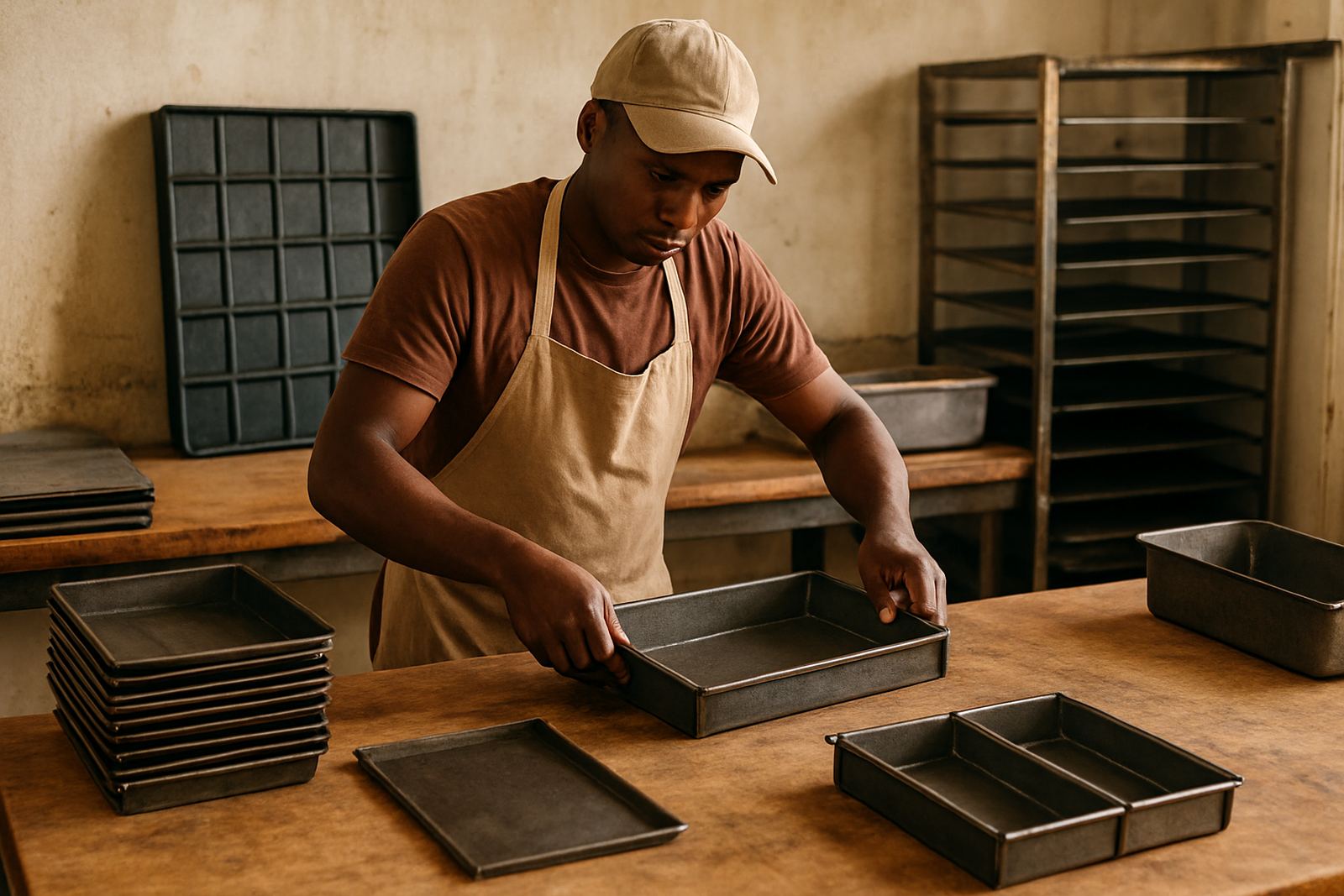
The life of a pan starts long before the first loaf goes in. At Bakerite, steel bakeware is made for plant bakery conditions, where heat, steam, handling and wash-down all work the metal hard. The first job is getting the shape right, because a pan that starts off out of square will give trouble for years. Straight sides, even corners and proper rim formation all matter when the line is running at speed.
In Westmead, Pinetown, the work begins with steel selection, cutting, folding and welding where needed, then the finish that helps the pan cope with repeated baking cycles. The original Bakerite steel floor tile was made for exactly this kind of duty. It is the same thinking that applies to bread pans, custom trays and floor tiles now: make it strong enough for daily use, but easy to handle and service when the years start showing.
- Good manufacture reduces sticking, distortion and uneven loaf shape.
- Correct sizing matters for proofing, oven loading and stacking.
- Clean welds and straight rims help the pan last longer under plant conditions.
How daily production wears bakeware down
Most pans do not fail because of one big incident. They wear down little by little from heat, vibration, knocks and cleaning. High-volume bakeries in Durban, Pinetown, New Germany and further afield often see the same pattern. The base starts to bow, corners soften, rims open up, then lids stop seating properly. On some lines, repeated loading and unloading does more damage than the oven itself.
Coastal humidity in KwaZulu-Natal can add another layer of trouble. If pans are left damp after wash-down, or stacked while still holding moisture, surface condition declines faster. In bakeries that run through load-shedding and generator changes, temperature swings can also affect how trays behave. The trick is to look at the whole handling cycle, not just what happens inside the oven.
- Watch for dark patches that do not clean off, that can signal coating failure or carbon build-up.
- Check for wobble on flat surfaces, especially on floor tiles and long trays.
- Look at the corners and rims first, because damage there usually spreads.
The repair stage that keeps pans in service
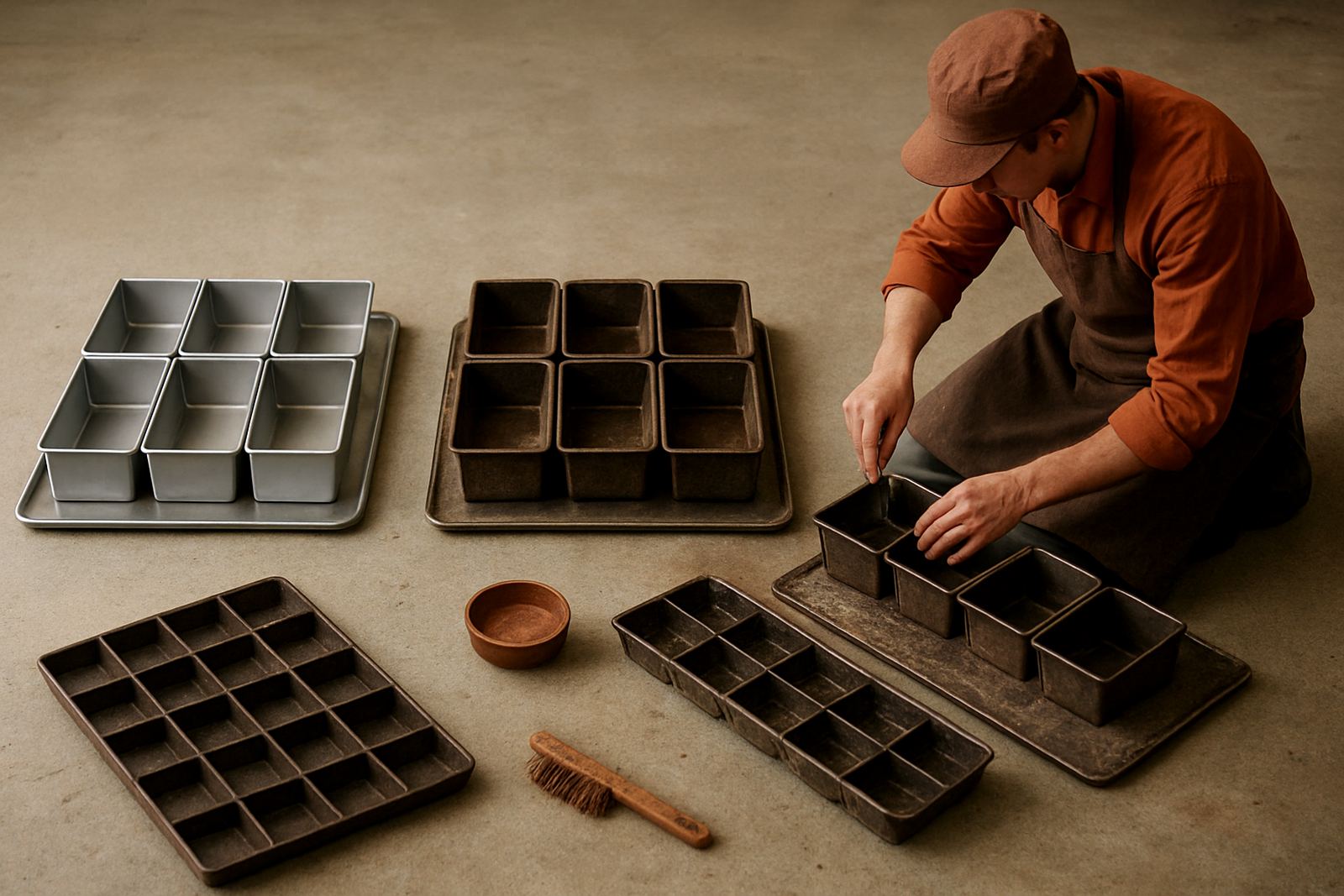
Once a pan starts showing wear, the question is not always replacement. Many items can stay in service with the right attention. Bakerite handles pan recoating, tray recoating, pan straightening, corner repairs, rim repairs, lid repairs and weld repairs. That service stage matters because it keeps capital items working instead of sending them straight to scrap.
A plant bakery in the Upper Highway area might send a batch of tired pans for deep cleaning and straightening before ordering new stock. A hotel kitchen may need spare lids and a few weld repairs to keep the line moving through a busy season. Recoating is often worthwhile where the metal body is still sound, but the surface has lost performance. It is not a once-off fix it needs checking against the way the pans are actually used.
- Repair is usually worthwhile when the frame is sound and the damage is localised.
- Deep cleaning helps reveal the true condition before a big decision is made.
- Fleet assessment is useful when a site has many pans and no clear maintenance record.
Knowing when repair stops making sense
There comes a point where a pan has been straightened, patched and recoated enough times that replacement is the better call. This is usually not about age alone. It is about metal fatigue, repeated warping, holes in the wrong places and the cost of losing product because a tray no longer performs evenly. If the same pan keeps causing rejects, labour waste or oven loading problems, it is costing more than it should.
For bakeries supplying retailers, consistency is everything. A pan that bakes one side darker than the other can mean sorting, rework and customer complaints. In that case, a replacement run may save more than another repair round. The same applies when lids no longer seal cleanly or when the rim has lost its shape to the point where handling becomes unsafe.
- If repairs are frequent and the same faults return, replacement should be considered.
- If warped pans are affecting loaf size or finish, the line will feel it in output.
- When the structure is failing, fresh manufacture is often cheaper over time.
A Westmead example from order to end of life
Consider a bakery in Durban that runs bread pans on a daily shift and also uses custom trays for rolls and buns. At first the pans leave Westmead in good shape, matched to the product and the oven setup. After years of heat, cleaning and handling, a few pans begin to sag. The bakery does not need to scrap the whole fleet. It can send the worst items for inspection, straightening and recoating, while replacing only the ones that are beyond repair.
That is the practical side of a bakeware life cycle. The aim is not to keep old equipment forever, and not to throw away serviceable pans too soon. It is to use each item for as long as it still produces clean, even results. For a plant bakery serving KwaZulu-Natal or moving stock nationally, that balance keeps spending under control and reduces unplanned downtime.
What to build into a maintenance routine
The best pan life cycle is managed, not guessed. A bakery that checks bakeware on a schedule will always do better than one that only reacts when production is already behind. Set aside time for cleaning checks, shape checks and coating checks. Separate damaged stock from working stock, and record which pans are repaired, recoated or retired. Small records make big decisions easier later.
At BAKERITE in Westmead, Pinetown, the team works with plant bakeries, retailers and hotels across South Africa, from supply to service and replacement. The point is simple: every pan has a working life, and the best value comes from knowing where it is in that cycle.
- Inspect after cleaning, not only after a breakdown.
- Keep damaged pans apart so they do not keep causing line problems.
- Plan for service before peak trading periods and holiday demand.
Replacement is not a failure, it is part of the process
In bakery work, replacement is just the final stage of a well-used asset. A pan that has given years of service has earned its retirement. The key is replacing it with the right specification, the right size and the right finish for the next stretch of production. When new manufacture and ongoing service sit together, the whole operation runs more predictably.
That is why the pan life cycle should be seen as one continuous process from first manufacture through repair, recoating and eventual replacement. It keeps the ovens fed, the product consistent and the maintenance budget easier to manage. In a business where every shift counts, that practical approach makes all the difference.