Small defects become lost output on the line
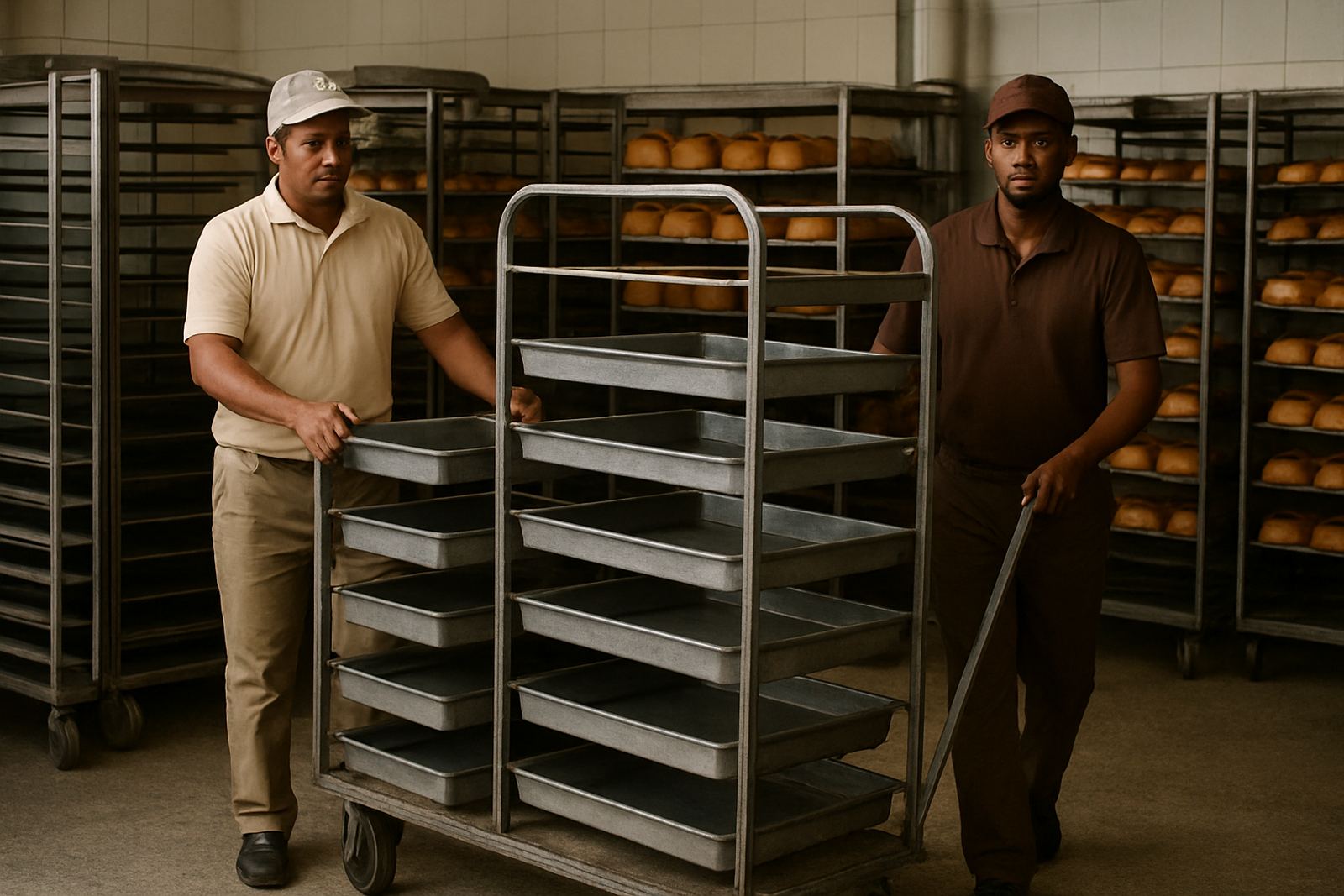
In a plant bakery, the trouble is rarely one dramatic failure. It starts with a tray that does not sit flat, a bread pan with a tired corner, or a floor tile that has lost its shape after years of heat and handling. The oven keeps running, but the product starts to suffer. That means more rejects, slower packing and more pressure on the crew to keep up.
When bakeware is mismatched across a line, one pan may brown faster than the next or stick where the rest release cleanly. That forces operators to watch each load more closely, adjust timing by eye and pull product early just to save a batch. Over a full day, those little corrections add up. In a plant making thousands of loaves or buns, even a few extra seconds per tray can become a real cost.
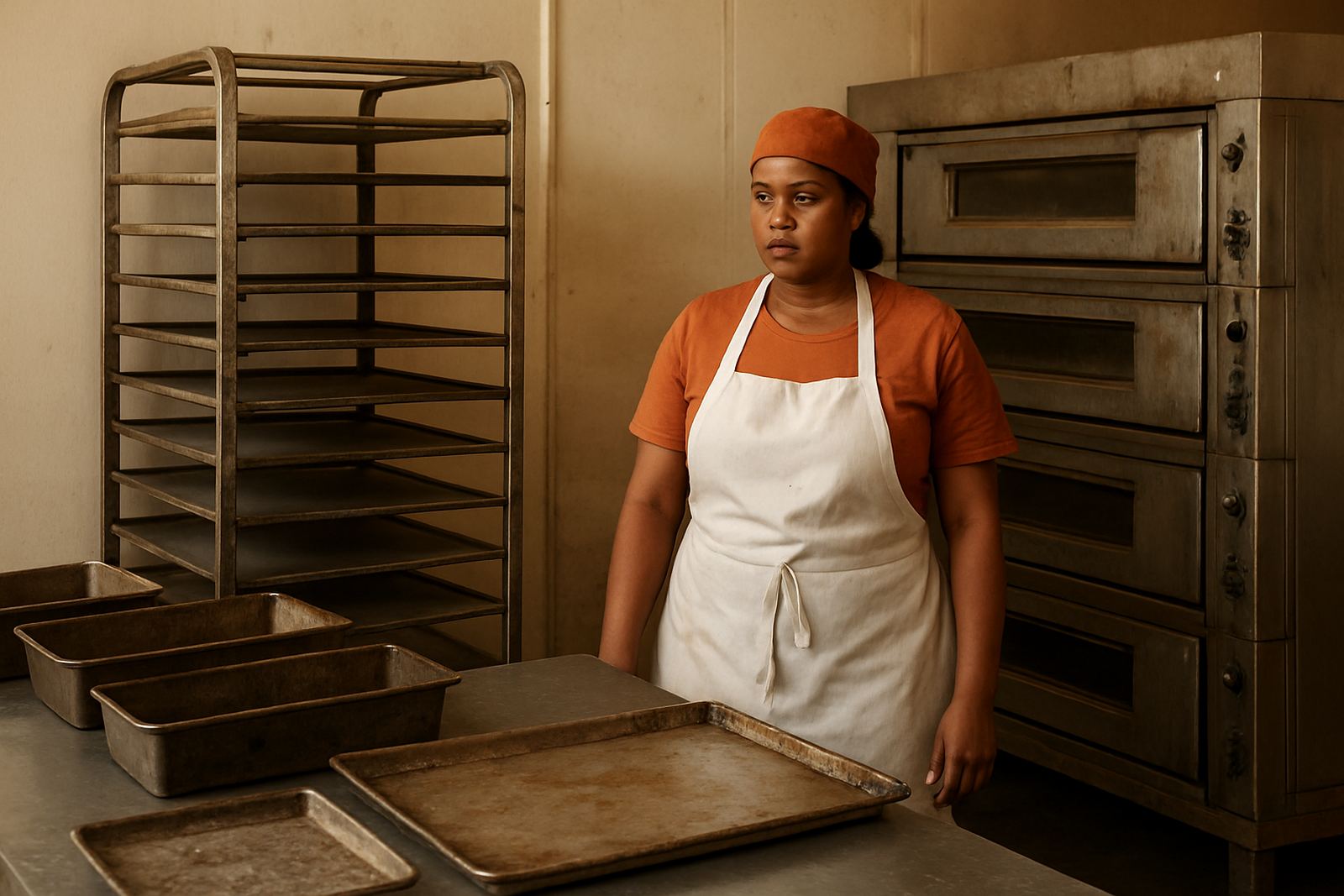
At Bakerite in Westmead, Pinetown, we see this with older lines that have grown by add-on. Some pans are sound, some have been repaired by hand, and others no longer match the original size. The line still runs, but the output is uneven and the foreman spends too much time chasing the same issue. That is not a recipe problem only, it is a bakeware problem too.
What worn bakeware does to yield and quality
Yield loss can be hard to spot because it looks like small breakage, a few burnt edges or a tray of buns that did not rise evenly. Yet if a pan is warped or a steel floor tile is no longer level, heat transfer changes. The product nearest the hot spot over bakes while the rest stays pale. On a humid Durban morning, that also means more sticking and more handling damage before the product even reaches the rack.
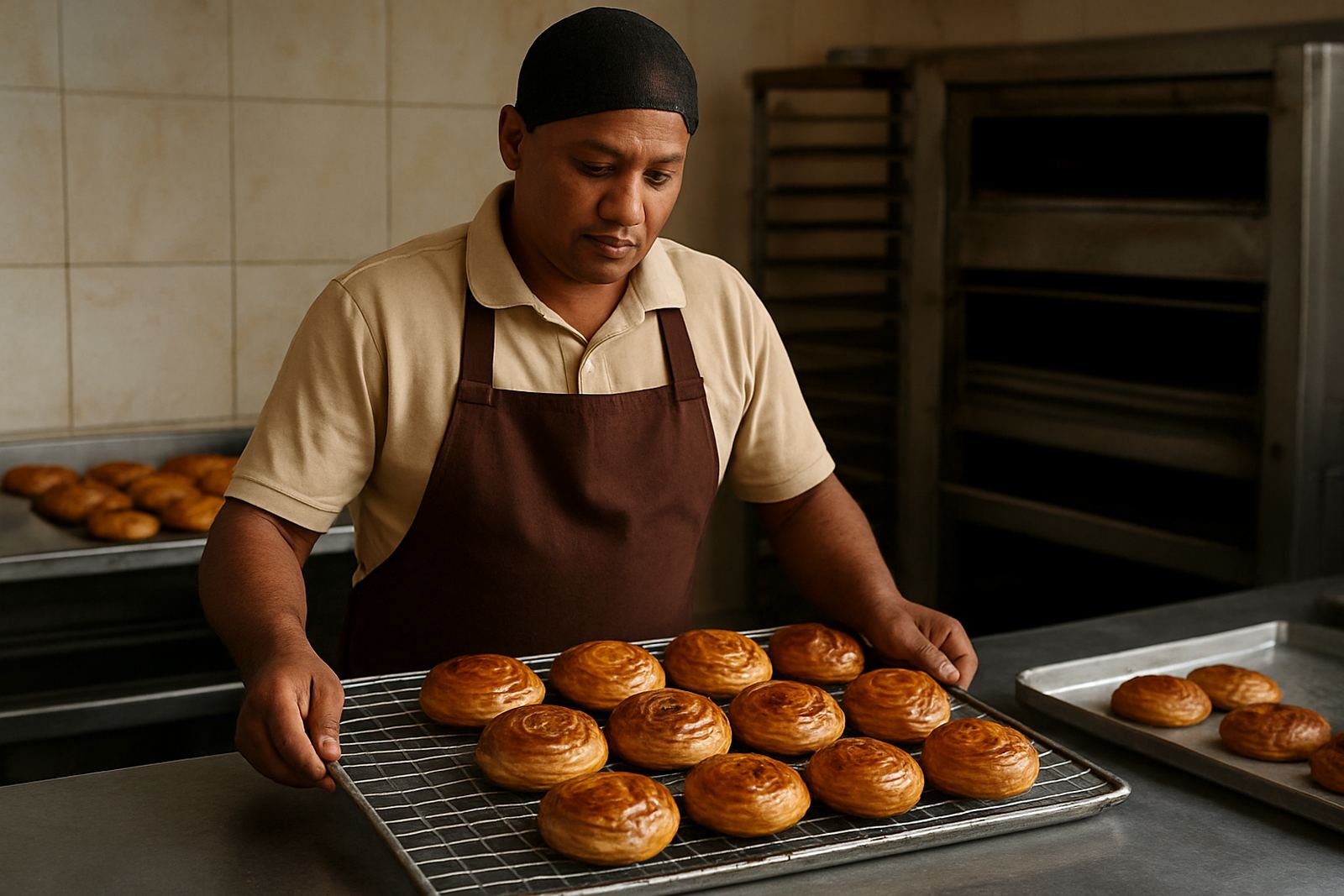
For hotels and retailers, presentation matters as much as count. A bread pan with a damaged rim or lid may still go into service, but the finish will tell on you. For plant bakeries, the cost is broader because packaging, labour and fuel are all tied into each run. If the batch comes out with more trim waste or more rejects, you are paying twice for the same loaf.
- Uneven colour from tray to tray
- Sticking, tearing or misshapen product
- Longer cooling and rework time
- More scrap, trim loss and rejected packs
The real price is not only repair, it is delay
People often compare repair cost with replacement cost and stop there. That misses the bigger number. If a line is down for an hour while staff search for spare pans or swap trays between ovens, the cost is in lost throughput, idle labour and catch-up overtime later. Load-shedding makes this worse because a delayed restart can push the whole production plan off for the day.
In a bakery that works to delivery windows for supermarkets, schools or hotels, a delay can force an overnight bake or an extra dispatch. That means more diesel, more staff hours and sometimes missed fresh stock on shelf. A worn tray may only be a piece of steel, but it can stop a full pallet from being ready on time.
The other issue is inconsistency. When operators are forced to mix old and new bakeware, they spend time sorting by condition instead of running by sequence. That may sound small, but on a busy line it slows changeovers, creates confusion and increases the chance of using the wrong item for the wrong product.
A Westmead example from a busy plant
A bakery customer in the Pinetown area had one oven line where the floor tiles and pans had been in service for many years. The team could still produce, but the first signs were obvious: some loaves were darker on one side, a few tins were sticking and the cleaning crew was spending too long on the damaged pieces. Because the line served both retail and foodservice orders, the pressure to keep everything moving was constant.
We assessed the fleet, marked the items that could be brought back and identified the ones that needed replacement. Corner repairs, rim repairs and straightening restored part of the set, while a number of trays went for recoating. The result was less handling damage and a steadier bake across the line. Nothing fancy, just better matching parts and fewer interruptions.
That is the point for any plant bakery, whether you are in New Germany, the Upper Highway or further out in KwaZulu-Natal. If the bakeware is not doing its job, the oven has to work harder and the team follows behind trying to correct the result. Better to fix the cause before the shift turns into a fire drill.
When to repair, when to replace
Not every damaged pan must be scrapped. Some sets still have years left in them if the steel is sound. Straightening, recoating and weld repairs can return useful life, especially where the item is a standard size and still fits the line properly. In many cases, that is the most economical route because the bakery keeps production moving while reducing waste.
Replacement makes more sense when a tray has moved beyond practical repair, when repeated fixing no longer holds, or when the dimensions no longer match the oven and proofing setup. For bakeries working under tight municipal and hygiene rules, badly pitted surfaces or damaged lids can also become a cleaning and compliance issue. If staff cannot clean it properly, it should not stay in circulation.
- Repair if the frame is sound and the shape can be restored
- Replace if the item has repeated cracks, heavy distortion or poor fit
- Check if the surface can still be cleaned to a proper standard
- Keep a small pool of spare lids and trays for peak production
A simple maintenance habit saves far more than it costs
Most downtime linked to bakeware can be reduced with routine checks. A weekly walk-through of pans, trays and floor tiles helps catch small issues before they stop a line. Look for loose welds, bent rims, poor release, dark hot spots and any sign that an item no longer sits square. In coastal areas, watch for moisture damage and storage problems too, because humidity can shorten the life of poorly kept steel.
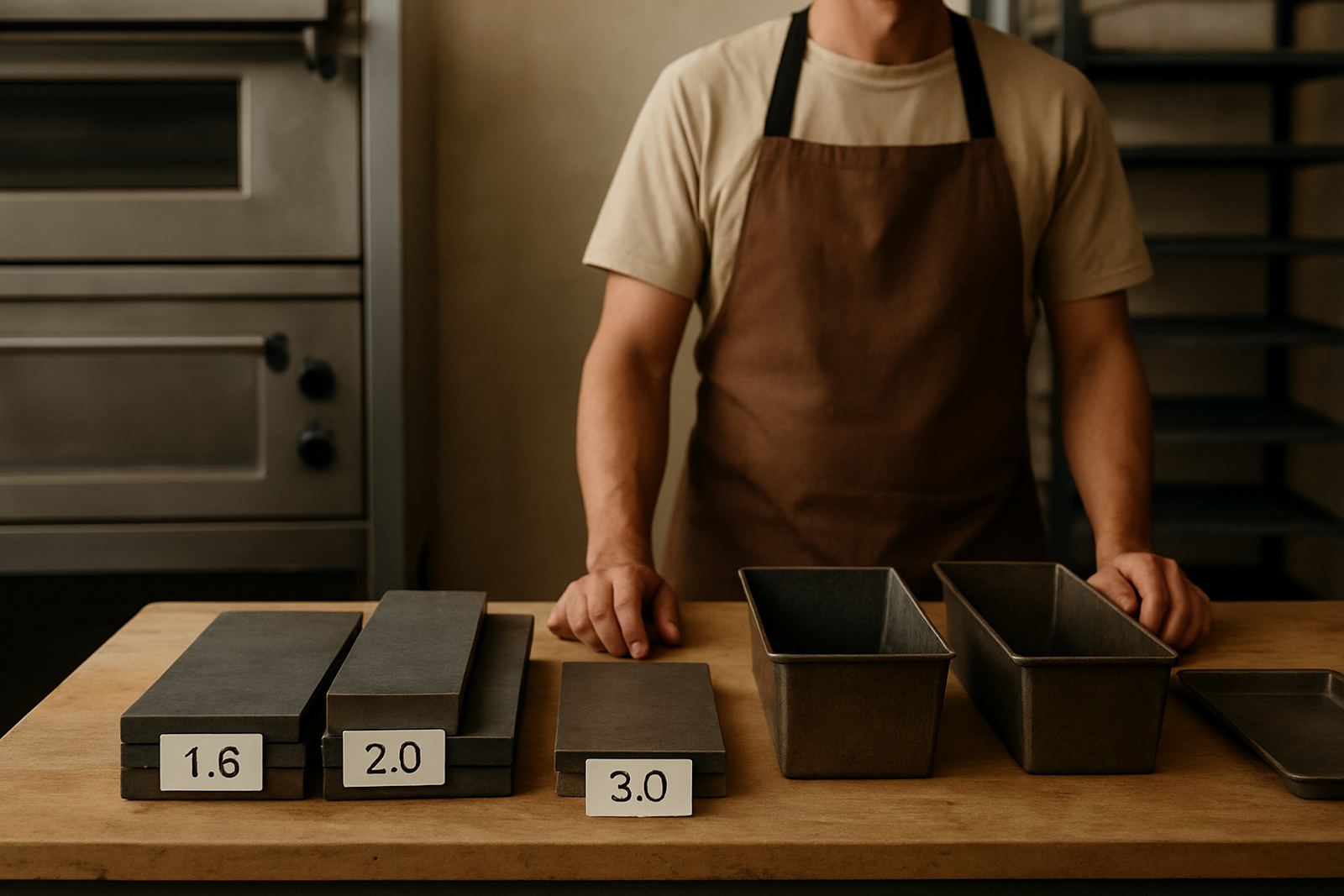
It also helps to keep the fleet organised by size and condition. If the crew knows which trays are for heavy duty runs, which are due for recoating and which are held as spares, the changeover goes faster. That saves time during peak shifts and gives the operations team a better view of what must be repaired next.
For bakeries that want practical support, Bakerite works from Westmead, Pinetown and supplies plant bakeries nationally. We handle pan recoating, tray recoating, pan straightening, corner repairs, rim repairs, lid repairs, weld repairs, fleet assessment, deep cleaning and spare lids. If you are losing output to worn bakeware, the first step is a proper look at the fleet, not another guess.